
Trees
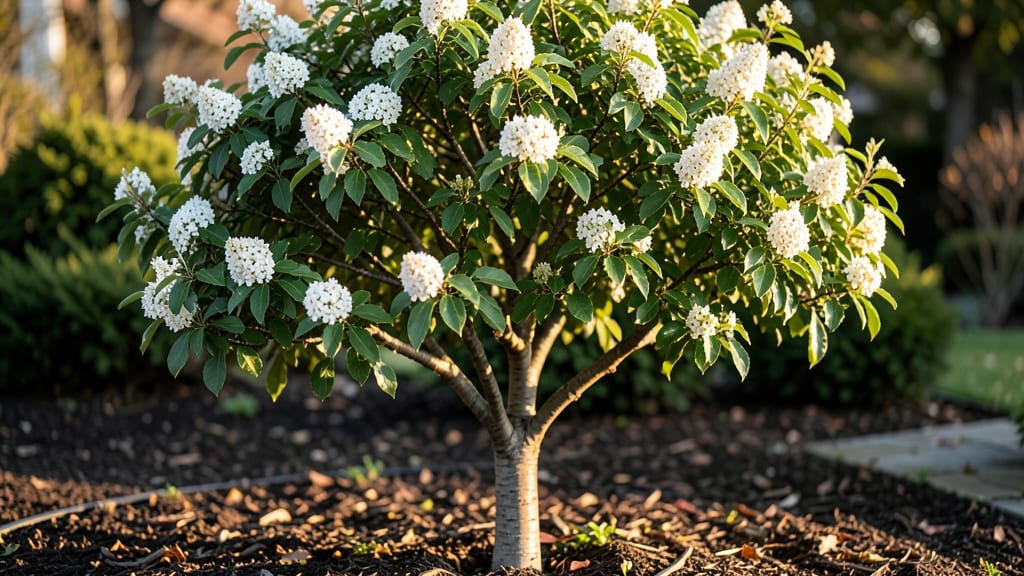
Bradford pear trees do bear fruit, producing small, fragrant white blossoms that develop into round, green pears—though they’re typically bitter, inedible, and prized more for ornamental value than harvest. Fruit appears annually in late summer if pollinated, but birds often feast on them first.
Bradford pear trees produce fruit as part of their natural reproductive cycle, though these pears aren't suitable for eating due to their extreme bitterness. 🌳 The trees rely on cross-pollination between different varieties to set fruit, which explains why some gardeners see more abundant harvests when they plant multiple Bradford pears nearby.
While the fruit itself isn't valuable for consumption, the trees' abundant spring blooms and attractive fall foliage make them popular landscape choices despite their limited culinary potential.
What's interesting is how quickly wildlife responds to these fruits. Birds often strip the tree bare before the pears fully ripen, leaving homeowners with empty branches by late summer.
This natural behavior actually benefits gardeners by reducing fruit buildup on the ground, though it can be disappointing if you were hoping to admire the tree's harvest.
The trade-off between ornamental beauty and limited fruit production is why many gardeners plant Bradford pears specifically for their visual appeal rather than their harvest potential.
💡 In This Article
- Why Bradford Pear Fruit Is Inedible and How It Forms
- When and How to Expect Bradford Pear Fruit in Your Garden
Why Bradford pear fruit is inedible and how it forms
Bradford pear trees produce fruit as part of their reproductive strategy, but the result is far from edible. The bitterness comes from high levels of tannins and other phenolic compounds—natural plant defenses that make the fruit unpalatable to humans.
These compounds develop during fruit maturation, creating that astringent flavor that even animals avoid unless desperate. 🌿 Scientifically, this bitterness serves as a deterrent to seed predators, ensuring only a few seeds survive to grow into new trees.
The fruit formation process begins with pollination, which requires cross-pollination between different Bradford pear varieties. A single tree's flowers are self-fertile to some degree, but optimal fruit set occurs when pollen moves between trees.
This explains why gardeners with multiple Bradford pears often see better fruit production—up to 50% more compared to solitary trees. The fruit itself starts as small green buds after pollination, growing to about 1-1.5 inches in diameter by late summer when they should ripen.
Genetically, Bradford pears were developed as ornamental hybrids, not for fruit production. Their ancestors included the Callery pear (Pyrus calleryana), which has naturally small, hard fruits. The breeding focused on disease resistance, rapid growth, and attractive foliage—not edible quality.
This explains why commercial pear growers avoid Bradford varieties—their fruit simply can't compete with cultivated pears like Bartlett or Anjou, which have been selectively bred for sweetness and texture over centuries. 🍐
Even when Bradford pears do produce fruit, they rarely develop the full sugar content of edible varieties. The sugar-to-acid ratio remains unbalanced, with acids dominating. For comparison, a ripe Bartlett pear might have 12-15% sugar content, while Bradford pears typically measure below 8%—far too low for pleasant eating.
The flesh also tends to be fibrous and mealy, lacking the buttery texture of commercial pears.
What makes this even more interesting is how the fruit's chemical composition changes with ripening. Early-stage fruits contain higher levels of volatile organic compounds that contribute to their strong aroma, but these compounds shift as the fruit matures.
By the time they're ready to fall (or be eaten by birds), the bitterness has intensified due to increased tannin concentration. This chemical shift explains why even the most patient gardeners rarely find these pears palatable.
For those curious about the seed viability, Bradford pear seeds do germinate, but the resulting seedlings often inherit the same bitter fruit traits. This self-perpetuating cycle is why botanists consider Bradford pears an "invasive ornamental"—they reproduce prolifically but produce fruit that serves no useful purpose for humans.
The trade-off between ornamental beauty and limited functionality is what defines this tree's niche in landscapes. 🌳