
Landscaping
Transforming your outdoor space with contemporary flower beds isn’t about following trends—it’s about creating bold, textural statements that reflect your style. These 10 modern designs blend structure, color, and unexpected plant pairings to turn ordinary gardens into striking visual experiences.
Geometric Concrete Planters with Succulents
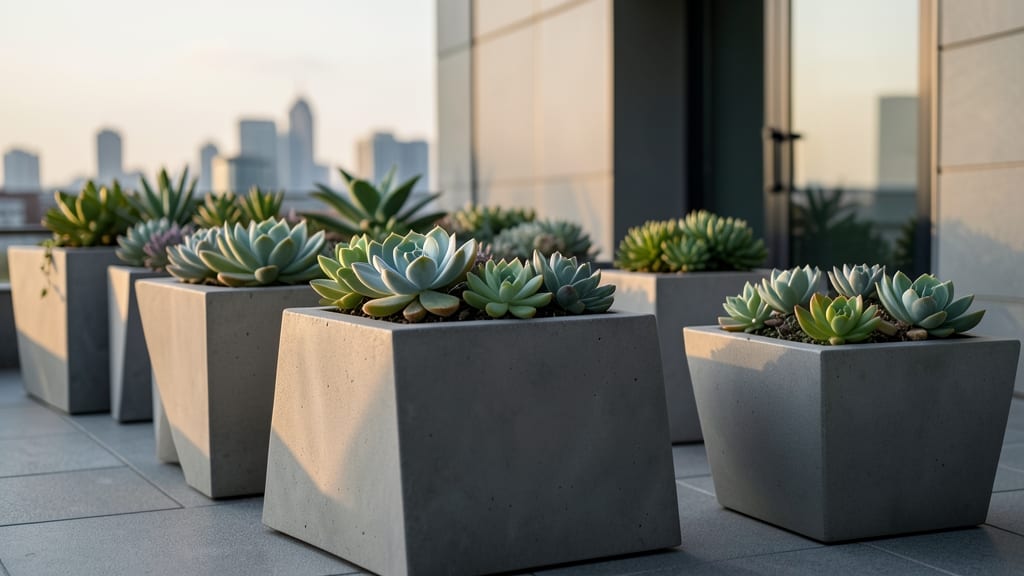
Turn your urban patio into a striking minimalist statement with geometric concrete planters filled with drought-resistant succulents. These sharp-edged planters—square, triangular, or asymmetrical—create visual interest while requiring almost no maintenance, making them perfect for modern facades or small balconies.
Start with echeveria or sedum varieties for their vibrant colors and compact growth. Place planters at varying heights for dynamic contrast, and opt for light-colored concrete to reflect sunlight and keep roots cool. Succulents thrive in full sun and need watering only every 2-3 weeks, making this design ideal for busy gardeners.
This low-maintenance, high-impact look is especially great for city dwellers or those with limited space who want a polished, contemporary aesthetic without the upkeep. 🌿
Monochromatic Perennial Borders with Ornamental Grasses
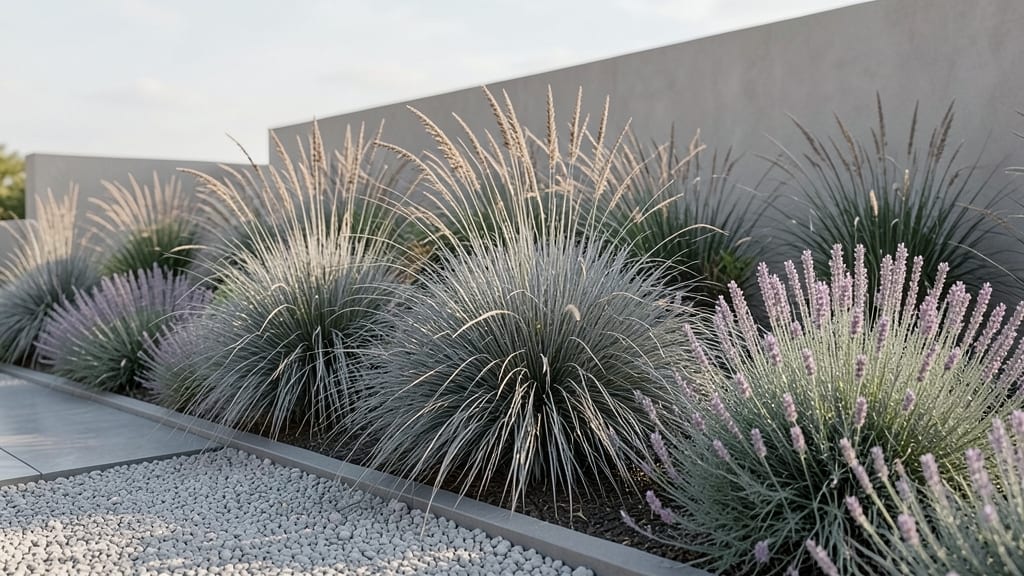
Tired of seasonal replanting and still want a polished, modern look? Monochromatic perennial borders with ornamental grasses create a serene, textural focal point that thrives year-round without the annual upkeep.
Start with a base of drought-tolerant grasses like Miscanthus sinensis or Panicum virgatum for movement and structure, then layer in deep purple foliage plants like heuchera or lamb’s ear for contrast. The key is repetition—plant in odd-numbered groupings (3, 5, or 7) for natural rhythm. These borders work beautifully against black metal edging or smooth stone walls to enhance their modern appeal.
This design is ideal for gardeners who crave low-maintenance beauty—once established, these perennials need only seasonal pruning and minimal watering. The muted tones also make them versatile for any home’s exterior palette. 🌿
Vertical Flower Walls with Climbing Roses
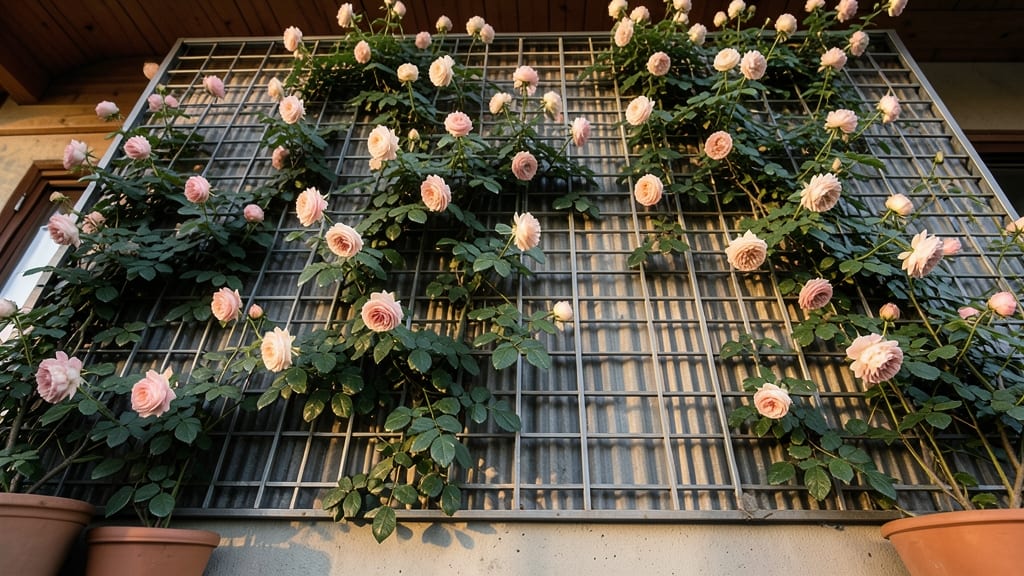
Turn your blank walls into a romantic yet architectural statement with climbing roses—the perfect fusion of cottage charm and modern design. This vertical approach maximizes small yards by creating a lush, living canvas that softens hard surfaces while adding seasonal drama.
Start with a metal or wooden trellis (powder-coated for durability) against stucco, brick, or even a chain-link fence. Choose disease-resistant varieties like 'Knock Out' roses for minimal pruning or classic climbers like 'New Dawn' for fragrant blooms. Pair roses with trailing ivy or clematis to fill gaps and extend the vertical effect. Plant in well-draining soil with a slow-release fertilizer, and ensure 6+ hours of sun for vibrant blooms.
This design thrives in cottage-modern hybrid gardens, offering year-round interest with glossy foliage, seasonal blooms, and even hips for winter texture. Ideal for urban gardeners or anyone craving a low-maintenance yet high-impact focal point. 🌷
Asymmetrical Gravel Gardens with Bold Foliage
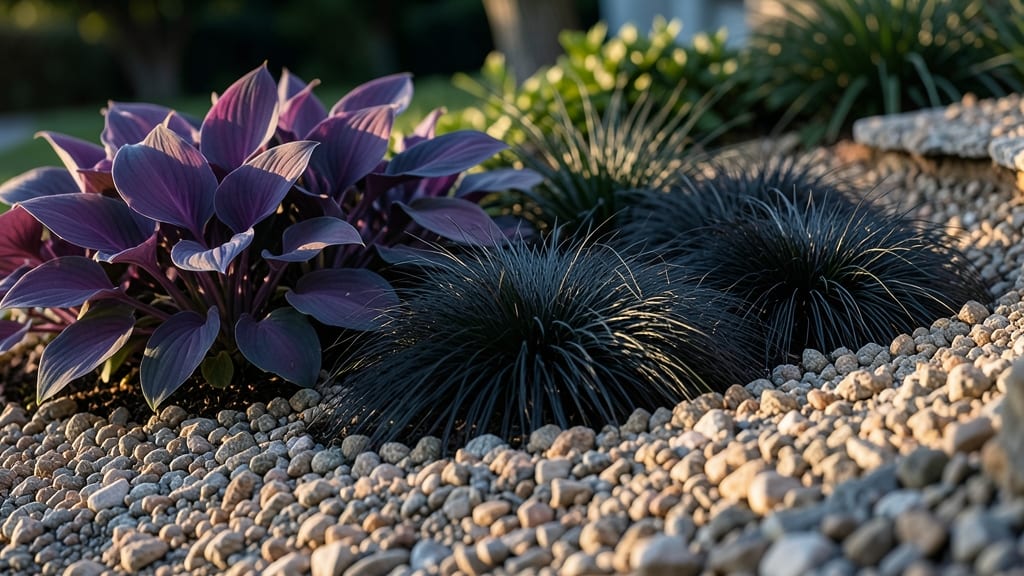
Ditch the high-maintenance flower beds and embrace a dry garden that thrives on character rather than constant care. Asymmetrical gravel gardens let you showcase bold foliage—like deep purple hostas and velvety black mondo grass—while slashing water use by up to 80%. This is the perfect solution for arid climates or gardeners who love structure over seasonal blooms.
Start by laying a base of pebbles or decomposed granite (3-4 inches deep) to suppress weeds and retain moisture. Plant clumping perennials like ligularia or heuchera in clusters, leaving space for their leaves to spill naturally. The gravel reflects light, brightening the bed while reducing evaporation—ideal for hot, dry summers. For extra drama, add ornamental grasses like pennisetum or carex for movement and texture.
This design is ideal for gardeners who want year-round interest without the fuss of flowers. The gravel base requires minimal weeding, and the foliage plants often thrive with once-a-week watering—or less. Perfect for modernists, eco-conscious gardeners, or anyone tired of fighting drought conditions. 🌿
Modern Herb Spirals with Edible Flowers
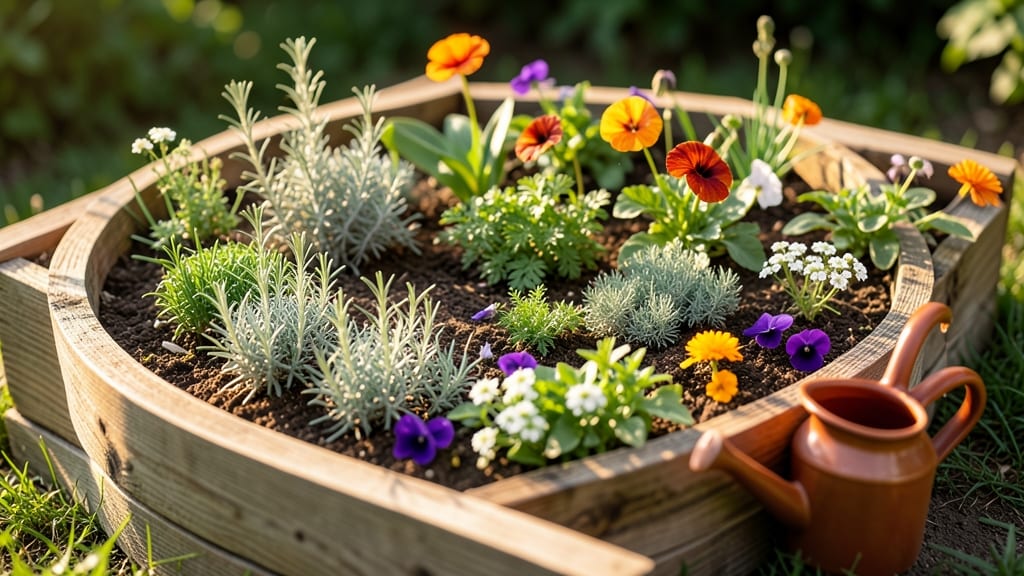
Turn your kitchen garden into a textural masterpiece by combining classic herbs with edible flowers in a spiral design. This space-saving layout not only maximizes harvests but also adds unexpected pops of color—perfect for chefs or urban homesteaders who want beauty and functionality.
Start with hardy herbs like rosemary and thyme at the center, then spiral outward with nasturtiums (edible flowers) and borage for vibrant blooms. Use terracotta edges or stepping stones to define the shape, and place near your kitchen for easy access. The spiral design ensures even sunlight exposure, while edible flowers like calendula or pansies add a modern twist to culinary dishes.
This design is ideal for small urban gardens or balconies, offering year-round greenery with minimal maintenance. Plus, the floral edibles double as garnishes—your garden will be as delicious as it is decorative! 🌻
Minimalist Stone Pathways with Popping Tulips
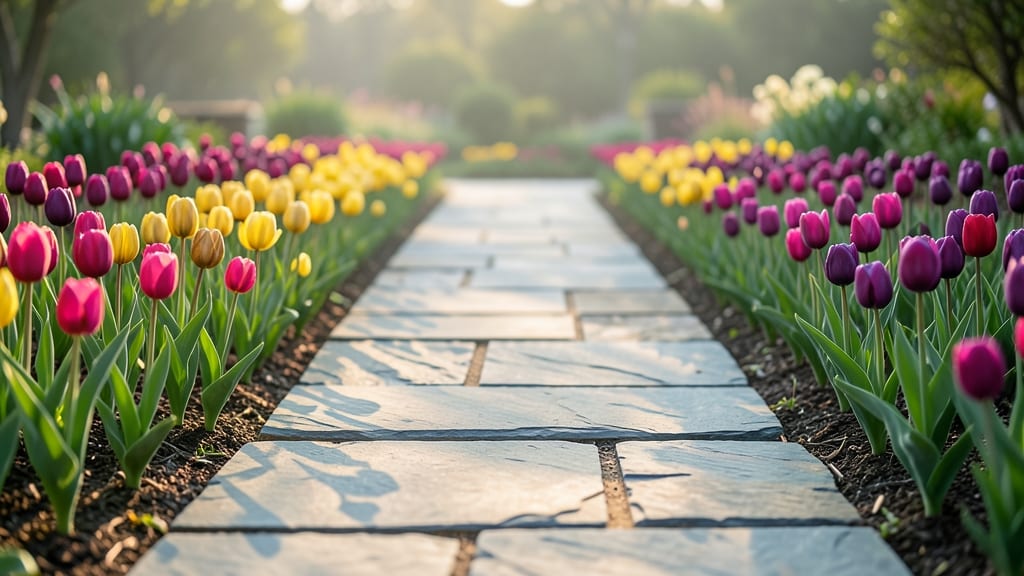
Skip the year-round upkeep and still enjoy a showstopping spring display with stone pathways lined with tulips. This design delivers a high-impact seasonal burst of color while requiring zero maintenance outside of planting—ideal for gardeners who crave drama without the work.
Choose dwarf tulip varieties like 'Queen of Night' (deep purple-black) or 'White Dream' for bold contrast against gray stone or slate pathways. Pair them with neatly trimmed boxwood hedges to frame the walkway and add structure. Plant bulbs in early fall for a 6-8 week spring bloom, then let the foliage die back naturally—no deadheading or replanting needed.
Perfect for modern minimalists, this design works in both urban courtyards and rural gardens. The stark contrast of dark stone and vibrant tulips creates visual drama without overwhelming your space. 🌷
Mixed-Media Planters with Air Plants and Moss
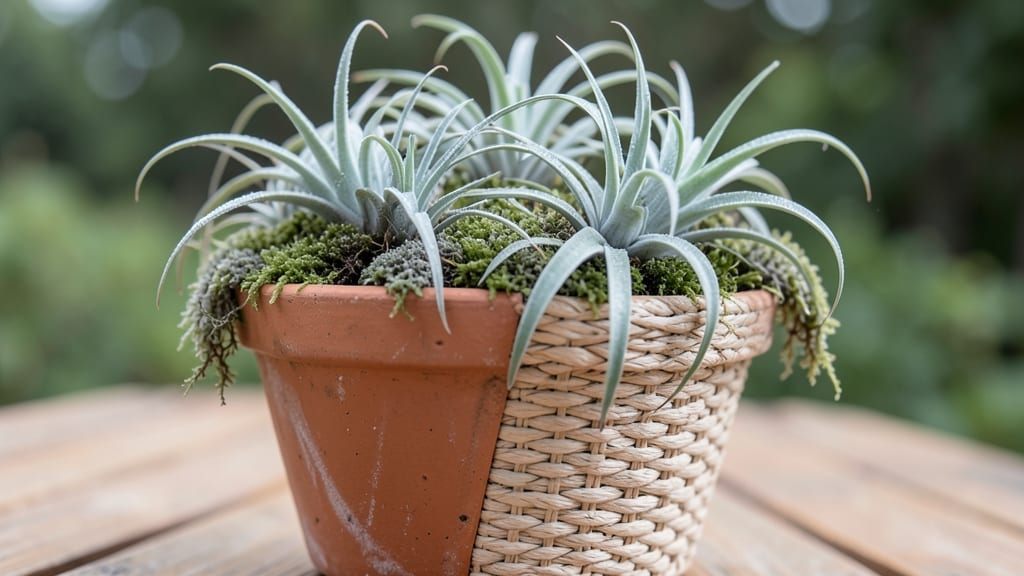
Tired of watering, replanting, or dealing with messy soil? Mixed-media planters combine air plants (tillandsia) and moss for a living, zero-maintenance display that thrives on humidity alone—no soil, no watering schedule, just pure organic texture.
Start with a terracotta or woven planter (air plants hate soggy roots) and layer sheet moss as a base. Nestle tillandsia into crevices or tuck them into moss—these epiphytes absorb moisture from the air, so mist them lightly every 2-3 weeks or place them near a bathroom shower for extra humidity. Add tiny succulents like hen-and-chicks for contrast, but keep them separate in their own soil pockets.
This setup is perfect for renters, balcony gardeners, or anyone who wants lush greenery without the upkeep. The ethereal, layered look works indoors near windows or outdoors on patios—just avoid direct afternoon sun to prevent moss drying out. 🌿
Bold Color Blocks with Annuals in Planters
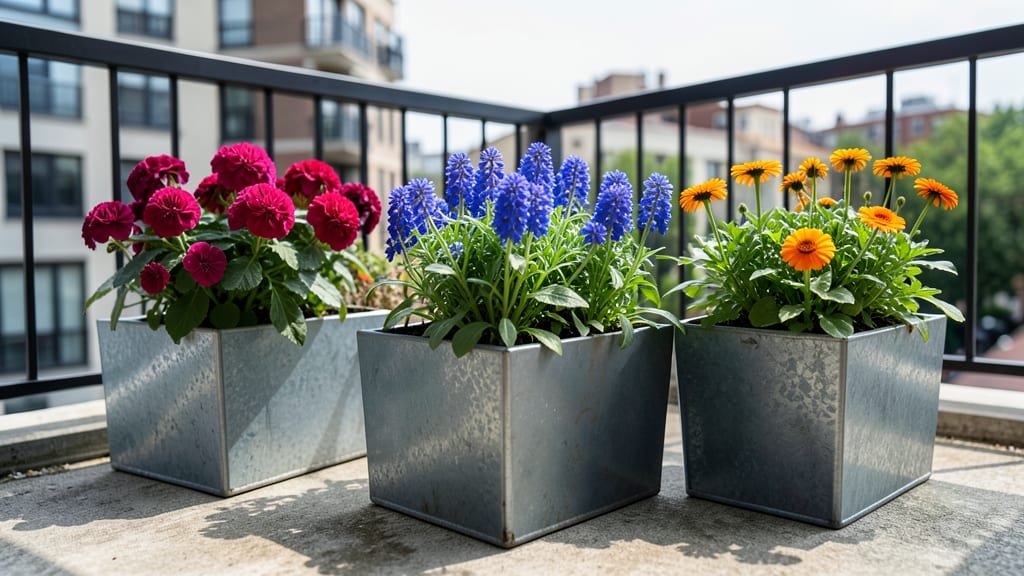
Want a garden that feels fresh and exciting every season without the commitment of perennials? Bold color blocks with annuals in planters let you swap out plants like changing a room’s decor—perfect for renters or anyone who loves seasonal reinvention. This approach turns your patio or balcony into a vibrant canvas where you control the palette, not the plants.
Start with square or rectangular planters in high-gloss finishes like cobalt blue, mustard yellow, or fuchsia to create instant visual drama. Fill them with petunias, zinnias, or coleus for maximum impact—these annuals thrive in full sun and bloom nonstop with minimal care. For a cohesive look, repeat one color across multiple planters while mixing heights (tall zinnias in back, trailing petunias in front). Swap out plants every 3-4 months to keep the energy high, using spring bulbs in early containers and fall mums as temperatures drop.
This design is ideal for urban gardeners, renters, or anyone who wants drama without permanence. The planters themselves become part of the statement—opt for sleek metal or ceramic containers to complement modern facades, or go for weathered wood for a rustic twist. With annuals, you get year-round flexibility to match your mood or seasonal trends. 🌻
Wildflower Meadows with Native Perennials
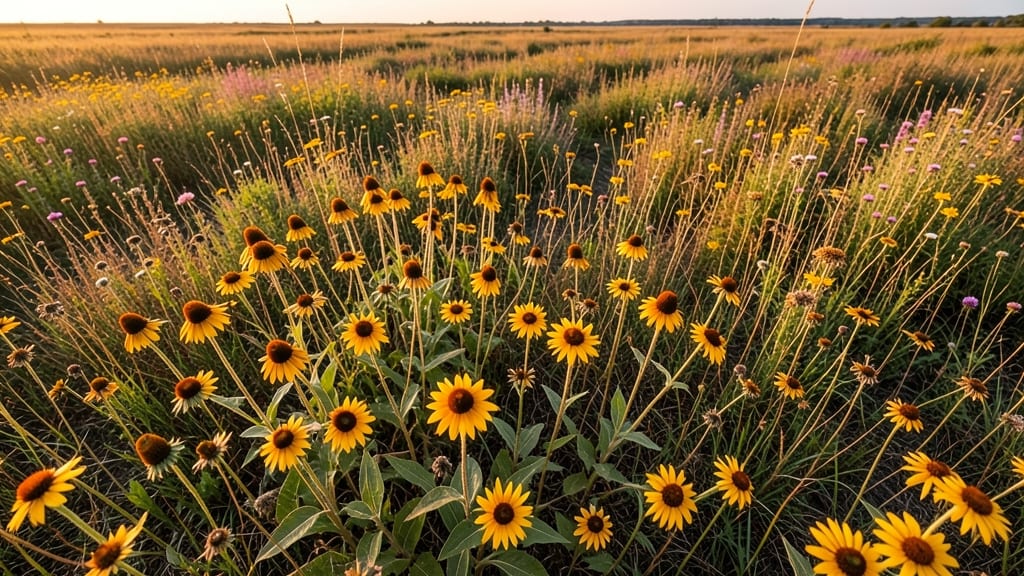
Skip the lawnmower and embrace a wildflower meadow that thrives on nature’s rhythm while supporting local pollinators. This effortless design replaces mowing with a seasonal tapestry of native perennials like coneflowers, black-eyed Susans, and goldenrod—plants that require no fertilizing, minimal watering, and zero upkeep once established.
Start by clearing your space of existing grass, then scatter native wildflower seeds in late summer or early fall. Choose a mix tailored to your USDA hardiness zone for guaranteed blooms. Let the flowers go to seed each year to sustain bees, butterflies, and birds—your meadow will become a year-round ecosystem without a single cut. For structure, let wild grasses like little bluestem or switchgrass frame the edges naturally.
This design is perfect for eco-conscious gardeners who want beauty without the work. Whether you have a sun-drenched backyard or a patch of wild land, a wildflower meadow delivers low-cost, high-impact results that keep giving back to the environment. 🌻
Sculptural Tree Planters with Dwarf Varieties

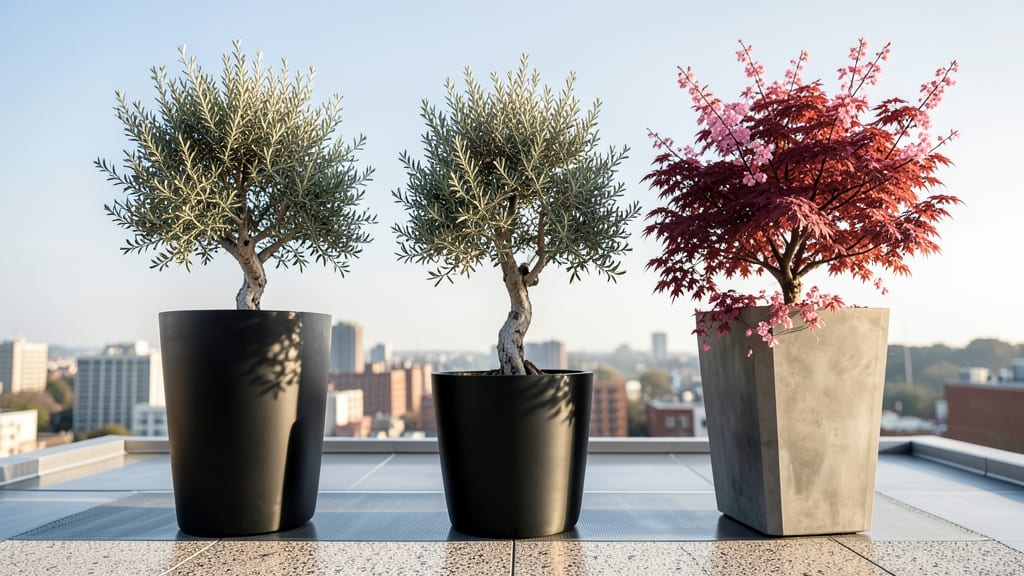
Elevate modern courtyards or rooftop gardens with sculptural tree planters that bring architectural drama without sacrificing space. These tall, narrow containers let you incorporate dwarf tree varieties—like olive, Japanese maple, or ornamental cherry—that mature at just 6-10 feet tall, perfect for small-scale statements.
Opt for geometric planters in concrete or metal to complement contemporary aesthetics, and choose slow-growing dwarf varieties that stay compact for years. Place them in linear arrangements against walls or along pathways to create visual height without overwhelming your space. Most dwarf trees thrive in well-draining soil and need only moderate watering once established—ideal for urban environments.
This design is ideal for rooftop gardeners, apartment balconies, or minimalist courtyards where vertical space is a premium. The structured yet organic forms add year-round interest while keeping maintenance simple. 🌟