
Trees
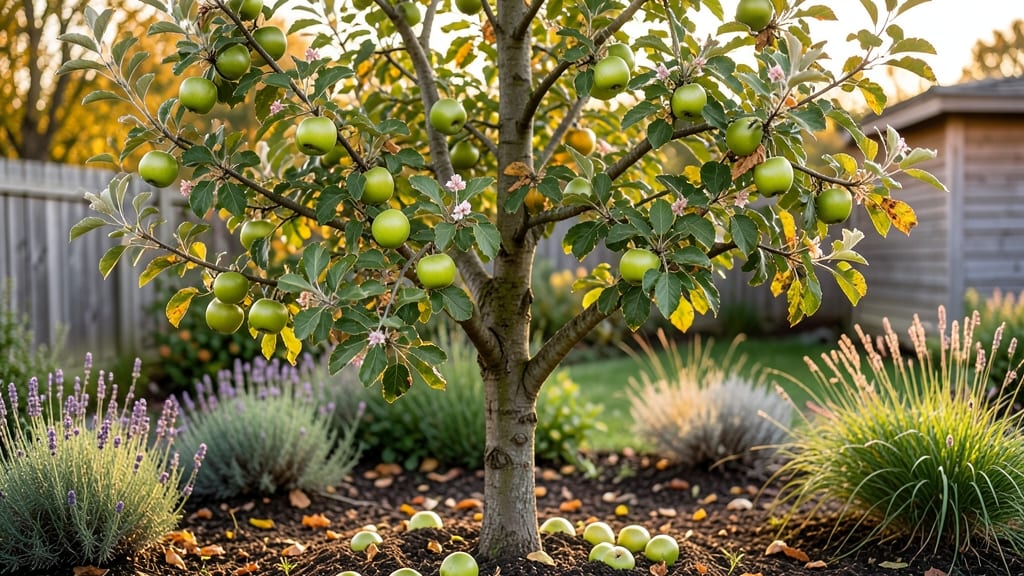
Growing fruit trees in Zone 7A means cold-hardy varieties that reward you with harvests even after winter’s chill. 🌳 I’ve learned the hard way—planting tender peaches that freeze back to the ground is a lesson in humility.
But the right choices—like ‘Liberty’ apples or ‘Reliance’ peaches—thrive through our winters and produce like crazy. The secret starts with soil: well-draining, slightly acidic (6.0–6.5 pH) with plenty of organic matter. Most Zone 7A fruit trees need full sun (6+ hours daily) and protection from late frosts.
Mulch heavily in winter to shield roots from temperature swings—this is what keeps them alive when others fail. By mid-summer, you’ll be picking crisp apples, juicy peaches, and even figs that ripen into fall. The trees grow stronger each year, and the harvests get better.
Just watch for fire blight in spring and keep an eye on borers—prevention is easier than cure. Works for backyards, orchards, or even large containers. Here’s how to pick the perfect varieties for your space and climate.
📚 In This Guide
- What you need
- Instructions
- Tips and common mistakes
- Wrapping up and next steps
What you need
- ● Fruit Tree Varieties (Zone 7A Hardy): Apple (e.g., Honeycrisp, Liberty)
- ● Pear (e.g., Bartlett, Moonglow)
- ● Peach (e.g., Reliance, Redhaven)
- ● Cherry (e.g., Montmorency, Stella)
- ● Plum (e.g., Stanley, Methley)
- ● Soil Amendments: Compost (5-10 bags), aged manure (2-3 bags), and balanced 10-10-10 fertilizer (1 bag)
- ● Planting Supplies: 5-gallon containers (1 per tree)
- ● Root stimulator (1 bottle)
- ● Organic mulch (2-3 cubic yards)
- ● Tools: Shovel (heavy-duty)
- ● Garden trowel
- ● Pruning shears (bypass type)
- ● Measuring tape
- ● Gloves (waterproof)
- ● Cold Protection: Frost cloth (1-2 rolls), tree wraps (for young trees), or a drip irrigation kit for winter watering
- ● Pest Control: Neem oil (1 spray bottle), copper fungicide (1 can), and bird netting (if wildlife is a concern)
- ● Monitoring Tools: Soil pH test kit, moisture meter, and tree growth tracker (for tracking maturity)
- ● Comfort Items: Knee pads, watering can with hose attachment, and a sun hat for long planting days!
How to select and plant fruit trees for zone 7A climates
Here’s how I choose cold-hardy varieties and prepare them for a lifetime of harvests.
🌱 Step 1: Choose the Right Varieties for Zone 7A
Zone 7A’s 10°–15°F winters rule out tender citrus or subtropical fruits, but hardy apples, pears, peaches, and cherries thrive here. I always pick dwarf or semi-dwarf trees (like ‘Liberty’ apple or ‘Redhaven’ peach) to save space and reduce maintenance. Check the USDA database for varieties labeled zone 5 or lower—they’ll handle your winters easily.
For pollination, plant at least two compatible varieties (like ‘Honeycrisp’ and ‘Gala’ apples) unless your chosen tree is self-pollinating. I tag each tree with its variety and pollination needs right after planting—trust me, you’ll forget by next spring.
☀️ Step 2: Pick the Perfect Planting Spot
Fruit trees need full sun (6–8 hours daily) and well-draining soil. I test drainage by digging a 12-inch hole, filling it with water, and waiting—if it drains in under an hour, the spot’s good. Avoid low areas where cold air settles, as frost pockets can damage young trees.
Space trees 15–25 feet apart (depending on variety) to allow airflow and future growth. I sketch a rough layout on paper first, marking mature tree sizes and sun paths. If your yard is small, consider espalier training or columnar varieties like ‘Columnar Delicious’ apple.
🪴 Step 3: Plant Bare-Root Trees Correctly
Bare-root trees arrive dormant, so plant them in late winter or early spring (before buds swell). Soak roots in lukewarm water for 2–4 hours before planting to rehydrate them. Dig a hole twice as wide as the root ball but no deeper—planting too deep suffocates roots.
Place the tree in the hole so the graft union (bulge near the base) sits 2–3 inches above soil level. This prevents roots from girdling the trunk as the tree grows. Backfill with native soil (no amendments yet—roots need to establish first), then water deeply to settle it.
💧 Step 4: Mulch and Water for Strong Establishment
Spread 3–4 inches of mulch (wood chips or straw) in a 3-foot-wide ring around the tree, keeping it 6 inches away from the trunk to prevent rot. Water deeply once a week (1–2 gallons per tree) during the first year, letting moisture penetrate 12 inches deep. Shallow watering encourages weak roots.
I monitor soil moisture by sticking my finger 3 inches down—if it’s dry, water again. Avoid overhead sprinklers, which spread disease. In Zone 7A, young trees need extra care during late winter freezes, so wrap the trunk with tree wrap to protect against sunscald.
✂️ Step 5: Prune for Structure and Health
Prune in late winter (before buds break) to shape the tree and remove dead wood. I aim for an open-center form (for apples/pears) or central leader (for cherries), cutting branches back to an outward-facing bud. Never remove more than 25% of the canopy in one year—this stresses the tree.
Sanitize pruners with rubbing alcohol between cuts to prevent bacterial spread. After pruning, apply a dormant oil spray to smother overwintering pests. In Zone 7A, late-spring frosts can damage blossoms, so I cover young trees with frost cloth during critical bloom periods.
Tips & tricks for thriving zone 7A fruit trees
These practical insights will help you avoid common pitfalls and maximize your fruit tree success in Zone 7A's challenging climate.
Variety Selection Wisdom: When choosing between dwarf and semi-dwarf trees in Step 1, consider your space and long-term goals. Dwarf trees (like 'Liberty' apple) mature at 6-8 feet, perfect for small yards, while semi-dwarfs (like 'Redhaven' peach) reach 12-16 feet. I always check the USDA database for varieties labeled "zone 5 or lower" - these are the most cold-hardy and will handle Zone 7A's 10-15°F winters without issue. For pollination, I recommend planting two varieties within 50 feet of each other, as bees typically won't travel farther than that distance.
Planting Spot Strategy: In Step 2, when testing soil drainage, I've found that clay-heavy soils common in Zone 7A often drain too slowly. If your test hole drains in more than an hour, consider amending with compost or planting on a slight mound to improve drainage. For spacing, I mark mature tree sizes on my layout sketch - this prevents future overcrowding that can lead to disease. Remember that southern exposure gets the most sun, but eastern exposures can work well too for varieties like peaches that appreciate morning sun to dry dew quickly.
Root Care Secret: That 2-4 hour root soaking in lukewarm water before planting (Step 3) is crucial for bare-root trees. I use a bucket with just enough water to cover the roots, and I add a splash of rooting hormone to boost establishment. After planting, I always water deeply again to eliminate air pockets in the soil. For the graft union placement, I use a small stake to mark the 2-3 inch height above soil level before backfilling - this visual guide prevents me from accidentally planting too deep.
Winter Protection Tip: In Zone 7A, late winter freezes can damage young trees even after they've established. I've learned the hard way that tree wrap isn't just for winter - I apply it in late fall to protect against sunscald during winter sun exposure. For young trees, I also mound extra soil around the base (about 6 inches high) in late fall to provide additional insulation. This simple technique has saved multiple trees from winter damage in my garden.
Pro Tips for Zone 7a Fruit Trees
- These practical insights will help you avoid common pitfalls and maximize your fruit tree success in Zone 7A's challenging climate.
- Variety Selection Wisdom: When choosing between dwarf and semi-dwarf trees in Step 1, consider your space and long-term goals.
- Planting Spot Strategy: In Step 2, when testing soil drainage, I've found that clay-heavy soils common in Zone 7A often drain too slowly.
Frequently asked questions
Got questions about growing fruit trees in Zone 7A? You’re not alone! Here are some of the most common concerns—plus practical answers to help you cultivate a bountiful orchard.
What are the best low-maintenance fruit trees for Zone 7A?
Opt for dwarf varieties like apple (e.g., 'Liberty'), peach (e.g., 'Redhaven'), or fig (e.g., 'Celeste')—they’re hardy, disease-resistant, and perfect for small spaces. Pears (e.g., 'Bartlett') and plums (e.g., 'Stanley') also thrive with minimal fuss. Choose self-pollinating types to simplify planting!
How do I protect fruit trees from late frosts in Zone 7A?
Zone 7A’s last frost dates (mid-April) can catch blossoms off guard. Use frost cloths or row covers over young trees during critical bloom periods. For extra safety, plant late-blooming varieties (like cherry or peach) or install frost fans to circulate warm air.
When is the ideal time to plant fruit trees in Zone 7A?
Plant bare-root trees in late winter or early spring (Feb–March) for best root establishment before summer heat. Container-grown trees can go in fall (Oct–Nov), but avoid planting when soil temps drop below 40°F. Mulch heavily after planting to retain moisture and warmth.
Why are my Zone 7A fruit trees dropping leaves or fruit early?
Common culprits include pests (aphids, borers), disease (fire blight, powdery mildew), or stress from overwatering/underwatering. Inspect leaves for holes or spots, and prune affected branches. Boost care with balanced fertilizer and proper spacing (15–25 ft apart) to improve airflow and reduce stress.
Can I grow citrus or subtropical trees in Zone 7A?
Native citrus (kumquats, Meyer lemons) can survive Zone 7A winters if planted in sheltered microclimates (e.g., near south-facing walls). For tropicals like avocados or mangoes, grow them in containers and overwinter indoors. Choose dwarf varieties for easier management!
Wrapping up and next steps
Growing fruit trees in Zone 7A is totally doable—and rewarding! 🌳 With the right varieties like apple, peach, or fig, you can enjoy fresh, homegrown produce even in cooler climates. The key is selecting cold-hardy options, providing proper care, and giving them time to thrive.
Ready to get started? Pick your favorite fruit tree, gather your supplies, and plant with confidence. Before you know it, you’ll be harvesting your own delicious harvest—one bite at a time! 🍏🍑