
Landscaping
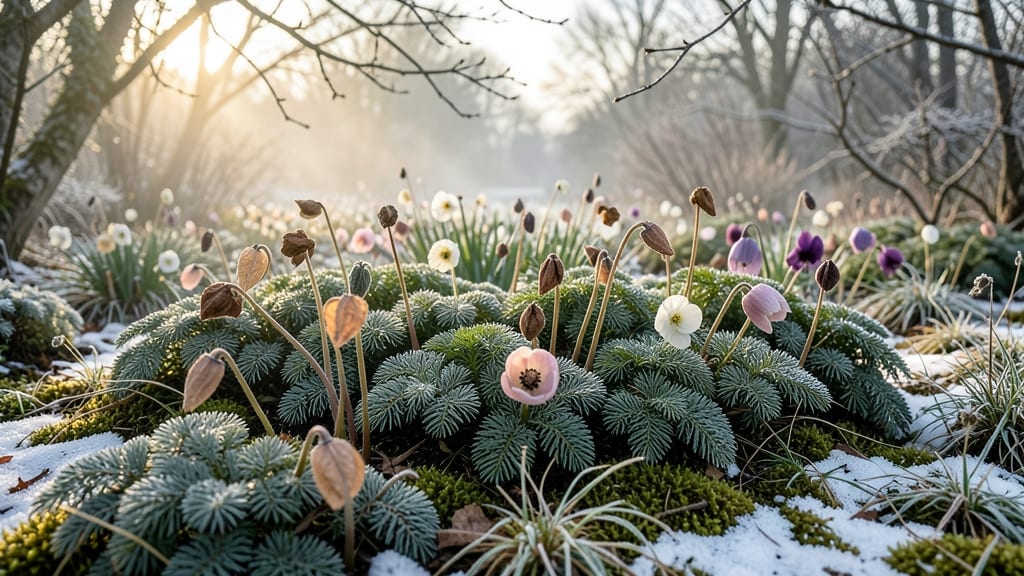
Transform your garden into a vibrant, low-maintenance paradise with these 10 wildflower bed ideas. Perfect for beginners and seasoned gardeners alike, these designs ensure year-round color while requiring minimal effort or watering.
Sunny Meadow Wildflower Mix
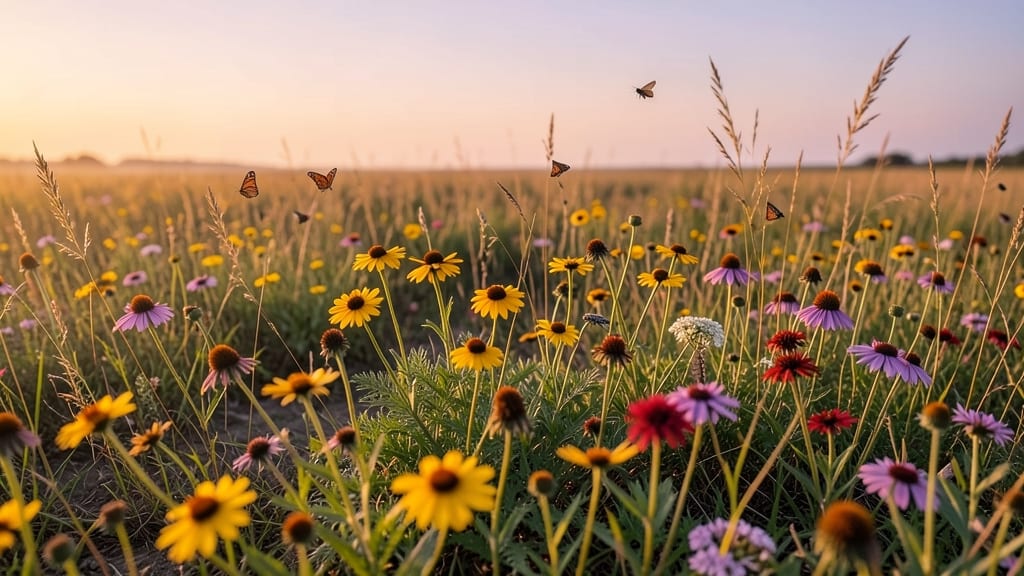
Dreaming of a golden meadow that hums with life but dreading the upkeep? A sunny meadow wildflower mix is your answer—ideal for full-sun areas where traditional lawns struggle. This hardy blend thrives in poor soil, needs little water once established, and turns your yard into a pollinator paradise.
Look for mixes featuring black-eyed Susans, coneflowers, and coreopsis—these stars bloom from early summer through fall, attracting bees, butterflies, and hummingbirds. Scatter seeds in late spring or early fall over prepared soil (no tilling needed), then let nature take over. Mow once a year in late winter to keep growth tidy.
Perfect for replacing lawns in large open spaces, this mix requires zero pesticides and zero fuss—just pure, year-round beauty. 🌻
Drought-Tolerant Desert Wildflowers
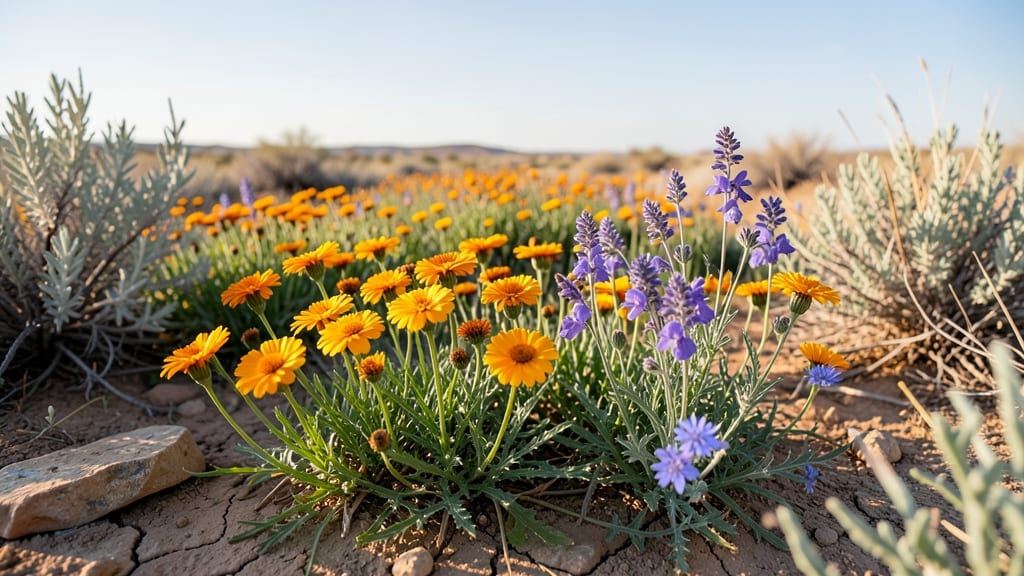
If you live in a dry climate or simply want to slash your water bill, desert wildflowers are your secret weapon. These resilient blooms thrive on rainwater alone once established, turning even the driest landscapes into a riot of color with almost no effort.
Look for native species like desert marigold (warm golden blooms) or penstemon (tubular flowers in pink, purple, and red). Plant in well-draining soil—no need for compost—and space them 6-12 inches apart. After the first year, they’ll spread naturally, creating a self-sustaining meadow that requires zero summer watering. Just deadhead spent blooms to encourage more flowers.
This is the perfect solution for southwestern gardeners, urban dwellers with limited irrigation, or anyone who loves the idea of a low-maintenance garden that still packs a visual punch. 🌻
Woodland Shade Wildflower Garden
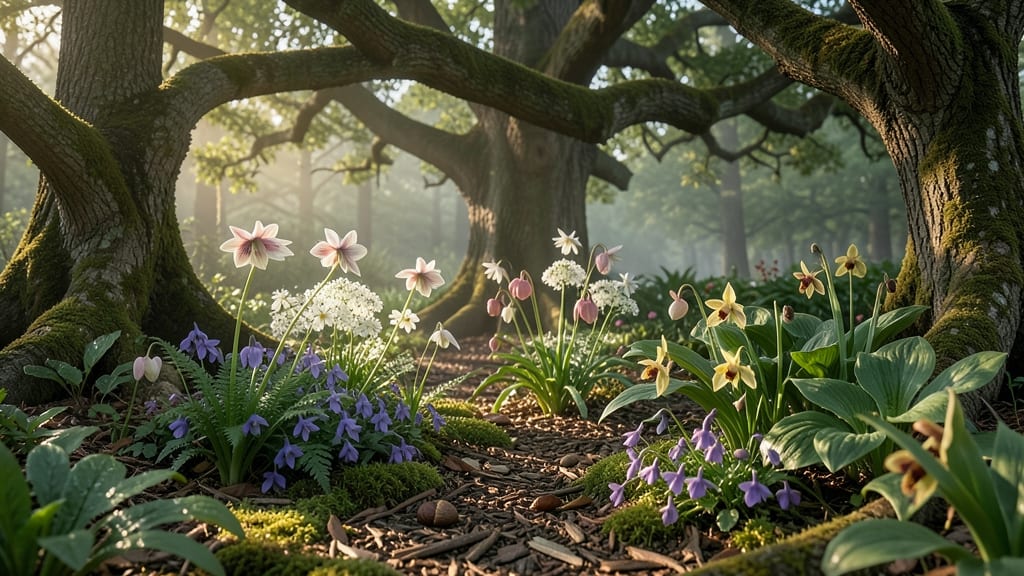
Turn those forgotten shady corners under your trees into a magical woodland retreat with a woodland shade wildflower garden. This design thrives in dappled sunlight or even deep shade where most plants struggle, bringing delicate blooms like trilliums, bleeding hearts, and foamflower to life.
Start by clearing leaf litter and adding a thin layer of compost to improve drainage in these often-moist areas. Choose native wildflowers adapted to your region—they’ll need less water and maintenance once established. Plant in loose clusters rather than rows to mimic natural woodland patterns, and avoid overcrowding to prevent fungal issues. These shade-lovers often bloom in early spring before the canopy fully closes, offering a stunning burst of color when most gardens are still dormant.
This is the perfect solution for gardeners with limited sunlight spots or those looking to create a serene, naturalistic space. Even small patches under trees can transform into a fragrant, living tapestry that thrives with almost no effort. 🌷
Pollinator-Friendly Native Wildflowers
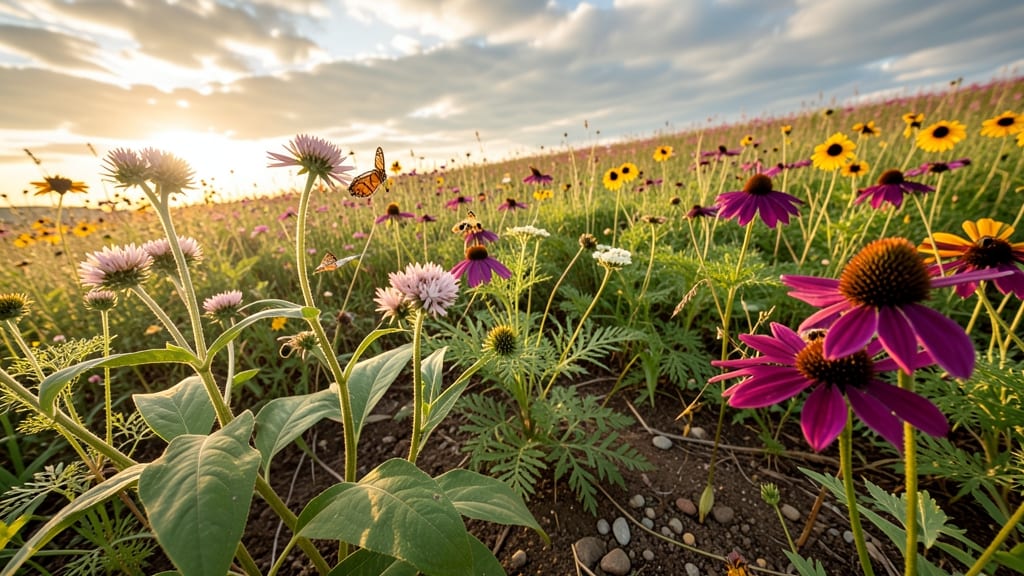
Want to make a real difference for your local ecosystem while adding beauty to your garden? A pollinator-friendly native wildflower mix is your best bet—packed with plants like milkweed (essential for monarch butterflies) and purple coneflowers (a bee magnet). This isn’t just about pretty blooms; it’s about creating a thriving habitat for wildlife right in your yard.
Start with a sunny to partially shady spot and well-draining soil—native wildflowers are tough and adaptable, but they’ll reward you best with full sun. Mix in black-eyed Susans for late-summer color and bee balm for hummingbirds. Plant seeds in early spring or fall, then let nature take over with minimal maintenance. Once established, these plants require little water and no fertilizers, making them perfect for eco-conscious gardeners.
This bed is ideal for those who want to support local biodiversity without the fuss of high-maintenance gardens. Every bloom you plant helps pollinators thrive—so why not turn your yard into a haven for bees, butterflies, and birds? 🌟
Cutting Garden Wildflower Bouquets
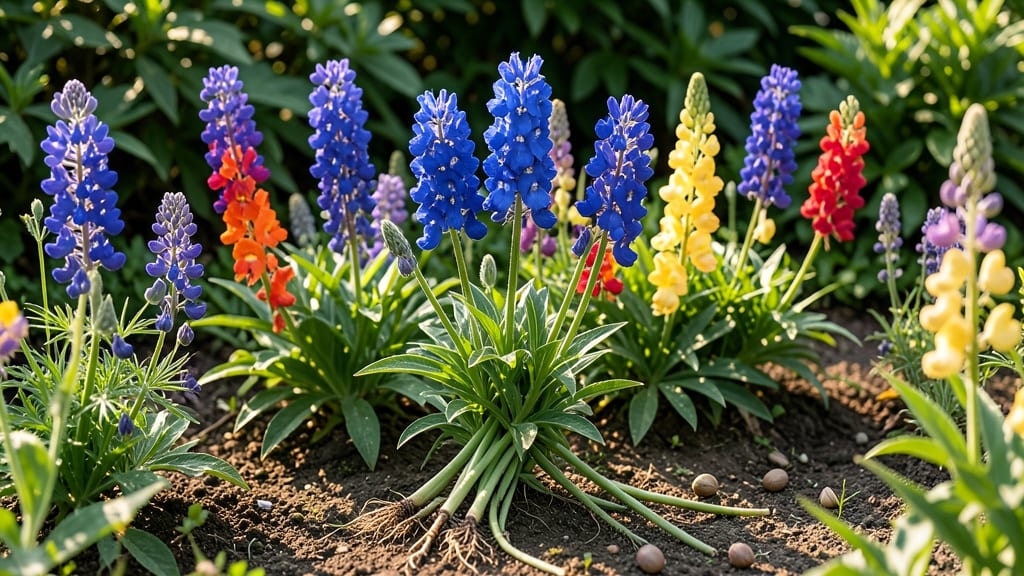
Skip the florist shop and create your own fragrant bouquets straight from your garden with a cutting garden wildflower mix. This isn’t just about pretty blooms—it’s about growing long-stemmed varieties like delphiniums, snapdragons, and lupines that hold their shape in vases for days.
Plant these sun-loving perennials in loose clusters near pathways for easy harvesting. Deadhead spent blooms to encourage more flowers, and add cosmos or zinnia for extra stems. The key to success? Water deeply once a week and avoid overcrowding—this ensures sturdy stems that won’t flop.
Cottage gardeners and floral enthusiasts will love this low-maintenance way to enjoy year-round bouquets with zero guesswork. Plus, the sweet scent of homegrown blooms beats any store-bought arrangement. 🌷
Low-Growing Wildflower Edging
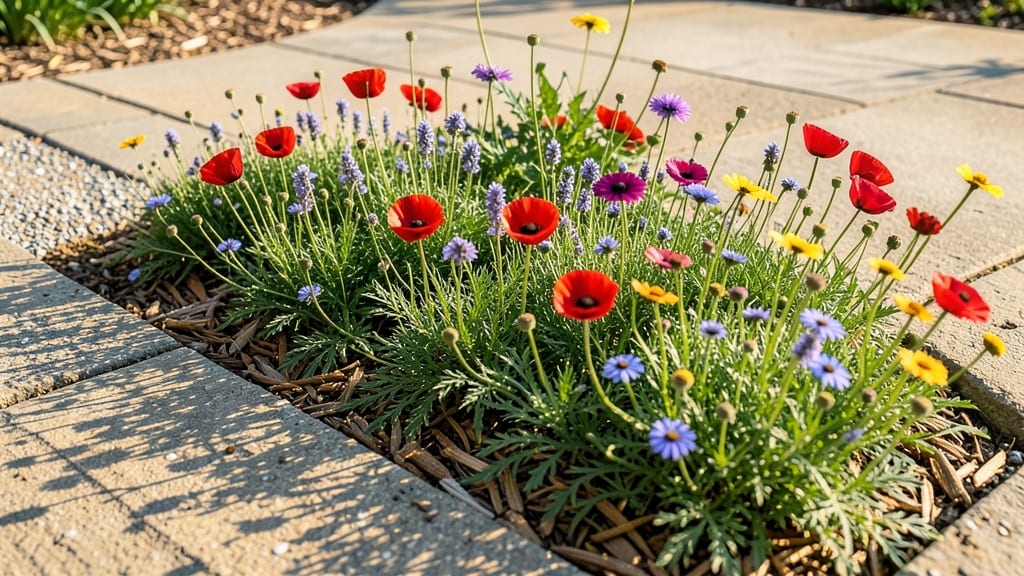
Tired of wildflower beds that sprawl uncontrollably or overwhelm your garden design? Low-growing wildflower edging solves this with precision—creating clean, colorful borders that stay contained while adding charm to pathways, garden edges, or even container gardens.
Choose compact varieties like creeping thyme, alyssum, or dwarf coreopsis, which top out at 6-12 inches tall. These thrive in full sun to partial shade and require minimal trimming, making them ideal for urban balconies or small yards. Mix in lavender for fragrance or sweet alyssum for pollinators to boost their appeal.
Perfect for beginners or gardeners with limited space, this edging adds polish without the upkeep of manicured hedges. It’s the secret to a polished look with zero fuss! 🌿
Seasonal Succession Wildflower Mix
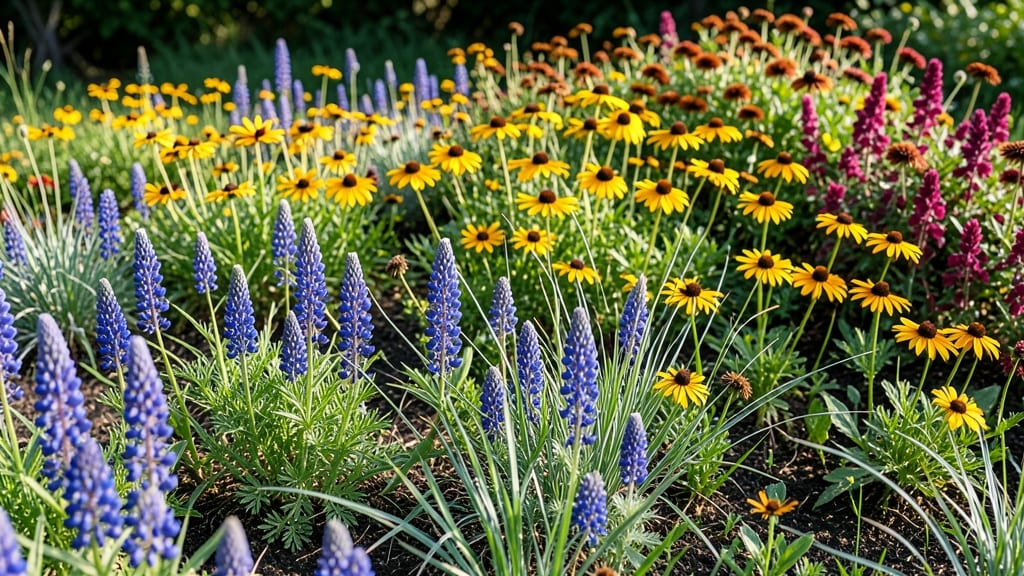
Tired of replanting wildflowers every year just to keep your garden colorful? A seasonal succession wildflower mix solves that problem by blooming in three distinct waves—spring, summer, and fall—so your garden stays vibrant without extra work.
This clever mix combines early bloomers like lupines and sweet peas with mid-season favorites such as black-eyed Susans and late-season stars like asters. Each variety is timed to take over as the last one fades, ensuring a nonstop parade of color from April through October. Simply scatter the seeds once, water lightly, and watch nature do the rest.
Perfect for gardeners who love beauty but hate maintenance, this mix thrives in full sun to partial shade and attracts pollinators all season long. 🌻
Wildflower Bed for Children’s Play Areas
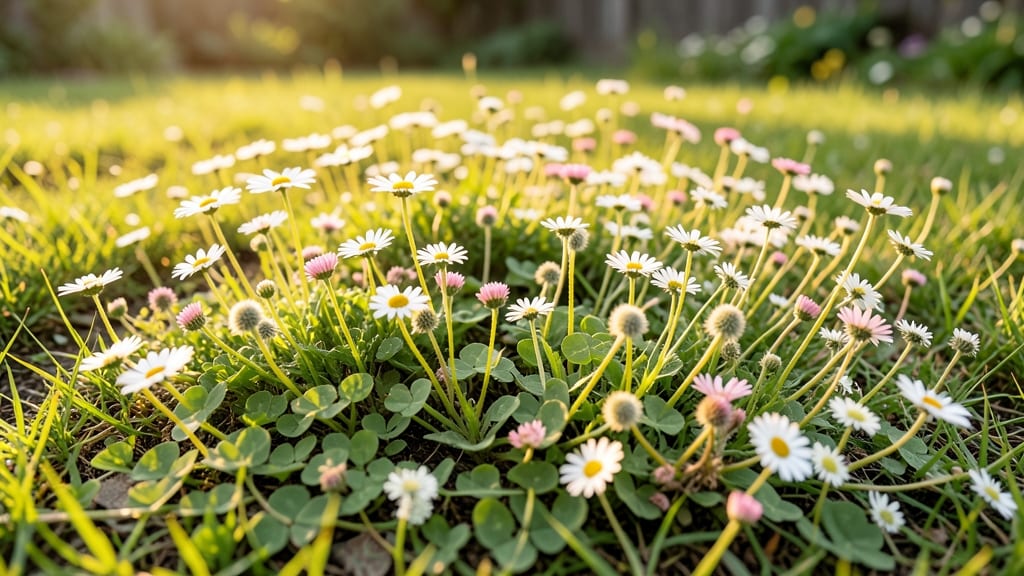
Turn your backyard into a kid-friendly paradise with a wildflower bed designed for little explorers. Skip the prickly plants—this mix features non-toxic blooms like daisies, clover, and chickweed, perfect for bare feet and curious hands.
These soft, low-growing flowers thrive in partial sun and require almost no maintenance, making them ideal for busy families. Scatter seeds in early spring or fall, lightly rake the soil, and let nature take over. Kids will love the bright colors and textures, while you enjoy the effortless beauty.
This playful design is perfect for urban gardens, schoolyards, or suburban backyards—anywhere children can safely play and learn. 🌻
Vertical Wildflower Garden Trellis
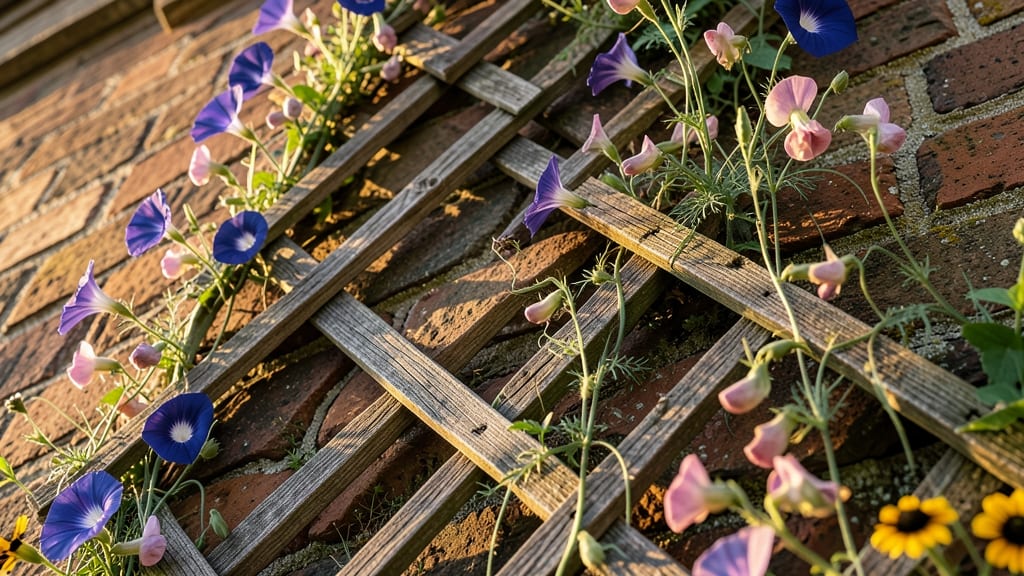
Turn blank walls or fences into a living canvas with a vertical wildflower trellis—where climbing wildflowers like morning glories and sweet peas paint your space with vibrant color. This space-saving solution is perfect for urban balconies, small patios, or even bare walls craving a touch of nature.
Start by installing a sturdy trellis or lattice panel, then plant fast-growing vines at the base. For maximum impact, choose varieties that bloom in succession—morning glories for summer drama and sweet peas for spring fragrance. Water regularly until established, then enjoy low-maintenance beauty that attracts pollinators while adding vertical interest. 🌻
Winter-Interest Wildflower Seed Mix

When most gardens look like bare landscapes in winter, your bed can stand out with a winter-interest wildflower mix. This specialized blend combines evergreen foliage, striking seed pods, and late-blooming stars like hellebores to keep your space lively even when snow falls.
Plant this mix in partial shade to full sun, where it thrives with minimal care—just occasional watering after establishment. The textural contrast of dried seed heads against glossy evergreen leaves creates visual interest, while hellebores bloom in early spring. It’s perfect for gardeners who want structure without summer’s high-maintenance demands.
This is the ideal solution for urban gardeners with limited space or anyone seeking year-round beauty without replanting. 💚