
Landscaping
Maximize your small outdoor space with these 10 creative raised bed garden designs. Perfect for urban patios, balconies, or tight yards, these layouts help you grow more food and flowers while saving space and improving soil quality.
Tiered Raised Bed for Vertical Growth
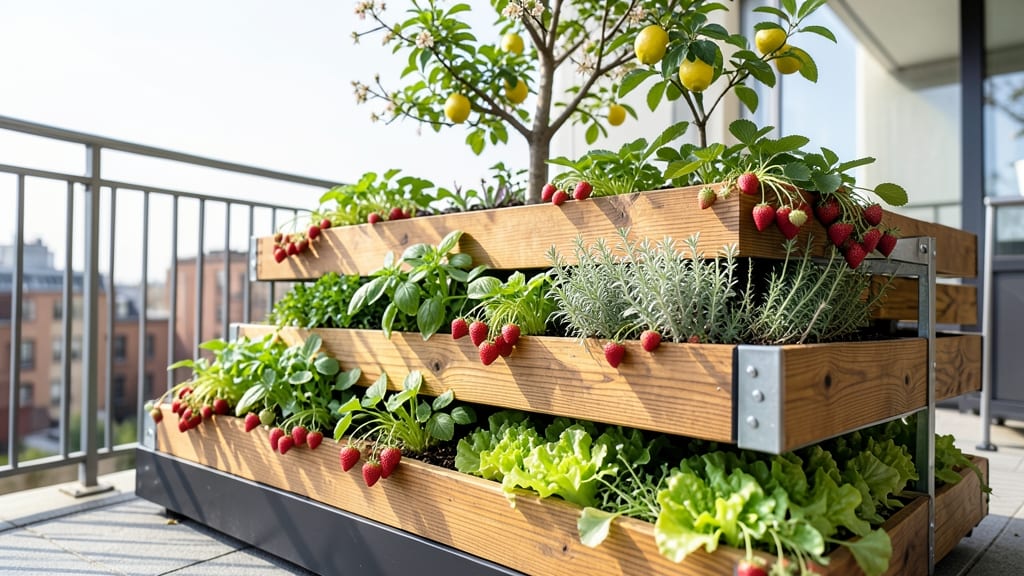
If your backyard or balcony feels too small for traditional raised beds, a tiered raised bed transforms limited space into a vertical garden oasis. This design lets you grow herbs, lettuce, strawberries, and even dwarf fruit trees in stacked layers, all while keeping your footprint minimal.
Start with three levels, spacing each tier at least 12 inches apart to allow airflow and easy access. The top layer is perfect for sun-loving herbs like basil and thyme, while the middle tier thrives with leafy greens such as spinach or kale. Strawberries or shallow-rooted veggies like radishes can flourish on the bottom. Use cedar or composite lumber for durability, and ensure each layer has proper drainage by lining the bottom with landscape fabric.
This design is a game-changer for urban gardeners, renters, or anyone with limited space—it maximizes yield without sacrificing accessibility. Plus, the layered look adds visual interest to any garden. 🌱
Spiral Herb Garden Raised Bed
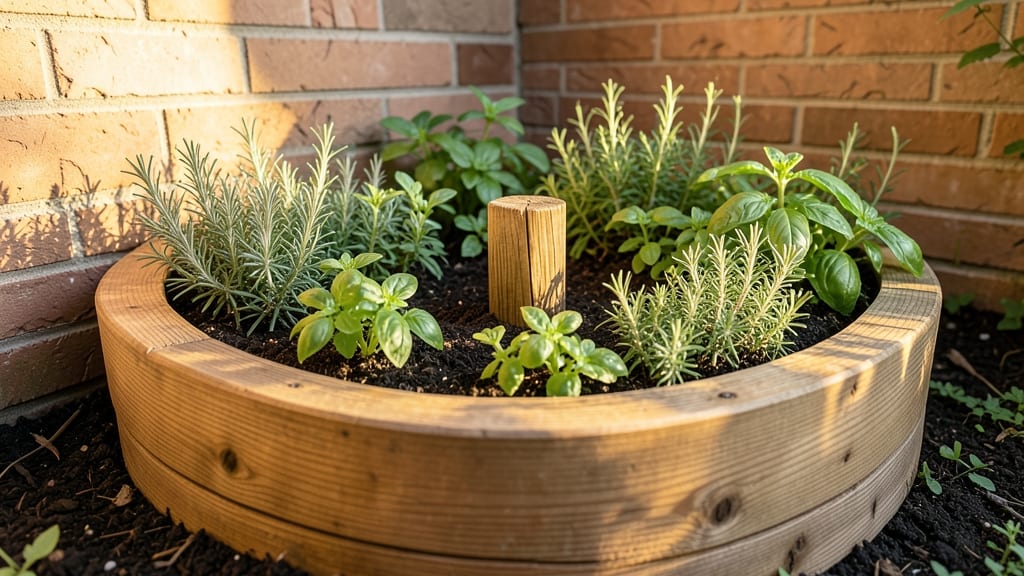
Transform your corner or patio into a fragrant, efficient herb haven with a spiral herb garden raised bed. This compact design fits snugly against walls or in tight spaces while maximizing sunlight exposure for every plant—no wasted corners or uneven growth here.
The spiral shape ensures all plants receive even moisture distribution, reducing water waste by up to 30% compared to traditional beds. Plant sun-loving herbs like rosemary and thyme along the outer curve (where they get the most light) and shade-tolerant parsley or cilantro in the inner sections. Cedar wood naturally resists rot, making it ideal for this low-maintenance design that lasts for years.
Perfect for urban gardeners or anyone with limited space, this bed turns unused corners into a self-sustaining herb garden that’s both beautiful and practical. 🌿
Square Foot Gardening Layout
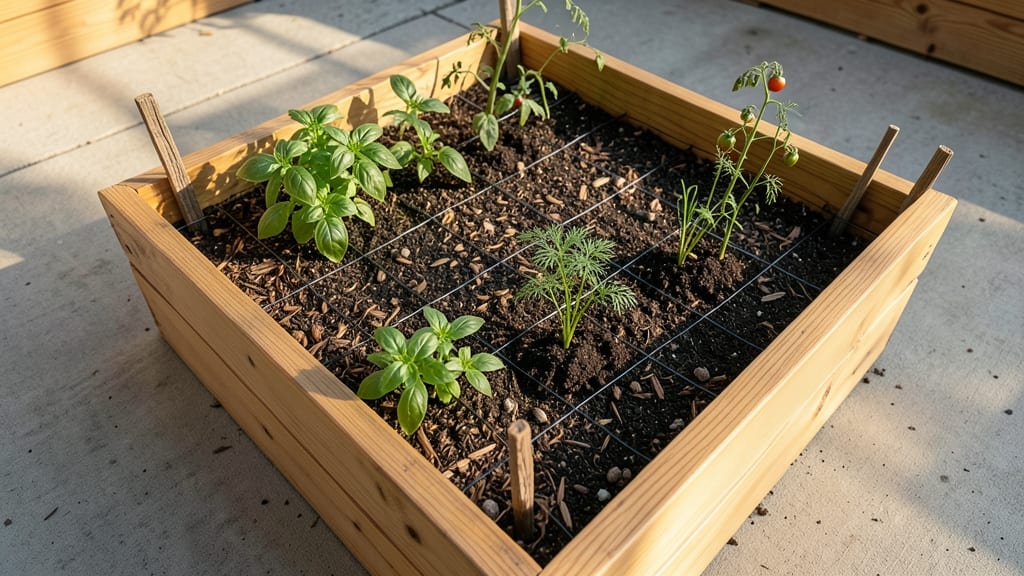
If you’ve ever struggled to fit all your favorite plants into a tiny space, square foot gardening might be your solution. This method divides your raised bed into a grid of 1-foot squares, each dedicated to a specific crop—no wasted space, just maximum productivity!
Start by marking your bed with string or wooden stakes to create a grid. Then, use a planting chart to assign crops to each square based on their mature size—16 carrots, 1 tomato plant, or 9 radishes per square, for example. This system works beautifully for beginners because it eliminates guesswork about spacing and rotation, while still delivering high yields in small areas.
Perfect for urban gardeners or anyone with limited room, this layout also makes crop rotation and maintenance a breeze. Just swap out plants seasonally to keep your soil healthy and your harvests bountiful! 🌱
Window Box Style Raised Bed
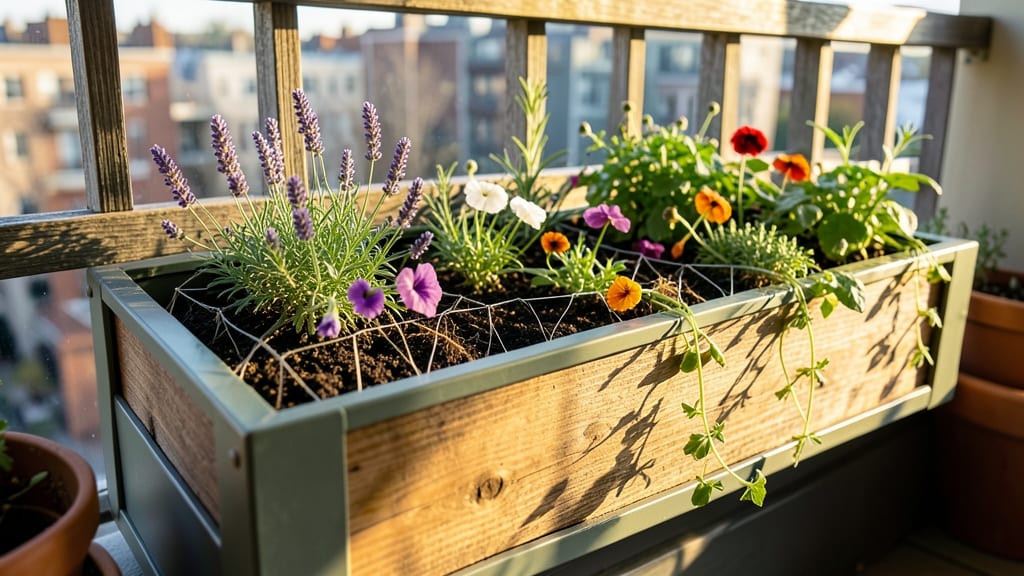
Transform your balcony or patio into a charming urban garden with a window box style raised bed—the perfect blend of traditional window box aesthetics and functional depth. Unlike shallow window boxes, these elongated beds (typically 12-18 inches deep) let you grow both shallow-rooted flowers and deeper vegetables like carrots or beets side by side.
Mount them along railings, walls, or freestanding on legs for year-round growing. Use lightweight materials like cedar or composite wood to avoid overloading small spaces. Plant fast-growing radishes on one end and trailing nasturtiums on the other for a pop of color and edible beauty. Watering is efficient—just ensure the bed has drainage holes to prevent soggy roots.
This design is ideal for urban gardeners with limited space who want both beauty and bounty. The narrow shape makes it easy to maintain while adding curb appeal to any small outdoor area. 🌻
Keyhole Garden Design
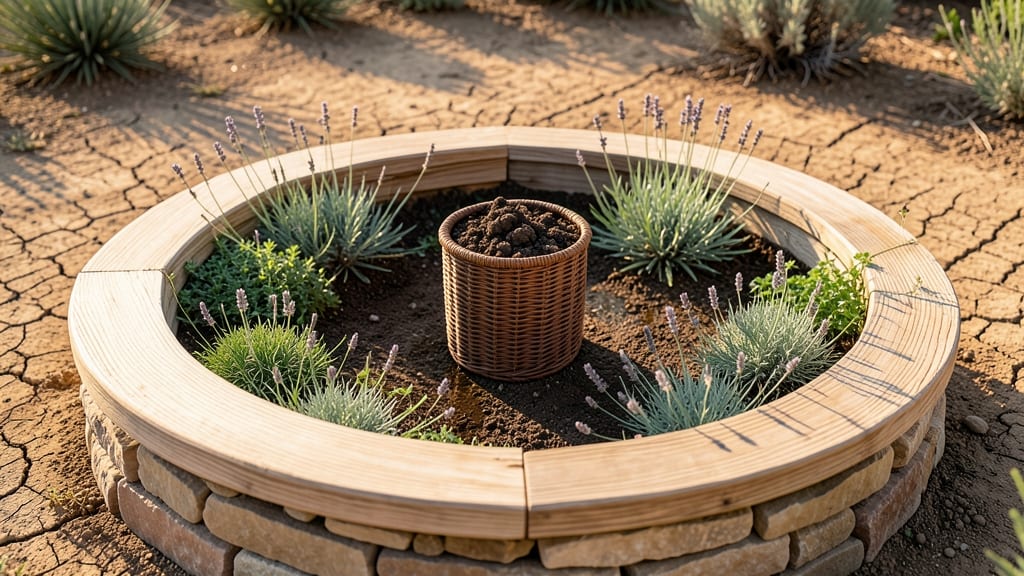
If you're struggling with dry conditions but still want a thriving garden, the keyhole garden design is your answer. This circular raised bed features a central compost basket that acts as a moisture reservoir, keeping roots hydrated while reducing water waste—ideal for drought-prone areas.
Build yours with a 3-foot diameter base and surround the compost basket with layers of cardboard, straw, and soil. Plant leafy greens like kale and spinach near the edges where moisture lingers, while root crops like carrots thrive in the drier outer ring. The design also makes harvesting easier with its compact, accessible layout.
Perfect for urban gardeners or small yards, this low-maintenance design turns compost into a resource rather than waste. Try it to grow more with less water! 🌱
Stacked Planter Raised Bed
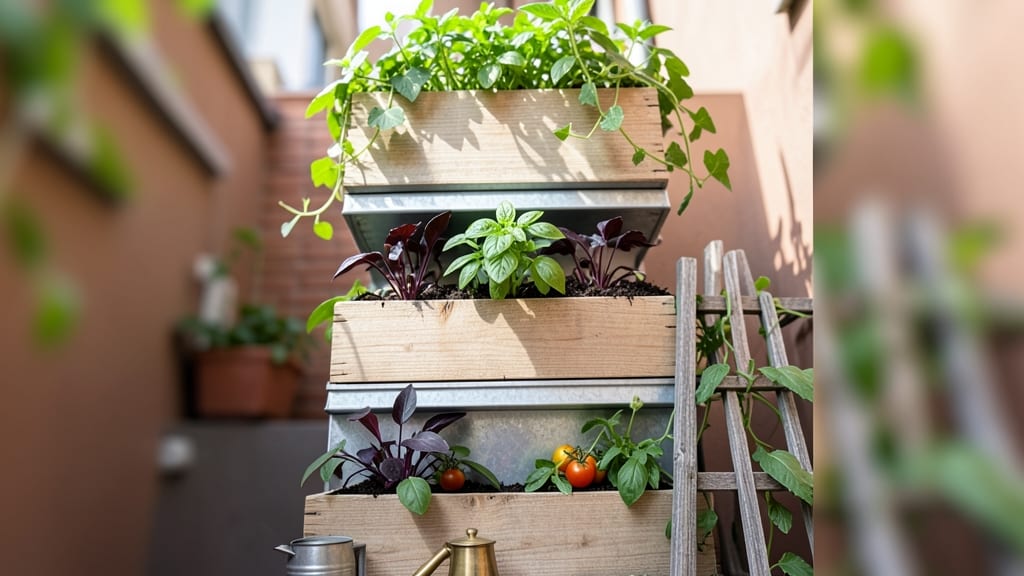
If you’ve ever dreamed of gardening but thought you lacked space, stacked planter raised beds turn vertical space into your biggest asset. This modular system lets you stack planters—like building blocks—to create a customizable, space-saving garden that fits almost anywhere, from balconies to patios.
Each tier can be filled with different plants—herbs on the top for easy access, flowers in the middle for pollinators, or vegetables like cherry tomatoes at the bottom. Use lightweight materials like cedar or metal to avoid overloading surfaces, and ensure each planter has drainage holes. Rotate plants seasonally to keep your garden thriving year-round.
Perfect for renters or urban gardeners, stacked beds require minimal footprint while maximizing yield. Plus, you can disassemble and move them as needed—ideal for those who love flexibility! 🌱
Mesa Garden Raised Bed
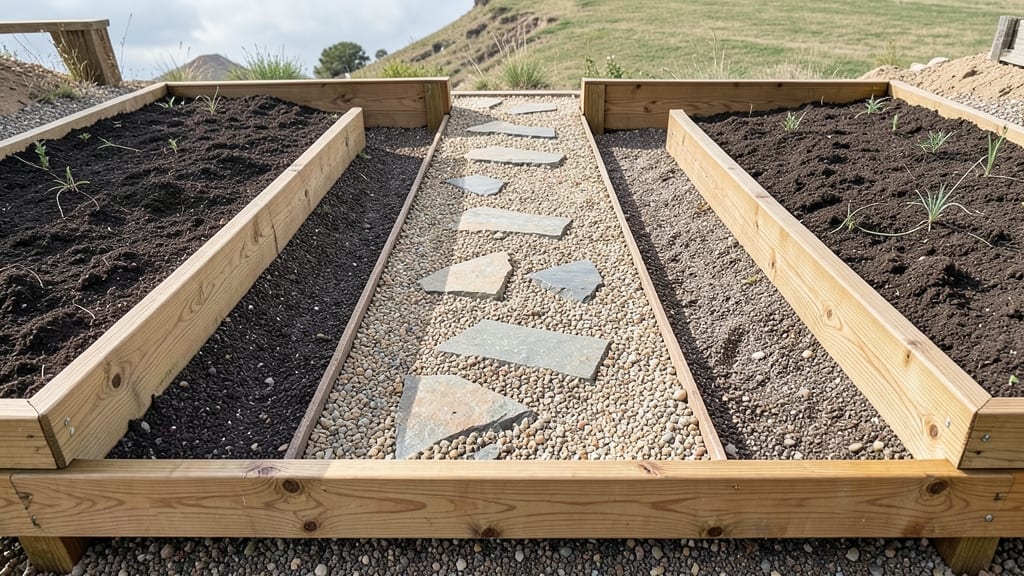
Tired of cramped pathways that turn your raised bed into a muddy mess? The mesa garden raised bed solves this by combining a central walkway with surrounding planting areas—think of it as a built-in garden path that keeps your soil dry and your feet clean.
This design works especially well for larger crops like zucchini, pole beans, or sunflowers, which need space to sprawl without trampling nearby plants. Line the walkway with gravel or stepping stones to prevent erosion and add a polished look. The key is spacing: leave at least 18-24 inches between the walkway and plant edges for easy access and airflow. Perfect for gardeners who love low-maintenance pathways and want to grow more without sacrificing comfort. 🌻
Hanging Pocket Raised Bed
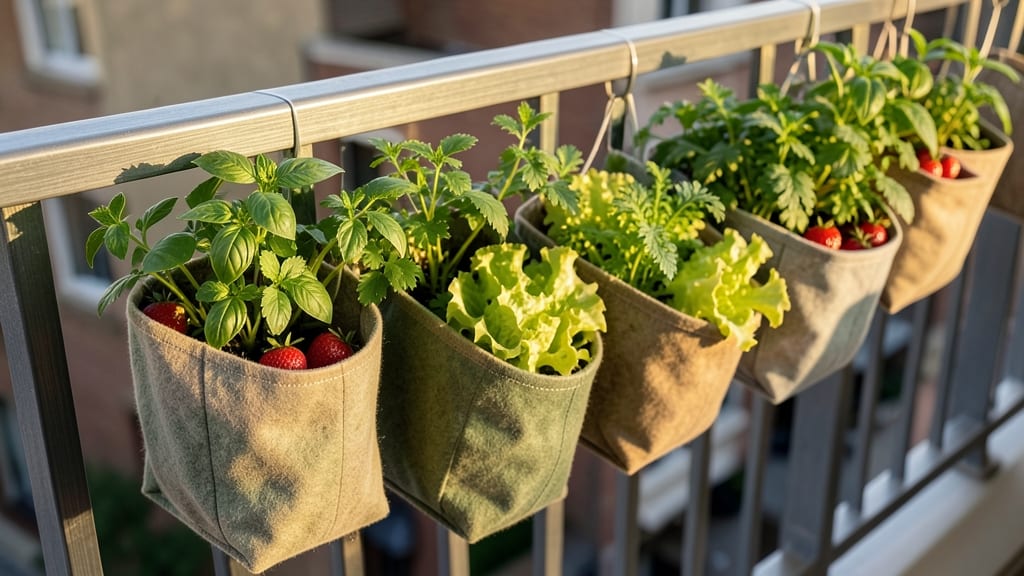
Turn your balcony or porch into a thriving garden without heavy raised beds or digging—hanging pocket raised beds are the lightweight solution you’ve been waiting for. These modular systems use individual fabric or felt pockets to grow herbs, lettuce, and strawberries in a fraction of the space, making them perfect for renters or small urban areas.
Each pocket holds its own soil mix, allowing you to customize moisture levels for different plants. For example, strawberries thrive in the deeper pockets, while basil and lettuce do well in shallower ones. The pockets can be arranged in rows or clusters, and the entire system hangs from walls, railings, or even tree branches—no weight-bearing floors required. Watering is efficient too, as the pockets drain quickly and prevent overwatering.
This design is ideal for urban gardeners who want fresh produce but lack space or structural support. Plus, the pockets are easy to swap out, so you can rotate crops seasonally without replanting entire beds. 🌱
Spiral Vegetable Raised Bed
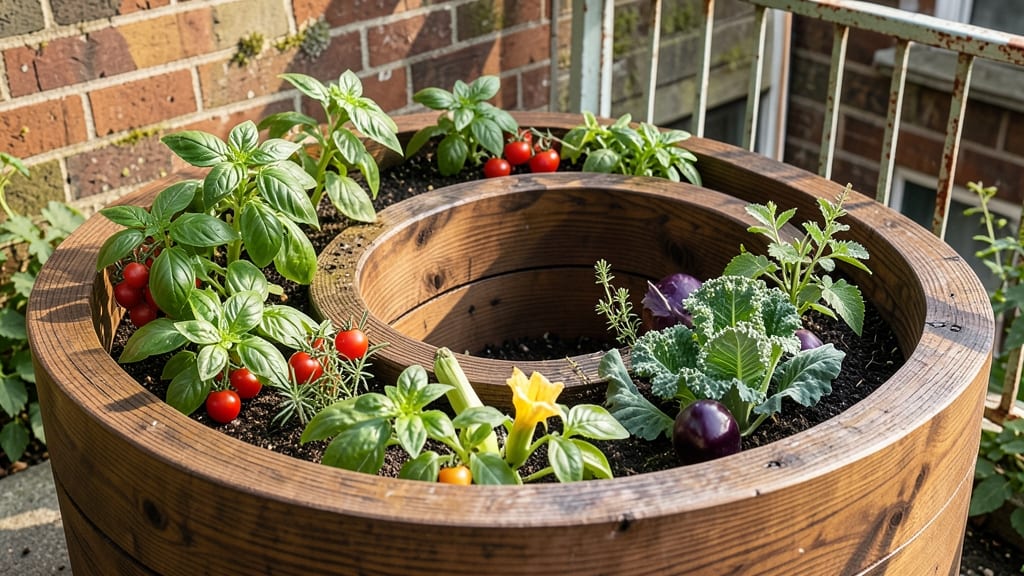
Turn your tiny urban plot into a thriving vegetable oasis with a spiral vegetable raised bed—the perfect solution for growing more in less space. This clever design eliminates wasted corners while ensuring every plant gets the sunlight and nutrients it craves, making it ideal for balcony gardens or postage-stamp backyards.
Start by building a circular bed with a 3-4 foot diameter, then create a gentle spiral path from the outer edge inward. Plant fast-growing crops like radishes and lettuce near the outer edge where they’ll get the most light, while spinach and carrots thrive in the shadier inner curves. The spiral shape naturally directs water toward the center, reducing evaporation and keeping roots hydrated. For best results, use well-draining soil mixed with compost and rotate crops annually to prevent disease.
This design is a game-changer for urban gardeners who want a high-yield, low-maintenance solution without sacrificing aesthetics. Plus, the spiral’s organic shape adds a whimsical touch to any small garden. 🌱
Pallet Wood Raised Bed

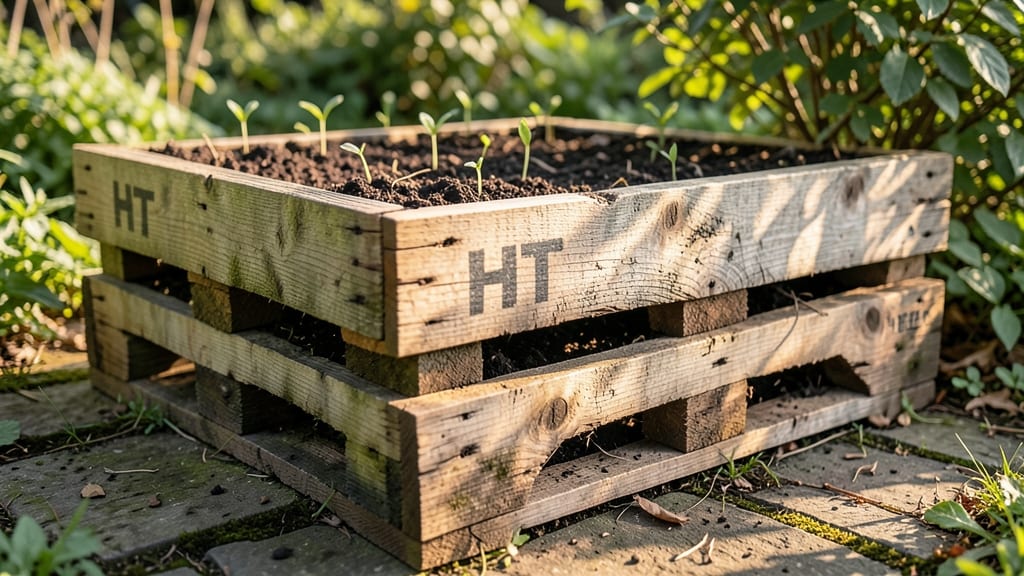
Turn unwanted wooden pallets into a rustic, functional raised bed without breaking the bank. This eco-friendly design repurposes materials you might already have, giving your garden a unique, sustainable edge while keeping costs low.
Start by selecting heat-treated pallets (marked "HT" for safety) and disassemble them into planks. Line the bottom with landscape fabric to prevent weeds, then fill with a mix of topsoil and compost for nutrient-rich growth. This design works perfectly for herbs like basil and thyme, flowers like marigolds, or small veggies like lettuce and radishes.
Ideal for beginners or those on a budget, pallet beds add charm while reducing waste. Just ensure proper drainage by adding gravel at the bottom—your garden (and the planet) will thank you! 🌿