
Plants
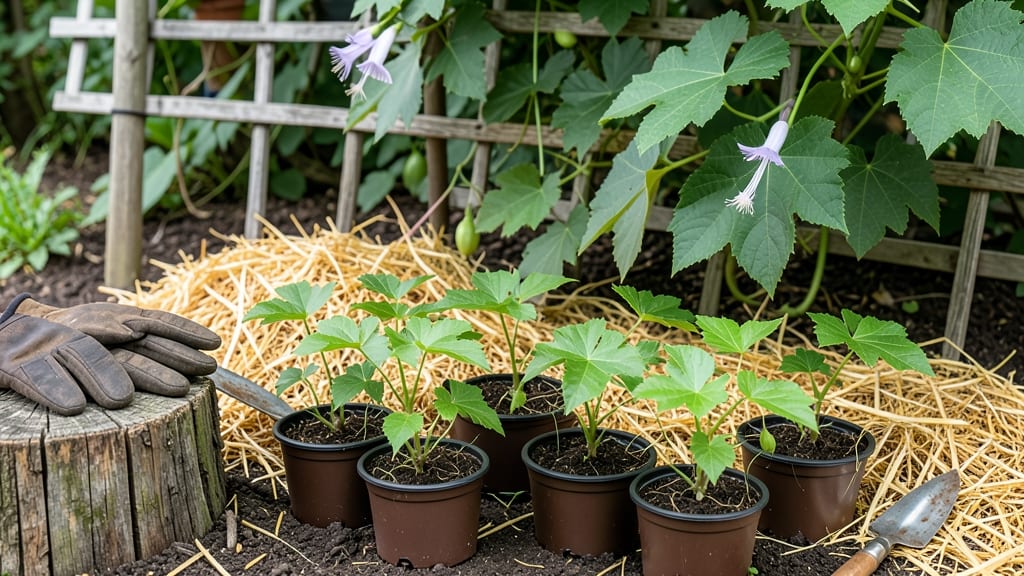
To plant passion fruit 🍈 in Melbourne, aim for September–November or February–March when soil warms and frost risks fade—these windows are your ticket to thriving vines and a bountiful harvest.
Melbourne’s unpredictable climate can make or break your passion fruit harvest—but timing your planting just right ensures lush vines and sweet, juicy fruit. Whether you’re tackling coastal breezes or inland heat, the right schedule makes all the difference.
Passion fruit vines love Melbourne’s long summers, but they need a strong start. Planting in spring (September–November) gives roots time to establish before the heat kicks in, while late-summer (February–March) sets you up for a spring harvest. Both strategies work—it’s all about matching your local microclimate.
Below, I’ll break down the best months for your specific zone, soil prep tips to beat Melbourne’s frost risks, and whether to start from seed or nursery stock for the fastest results. Ready to grow your own tropical treats?
Best planting months for passion fruit in Melbourne’s climate zones
Melbourne’s three distinct climate zones—coastal, inland, and cold-climate areas like the Dandenongs—each demand different passion fruit planting strategies. While the city enjoys 300+ frost-free days, microclimates create critical timing differences for your vines.
I’ll break down the ideal planting windows for each zone, including soil temperature thresholds and frost risk periods to ensure your passion fruit thrives.
Passion fruit vines (Passiflora edulis and related species) are tropical at heart but surprisingly adaptable to Melbourne’s USDA Zone 9a-10a. The key is planting when soil temperatures consistently stay above 15°C (59°F)—this triggers root growth and sets up vigorous vines for summer fruiting.
In coastal areas, this happens by late August, while inland zones like Sunbury may need to wait until mid-September.
Here’s the summary table for Melbourne’s planting zones, including seed vs. young plant timing and frost risk periods:
For young passion fruit plants, I recommend planting in spring (September–November) to give vines time to establish before Melbourne’s hot, dry summers. This window aligns with soil warming and avoids late-winter frosts, which can stunt growth.
If you’re starting from seeds, begin indoors in September—they’ll need 20°C+ soil to germinate, which is rare outdoors until late spring.
In coastal Melbourne, where winters are milder, you can also plant in late summer (February–March) for a second harvest cycle. The Banana passion fruit (Passiflora tripartita), in particular, benefits from this timing, as it tolerates slightly cooler soils.
However, avoid planting after mid-March—vines need 6–8 weeks to harden off before summer’s intensity.
Inland and cold-climate gardeners should prioritize October–November planting to avoid unpredictable frosts that can occur as late as June in areas like the Dandenongs. If you’re in a frost-prone zone, choose a sheltered, north-facing spot or use container growing to move plants indoors during cold snaps.
I’ve had success with black plastic mulch around the base—it raises soil temperatures by 2–3°C, accelerating root growth.
Pro tip: Test your soil temperature before planting using a soil thermometer. Passion fruit roots struggle below 15
How Melbourne’s weather affects passion fruit growth (and how to adapt)
Melbourne’s unpredictable weather—from sudden frost warnings to scorching heatwaves—can throw off your passion fruit vines if you’re not prepared. While Melbourne’s frost-free days (over 300 annually) give passion fruit a fighting chance, soil moisture and wind exposure are the real game-changers for success.
The key? Adapting your care routine to match Melbourne’s seasonal swings, whether you’re growing in containers or in-ground.
Passion fruit vines thrive in warmth and humidity, but Melbourne’s cool winters and dry summers can stunt growth or reduce fruiting. For example, inland areas like Bendigo experience colder nights, while coastal zones (like Frankston) stay milder.
Even a single frost can kill young vines, so knowing how to protect your plants is non-negotiable. Let’s break down the biggest challenges and how to outsmart Melbourne’s climate.
⚠️ Melbourne’s Frost Risk: A Silent Killer
When to plant passion fruit in Melbourne: Avoid planting before mid-September in colder zones (e.g., Yarra Valley), as late frosts (rare but possible) can damage young vines. For coastal areas, August is safer, but always use frost cloth as a precaution. Late summer planting (Feb-March) is ideal for a spring harvest and avoids frost entirely.
One of the easiest ways to buffer against Melbourne’s temperature extremes is by using mulch. A 5-7cm layer of organic mulch (like straw or wood chips) keeps soil moisture consistent and insulates roots from heat stress in summer or cold snaps in winter.
For container-grown passion fruit, mulch also prevents roots from overheating in black plastic pots. Pro tip: Replenish mulch every 3-4 months to maintain its protective layer.
Melbourne’s prevailing winds, especially in open suburban areas, can desiccate leaves and stunt growth. If your garden is exposed, install a windbreak (like a trellis with bamboo screening) to shield vines.
For in-ground planting, position your trellis against a north-facing wall to maximize sun exposure while blocking wind. Container growers should place pots near a fence or hedge for natural protection.
Watering is another make-or-break factor in Melbourne’s climate. Passion fruit vines need deep, infrequent watering—about 1-2 gallons per plant every 3-5 days in summer. However, overwatering in winter can lead to root rot, especially in heavy clay soils common in Melbourne’s suburbs.
Use a moisture meter to check soil levels before watering, and always water in the early morning to reduce evaporation and fungal risks.
For container planting, adjust your approach: pots dry out 3x faster than in-ground soil, so monitor moisture daily in summer heatwaves.
Add hydrating crystals to the planting mix to retain water, and choose larger containers (30+ liters) to stabilize soil temperature. In-ground vines, on the other hand, benefit from drip irrigation to deliver water directly to roots, saving up to 40% more water than overhead sprinklers.
Finally, prune strategically to adapt to Melbourne’s seasons. In late winter (August), trim back weak or damaged growth to encourage spring vigor. During summer’s heat, light pruning improves airflow and reduces pest stress.
And if your vines struggle in cool autumn months, a light fertilizer boost (like fish emulsion) can extend the growing season. With these adjustments, your passion fruit vines will thrive year-round—no matter what Melbourne throws at them. 🌱