
How To
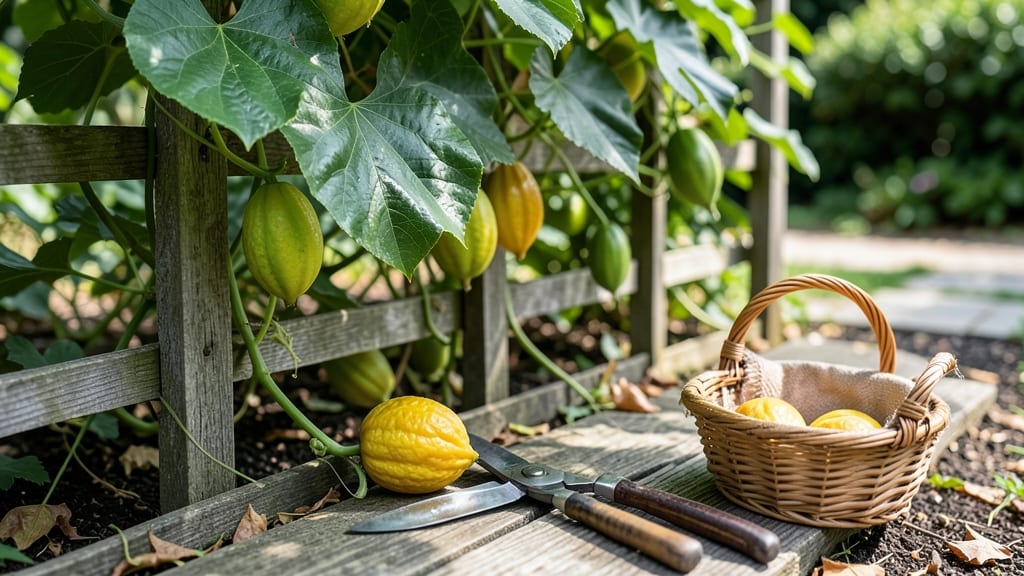
Harvesting passionfruit at the right time means the difference between juicy, sweet fruit and something bland or mealy.
Picture this: you’ve waited months for your passionfruit vine to produce, and now the fruit is changing color—but is it ready? Picking too early means tart, unripe fruit, while waiting too long can turn your harvest into a mushy mess.
The key is knowing the three perfect signs that tell you it’s time to pick.
In General (Tropical/Subtropical Regions), where passionfruit thrives in zones 9a-11, timing matters even more. Some varieties ripen in as little as 6 months, while others take nearly a year.
Below, I’ll break down the visual and physical cues that guarantee your fruit is at its peak—so you never miss the window again.
You’ll also discover how to test for ripeness with just your hands, avoid common mistakes that ruin flavor, and even troubleshoot if your fruit isn’t ripening on the vine. Ready to turn your passionfruit harvest into a flavor-packed success?
3 Visual and physical signs passionfruit is ripe for picking
Passionfruit vines can produce fruit year-round in warm climates, but knowing exactly when to harvest makes all the difference. Picking too early means tart, underripe fruit, while waiting too long risks overripe, mushy disappointment. The key lies in three clear visual and physical cues that guarantee peak flavor and texture.
I’ve learned from years of growing passionfruit that color, size, and texture work together like a perfect trio. Miss one, and you might end up with fruit that’s either too sour or too soft. Let’s break down these unmissable signs so you can harvest at the perfect moment.
One mistake I made early on was harvesting based on size alone. I thought bigger always meant riper, but some passionfruit varieties grow large while staying hard and sour inside. Always check the color and texture first—this combo is foolproof.
Another pro tip: Harvest in the morning when temperatures are cooler. This prevents bruising and helps the fruit stay fresher longer. I’ve found that morning-picked passionfruit ripen faster indoors if stored at room temperature.
If you’re growing purple passionfruit (like ‘Panama Yellow’ or ‘Mollendo Black’), watch for deep purple or maroon hues. Yellow varieties (like ‘Golden Passionfruit’) should turn bright golden-yellow with no green. Ignoring these color cues is how you end up with underwhelming flavor.
For those in cooler subtropical zones, timing matters even more. Passionfruit vines slow down in winter, so harvest only what’s fully ripe—don’t force it. In tropical climates, you might get two harvests per year, but always prioritize ripeness over quantity.
Finally, avoid the temptation to pick early for storage. Passionfruit doesn’t ripen well off the vine—it’s best enjoyed fresh and at peak ripeness.
If you must store them, place them in a paper bag with a banana to speed up ripening, but eat them within 3-5 days for the best taste.
Master these three signs, and you’ll never miss the perfect passionfruit again—juicy, sweet, and bursting with flavor. Happy harvesting! 🍈
How to test passionfruit ripeness: the smell and touch method
Passionfruit ripeness isn’t always obvious—unlike tomatoes, you can’t rely solely on color. The scent test and gentle squeeze are your secret weapons for perfect timing. A ripe passionfruit releases a sweet, tropical aroma when gently crushed, while an unripe one smells bland or slightly bitter.
This sensory trick works even if the fruit looks ready but isn’t quite there yet.
Start by examining the fruit’s stem end. When fully ripe, it’ll turn brown and dry, almost papery to the touch. This is nature’s way of telling you the sugars have fully developed inside.
If the stem still looks green or moist, the fruit needs more time—sometimes 2-4 weeks longer, depending on your climate.
The touch test is where most gardeners go wrong. A ripe passionfruit should feel slightly soft—like a plum, not a watermelon. Press gently: if it gives just a little but doesn’t feel mushy, it’s ready.
If it’s rock-hard, it’s too soon. Overripe fruit becomes squishy and seedy, losing its vibrant flavor. Think of it as the Goldilocks zone—just right!
If your passionfruit passes the smell and touch tests but still doesn’t detach easily, it might need 1-2 more days on the vine. Twist gently while holding the fruit—it should release without resistance.
Forcing it off too soon can damage the vine’s energy flow, reducing next year’s yield. Patience here means sweeter, juicier fruit later.
What if your fruit isn’t ready yet? Don’t panic—passionfruit vines often produce two harvests per year in tropical climates. Monitor your vine daily, especially during peak fruiting seasons (spring and fall).
Keep the soil consistently moist (not soggy) and feed with a high-potassium fertilizer every 6-8 weeks to encourage sweetness.
Once you master these sensory cues, you’ll never waste another passionfruit again. The key is combine all three tests: color, scent, and touch. When they all align, you’ve got a perfectly ripe fruit—ready to slice open and enjoy that tropical burst of flavor. 🍈