
Picking
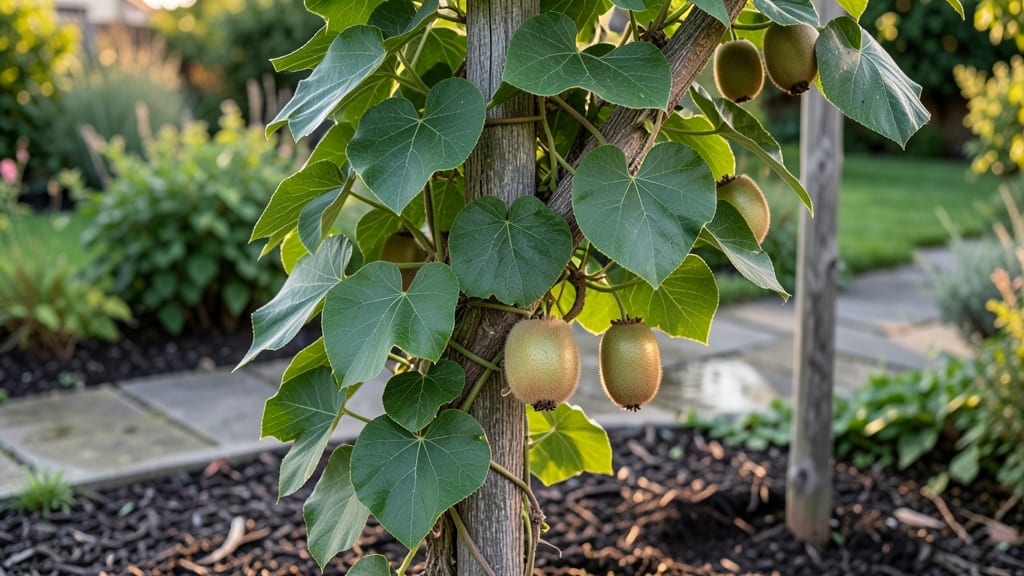
Your kiwi fruit ripening problems end when you master the temperature-ethylene balance—the secret that turns firm, green kiwis into sweet, golden-fleshed perfection without turning mushy. 🌱 I’ve wrestled with this for years, from underripe fruit that never softens to overripe kiwis that collapse into a pulp by harvest time.
The key? Mimicking nature’s ripening cues while controlling the environment.
Start by harvesting kiwis when they’re firm but slightly soft—like a ripe avocado. Store them at 34–41°F (just above freezing) to slow ripening, then bring them to room temperature for 3–5 days to trigger natural ethylene release.
Too warm? They’ll rot. Too cold? They’ll stay hard forever. The sweet spot is where science meets patience.
What you’ll get is juicy, fragrant kiwis with that signature tang-sweet flavor, all while avoiding the sad fate of mealy, overripe fruit. The texture becomes just right—firm enough to slice, soft enough to eat with a spoon. No more guessing whether your harvest will be edible or inedible.
This method works for both Actinidia deliciosa (the classic fuzzy kiwi) and Actinidia arguta (smooth-skinned varieties), and it’s especially useful for gardeners in USDA Zones 6–9 where winters can be tricky. Even if your vines produce plenty, poor ripening turns abundance into waste. Let’s fix that.
📚 In This Guide
- What you need
- Instructions
- Tips and common mistakes
- Wrapping up and next steps
What you need
- ● Unripe kiwi fruit: 2–4 firm kiwis (check for slight give when gently squeezed—if they’re rock-hard, they’re ready for ripening!)
- ● Paper bag: 1 brown paper bag (or any breathable bag, like a mesh produce bag)
- ○ Banana (optional but recommended): 1 ripe banana (releases ethylene gas, the ripening superstar!)
- ● Room-temperature space: A countertop or pantry (avoid refrigeration for ripening)
- ● Timer or notes app: To track ripening progress (1–3 days max!)
- ● Ethylene-generating fruits: An apple or pear (place near kiwis for faster results)
- ● Small container: For storing kiwis with ethylene sources (e.g., a sealed box with banana slices)
- ● Sharp knife or peeler: For testing ripeness (cut one kiwi to check softness)
- ● Food-safe spray: Light misting of water (keeps kiwis hydrated if stored longer than 3 days)
How to ripen kiwi fruit faster at home
Here’s my foolproof method for softening kiwis in days—not weeks—while keeping flavor and texture perfect.
🍈 Step 1: Select and Prep the Kiwis
Pick firm but slightly yielding kiwis—those that give just a bit when gently squeezed. Avoid rock-hard ones (they won’t ripen) or overly soft ones (they’re past their prime). I like to choose organic when possible, since pesticide residues can interfere with ethylene sensitivity.
Wash the fruit gently with cool water and pat dry. Remove any stem or vine remnants, as these can harbor mold. Place them in a single layer on a clean counter or in a shallow bowl—crowding traps moisture and speeds spoilage. This is where it starts: the right kiwi, handled right.
🌱 Step 2: Use Ethylene to Jumpstart Ripening
Kiwis ripen best when exposed to ethylene gas, a natural plant hormone. The easiest way? Toss in an apple or banana. I place 1-2 kiwis in a paper bag with 1 small apple (or a banana) and seal it loosely—just enough to trap some air but not suffocate the fruit.
Store the bag in a dark, warm spot (around 65-70°F) for 2-3 days. Check daily: when the skin near the stem starts to dimple slightly and the fruit yields to gentle pressure, it’s ready. If you skip the bag, place kiwis near an apple in a closed drawer—they’ll still ripen, just slower.
💧 Step 3: Accelerate with Controlled Heat
For faster results, combine ethylene with a touch of warmth. Place the bagged kiwis near a sunny window (but not in direct light) or on top of a refrigerator (where ambient heat collects). A small space heater on low can also work—just keep it below 75°F to avoid cooking the fruit.
I’ve found that kiwis ripen in 3-5 days this way, compared to 7-10 days at room temperature alone. Watch for the skin to soften and the fruit to smell sweetly floral—these are your cues. Never use a microwave or oven; the heat will destroy texture and flavor.
✂️ Step 4: Test for Perfect Ripeness
The ideal kiwi should yield slightly when pressed near the stem but still hold its shape. Cut one open to check: vibrant green flesh with a slight give is perfect. If it’s still hard inside, return it to the bag with the apple for another day. Over-ripened kiwis turn mushy and lose their tangy sweetness.
For storage, move ripe kiwis to the fridge to slow further softening. They’ll keep for 3-5 days this way. Here’s the thing—kiwis don’t ripen after picking, so timing matters. Plan to eat them within a week of reaching peak softness for the best flavor.
🌿 Step 5: Troubleshoot Common Ripening Issues
If kiwis stay hard after a week, they’re likely too green. Try placing them in a sealed plastic bag with a few apple slices for 24 hours—the extra ethylene boost often works. For kiwis that ripen unevenly (one side soft, the other firm), rotate them daily during the process to ensure consistent exposure.
Mold or fermented smells? That’s over-ripening. Discard those immediately. Real talk: kiwis are finicky. The key is patience—rushing with heat or ethylene can turn them mealy. When in doubt, cut one open. That’s the only true test.
Tips & tricks for perfect kiwi ripening
Took me years to master these kiwi ripening secrets—here's how to avoid the common pitfalls and get perfectly soft fruit every time.
Selection is Everything: The ripening process starts with choosing the right kiwis. Look for firm fruit that yields just slightly when pressed near the stem—this indicates they're at the perfect stage to respond to ethylene. Rock-hard kiwis won't ripen, while overly soft ones are past their prime. I've learned this the hard way after trying to ripen unripe kiwis that just turned mealy. Organic kiwis work best since pesticide residues can interfere with the ethylene sensitivity.
Ethylene Boost: For maximum ethylene exposure in Step 2, use 1-2 small apples per bag of kiwis—they produce more ethylene than bananas. Place the apples cut-side down to maximize gas release. The 2-3 day window at 65-70°F is critical: any hotter, and you risk over-ripening; any cooler, and the process slows dramatically. I keep my ripening station near the oven vent where it stays consistently warm.
Heat Control: When using controlled heat in Step 3, never exceed 75°F—the difference between perfect ripening and mushy fruit is just a few degrees. A sunny windowsill works beautifully, but avoid direct sunlight which can cook the fruit. I've found that placing the bagged kiwis on top of the refrigerator (where heat collects) gives consistent results without risking temperature spikes. The 3-5 day range accounts for natural variations in fruit ripeness and ambient conditions.
Visual Ripeness Cues: The skin should develop slight dimpling near the stem and yield to gentle pressure before cutting open. Inside, look for vibrant green flesh with a slight give—this means perfect ripeness. Over-ripened kiwis develop brown spots and a fermented smell. I always test one kiwi before using the whole batch to avoid disappointment. The 3-5 day fridge storage time is your safety net after reaching perfect ripeness.
Pro Tips for Kiwi Fruit Ripening
- Took me years to master these kiwi ripening secrets—here's how to avoid the common pitfalls and get perfectly soft fruit every time.
- Selection is Everything: The ripening process starts with choosing the right kiwis.
- Ethylene Boost: For maximum ethylene exposure in Step 2, use 1-2 small apples per bag of kiwis—they produce more ethylene than bananas.
Frequently asked questions
Got questions about kiwi ripening? You’re not alone! Here are answers to the most common concerns—so you can enjoy perfectly soft kiwis without the guesswork.
How long does it take for kiwis to ripen at room temperature?
Most kiwis ripen in 2–4 days at room temperature (around 70°F). Place them in a paper bag with a banana or apple to speed things up—ethylene gas from these fruits accelerates softening! Check daily to avoid over-ripening (mushy texture = too late).
Can I ripen kiwis in the fridge? What’s the best method?
Fridge slows ripening, but kiwis won’t soften well there. For best results, ripen at room temp first (2–3 days), then move them to the fridge to pause ripening. If you must refrigerate unripe kiwis, they’ll take 1–2 weeks to soften—patience is key!
My kiwi is too hard—how can I ripen it faster?
Try these tricks:
- Ethylene boost: Store with bananas or apples in a sealed bag for 24 hours.
- Warmth trick: Place near a sunny window or on top of the fridge (not inside).
- Microwave hack (last resort): Heat for 10–15 seconds to soften—just enough to slice!
What do I do if my kiwi is over-ripe or moldy?
Over-ripe kiwis (soft, brown flesh) are still edible—use them in smoothies or baked goods! For mold (fuzzy spots), toss it immediately. Never cut moldy kiwis and save the rest—mold spreads fast. When in doubt, compost!
Can I ripen kiwis without ethylene-producing fruits?
Yes! Use a paper bag—kiwis release their own ethylene gas when trapped in a closed space. Poke a few holes for airflow and check daily. Alternatively, place them in a cardboard box with a towel to absorb excess moisture.
Wrapping up and next steps
Mastering the art of ripening kiwi fruit ensures you always enjoy that perfect balance of sweetness and texture! 🌟 Whether you’re using a paper bag, ethylene trick, or fridge tweaks, the key is patience and observation—let those enzymes work their magic without rushing.
Now that you’re armed with these tips, why not try experimenting with different methods? Grab a few kiwis, test what works best for your kitchen, and soon you’ll be sharing your ripening secrets with friends and family. Happy harvesting!