
Vegetables
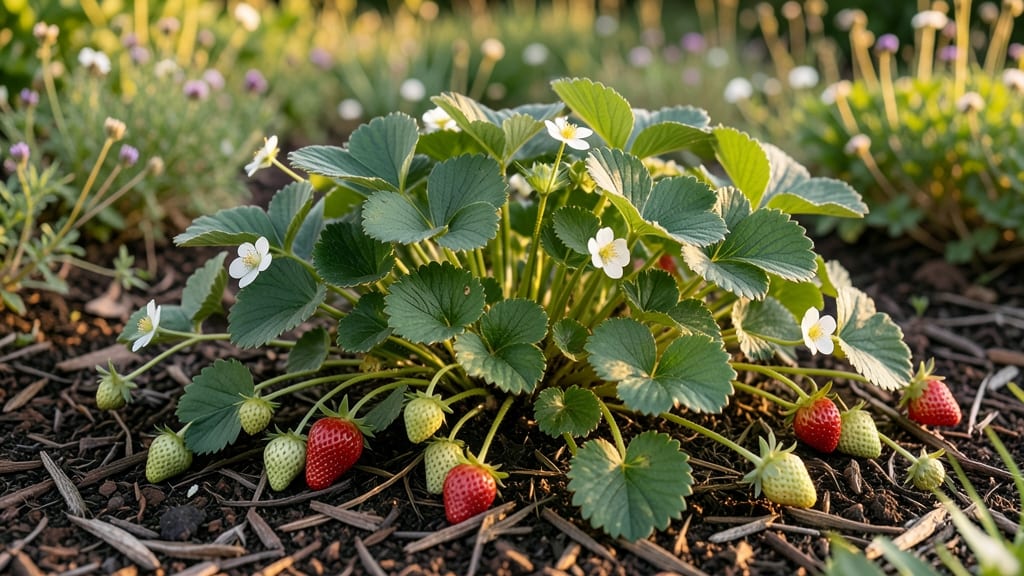
Strawberries produce fruit in their first growing season 🍓 — but the exact timing depends on when you planted them, your climate, and the type of berries you’re growing.
Picture this: You’ve spent weeks tending to your strawberry patch, only to wonder why there’s still no fruit in sight. The answer isn’t just about patience—it’s about knowing the right window for planting and the specific variety you’ve chosen.
June-bearing strawberries, for example, burst into production in late spring, while everbearing types can give you two harvests a year. Day-neutral varieties stretch fruiting over months, but all of them need the right conditions to thrive.
In this guide, I’ll break down the seasonal timeline for each type, share pro tips to extend your harvest, and clear up common myths—so you can finally enjoy that first sweet, sun-ripened berry without the guesswork.
Strawberry fruit production timeline by season and climate zones
Timing is everything when growing strawberries—especially if you want that first sweet, juicy berry of the season. The fruit production window varies dramatically based on your USDA climate zone, the strawberry variety you plant, and even your planting strategy.
June-bearing, everbearing, and day-neutral strawberries all follow different schedules, which means your harvest timing could shift by months depending on what you grow.
In USDA zones 3-5, cold snaps can delay fruiting by weeks, while zones 8-10 often enjoy extended harvests thanks to milder winters. Understanding these patterns helps you plan for continuous production, whether you're a backyard gardener or a commercial grower.
Let’s break down exactly when each type of strawberry fruits, so you can set your expectations—and your calendar!
Here’s the seasonal breakdown you need to know, including early harvest windows, peak production, and late-season tricks to keep berries coming all summer (and sometimes into fall).
If you’re in USDA zones 3-5, your June-bearing strawberries will likely produce their main harvest in June, with a brief second flush in July if conditions are right.
In zones 6-7, everbearing varieties like ‘Albion’ or ‘Ozark Beauty’ can give you berries from early summer through September, while day-neutral types like ‘Seascape’ or ‘Tristar’ might keep producing until frost.
In warmer zones (8-10), strawberries can fruit nearly year-round, especially if you plant day-neutral varieties. For example, in zone 9, you might see early harvests in April and late harvests in December with proper care.
The key is to choose varieties that match your climate and plant at the right time to avoid temperature shocks that can delay fruiting.
One common misconception is that strawberries won’t produce fruit in their first year. While this is true for June-bearing varieties planted from bare root, everbearing and day-neutral types often reward you with small harvests in their first summer.
This means you can enjoy berries sooner if you choose the right plants for your timeline.
To maximize your harvest, consider staggered planting. For instance, plant June-bearing strawberries in early spring for a late-spring harvest, then add everbearing or day-neutral varieties in late summer for a fall crop. This extends your fruiting window by months and ensures you’re never without fresh berries.
Pay attention to seasonal markers like blooming dandelions or apple trees, which often signal the right time to expect strawberry flowers. In my zone 6 garden, I’ve found that when
How to extend your strawberry harvest season with planting tricks
If you’ve ever dreamed of strawberries fresh from your garden well into fall—or even winter—you’re not alone! The key lies in smart planting strategies that trick nature into producing fruit outside its usual June-July window.
By combining the right varieties, seasonal timing, and protective techniques, you can stretch your harvest for months. Here’s how I’ve turned my 2-month strawberry season into a 6-month feast.
First, let’s tackle the biggest misconception: strawberries only fruit once. That’s true for June-bearing varieties, but everbearing and day-neutral types can produce fruit multiple times if given the right conditions.
My secret? Planting a mix of these types with staggered schedules. This ensures you’re always harvesting something, whether it’s summer’s sweet Albion or crisp Seascape berries in autumn.
- 1. Staggered Planting: Plant June-bearing strawberries in early spring, then add everbearing varieties 4-6 weeks later. This creates a 2-month overlap in harvests.
- 2. Row Covers: Use floating row covers in early spring or late fall to warm soil by 5-10°F, jumpstarting growth and extending the season by 3-4 weeks.
- 3. Greenhouse Growing: In cold climates (USDA zones 3-6), grow day-neutral varieties like Ozark Beauty in a greenhouse for year-round harvests with artificial light.
- 4. Fall/Winter Varieties: Choose cold-hardy types like Honeoye or Becky for late-season harvests. Mulch heavily with straw to protect roots down to 10°F.
- 5. Succession Planting: Replace old plants with new bare-root strawberries every 2-3 years to maintain vigor and continuous fruiting.
For gardeners in colder regions, row covers are my go-to trick. I drape lightweight fabric over my beds in late spring to trap heat and protect flowers from late frosts.
This can push your first harvest back by 2-3 weeks and shield berries from hungry birds. Pro tip: Secure the edges tightly to prevent pests from sneaking in!
If you’re willing to invest in a small greenhouse or cold frame, you can grow day-neutral strawberries almost year-round. These varieties, like Seascape or Tristar, produce fruit whenever days are above 50°F.
In my Zone 5 garden, I’ve harvested berries as late as November by keeping the greenhouse unheated but covered with plastic.
Don’t overlook the power of mulching! A thick layer of straw or leaves insulates soil, keeping roots warmer in fall and cooler in summer. I add 4-6 inches of mulch after the first frost, which protects plants from temperature swings and extends fruiting into December in milder climates.
Just remember to pull it back in early spring to prevent rot.
Finally, rotate your planting schedule to avoid gaps. For example, plant June-bearing strawberries in March, then add everbearing types in May. This ensures you’re never without fresh berries. Pair this with regular pruning—removing old leaves in late summer—so energy goes into new fruit rather than maintaining dead growth.
With these tricks, you’ll transform your garden into a strawberry paradise that keeps giving long after your neighbors’ plants have quit. The secret? A little planning and the right variety-climate match. Now grab those gloves—your extended harvest awaits! 🍓