
Fertilization
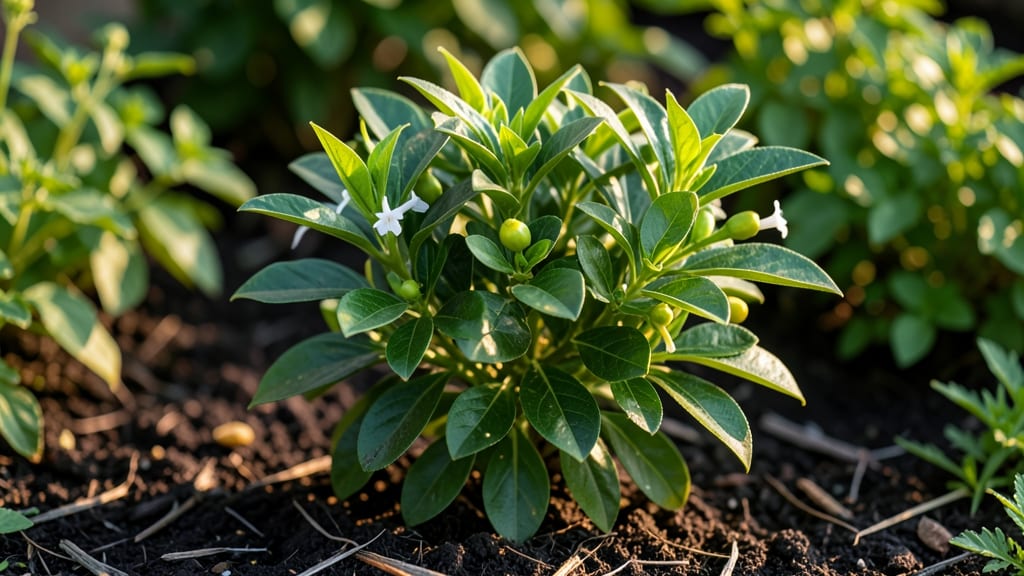
Growing wax jambu fruit means bringing tropical drama to your yard with its glossy leaves and sweet, rose-apple-flavored fruit. 🌿 I planted mine two years ago after falling for its striking foliage and promise of edible harvests—now it’s the star of my backyard’s shady corner.
This tree thrives in zones 10-12, but with the right care, you can grow it in containers and overwinter it indoors. It demands well-draining soil and morning sun, but afternoon shade prevents leaf scorch. The key? Mimic its native rainforest home with consistent moisture and occasional deep watering.
By summer, you’ll see clusters of pink blossoms that turn into waxy, rose-scented fruit. The foliage alone makes it a statement plant, but the harvest? Juicy, fragrant, and perfect for jams or fresh eating. Even if fruit isn’t your goal, the tree’s bold presence will turn heads.
Prune lightly after harvest to shape the tree, and watch for pests like scale—neem oil keeps them at bay. With patience, your wax jambu will reward you with years of tropical beauty and harvests.
📚 In This Guide
- What you need
- Instructions
- Tips and common mistakes
- Wrapping up and next steps
What you need
- ● Wax jambu fruit or seeds: 1-2 fresh wax jambu fruits (or 5-10 seeds extracted from them). Pro tip: 💡 For faster germination, soak seeds in warm water for 24 hours before planting.
- ● Potting mix: 1 bag (5-10 gallons) of well-draining, acidic soil blend (pH 4.5-6.5). Mix with perlite or coconut coir (1:3 ratio) for aeration.
- ● Pot or garden bed: Container option: 1-2 large pots (12+ inches deep) with drainage holes.
- ● Outdoor option: A sunny, sheltered spot with well-draining soil (avoid waterlogged areas).
- ○ Fertilizer: 1 bag of balanced organic fertilizer (e.g., 10-10-10) or citrus-specific formula. Optional: Slow-release granules for convenience.
- ● Mulch: 2-3 inches of organic mulch (e.g., pine bark or wood chips) to retain moisture.
- ● Watering can or hose: With a gentle spray nozzle for delicate seedlings.
- ○ Pruning shears: Sharp, sterilized shears for trimming (optional but helpful for shaping).
- ● Climate: Wax jambu thrives in USDA Zones 10-12 (or warmer). If in a cooler zone, grow in containers and bring indoors during winter.
- ● Sunlight: Full sun (6+ hours daily) for optimal fruit production.
- ● Humidity: High humidity (60%+) mimics tropical conditions. Use a humidifier or mist seedlings if indoors.
- ● Patience: Seedlings take 3-5 years to bear fruit, but the bold foliage is worth the wait!
Step-by-step instructions for cultivating wax jambu fruit
Here’s how to grow this striking tropical fruit tree with bold, waxy leaves and vibrant berries.
🌱 Step 1: Select and Prepare a Suitable Growing Site
Wax jambu thrives in USDA Hardiness Zones 10-12, where temperatures stay above 50°F year-round. Choose a location with partial shade—morning sun and afternoon shade protect the delicate leaves from scorching. The soil should drain well but retain moisture, so amend heavy clay with 2-3 inches of compost before planting.
Dig a hole twice as wide as the root ball but no deeper—planting too deep suffocates roots. Loosen the sides of the hole to encourage root spread. If growing in containers, use a 15-gallon pot with drainage holes and fill with a mix of 60% potting soil, 30% perlite, and 10% coconut coir for aeration.
☀️ Step 2: Plant and Establish the Tree
Place the wax jambu in the hole, ensuring the root flare (where roots meet the trunk) sits 1-2 inches above soil level. Backfill with native soil, pressing gently to remove air pockets. Water deeply to settle the soil and eliminate gaps. Mulch around the base with 2-3 inches of organic mulch, keeping it 6 inches away from the trunk to prevent rot.
For the first 4-6 weeks, maintain consistent moisture—water when the top 2 inches of soil feel dry. Avoid overhead watering, as wet foliage invites fungal diseases. Fertilize lightly with a balanced 10-10-10 formula at half strength to encourage root establishment without burning tender growth.
💧 Step 3: Maintain Optimal Growing Conditions
Wax jambu fruit trees need moderate humidity—mist leaves weekly or place the pot on a pebble tray with water to increase ambient moisture. Prune lightly to shape the tree, removing only dead, diseased, or crossing branches. Use sterilized pruning shears and make cuts just above a leaf node to encourage new growth.
Feed the tree every 6-8 weeks during the growing season with a low-nitrogen, high-potassium fertilizer (like 5-10-10) to support fruiting. Watch for yellowing leaves, which signal overwatering or nutrient deficiency. Adjust care based on the plant’s response—healthy wax jambu leaves are dark green, glossy, and waxy with minimal blemishes.
⏰ Step 4: Harvest and Encourage Future Growth
Fruit ripens 6-8 months after flowering, turning from green to bright red or purple when ready. Harvest by twisting gently—the berries should detach easily without tearing the stem. Store unripe fruit at room temperature until fully colored, then refrigerate for up to 1 week. Use ripe fruit in jams, jellies, or fresh in tropical dishes.
After harvest, trim back any overly leggy growth to promote bushier, more productive branches. In cooler months, reduce watering slightly but keep the soil slightly moist—wax jambu enters a dormant-like state but stays active in warm climates. With consistent care, your tree will produce bold foliage and fruit for years.
Tips & tricks for cultivating wax jambu fruit
Between us, growing wax jambu fruit successfully comes down to understanding its tropical nature—and a few key adjustments for your specific climate. Here’s what I’ve learned after watching several wax jambu trees thrive (and a few struggle) in different conditions.
Climate Adaptation: Since wax jambu thrives in USDA Zones 10-12 where temperatures stay above 50°F year-round, you’ll need to adapt if you’re in cooler zones. For container growing, bring pots indoors when nighttime temperatures drop below 50°F—just keep them in a bright, sunny spot. I’ve seen wax jambu survive brief dips to 40°F, but prolonged cold stress weakens the plant. In frost-prone areas, grow it as an annual or use a cold frame for winter protection.
Soil Science: The 60-30-10 soil mix (potting soil, perlite, coconut coir) is perfect for containers, but for in-ground planting, focus on drainage. If your native soil is heavy clay, mix in an extra 1-2 inches of compost beyond the 2-3 inches recommended—this improves aeration and moisture retention. I’ve noticed wax jambu roots struggle in compacted soil, so always loosen the sides of the planting hole thoroughly. For container growers, repot every 2-3 years to refresh the mix.
Watering Wisdom: The "top 2 inches of soil" dryness check is your best guide, but timing matters too. Water in the morning to allow foliage to dry before evening—this prevents fungal issues. During the first 4-6 weeks, I’ve found that misting the leaves lightly in addition to soil watering helps establish the plant faster, especially in dry climates. Just avoid wetting the leaves after this initial period to minimize disease risk.
Fertilizer Strategy: The 10-10-10 balanced fertilizer at half strength is ideal for root establishment, but once established, switch to the low-nitrogen, high-potassium 5-10-10 formula every 6-8 weeks. Here’s the trick: apply fertilizer only when you see new growth starting—this prevents overfeeding, which can cause leaf burn. I’ve seen wax jambu respond beautifully to a foliar spray of diluted seaweed kelp (1 tsp per gallon) between feedings for extra micronutrients.
Pro Tips for Wax Jambu Fruit
- Between us, growing wax jambu fruit successfully comes down to understanding its tropical nature—and a few key adjustments for your specific climate.
- Climate Adaptation: Since wax jambu thrives in USDA Zones 10-12 where temperatures stay above 50°F year-round, you’ll need to adapt if you’re in cooler zones.
- Soil Science: The 60-30-10 soil mix (potting soil, perlite, coconut coir) is perfect for containers, but for in-ground planting, focus on drainage.
Frequently asked questions
Got questions about growing or using wax jambu fruit?
Here are answers to the most common queries—from planting to harvest and everything in between!
How long does it take for a wax jambu plant to bear fruit?
A wax jambu (Syzygium samarangense) typically takes 3–5 years to produce fruit from seed, though grafted plants may fruit in 1–2 years. Patience is key—focus on proper care (sunlight, water, and soil) to speed up the process. Young trees prioritize leafy growth, so avoid heavy pruning early on!
Can wax jambu fruit be eaten raw, or does it need cooking?
Wax jambu fruit is best enjoyed fresh and raw—its sweet, tangy flavor shines when ripe! However, unripe fruit can be firm and slightly tart, making it a great addition to jam, chutney, or pickles. Always taste-test for ripeness (bright color, slight softness) before eating. Pro tip: Peel the skin for a smoother texture!
Why are my wax jambu leaves turning yellow or dropping?
Yellowing leaves (chlorosis) or leaf drop usually signals overwatering, nutrient deficiency, or pests. Check soil moisture—wax jambu prefers well-draining soil and hates soggy roots. Test for iron or nitrogen deficiency (common in alkaline soils) and amend with compost or a citrus-soluble fertilizer. Pests like spider mites can also stress the plant—inspect undersides of leaves!
What’s the ideal temperature range for growing wax jambu?
Wax jambu thrives in tropical climates (70–85°F / 21–29°C), but it’s hardy to 25°F (-4°C) with protection. Cold snaps below 32°F (0°C) can damage leaves or fruit—consider mulching or moving potted plants indoors in winter. If you’re in a cooler zone, grow it in containers near a sunny wall for flexibility!
Are there dwarf varieties of wax jambu for small gardens?
Most wax jambu trees grow 15–30 feet tall, but you can prune aggressively to keep them smaller (6–10 feet). For true dwarf options, look for grafted varieties labeled as "miniature" or "compact"—though these are rare. Alternatively, grow it in a large container (15+ gallons) and prune regularly to control size. Bonus: Dwarf trees fruit earlier!
How do I store wax jambu fruit to extend its shelf life?
Store ripe wax jambu fruit in the fridge (35–40°F / 2–4°C) for 1–2 weeks to slow ripening. Avoid the crisper drawer—high humidity can cause mold. For longer storage, freeze peeled, cubed fruit (great for smoothies!) or dehydrate slices for a chewy snack. Unripe fruit keeps at room temp but won’t sweeten further.
Wrapping up and next steps
Growing wax jambu fruit is a rewarding journey that blends tropical beauty with delicious harvests! 🌿 With the right soil, sunlight, and care—especially during fertilization—your plant will thrive and treat you to vibrant foliage and sweet, tangy fruits.
Whether you're a seasoned gardener or just starting, this guide gives you the confidence to nurture your wax jambu like a pro.
Ready to take the next step? Start with a healthy sapling, monitor its growth closely, and adjust your fertilization routine based on seasonal needs. Soon, you’ll be enjoying homegrown wax jambu straight from your garden—what’s not to love? 🍈✨