
Landscaping
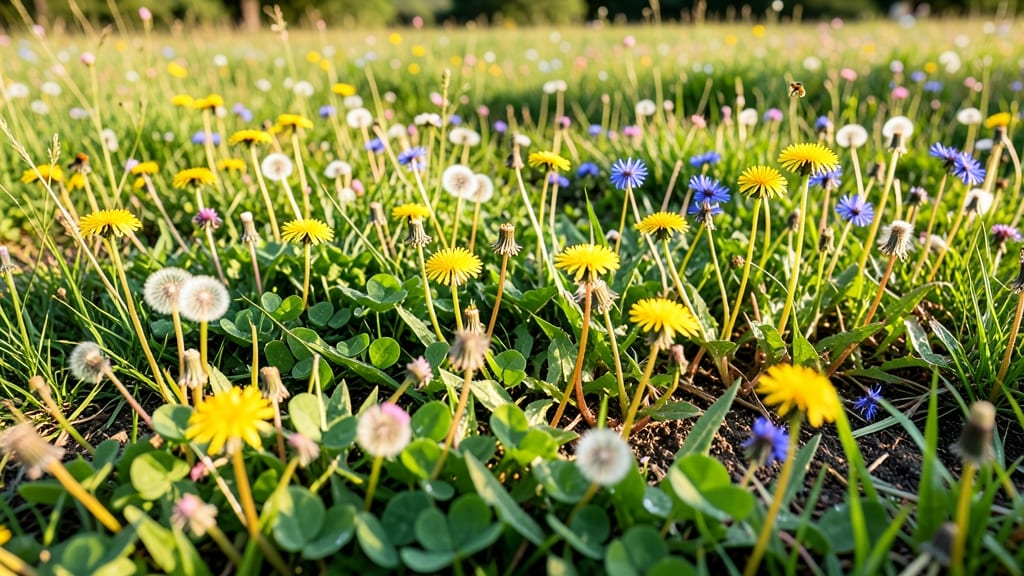
Transform your garden into a functional and beautiful space with these 10 vegetable bed ideas. These edible landscaping designs blend productivity with aesthetics, creating borders that are as visually appealing as they are practical.
Classic Raised Garden Bed With Herbs
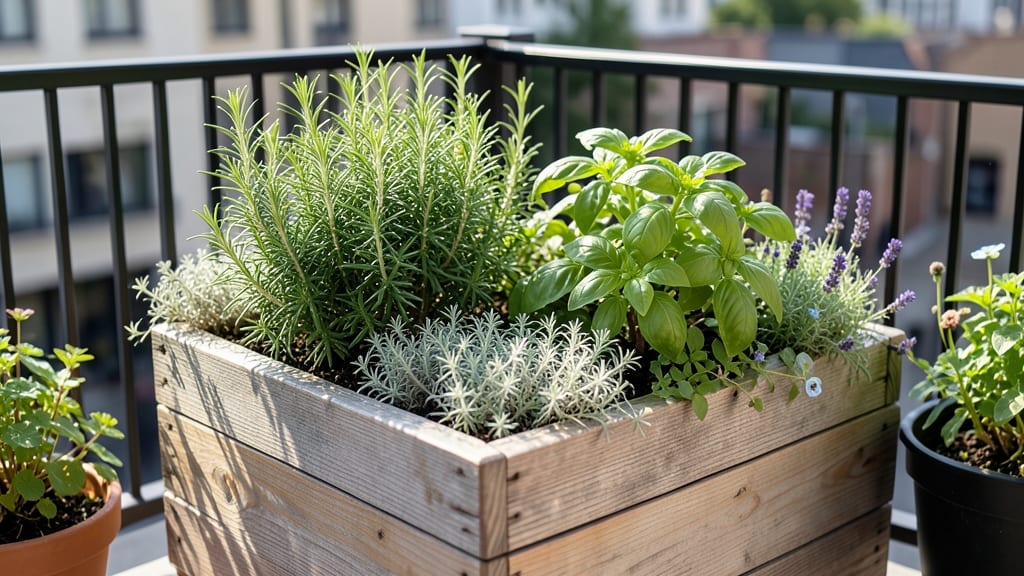
Turn even the tiniest balcony or urban patio into a fragrant, functional oasis with a classic raised herb bed. This space-saving design packs hardy perennials like rosemary and thyme alongside annuals like basil, creating a living herb pantry that doubles as a pollinator magnet when paired with marigolds.
Build your bed using untreated cedar or composite lumber (4" deep is ideal) and fill with a mix of 60% compost and 40% potting soil for excellent drainage. Place it where it gets 6 hours of sun daily, then arrange herbs by height—tall rosemary at the back, medium basil in the middle, and low-growing thyme at the front. The marigolds' bright blooms will deter pests while attracting bees and butterflies.
Perfect for urban gardeners or beginners, this design requires minimal upkeep—just water when the top inch of soil feels dry. You'll have fresh herbs for cooking year-round, plus a garden that's as beautiful as it is practical. 🌻
Spiral Herb Garden Bed For Pollinators
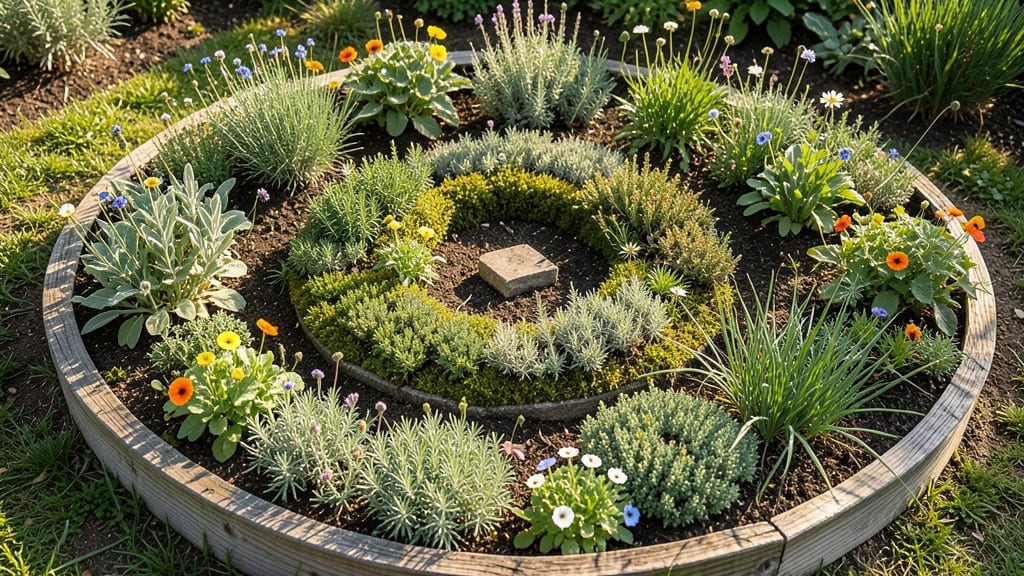
If you love the charm of cottage gardens but want to maximize every inch of space, a spiral herb garden bed is your answer. This whimsical yet practical design creates a natural habitat for bees and butterflies while packing in layers of fragrant herbs and edible flowers—all in a compact, circular shape that fits seamlessly into small yards or borders.
Start by shaping your bed in a spiral, with the center planted first and layers radiating outward. Place drought-tolerant lavender at the center for its calming scent and pollinator appeal, then surround it with chamomile and borage for their nectar-rich blooms. Add nasturtiums along the outer edge—their vibrant flowers will attract beneficial insects while repelling pests. Use a rustic stone or brick border to define the shape and keep soil contained.
This design is perfect for gardeners who want to support local ecosystems without sacrificing beauty or productivity. The layered structure ensures every plant gets the right amount of sun and water, while the spiral shape creates a visually stunning focal point that thrives year after year. 🌿
Mediterranean-Inspired Vegetable Border
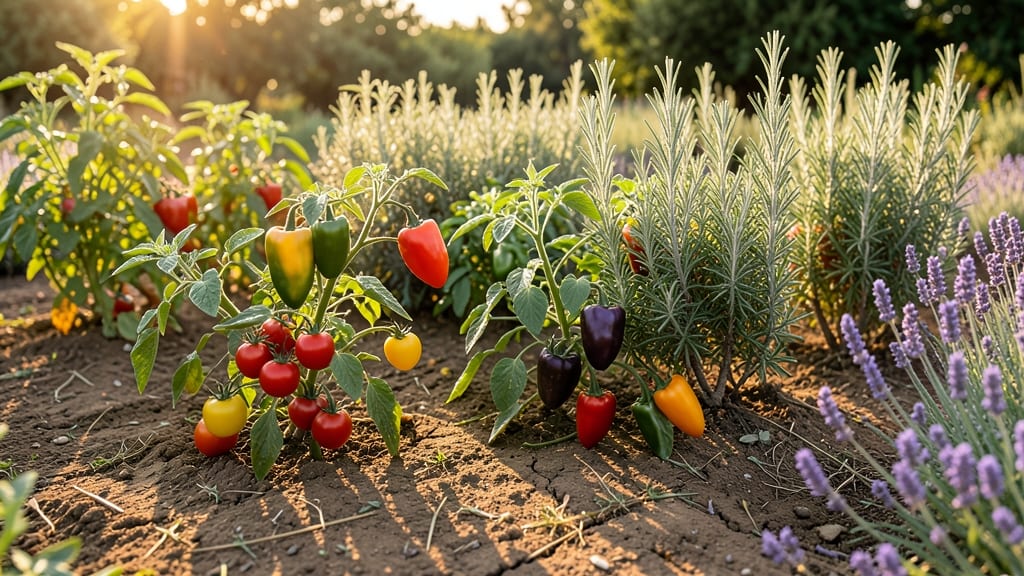
Bring the sun-drenched charm of the Mediterranean to your garden with a vegetable border that’s as fragrant as it is functional. This design marries cherry tomatoes, peppers, and oregano with rosemary hedges to create a drought-tolerant, low-maintenance border perfect for warm climates.
Start by lining the border with rosemary bushes—their woody stems form a natural hedge while their pine-like scent deters pests. Nestle tomatoes and peppers along the front, where they’ll spill over slightly, adding color and texture. Oregano thrives as a ground cover, its hardy leaves filling gaps and releasing aromatic oils that keep bugs away. Water deeply but infrequently—this border thrives on once-weekly watering once established.
Ideal for gardeners in USDA Zones 7-10, this design works beautifully as a privacy screen, pathway edging, or even a container garden. The combination of edible plants and fragrant herbs makes it both productive and sensory-rich—perfect for small spaces or urban courtyards. 🌻
Vertical Hanging Pocket Planters For Greens
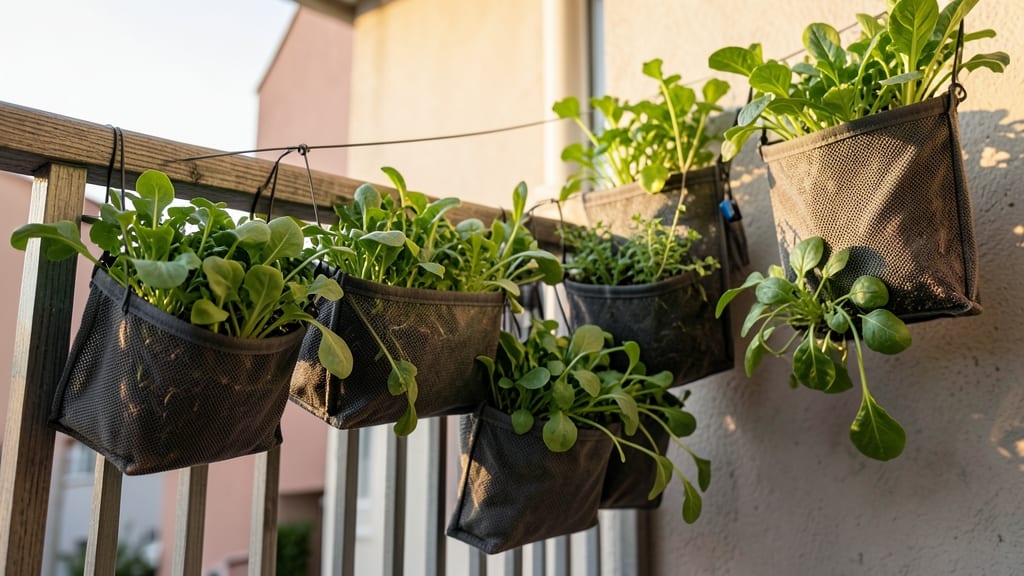
Turn your balcony or tiny yard into a thriving salad garden with vertical hanging pocket planters—the ultimate space-saving hack for leafy greens like lettuce and spinach. These fabric pockets transform walls into lush, edible tapestries while keeping your harvest within arm’s reach.
Choose drip-irrigation-compatible planters to simplify watering, and opt for fast-growing varieties like arugula or baby spinach for quick harvests. Hang them in partial shade to prevent bolting, and rotate pockets weekly for even sun exposure. Urban gardeners will love how these planters hide unsightly pipes or fences while producing fresh greens year-round.
This solution is perfect for renters, balcony dwellers, or anyone craving a low-maintenance way to grow food without sacrificing square footage. 🌱
Japanese-Inspired Zen Vegetable Garden
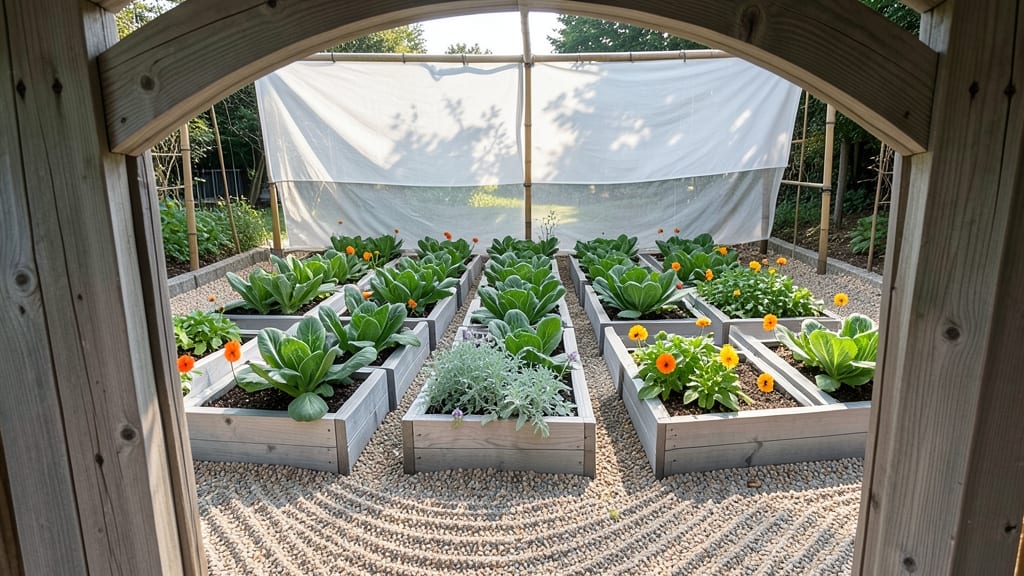
Create a garden that nourishes both body and soul with a Japanese-inspired Zen vegetable bed—where every bite is as peaceful as the space itself. This design marries edible staples like bok choy and shiso with delicate edible flowers (like nasturtiums or calendula) to craft a serene, low-maintenance border that invites mindfulness.
Start by layering smooth river rocks and bamboo stakes for structure, then tuck in moss ground cover to soften pathways between plants. Bok choy thrives in partial shade, while shiso prefers morning sun—both tolerate humidity and require minimal pruning. Scatter white edible flowers (like borage) among the greens for a calming contrast. The key? Minimal tools—a rake, a watering can, and a quiet corner.
Perfect for urban gardeners or anyone craving a meditative escape, this bed doubles as a harvestable retreat. The gentle textures of moss and bamboo create a sensory experience that’s as rewarding to tend as it is to eat from. 🌿
Three-Sister Garden Bed With Corn, Beans, And Squash

Looking for a vegetable bed that works with nature—not against it? The Three-Sister Garden Bed combines corn, beans, and squash in a time-tested Native American method that improves soil, deters pests, and maximizes harvests with minimal effort.
Plant corn first as the tall support for pole beans, which climb the stalks while fixing nitrogen in the soil. The squash sprawls beneath, shading the soil to retain moisture and block weeds. This trio thrives together because each plant supports the others: beans feed the soil, squash protects roots, and corn provides structure. Ideal for permaculture or traditional gardeners, this bed requires no synthetic fertilizers or pesticides once established.
Perfect for those who want sustainable, low-maintenance harvests, this design also connects you to centuries-old gardening wisdom. 🌱
Modern Geometric Vegetable Border With Succulents
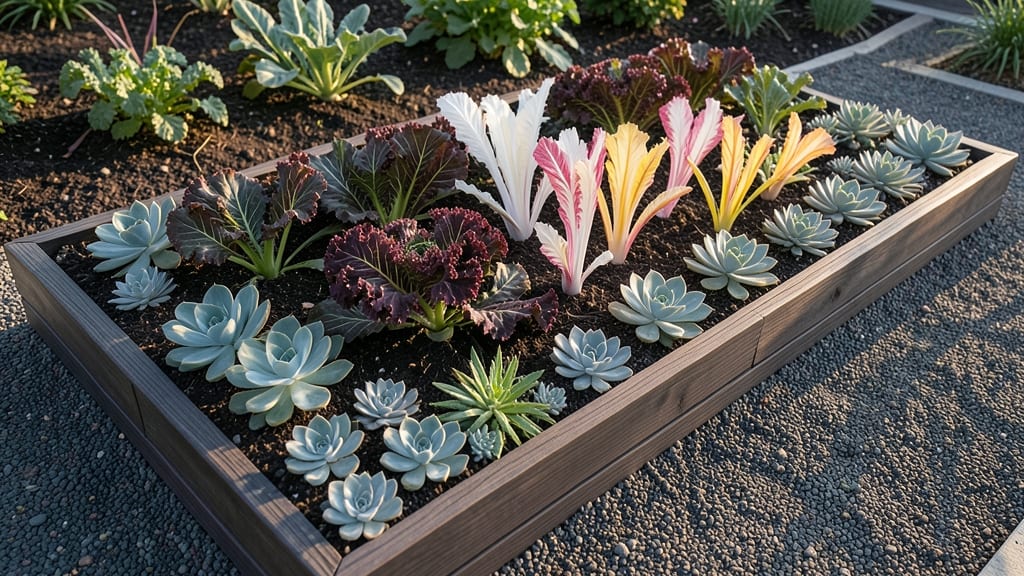
Ditch the traditional flower borders and embrace a modern geometric vegetable border that’s as functional as it is striking. This sleek design pairs bold, edible greens like kale and Swiss chard with drought-resistant succulents to create a low-water, high-impact border that fits seamlessly into contemporary landscapes.
Start by outlining your bed with clean-lined metal or stone edging to define the geometric shape (think triangles, rectangles, or chevrons). Plant succulents like sedum or echeveria along the edges—their plump leaves and vibrant colors add texture while requiring water only every 2-3 weeks. Tuck kale and Swiss chard in the center, where their deep purples and fiery reds will pop against the succulents’ muted tones. For extra drama, add trailing succulents like string of pearls to spill over the edges.
This border is perfect for urban gardeners or anyone craving a low-maintenance, stylish edible space. The combination of edibles and succulents ensures year-round interest while cutting water use by up to 70% compared to traditional borders. 💚
Fairy Tale Cottage Garden With Edible Flowers
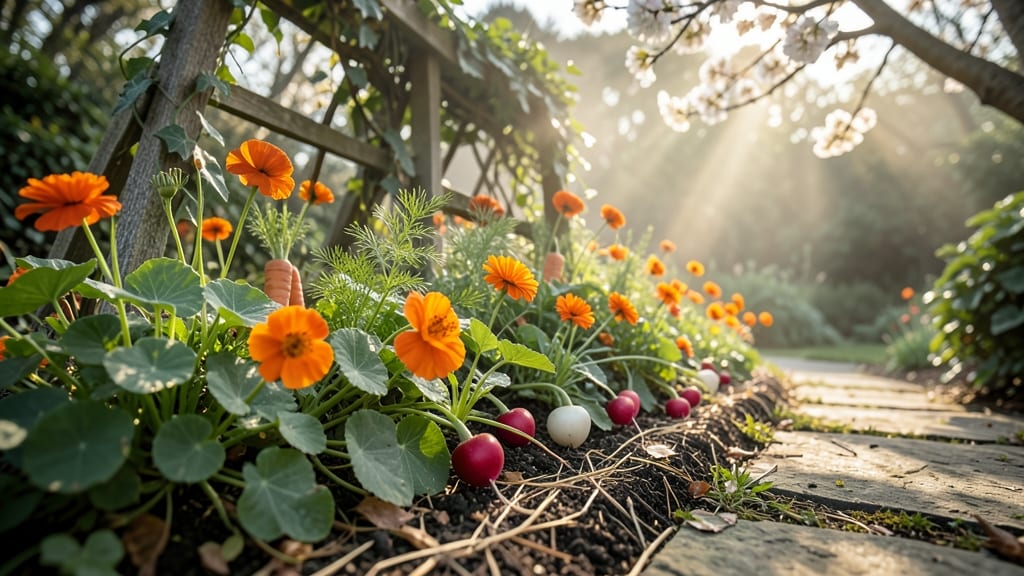
Step into a storybook with a fairy tale cottage garden that doubles as a productive vegetable bed. This whimsical design weaves together edible flowers like nasturtiums (with peppery leaves) and calendula (bright orange petals) alongside carrots and radishes for a border that’s as delicious as it is enchanting.
Start by planting fast-growing radishes and baby carrots in the center, where their greens peek through the floral sea. Surround them with pansies (edible and cold-hardy) and nasturtiums, which trail beautifully and deter pests. Add a white picket fence or rustic trellis for that classic cottage charm, and let the flowers spill over slightly for a wild, abundant look. This bed thrives in full sun to partial shade, making it versatile for most climates.
Perfect for families, children’s gardens, or anyone who loves a touch of magic in their yard, this design turns mealtime into a fairy tale—literally. 🌷
Underground Potato Tower For Small Spaces
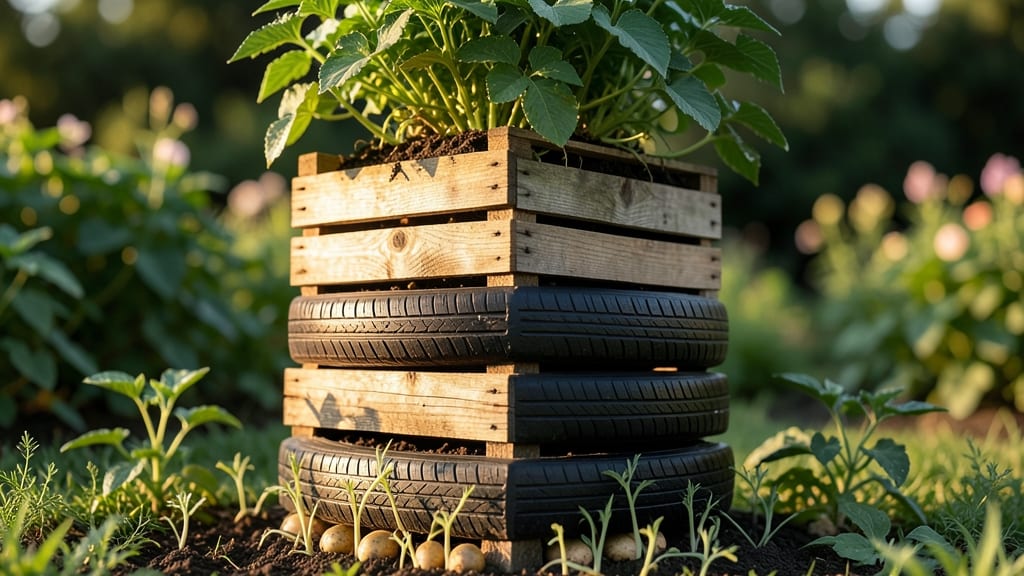
Maximize your tiny garden with an underground potato tower—a clever twist on traditional growing that hides the harvest below while showcasing lush foliage above. This vertical system uses repurposed materials like wooden crates or old tires stacked in a tower, creating a decorative focal point that saves space while producing pounds of potatoes in a small footprint.
Start by filling each layer with well-draining soil (mix compost with sand for loose texture), then plant seed potatoes in the bottom crate. As the plants grow, add more crates or tires, ensuring each layer has 4-6 inches of soil depth. Choose early-maturing varieties like Yukon Gold or Red Pontiac for faster harvests, and water consistently to encourage tuber formation. The tower’s vertical design keeps foliage visible while hiding the expanding potatoes underground—perfect for urban gardens or patios.
This design is ideal for renters, small-space gardeners, or anyone tired of digging. The stacked structure doubles as a privacy screen or garden art piece, while the potatoes stay out of sight but within reach. Just harvest by gently removing each layer—no backbreaking work required! 🌱
Wildflower Meadow With Edible Greens

Skip the manicured lawn and create a self-sustaining edible meadow that feeds both you and local pollinators. This wildflower-meets-greens border replaces traditional grass with a mix of clover, dandelions, and chicory—plants that thrive on neglect while providing nitrogen-rich soil and free snacks.
Start by mowing a section of your yard to 1-2 inches in early spring, then scatter seeds for arugula, microgreens, and edible wildflowers in a loose pattern. Let the greens grow tall (3-6 inches) before harvesting outer leaves, leaving the center to flower and attract bees. No fertilizers or pesticides needed—this ecosystem supports itself. For extra productivity, interplant radishes or lettuce in the shadier spots.
Perfect for busy gardeners or eco-conscious homeowners, this design turns lawn into a pollinator paradise while giving you fresh greens with zero extra effort. 🌿