
Tools
Small backyards don’t mean small harvests. These 10 raised vegetable garden bed designs maximize space, improve soil health, and fit seamlessly into any outdoor area—whether you have a balcony, patio, or narrow yard.
Square Foot Gardening Grid Beds
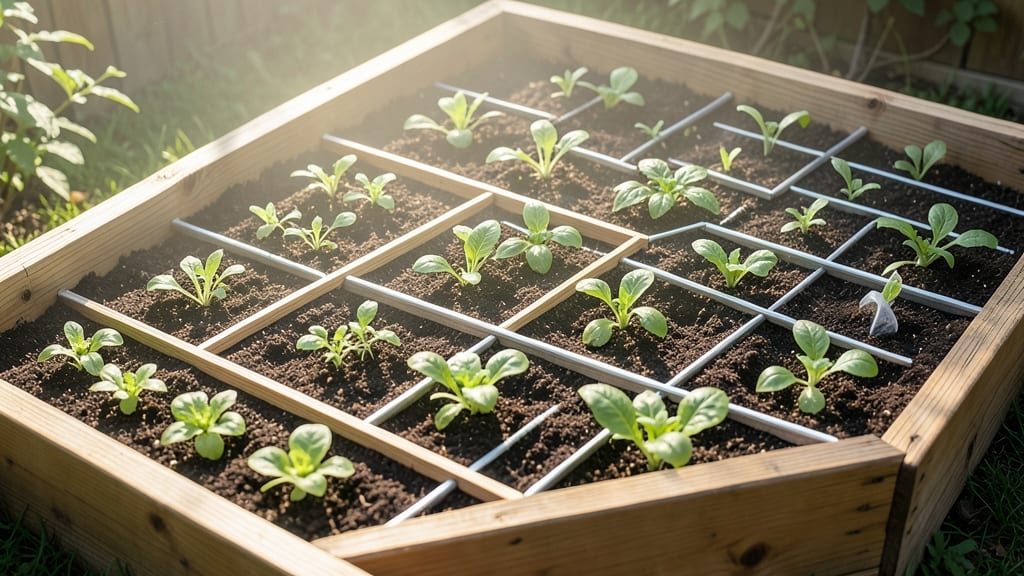
Transform your small space into a high-yield garden with square foot gardening—a system that turns every inch into productive planting real estate. By dividing your raised bed into a 1-foot grid, you eliminate guesswork about spacing, ensuring each plant gets the perfect amount of room to thrive without crowding neighbors.
Start by marking your bed with string and stakes to create the grid, then use a planting chart to assign crops to each square (e.g., 1 tomato, 4 lettuces, or 16 radishes per square). This method maximizes yield in tight spaces while making it easy to rotate crops yearly. For beginners, it’s a foolproof way to avoid overcrowding and achieve consistent harvests—even in a 4’x4’ bed!
Perfect for urban gardeners, renters, or anyone who wants a low-maintenance yet high-output system, square foot gardening turns chaos into order. 🌱
Vertical Pallet Garden Beds
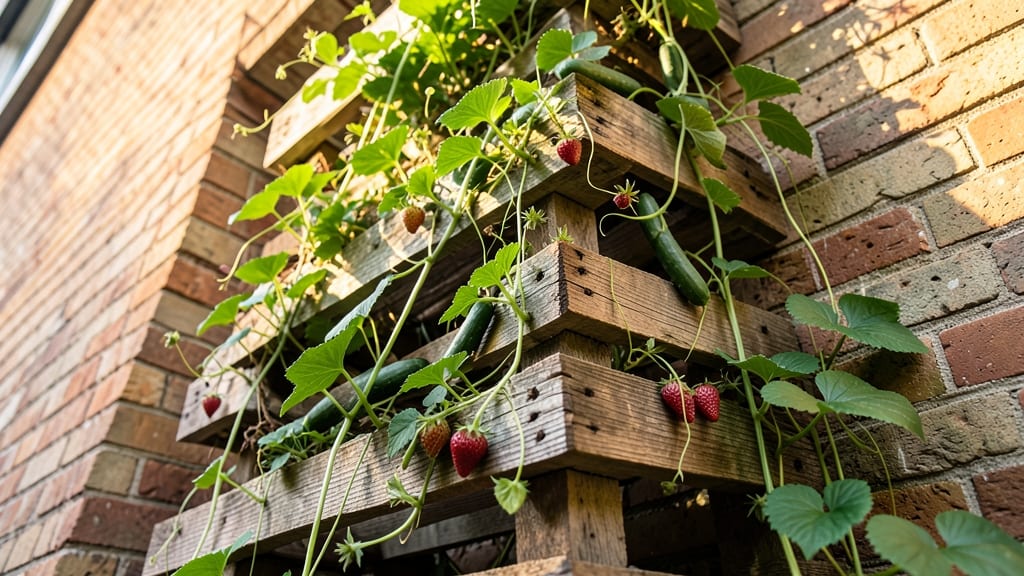
Turn clutter into a climbing garden paradise with vertical pallet beds—ideal for urban gardeners with limited floor space. These repurposed pallets create a 3D growing surface perfect for fast-growing vines like pole beans, cucumbers, and strawberries, maximizing harvests in tight spots.
Start by securing a heat-treated pallet (stamped "HT" for safety) vertically against a fence or wall using sturdy brackets. Fill the gaps between slats with moistened coconut coir or burlap strips to retain soil, then plant seeds directly into the pockets. For year-round production, choose drought-tolerant varieties like cherry tomatoes or ever-bearing strawberries, and train vines with soft twine or trellis netting.
This system is a game-changer for renters or small spaces, offering easy access, natural pest deterrence, and a rustic-chic aesthetic. Plus, you’ll reduce waste by giving pallets a second life! 🌱
Tiered Raised Planters with Wheels
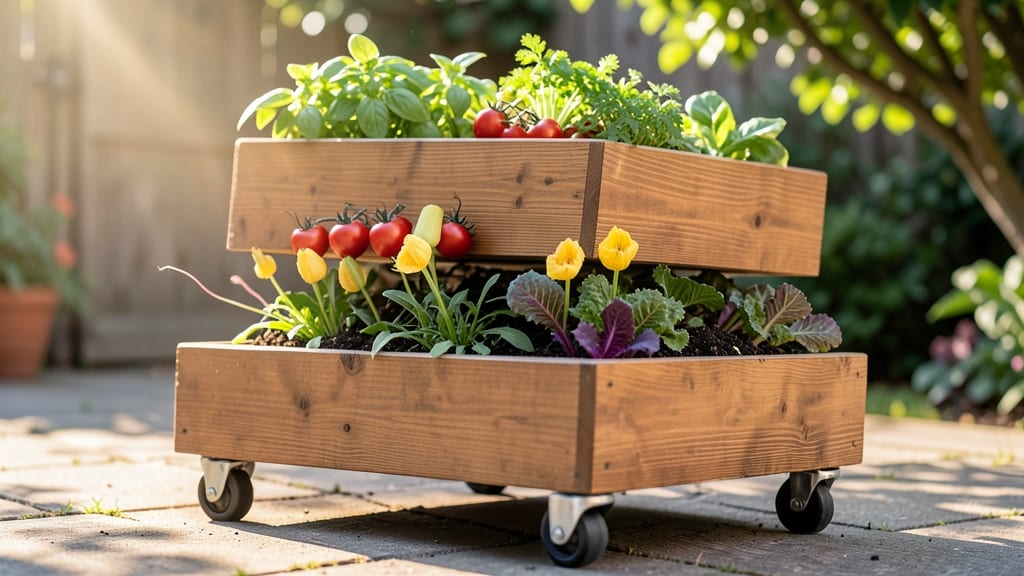
Say goodbye to static garden beds and hello to flexibility with tiered raised planters on wheels. These mobile systems let you rotate crops effortlessly to chase the sun, ensuring every plant gets the 6-8 hours of light it craves—perfect for shady patios or north-facing yards where sunlight shifts throughout the day.
Each tier can be filled with different crops—think leafy greens on the top (which need partial shade) and tomatoes or peppers on the bottom (sun-lovers). The wheels make it easy to reposition the entire unit as seasons change, while stackable designs maximize vertical space without sacrificing accessibility. Renters will love how these beds can be moved indoors during winter or rearranged when you change living spaces. 🌟
Window Box Garden Beds
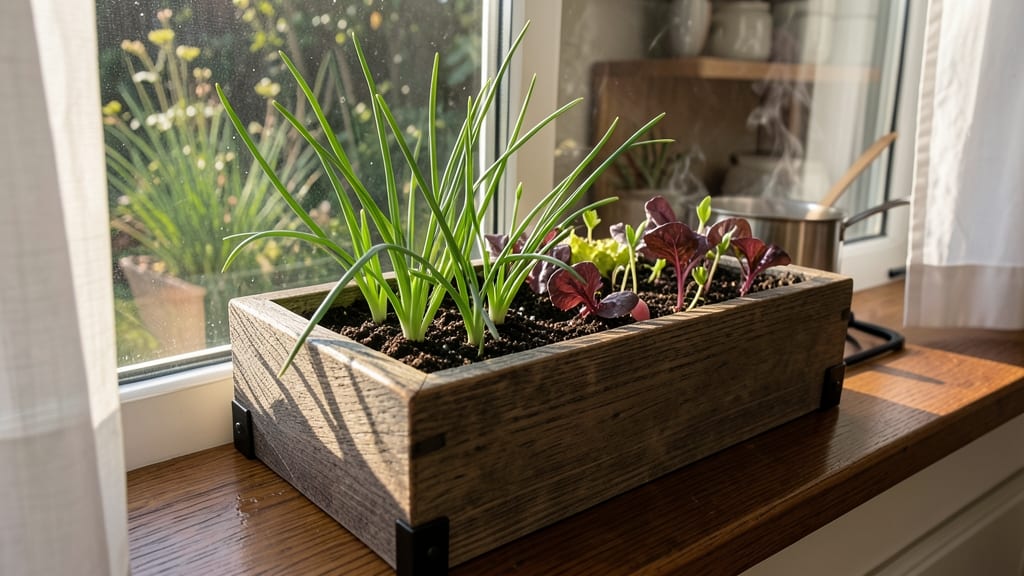
Turn your kitchen window into a fresh herb haven with window box garden beds—where convenience meets curb appeal. These shallow, rectangular planters are perfect for growing fast-harvest crops like lettuce, radishes, and chives, all within arm’s reach of your cooking space.
Choose a box with at least 6-8 inches of depth for root vegetables and ensure proper drainage holes. Plant sun-loving herbs like basil or thyme in the front row, where they’ll spill over beautifully, while leafy greens thrive in the back. The proximity to your kitchen also deters pests naturally—no need for chemicals when your harvest is just steps away.
This design is ideal for urban gardeners, renters, or anyone with limited space who still wants a thriving garden. Plus, the aesthetic boost makes your home’s exterior pop! 🌿
Spiral Herb Garden Bed
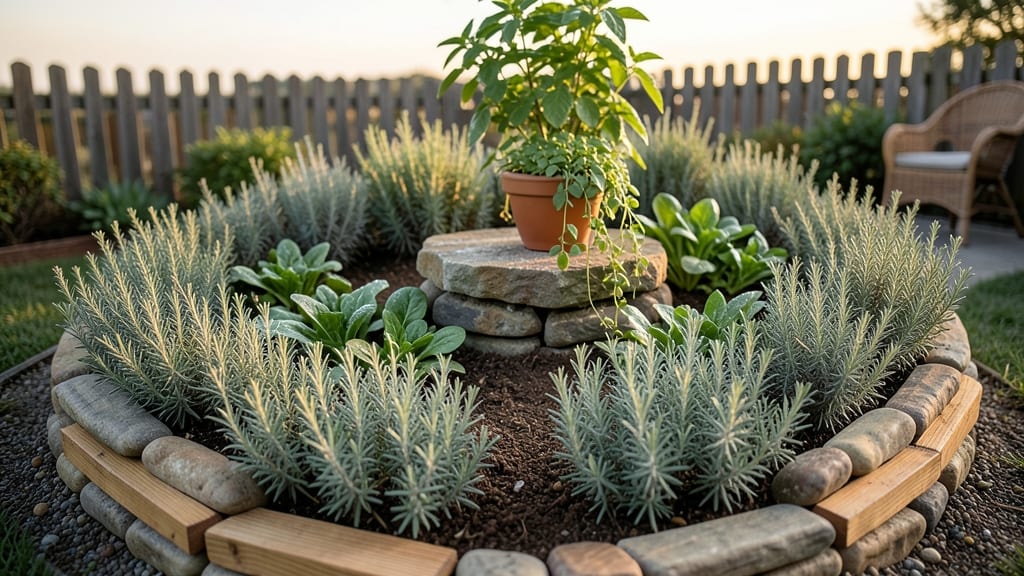
Turn your small garden into a thriving herb haven with a spiral herb garden bed—a clever design that maximizes every inch while creating natural microclimates for different plants. This spiral layout lets you grow sun-loving herbs like rosemary and thyme alongside shade-tolerant greens such as spinach and lettuce, all in one compact space.
The spiral’s outer edges receive more sunlight, perfect for herbs needing 6+ hours of sun, while the inner curves provide cooler, moister conditions ideal for leafy greens or root vegetables like carrots or radishes. Build it with cinder blocks, bricks, or stacked stones for durability, and arrange plants in concentric rings based on their sunlight needs. This design also discourages pests by making it harder for them to navigate the twisting paths.
Perfect for urban gardeners, balcony spaces, or small yards, a spiral bed turns limited real estate into a highly productive garden with minimal effort. Plus, its eye-catching shape becomes a stunning focal point! 🌿
Hanging Basket Vegetable Garden
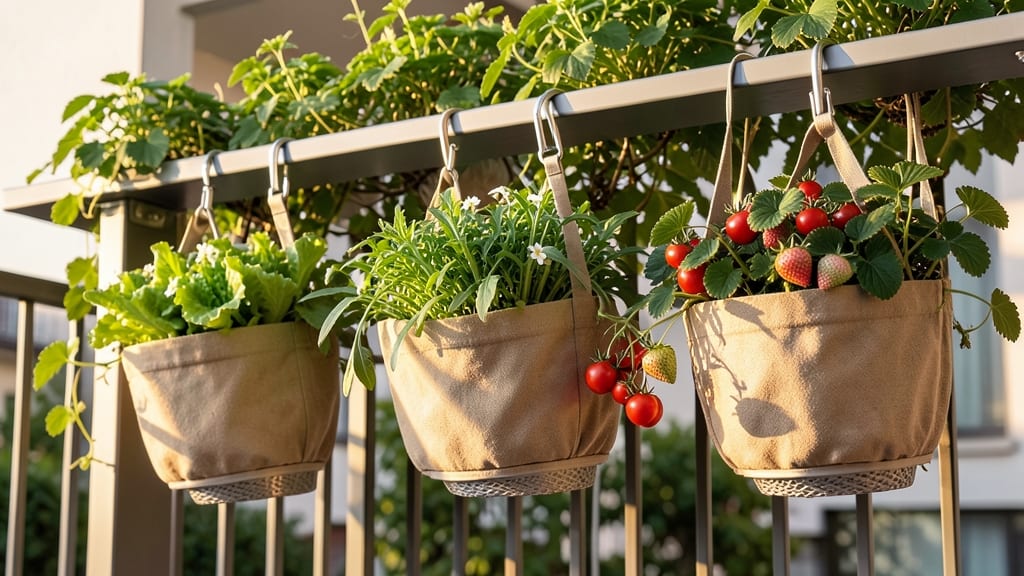
Turn your balcony into a thriving salad bar with a hanging basket vegetable garden—no yard required! This space-saving solution lets you grow salad greens, strawberries, or cherry tomatoes in stylish, suspended containers, perfect for urban dwellers or small patios.
Choose lightweight, breathable baskets with drainage holes to prevent root rot. Plant shallow-rooted crops like lettuce or radishes in the center, where soil stays moist, and trailing varieties like strawberries or cherry tomatoes along the edges. Watering from below (by placing the basket in a tray) keeps leaves dry and deters pests. For best results, position baskets where they receive 6+ hours of sun daily.
This method is ideal for renters or anyone with limited space—just swap baskets seasonally to keep your harvest fresh. Plus, the elevated design keeps critters away from your greens! 🌱
U-Shaped Raised Bed Corner
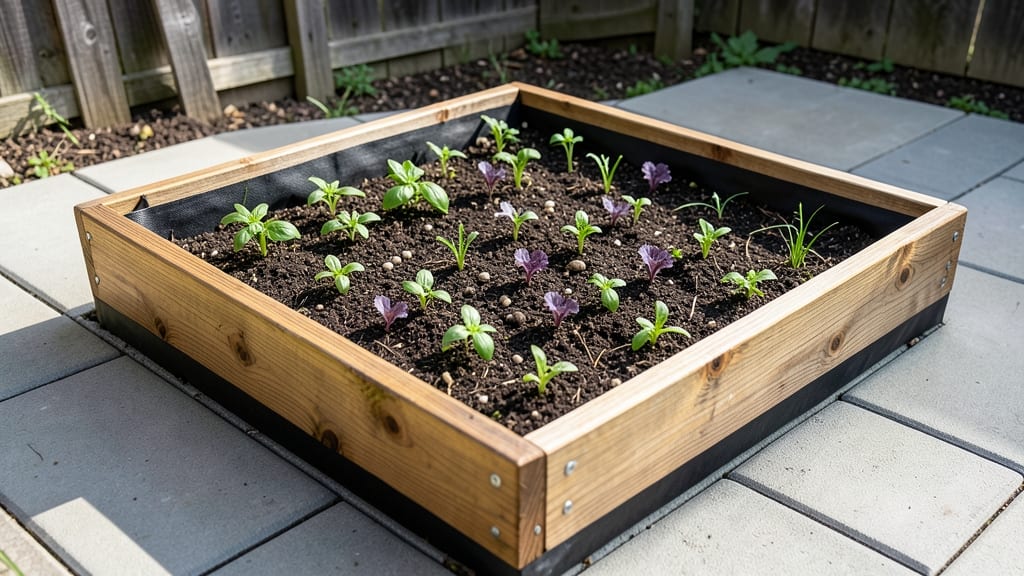
Turn those awkward garden corners into productive growing spaces with a U-shaped raised bed—the perfect solution for small yards with tight geometries. This design hugs the corner snugly, eliminating wasted space while keeping pathways clear and accessible for easy maintenance.
Construct the bed using cedar or composite lumber for durability, with the open side facing your main walkway. Plant fast-growing crops like zucchini, bush beans, or marigolds along the outer edges to maximize sunlight exposure, while slower growers like kale or lettuce thrive in the center. The U-shape also creates natural microclimates, allowing you to grow a wider variety of plants in limited space.
This design is ideal for gardeners with narrow yards, sloped terrain, or limited square footage—giving you more growing area without sacrificing accessibility. Plus, the open center makes it easy to add mulch or compost as needed. 🌻
Modular Stacking Planters
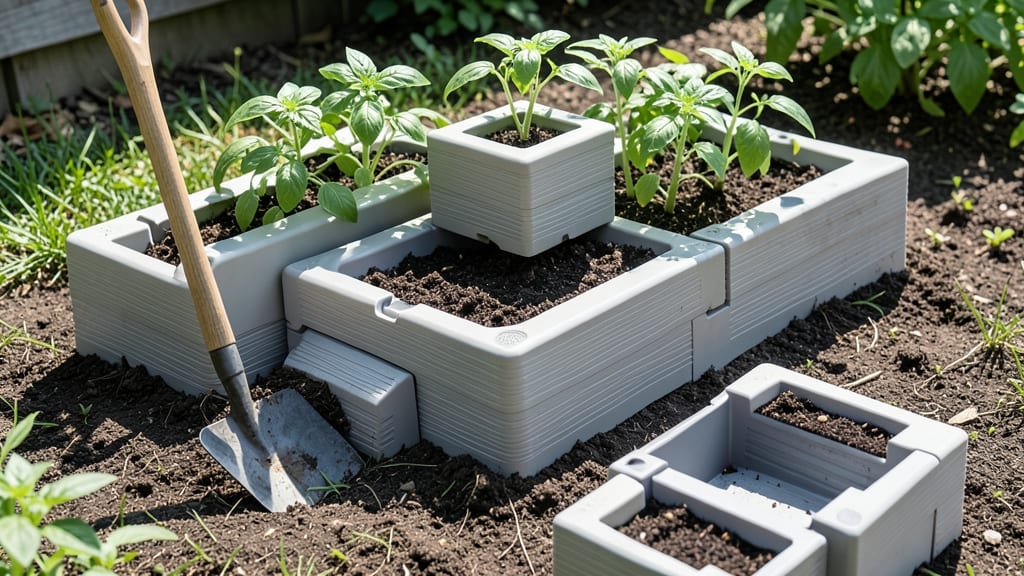
Tired of rigid garden beds that limit your creativity? Modular stacking planters let you rearrange your layout like a puzzle—swap out sections as plants mature, rotate crops for better sunlight, or even disassemble and repurpose them for next season. These interlocking blocks (available in plastic or cedar) are perfect for gardeners who love flexibility without sacrificing structure.
Start with a simple rectangle for early-season crops like leafy greens or radishes, then expand into an L-shape as tomatoes or peppers need more space. The blocks’ uniform depth (typically 6–12 inches) ensures consistent soil quality, while their lightweight design makes rearranging a breeze. Urban gardeners will appreciate how these systems fit snugly against fences or patios, maximizing every inch of space. 💡
This is the ideal solution for seasonal swaps—plant cool-weather crops in winter, then reconfigure the same planters for heat-loving veggies in summer. No wasted space, no permanent commitment. 🌻
Keyhole Garden Bed
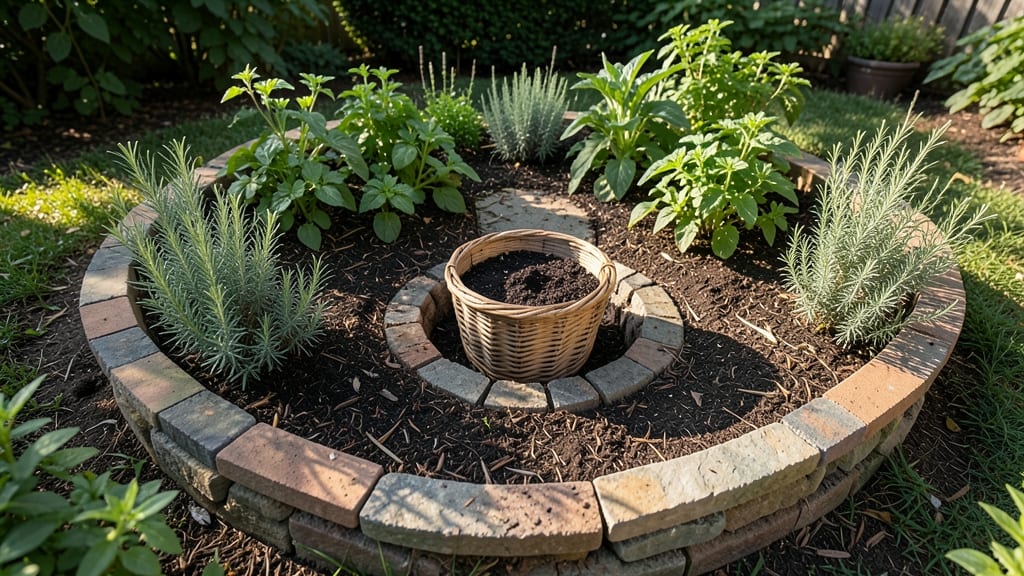
Ditch the traditional rectangular beds and embrace the self-sustaining power of a keyhole garden bed—a circular design that turns waste into nutrients while thriving in drought-prone or urban spaces. This innovative layout features a central compost basket that feeds your plants continuously, reducing the need for external fertilizers and cutting down on food scraps sent to landfills.
Build yours by stacking stones or bricks in a 3-4 foot diameter circle, leaving a gap in the center for the compost basket. Fill the bed with a mix of topsoil, compost, and sand for drainage, then plant drought-resistant crops like sweet potatoes, okra, or peppers around the edges. The compost basket’s heat helps break down organic matter faster, creating a fertile microclimate that keeps plants hydrated longer—ideal for hot climates or water-restricted areas.
Perfect for urban gardeners, eco-conscious growers, or anyone with limited space, this design minimizes waste while maximizing yields. Plus, its low-maintenance, closed-loop system makes it a standout for sustainable gardening. 💚
Elevated Straw Bale Garden

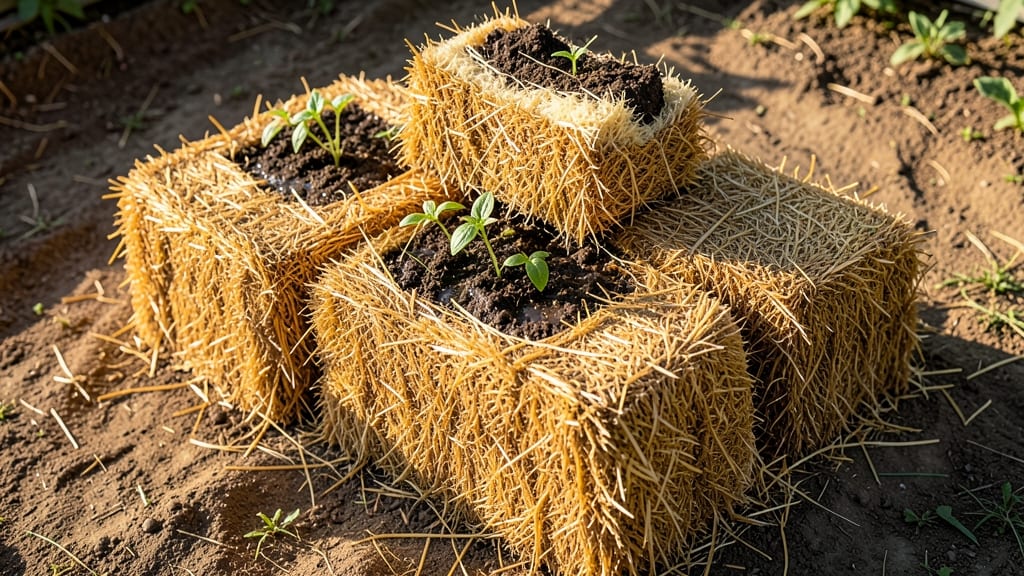
Skip the permanent build and try an elevated straw bale garden—a zero-waste, weed-free solution that’s perfect for testing new crops or seasonal planting. Straw bales act as natural moisture reservoirs, holding water like a sponge while suppressing weeds, and their pre-conditioned soil (just soak them for 2 weeks!) means you can plant immediately without waiting for soil prep.
Stack bales on wooden pallets or cinder blocks to create an elevated bed, then plant directly into the bales using shallow-rooted crops like radishes, lettuce, or herbs. The bales break down over time, enriching the soil, and since they’re lightweight, you can rearrange them as needed. This method is ideal for renters, temporary gardens, or gardeners who want to experiment without committing to permanent beds.
Best of all, straw bale gardens are budget-friendly and sustainable, using upcycled materials while reducing waste. Perfect for urban gardeners or anyone craving a low-maintenance, flexible growing space! 💚