
Vegetables
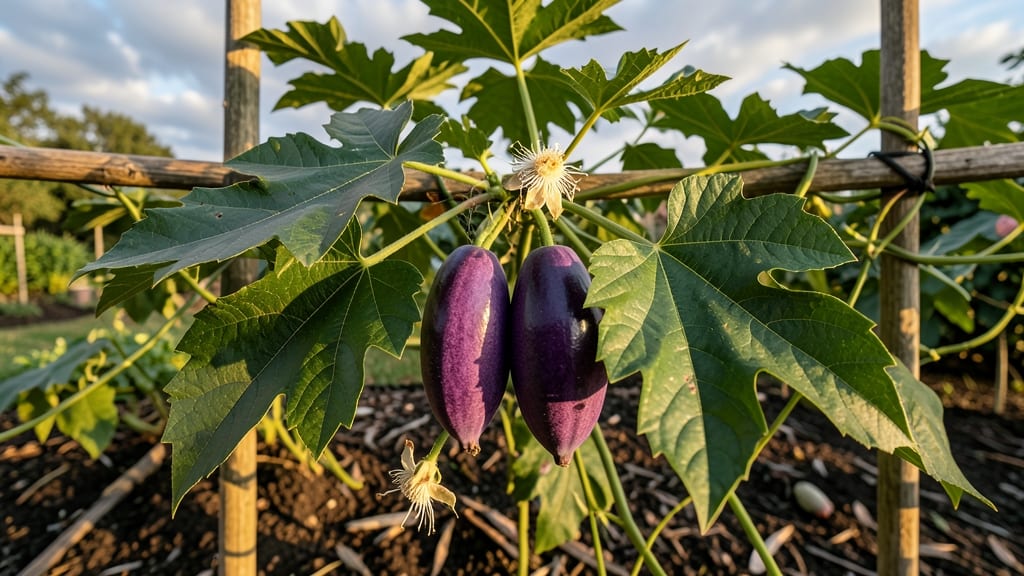
South American purple fruits offer bold flavors and vibrant colors from varieties like camu camu, purple granadilla, acerola, black sapote, and purple passionfruit, making them perfect for juices, desserts, and traditional recipes. Their high vitamin C content and tropical origins also make them nutrient powerhouses for health-conscious eaters.
These tropical delights aren't just stunning to look at—they pack a nutritional punch that rivals citrus fruits. 🌿 Camu camu, for example, contains up to 60 times more vitamin C than oranges, while purple granadilla adds a tangy twist to desserts.
Many of these fruits thrive in home gardens with minimal care, provided you mimic their native tropical environments. I've found that acerola, in particular, grows well in containers, making it ideal for urban gardeners.
Beyond their health benefits, these fruits play starring roles in South American cuisine. Purple passionfruit lends a unique tartness to smoothies, while black sapote's creamy texture makes it a favorite for mousses.
The key to using them is balancing their intense flavors—start with small amounts in recipes until you find your perfect ratio.
💡 In This Article
- Top 5 South American Purple Fruits and Their Growing Conditions
- Culinary and Medicinal Uses of Purple Fruits in South American Cuisine
Top 5 South American purple fruits and their growing conditions
South America's tropical regions are home to some of the most vibrant purple fruits, each with distinct botanical origins and growing needs. The camu camu (Myrciaria dubia), native to the Amazon basin, thrives in flooded forests where it can tolerate seasonal waterlogging.
Its small, oval berries grow on shrubs that require 75-85°F temperatures and acidic, nutrient-rich soils with a pH of 4.5-6.0. In contrast, purple granadilla (Passiflora ligularis), a vine from the Andes, prefers cooler high-altitude climates (50-70°F) and well-draining soils, making it ideal for mountainous regions.
The acerola cherry (Malpighia emarginata), another vitamin C powerhouse, grows as a small tree or shrub in warm, humid climates (70-85°F) with consistent rainfall. It's surprisingly adaptable to containers, allowing urban gardeners to cultivate it in 10-15 gallon pots with proper drainage.
Meanwhile, black sapote (Diospyros digyna), known as "chocolate pudding fruit," requires 75-85°F temperatures and thrives in deep, well-drained soils. Its slow growth rate means patience is key—it can take 5-7 years to bear fruit after planting.
For home gardeners, purple passionfruit (Passiflora edulis) offers the easiest cultivation, growing vigorously on trellises in 60-85°F climates. Its vines can spread 15-20 feet annually, making it perfect for fences or pergolas.
All these fruits share a need for full sun (at least 6-8 hours daily) and regular watering, though camu camu and black sapote tolerate brief droughts once established. Disease resistance varies—acerola and passionfruit are generally hardy, while granadilla may need protection from fungal diseases in humid conditions.
Seasonal harvesting is crucial for optimal flavor and nutrition. Camu camu and acerola fruits ripen year-round in their native climates but typically produce peak yields during rainy seasons. Purple granadilla and passionfruit have distinct fruiting periods, often aligning with local rainy seasons.
Black sapote's fruit matures slowly, requiring careful monitoring as it transitions from green to deep purple-black. Proper timing ensures maximum vitamin C content—acerola, for instance, peaks at 1,677 mg per 100g when fully ripe, compared to orange's 53 mg.
Propagation methods differ by species. Camu camu and acerola are typically grown from seeds, though grafted trees yield faster. Passionfruit and granadilla can be propagated via cuttings or seeds, with cuttings offering quicker fruiting. Black sapote is often grown from seeds but may take years to fruit.
Understanding these nuances helps gardeners select the right variety for their climate and space, ensuring successful cultivation of these nutrient-rich tropical treasures.
What most gardeners don't realize is how soil composition affects flavor intensity. The acidic soils of the Amazon enhance camu camu's tartness, while the mineral-rich Andean soils give granadilla its unique tang.
Testing soil pH and amending with organic matter can significantly improve fruit quality and yield. For those in non-tropical zones, container gardening with proper drainage mimics these conditions effectively.