
Landscaping
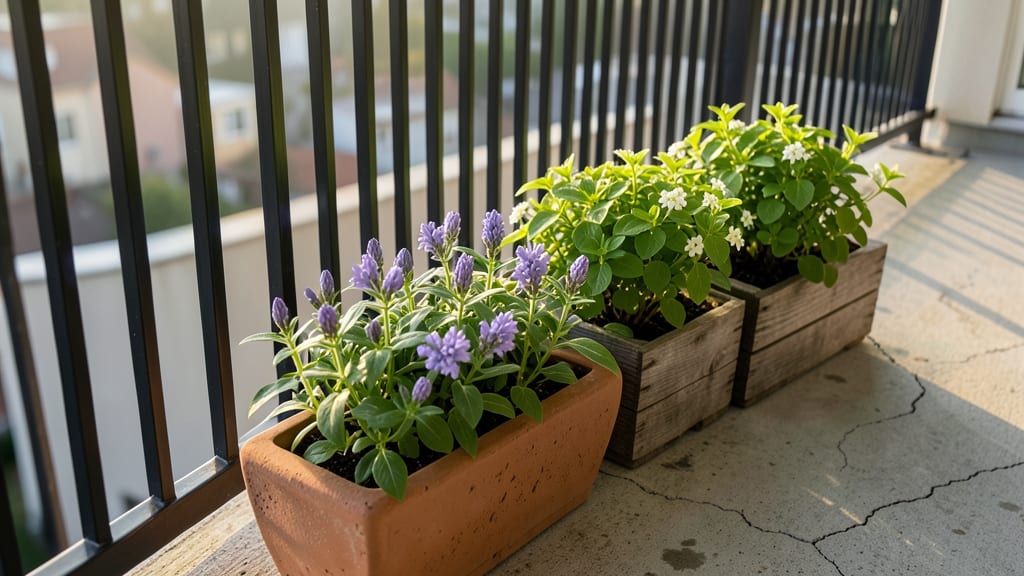
Transforming your yard into a lush, private retreat starts with smart shrub bed design. These 10 layered planting plans combine height, texture, and seasonal interest to create beautiful, functional spaces that thrive year-round.
Evergreen Privacy Screen with Boxwood Foundation
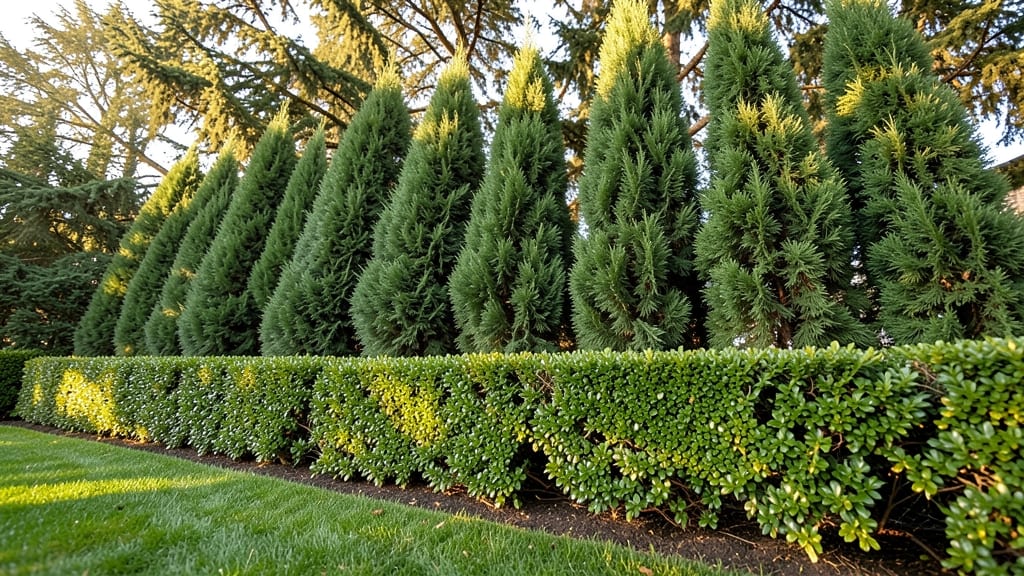
Craving a timeless, structured privacy screen that demands minimal seasonal work? A boxwood foundation paired with towering evergreens like arborvitae delivers year-round greenery while keeping your garden's formal aesthetic intact. This classic combo thrives in full sun to partial shade, making it ideal for both traditional and contemporary landscapes.
The key to success lies in spacing: plant boxwoods 2-3 feet apart along the base, then stagger arborvitae 4-6 feet apart behind them for maximum density. Mulch heavily to suppress weeds and retain moisture, then prune boxwoods twice yearly for that crisp, manicured look. The result? A wind-resistant barrier that stays lush through winter storms and summer heatwaves.
This design is perfect for homeowners seeking low-maintenance elegance—ideal for formal gardens, urban backyards, or as a living room divider. The structured base of boxwoods creates clean lines, while the towering evergreens provide the privacy you crave. 🌿
Seasonal Color Layers Using Hydrangeas
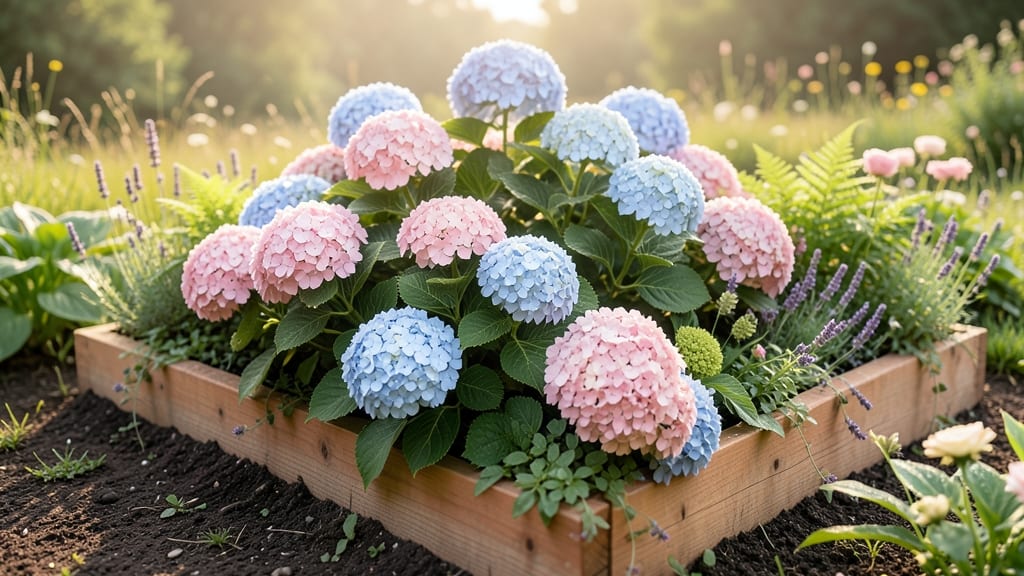
Cottage gardens thrive on charm and ever-changing beauty, and hydrangeas are the ultimate stars of this show. Their blooms shift from pink to blue based on your soil's pH—acidic for blue, alkaline for pink—giving you a color-changing display without extra effort.
Plant hydrangea macrophylla or paniculata varieties alongside evergreen shrubs like dwarf conifers or inkberry holly to create layers that stay lush year-round. Prune spent blooms in late winter to encourage fresh growth, and enjoy summer-to-fall color that evolves with the seasons.
This combo is perfect for gardeners who love low-maintenance drama and want to experiment with color. The evergreens provide structure while hydrangeas steal the show with their seasonal transformations. 🌻
Wildlife-Friendly Shrub Border with Native Plants
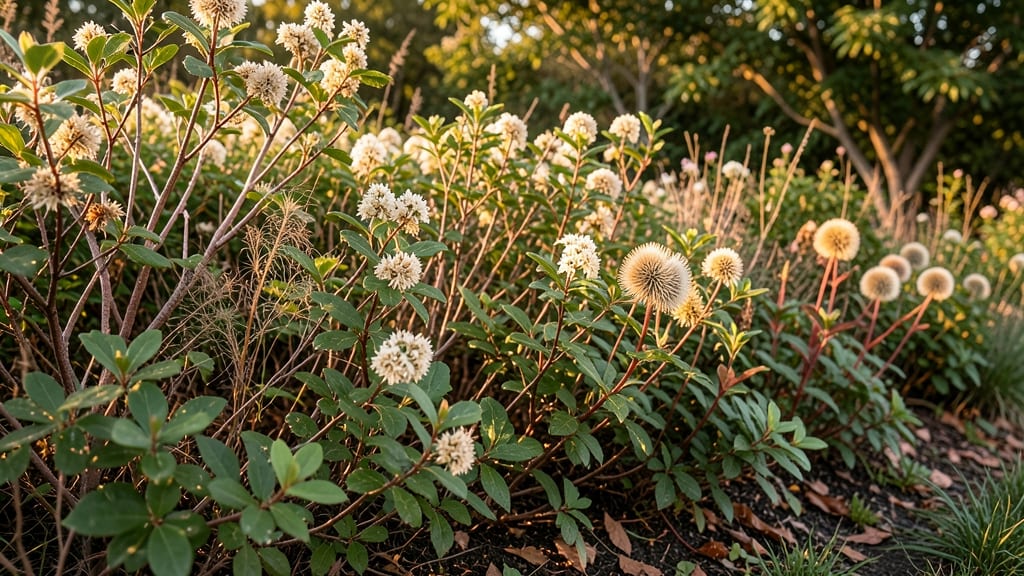
Turn your garden into a thriving ecosystem with a wildlife-friendly shrub border that supports local birds, bees, and butterflies while requiring almost no extra effort. Unlike high-maintenance designs, native shrubs like serviceberry and buttonbush grow effortlessly in most climates, providing food and shelter without the need for pesticides or fertilizers.
Plant serviceberry for its edible berries and delicate spring flowers, while buttonbush attracts hummingbirds with its unique blooms. Pair them with ornamental grasses like switchgrass or little bluestem for texture and wind protection. These shrubs thrive in partial sun to full shade, making them perfect for wooded edges or understory plantings.
This design is ideal for eco-conscious gardeners who want to make a difference without sacrificing beauty. Your garden will buzz with life while staying low-maintenance and naturally stunning. 🌿
Japanese-Inspired Layered Shrubbery with Maple Leaves
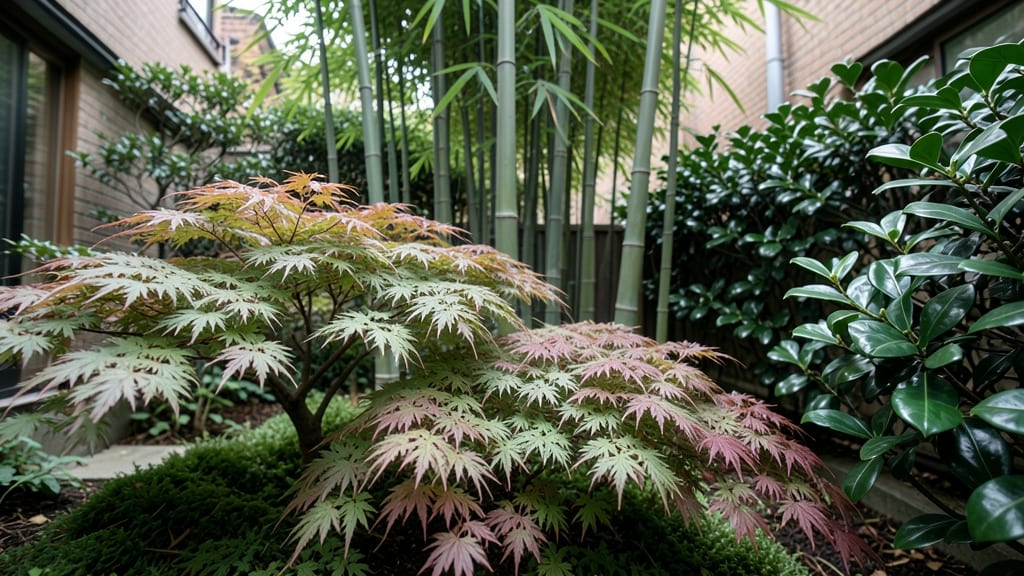
Bring the tranquility of a Japanese garden to your urban space with this layered shrubbery design that thrives in small areas. The secret? Pairing dwarf Japanese maples—with their delicate, lace-like foliage—against taller bamboo and glossy holly for a perfect balance of height and texture.
Start by placing bamboo at the back for vertical screening, followed by holly (for year-round structure) in the middle layer. Then, tuck dwarf Japanese maples in the front, where their vibrant fall colors will pop against the evergreens. This combo works in partial shade, making it ideal for city balconies or shaded yards. Mulch with gravel to keep it low-maintenance and zen-inspired. 🌷
Fragrant Shrub Garden with Lavender and Rosemary
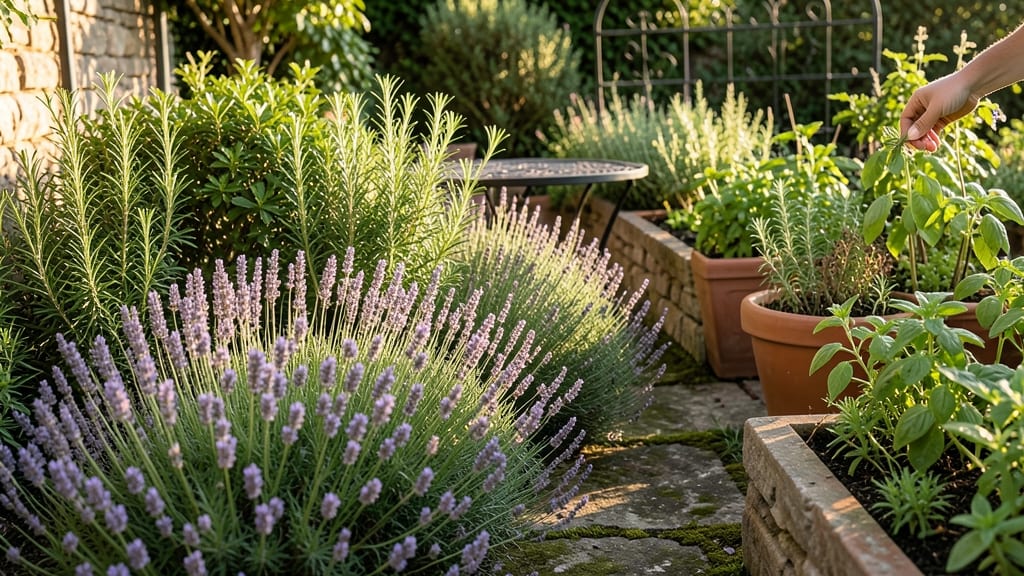
Turn your garden into a sensory escape with a fragrant shrub garden that doubles as a natural pest deterrent. Plant lavender and rosemary along kitchen borders or patio edges to enjoy their calming scents while keeping bugs away from your herbs and veggies.
These Mediterranean shrubs thrive in full sun to partial shade and well-drained soil, making them perfect for containers or garden beds. Prune lightly after flowering to maintain shape, and harvest sprigs for cooking or potpourri. The lavender's purple blooms and rosemary's silvery foliage create a stunning contrast that lasts all season.
Urban gardeners and herb enthusiasts will love this low-maintenance solution that blends beauty, function, and fragrance. 🌿
Modern Geometric Shrub Hedges with Boxwood
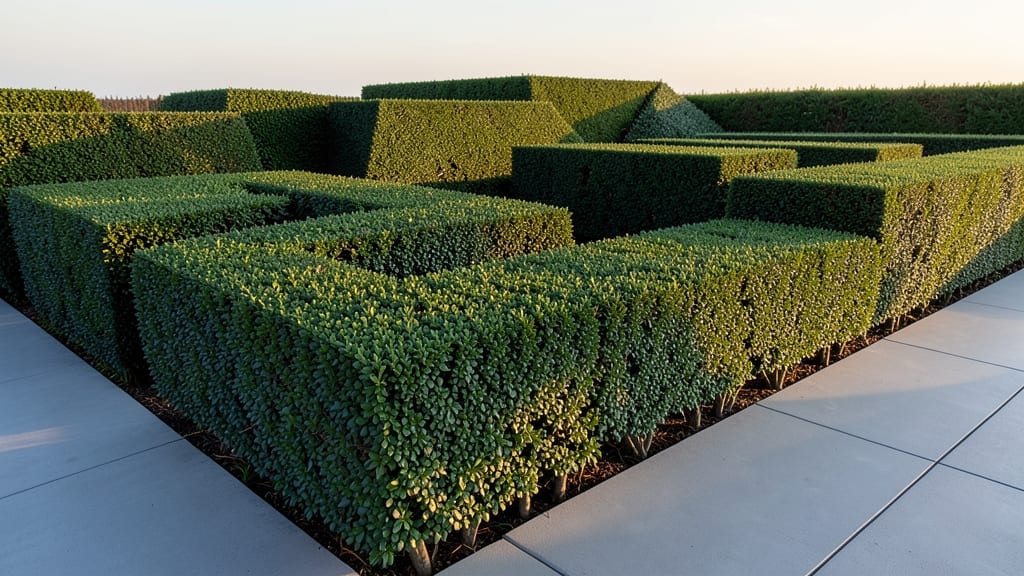
Tired of traditional rounded shrubbery? Modern geometric hedges bring sharp lines and architectural precision to your landscape while keeping maintenance simple. This design uses boxwood—the ultimate clean-lined shrub—to create crisp rectangles, triangles, or even abstract shapes that frame patios and pathways.
Pair the boxwood with taller pittosporum or dwarf holly for vertical contrast, ensuring your design stands out without overwhelming the space. The key is precision pruning—use a string line and sharp shears to maintain those sharp edges, and space plants 18-24 inches apart for dense growth. This look thrives in full sun to partial shade and works beautifully with gravel mulch for a sleek, contemporary finish.
Perfect for urban gardens or minimalist landscapes, this design offers year-round structure with minimal upkeep. It’s ideal for homeowners who want a polished, modern aesthetic without sacrificing low-maintenance practicality. ✨
Low-Maintenance Shrub Beds for Busy Gardens
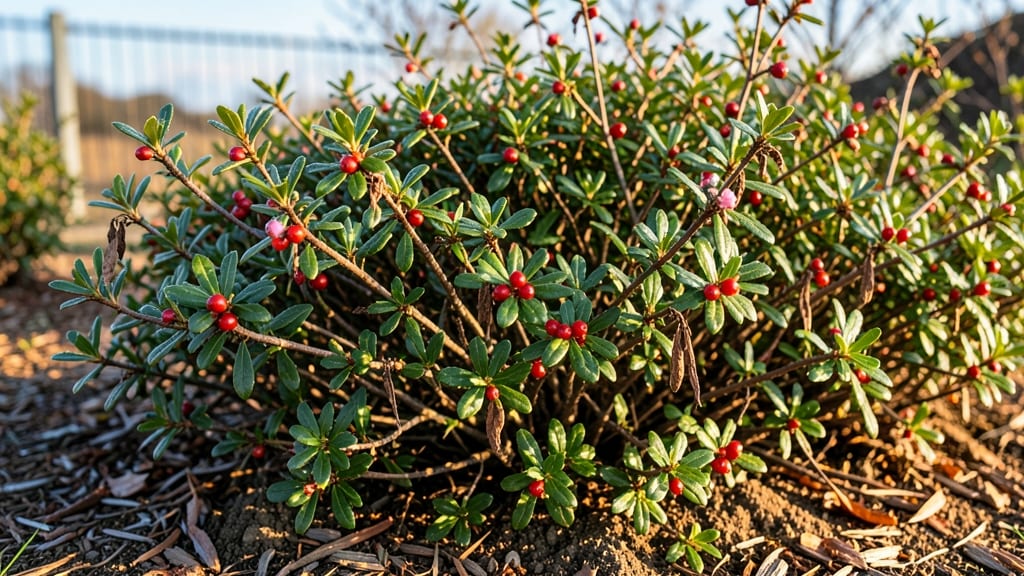
If you're short on time but still want a stunning garden, drought-tolerant shrubs like cotoneaster and barberry are your secret weapon. These hardy plants thrive on neglect, requiring water only every 2-3 weeks once established, while still delivering year-round structure and seasonal color shifts.
Start by grouping cotoneaster (with its vibrant fall foliage and berries) alongside barberry (known for its striking red stems and disease resistance). Both tolerate full sun to partial shade, making them versatile for most garden spots. Mulch with gravel or bark to suppress weeds and retain moisture—then step back and enjoy the results without the upkeep.
This low-maintenance combo is ideal for urban gardeners, first-time shrub owners, or anyone with a busy schedule. You’ll get a polished, low-water landscape that still feels lush and intentional. 🌿
Winter Interest Shrub Combination with Holly and Camellia
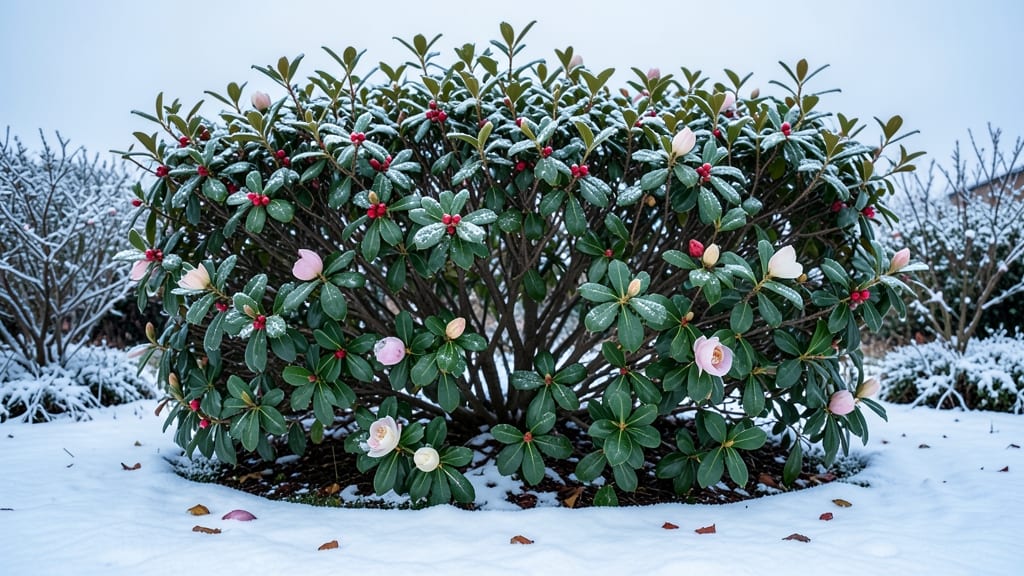
Cold winters don’t have to mean a dull garden—this holly and camellia combo delivers year-round color and structure even when snow blankets your yard. While most shrubs go dormant in winter, these two powerhouses keep your landscape vibrant from late fall through early spring.
Start with evergreen holly (like Ilex aquifolium or Ilex crenata) for glossy foliage and bright red berries that persist through winter. Pair it with winter-blooming camellias (Camellia sasanqua or Camellia japonica), which burst into rosy or white flowers from November to February. Plant holly as the taller backdrop (4–6 feet) and camellias slightly in front (3–5 feet) for layered interest.
This duo thrives in USDA Zones 7–9 and prefers partial shade, making it ideal for northern gardens where winter interest is often lacking. Gardeners in colder climates will love how this combination transforms bare winter landscapes into a living winter wonderland. ✨
Edible Shrub Border with Blueberries and Currants
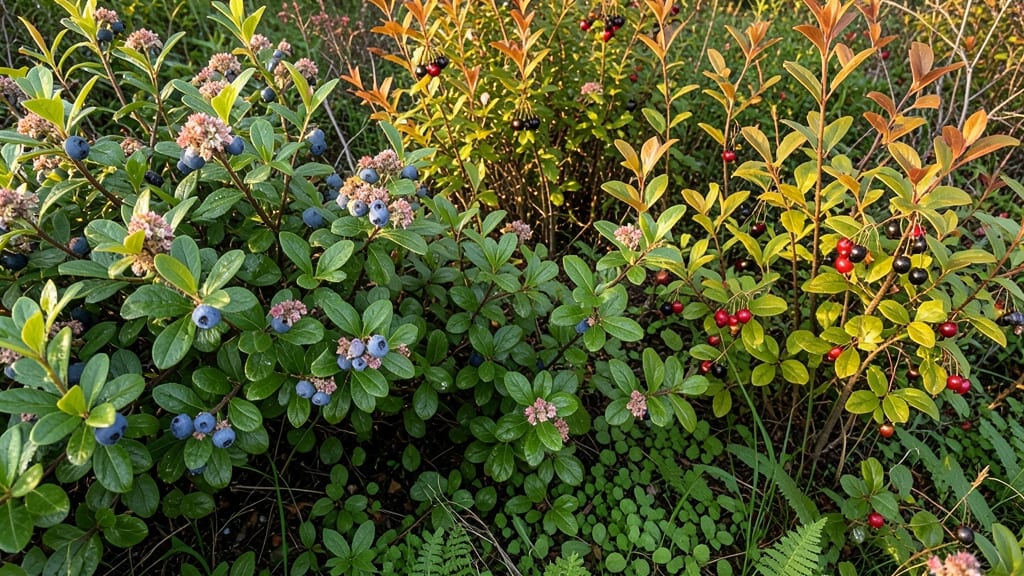
Turn your shrub border into a dual-purpose powerhouse by combining blueberries and currants—two shrubs that deliver both beauty and bounty. These edible plants create a lush, layered look while rewarding you with fresh fruit, making them perfect for permaculture gardens where every plant serves a purpose.
Plant blueberries (which thrive in acidic soil) along the back of your border for their glossy leaves and summer berries, while red or black currants add vibrant foliage and early-season fruit. Both shrubs are compact enough for small spaces but produce enough harvest to share with neighbors. Mulch with wood chips to retain moisture and suppress weeds, and prune in late winter to encourage healthy growth.
This design is ideal for gardeners who want year-round interest—currants offer spring blooms, summer fruit, and autumn color, while blueberries provide summer berries and evergreen foliage. It’s a win-win for both your plate and your landscape! 🌟
Dwarf Shrub Garden for Small Spaces

Urban balconies and tiny patios don’t have to feel cramped—dwarf shrubs transform them into lush, private retreats with minimal space. These compact plants like dwarf lilacs and abelia pack fragrance and color into containers or narrow beds, creating a cozy, secluded vibe without sacrificing square footage.
Start with 3-4 foot tall shrubs like dwarf lilacs for early spring blooms, paired with abelia for summer flowers and glossy foliage. Use terracotta pots or raised beds to define boundaries while keeping roots contained. Most thrive in 4-6 hours of sun and tolerate urban conditions like wind and reflected heat from buildings.
This solution is perfect for renters, city dwellers, or anyone with limited outdoor space. A well-placed dwarf shrub garden adds privacy, color, and curb appeal—all while keeping your footprint small. 🌻