
Landscaping
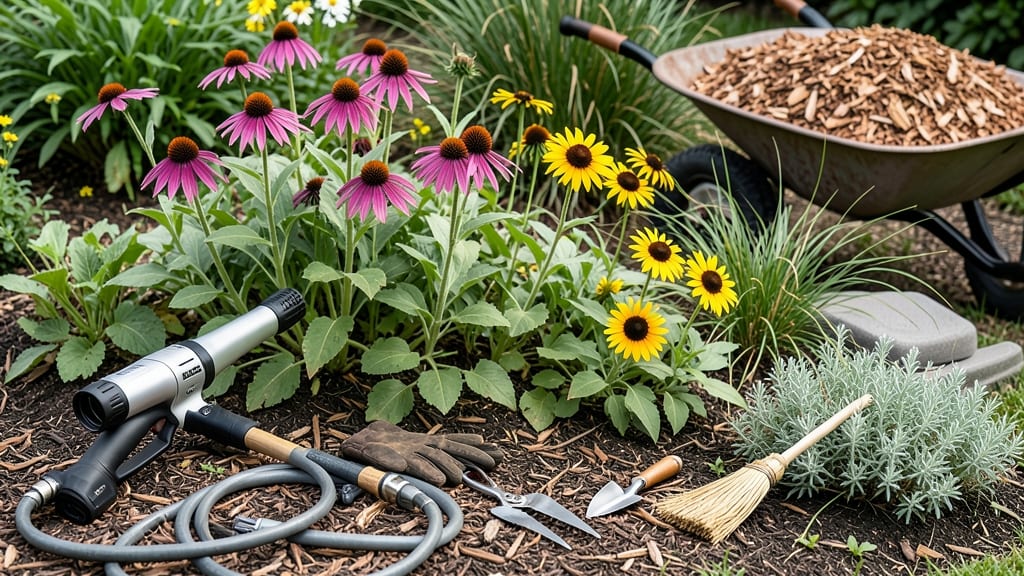
Landscape bed maintenance transforms your yard from a seasonal chore to a year-round showcase. 🌿 I used to dread spring cleanup, but now my beds look effortless—thanks to a few simple habits that keep weeds at bay and plants thriving without constant work.
The secret isn’t working harder, but smarter: layering mulch, choosing the right plants, and timing tasks to match nature’s rhythm.
Start with 3 inches of mulch—it blocks weeds, retains moisture, and feeds the soil as it breaks down. I swap out old mulch every fall, mixing in compost to refresh the bed without heavy digging.
For weeds, a quick pull in spring and a 10-minute weekly check keeps them under control before they spread. The right plants make all the difference: drought-tolerant perennials and ground covers like creeping thyme or sedum need almost no attention once established.
You’ll notice fewer weeds, healthier plants, and a garden that stays lush and green through heatwaves and droughts. The best part? Once you set up the system, maintenance takes under 30 minutes a month—no more backbreaking work or patchy, sad-looking beds.
Even my busiest summer still leaves time to enjoy the results.
This works for any yard—small city plots, large suburban landscapes, or even container beds on patios. The key is consistency: a little effort now means zero stress later. Let’s get those beds looking their best with minimal fuss.
📚 In This Guide
- What you need
- Instructions
- Tips and common mistakes
- Wrapping up and next steps
What you need
- ● Hand pruners or shears: Sharp, bypass-pruning tools (for clean cuts). Quantity: 1 pair.
- ● Garden gloves: Durable, breathable (nitrile or leather). Size: Fit snugly for grip.
- ● Rake: Metal-tined for debris removal or a leaf rake for finer materials. Type: 12–18" handle.
- ● Hose with adjustable nozzle: For watering or rinsing off tools. Tip: Add a spray attachment for precision.
- ● Mulch: Organic (pine bark, shredded leaves) or inorganic (gravel, rubber chips). Quantity: 2–3 bags (2–3 cubic feet each).
- ○ Edging tool: Metal or plastic for defining bed borders. Optional: Replace with a half-moon edger.
- ● Wheelbarrow or bucket: For hauling debris or mulch. Size: 2–3 cubic feet capacity.
- ● String trimmer/weed whacker: For overgrown edges or hard-to-reach spots.
- ● Knee pad or stool: For comfort during prolonged work.
- ● Soil tester kit: To check pH/nutrients if plants look lackluster.
- ● Hose attachment sprayer: For targeted watering or rinsing off dust.
- ● Solar-powered path lights: For evening visibility (and ambiance!).
Step-by-Step instructions for year-round landscape bed maintenance
Here’s how to keep your beds looking polished with just 30 minutes of focused work each season.
🌱 Step 1: Spring Cleanup and Soil Refresh
Start by removing winter debris—dead leaves, twigs, or mulch that’s broken down. Use a stiff rake to clear the surface while leaving beneficial insects undisturbed. I always work when soil is damp (after morning dew) so it resists clumping and reveals hidden weeds.
Next, loosen the top 2-3 inches of soil with a broadfork or hand trowel. This aerates without compacting, which is critical for root health. If your bed looks tired, spread a ½-inch layer of compost over the surface and lightly scratch it in. Avoid heavy-handed tilling—it disrupts soil microbes that keep plants thriving.
☀️ Step 2: Mulch, Weed, and Prune Strategically
Apply 2-3 inches of fresh mulch (wood chips, shredded bark, or pine straw) to suppress weeds and retain moisture. Pull mulch back from plant stems to prevent rot. I like to mulch in late spring after the soil has warmed—this prevents temperature swings that stress new growth.
Inspect perennials for winter damage: remove dead foliage but leave seed heads if birds visit your garden. Prune back overgrown shrubs by ⅓ of their height to encourage bushier growth. Never prune in wet weather—wait for a dry morning when tools stay clean and cuts heal faster.
💧 Step 3: Summer Watering and Deadheading
Water deeply once weekly (or more in extreme heat) to encourage deep root growth. I use a soaker hose early in the morning to avoid fungal issues. Check soil moisture by pushing a finger 1 inch deep—if it’s dry, water again. Avoid overhead sprinklers after dark; they promote mildew.
Deadhead spent blooms regularly to redirect plant energy into new flowers. For perennials like coneflowers, snip stems just above the lowest set of healthy leaves. This keeps your bed looking full without sacrificing next year’s blooms. I always carry small pruners and a bucket—it’s easier to tidy up as you walk the garden.
✂️ Step 4: Fall Prep for Winter Resilience
Cut back herbaceous perennials to 3-6 inches above ground level once foliage yellows. This prevents disease buildup in dead stems. Divide overcrowded plants like daylilies in early fall—they’ll establish roots before winter and bloom better next season.
Add a 3-inch layer of coarse mulch (like straw or leaves) to protect roots from freeze-thaw cycles. This is especially critical in colder climates where soil heaves and damages shallow roots. I mark beds with flags if I’ve added new plants—it’s easy to forget what’s there after snowfall.
⏰ Step 5: Winter Checks and Adjustments
Shake off snow from evergreen branches to prevent breakage. If heavy ice forms, use a broom to gently remove it—never scrape with sharp tools. Check for rodent damage around bulbs; scatter gravel or mesh if squirrels are digging.
Plan next year’s layout now. Sketch notes about what thrived (or flopped) and swap out tired plants. I always jot down sun/shade shifts caused by new structures—this helps me adjust plant placements for better performance.
Tips & tricks for season-long landscape beauty
Here's what nobody tells you about keeping your beds thriving with minimal fuss—these tricks cut your workload in half while boosting results.
Timing Secret: That 30-minute seasonal focus works best when you time it right. Tackle spring cleanup on a cloudy morning after dew dries—soil stays workable longer, and you avoid the afternoon heat. For fall prep, schedule your 3-inch mulch application after the first hard frost when soil temps drop below 50°F, creating a natural insulation barrier against winter heaving.
Tool Technique: I learned this the hard way after ruining three beds—never skip the broadfork in Step 1. A hand trowel only scratches the surface, but a broadfork's tines loosen the 2-3 inches of compacted soil without disturbing the deeper root zones. For stubborn clay soil, rent a rototiller just once to break up compaction, then switch back to hand tools to preserve soil structure.
Seasonal Adjustments: The 2-3 inches of mulch in spring and fall serves different purposes—spring mulch focuses on moisture retention, while fall's 3-inch layer prioritizes insulation. In drought-prone areas, double-check soil moisture at 1 inch deep before watering; if it's still damp, wait another day. For clay-heavy soils, consider wood chip mulch—it breaks down slower than straw, reducing the need for annual top-ups.
Winter Protection Hack: Don't just shake snow off evergreens—wrap young trees in burlap before heavy snowfall. The weight of accumulated snow can snap branches, and burlap creates an air pocket that prevents ice encasement. Mark new plant locations with bright flags (I use red plastic ones) to avoid disturbing roots when shoveling snow later in the season.
Pro Tips for Landscape Bed Maintenance
- Here's what nobody tells you about keeping your beds thriving with minimal fuss—these tricks cut your workload in half while boosting results.
- Timing Secret: That 30-minute seasonal focus works best when you time it right.
- Tool Technique: I learned this the hard way after ruining three beds—never skip the broadfork in Step 1.
Frequently asked questions
Got questions about keeping your landscape beds looking their best? You’re not alone! Here are some of the most common concerns—and straightforward answers—to help you maintain a stunning outdoor space with ease.
How often should I mulch my landscape beds?
Mulch should be refreshed once or twice a year, ideally in early spring and fall. Aim for a 2–4 inch layer to suppress weeds, retain moisture, and regulate soil temperature. Pro tip: Avoid piling mulch against tree trunks (keep it 6+ inches away) to prevent rot.
When is the best time to prune perennials and shrubs?
Prune early spring (just before new growth) for most perennials, and late winter for shrubs. Avoid heavy pruning in fall, as it can leave plants vulnerable to winter damage. Exception: Deadheading (removing spent blooms) can be done all season to encourage more flowers!
What’s the easiest way to remove weeds without chemicals?
Try a combination of prevention and manual removal:
- Hand-pull weeds when soil is moist (grasp the root!
- Use a hula hoop weeder or boiling water for stubborn patches.
- Apply corn gluten meal in early spring as a natural pre-emergent.
Consistency is key—check beds weekly to stay ahead.
How much water do landscape beds really need?
Most beds need 1–1.5 inches of water per week, either from rain or irrigation. Water deeply but infrequently (2–3 times weekly) to encourage strong root growth. Early morning is best to reduce evaporation and fungal risks. Drought-tolerant plants? Cut back to once weekly.
Why are my plants dying even with regular maintenance?
Common culprits include:
- Over/under-watering (check soil moisture 2 inches down).
- Poor drainage (amend soil with compost or sand if water pools).
- Pests/disease (inspect leaves for holes, spots, or sap—neem oil or insecticidal soap can help).
- Incorrect sunlight (relocate or choose shade-tolerant plants if needed).
When in doubt, test your soil (pH and nutrients) for targeted fixes!
Wrapping up and next steps
With just a little seasonal care, your landscape beds can thrive year-round—adding curb appeal and joy to your outdoor space! 🌿 The key is consistency: prune, mulch, and monitor regularly, but don’t overcomplicate it. Small efforts now mean less stress and more beauty later.
Ready to elevate your garden? Start with one simple task this week—whether it’s refreshing mulch, trimming overgrowth, or planning seasonal swaps. Your future self (and neighbors!) will thank you. 🌸