
Diseases
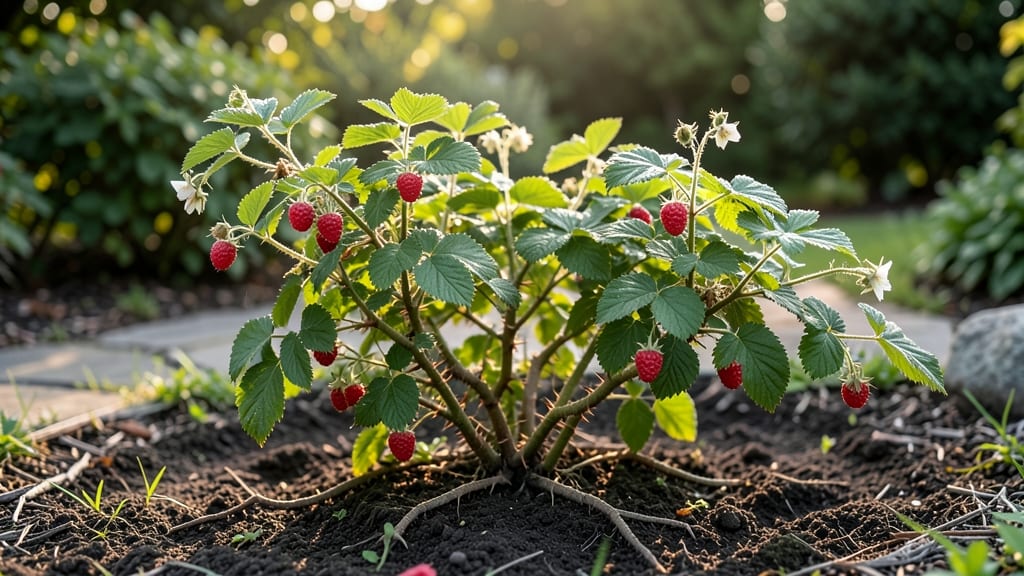
Raspberries are classified as a fruit because they develop from a flower’s ovary and contain seeds, though their aggregate structure and juicy texture differ from typical fleshy fruits like apples or oranges. Botanically, they’re classified as an aggregate accessory fruit due to their unique seed clusters and receptacle expansion.
Raspberries might seem like a simple berry, but their botanical classification tells a fascinating story about how plants develop fruit. 🌱 Unlike strawberries—which are technically aggregate fruits but develop from a swollen receptacle—the raspberry’s true fruit lies in its tiny, hard seeds called achenes.
These achenes form around the ovary walls, creating that signature hollow center when you pick one. The juicy, edible part comes from the receptacle, the part of the flower that holds the seeds, which expands as the fruit matures.
This unique structure isn’t just a botanical quirk—it directly impacts how raspberries grow. The aggregate fruit classification means each raspberry is made up of dozens of individual fruits fused together, requiring careful pollination for maximum yield.
Gardeners often notice that raspberries with more seeds (achenes) tend to be sweeter and more flavorful, as each seed contributes to the fruit’s development. Understanding this helps explain why some raspberry varieties produce larger, more uniform berries—they’ve been bred to optimize this complex growth process.
💡 In This Article
- Botanical Classification: Raspberry as an Aggregate Fruit
- Cultivating Raspberries: How Their Fruit Structure Affects Growth
Botanical classification: raspberry as an aggregate fruit
Raspberries belong to the aggregate fruit category, meaning each berry develops from a single flower containing multiple ovaries. Unlike simple fruits like peaches (drupes) or apples (pomes), raspberries form from dozens of tiny individual fruits called drupelets, each containing a single seed or achene.
These drupelets cluster around a central core that remains hollow when you pick the berry—a key distinguishing feature from true berries like blueberries, where the entire ovary wall becomes fleshy.
The juicy red flesh we eat isn't actually the fruit itself, but the expanded receptacle—the part of the flower that holds the ovaries. This makes raspberries an aggregate accessory fruit, where the receptacle grows dramatically to surround and support the developing drupelets.
For comparison, strawberries are also aggregate fruits, but their edible portion comes entirely from the receptacle, while raspberries' fleshy tissue comes from both the receptacle and the drupelet walls.
The average raspberry contains 80-120 achenes, each about 1mm in diameter, arranged in a hexagonal pattern visible when you examine the fruit closely.
This unique structure explains why raspberries have such a distinctive texture—each drupelet detaches cleanly when the berry is picked, leaving that characteristic hollow center. The receptacle's expansion is driven by plant hormones like auxin, which stimulate cell growth as the fruit matures.
In contrast, true berries develop from a single ovary with multiple seeds embedded in the flesh, like blackberries or grapes. The raspberry's complex development requires precise pollination to ensure all drupelets mature evenly, which is why gardeners often see variation in berry size and seed count.
Understanding this botanical structure helps explain why raspberries behave differently in cultivation. For example, their hollow core makes them more susceptible to cracking when exposed to sudden rain after dry periods, as the receptacle expands unevenly.
The drupelets' arrangement also affects flavor distribution—berries with more evenly developed drupelets tend to have sweeter, more uniform taste profiles. This is why commercial raspberry varieties are often bred to optimize both the number and size of drupelets for consistent quality.
One fascinating aspect of raspberry anatomy is how their seeds develop. Each achene contains a single seed that forms from the ovary after fertilization. The hard outer shell protects the seed while the fleshy drupelet wall provides nutrients during development.
This dual structure explains why raspberries are so effective at seed dispersal—animals eat the sweet flesh while the indigestible achenes pass through intact, ready to germinate. In the wild, this adaptation helps raspberry plants colonize new areas efficiently.
For gardeners, recognizing raspberries as aggregate fruits offers practical insights. When selecting varieties, look for those with high drupelet counts (typically 100+ per berry) for sweeter fruit, as each drupelet contributes to the overall flavor profile.
The plant's growth habit—producing canes that bear fruit on floricanes (second-year canes) or primocanes (first-year canes)—also reflects this complex fruit development. Summer-bearing varieties produce fruit only on floricanes, while fall-bearing types can fruit on both, demonstrating how the botanical structure influences cultivation strategies.