
Companion Plants
Creating a vibrant, pollinator-friendly flower bed doesn’t require rare or difficult-to-grow plants. These ten common yet stunning flowers thrive together, attract bees, butterflies, and hummingbirds, and offer year-round color with minimal maintenance.
Black-Eyed Susan Annual Flowers
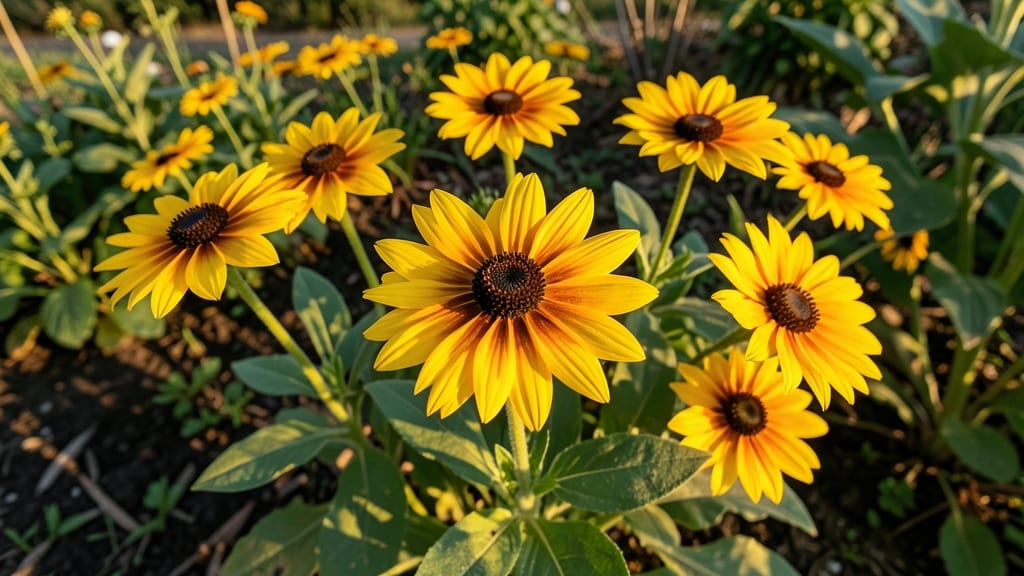
When your garden starts to look tired in late summer, black-eyed susan (Rudbeckia hirta) steps in as a cheerful, sun-loving hero. These drought-tolerant annuals burst into bright yellow blooms just as other flowers fade, providing a critical food source for bees and butterflies when nectar is scarce.
Plant them in full sun (at least 6 hours daily) and well-drained soil—they thrive even in poor conditions. Deadhead spent blooms to encourage more flowers, and watch them self-seed for years of effortless color. Their dark centers add striking contrast to cottage gardens or pollinator patches.
Perfect for beginners or busy gardeners, black-eyed susans require almost no maintenance while delivering maximum impact. 🌻
Bee Balm Perennial Wildflowers
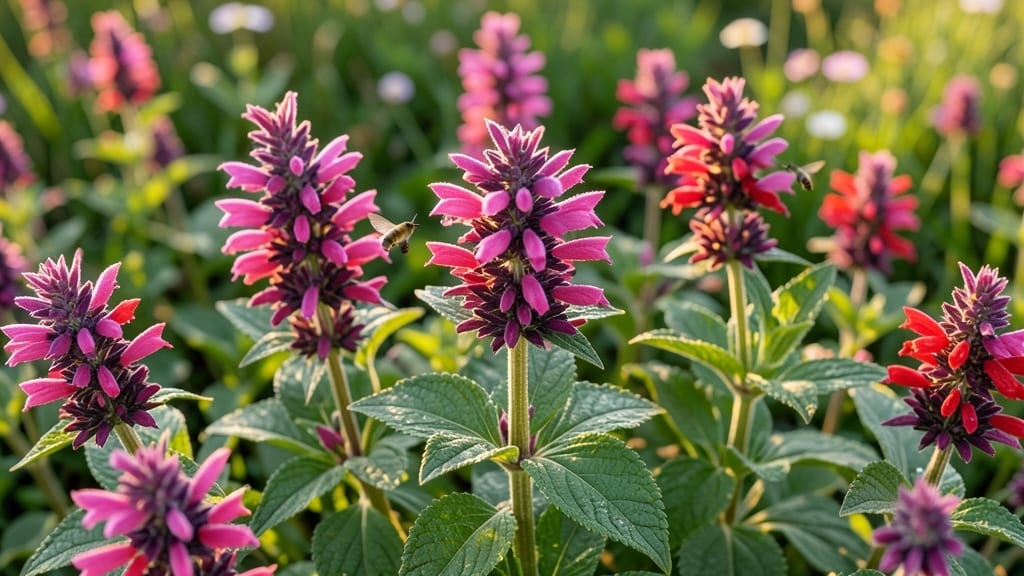
If you crave a pollinator powerhouse that doubles as a pest repellent, bee balm (Monarda spp.) is your answer. This mid-summer superstar bursts into clusters of pink, purple, or red tubular blooms that hummingbirds and bees can't resist, while its minty-scented leaves naturally deter aphids and other garden pests.
Thriving in full sun to partial shade, bee balm adapts to most soil types and spreads gently via rhizomes—ideal for borders or cottage gardens. For continuous blooms, deadhead spent flowers and divide clumps every 3-4 years to prevent overcrowding. Choose varieties like 'Jacob Cline' for tall spikes or 'Marshall's Delight' for compact growth.
Perfect for beginner gardeners and urban spaces, bee balm's vibrant colors and pest-repelling properties make it a must-have for any pollinator-friendly flower bed. 🌻
Coneflower Purple Perennials
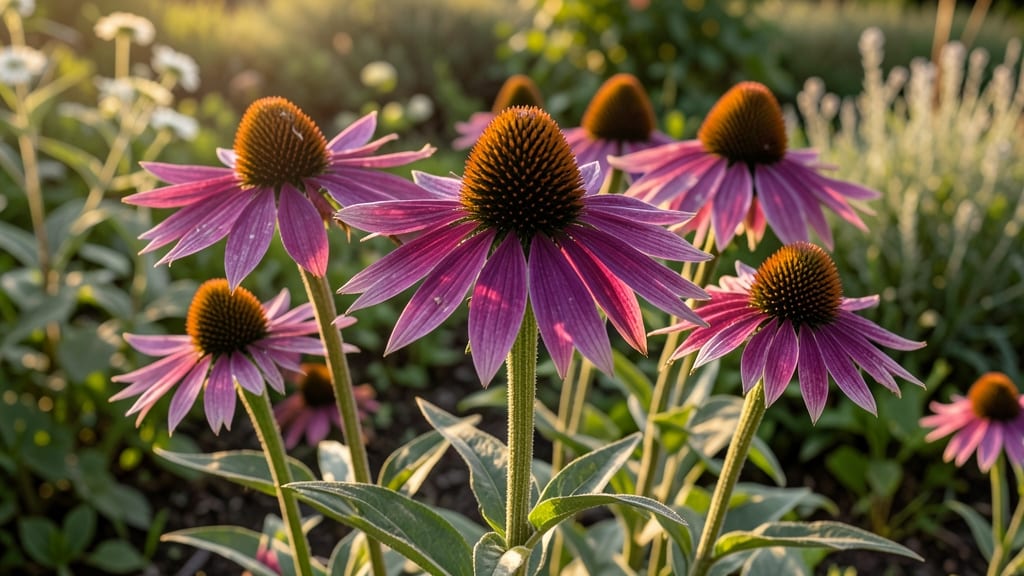
Looking for a pollinator powerhouse that blooms from early summer to frost? Purple coneflower (Echinacea purpurea) delivers bold color and year-round benefits with almost no fuss—its vertical blooms add drama while supporting bees, butterflies, and even hummingbirds.
These hardy perennials thrive in full sun to partial shade and tolerate poor soil, drought, and even deer browsing. Plant them in clusters for maximum impact, and watch as their disease-resistant foliage stays healthy even in humid climates. Deadhead spent blooms to encourage more flowers, and leave seed heads for winter interest.
Perfect for beginners and busy gardeners, coneflowers blend effortlessly into cottage gardens, prairie-style beds, or even containers. Their striking purple-pink petals and spiky centers create a focal point that keeps your flower bed buzzing with life. 🌻
Marigold Annual Flowers
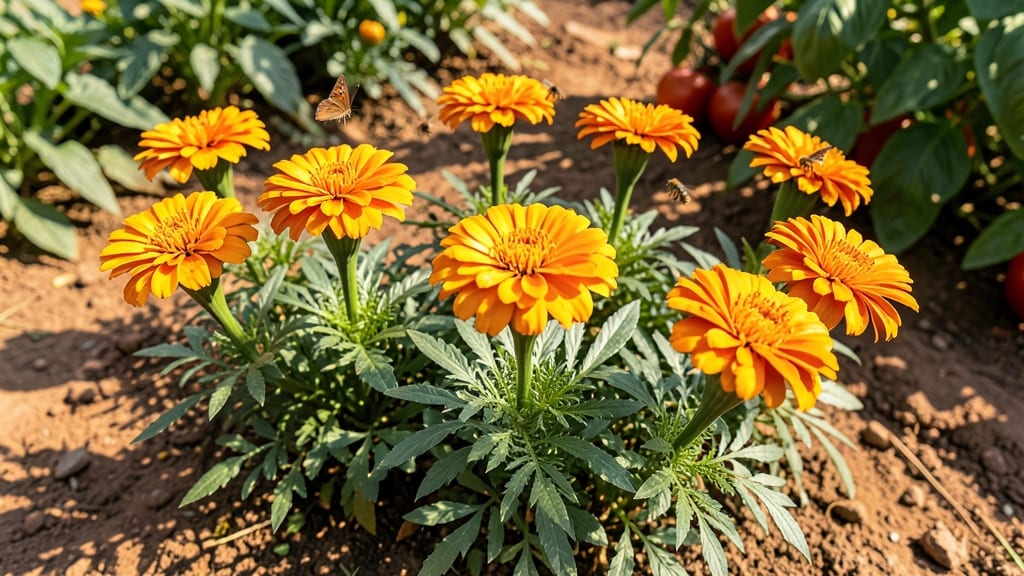
Need a pollinator powerhouse that doubles as a pest repellent? Marigolds are your secret weapon—these cheerful annuals thrive in full sun and release compounds that naturally deter nematodes and aphids, protecting nearby veggies and flowers.
Sow seeds directly in spring after frost, spacing them 12-18 inches apart for bush varieties or 6-12 inches for dwarf types. Their bright orange, yellow, or gold blooms attract hoverflies early in the season, giving bees a critical food source when other flowers are scarce. Bonus: Deadhead spent blooms to encourage nonstop summer-to-fall color.
Urban gardeners and edible gardeners will love marigolds—they’re perfect for borders, containers, or mixed with herbs like basil. Their pest-fighting properties make them a must for low-maintenance, high-impact pollinator gardens. 🌻
Salvia Perennial Herbaceous Plants
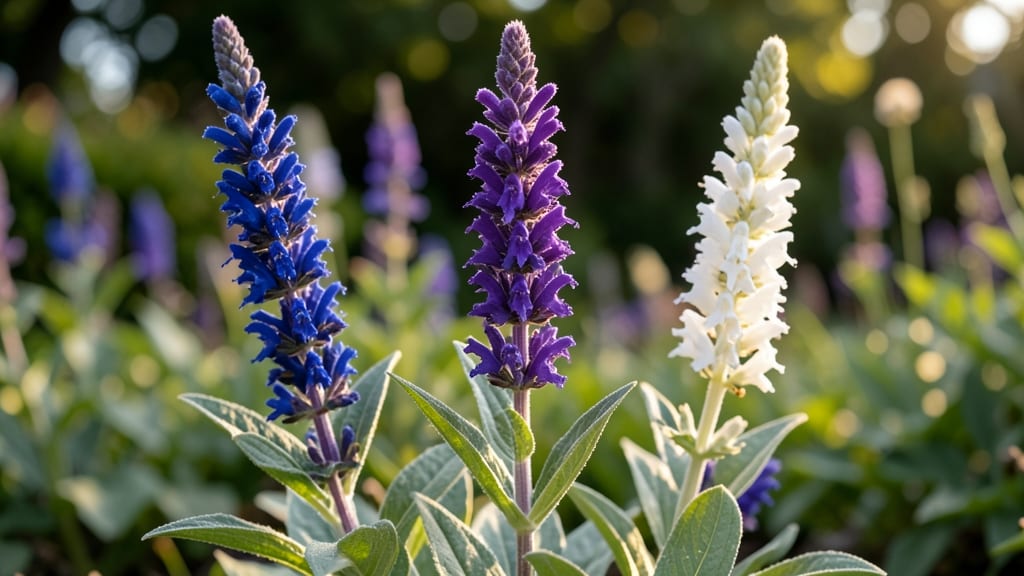
If you’re looking for a pollinator powerhouse that thrives on neglect and repels deer, salvia is your go-to perennial. These striking plants boast tall, architectural spikes of blue, purple, or white blooms that hummingbirds and bees can’t resist, making them a must-have for late-spring to summer color.
Salvia’s drought-resistant nature means it’s perfect for water-wise gardens, and its deer-resistant foliage ensures your blooms stay intact even in rural areas. Plant them in full sun with well-draining soil, and prune back faded spikes to encourage a second flush of flowers. Their upright growth habit also adds vertical structure to borders or cottage gardens.
For gardeners who want low-maintenance beauty with high pollinator value, salvia delivers—ideal for beginners or busy gardeners who still want a showstopping display. 💚
Zinnia Annual Flowers
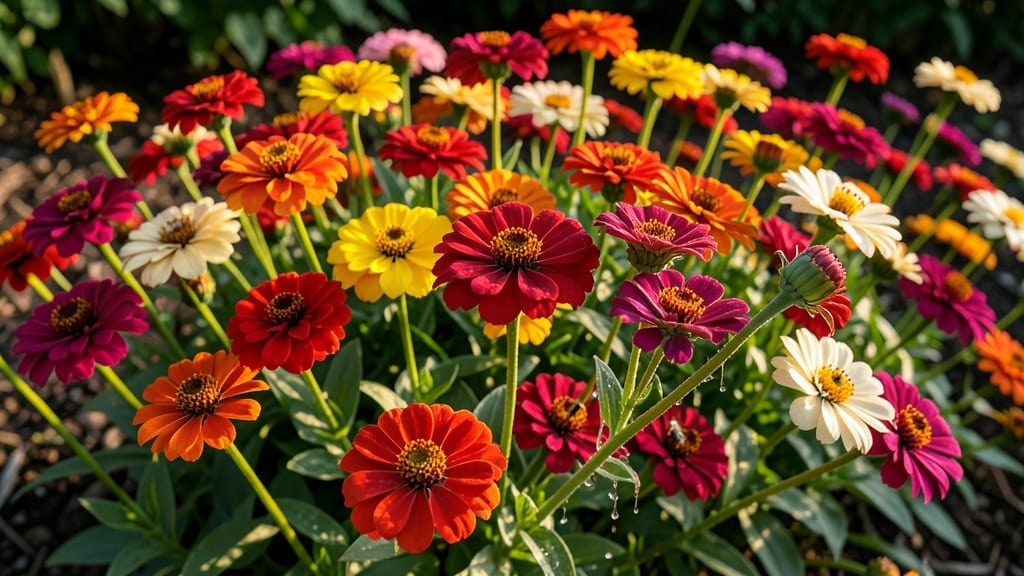
Want a pollinator magnet that doubles as a long-lasting cut flower? Zinnias check both boxes with their rapid growth and vibrant hues that keep bees and butterflies buzzing all summer.
These cheerful annuals bloom in just 6-8 weeks from seed and produce abundant flowers that last 7-10 days in vases—longer than most cut blooms. Choose from classic reds, bright oranges, or soft pinks to create a rainbow effect in your garden. For extra pollinator power, opt for double-flowered varieties like 'Benary's Giant' or 'Profusion' for continuous blooms.
Perfect for beginner gardeners and small spaces, zinnias thrive in full sun and well-drained soil. Plant them in clusters for maximum impact and deadhead spent blooms to encourage nonstop summer color. 🌻
Lavender Perennial Shrubs
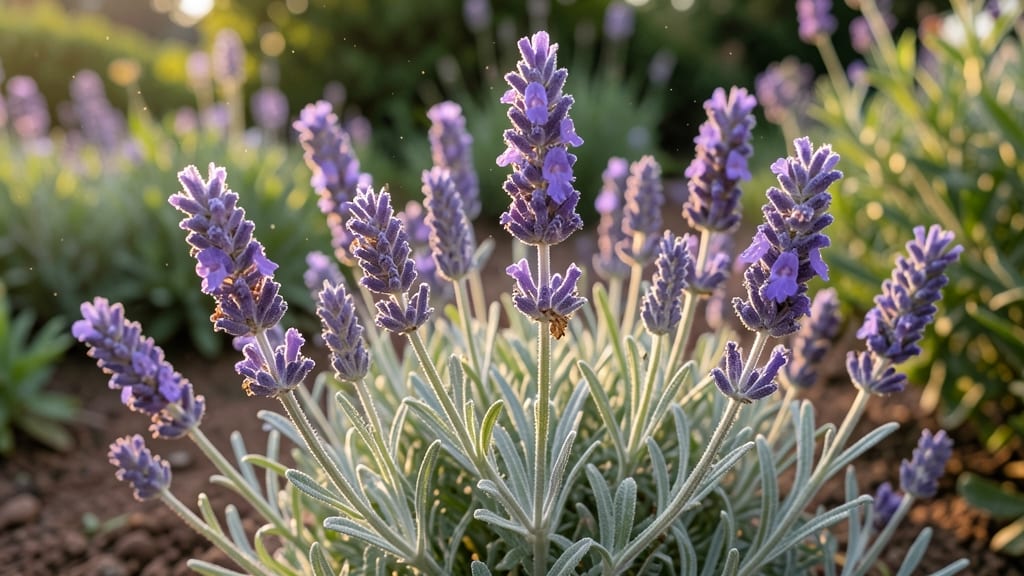
If you’re looking for a plant that does double duty—beautifying your garden while keeping pests at bay—lavender is your secret weapon. Its silvery-green foliage and fragrant purple spikes not only attract bees and butterflies but also repel mosquitoes naturally, making it a must-have for outdoor spaces.
This drought-tolerant perennial thrives in full sun and well-drained soil, requiring minimal water once established. Prune lightly after flowering to encourage bushier growth, and enjoy its soothing scent year-round. Lavender’s compact size (12–36 inches tall) makes it perfect for borders, containers, or even as a low hedge.
Ideal for beginners and busy gardeners, lavender’s resilience and versatility mean you’ll spend less time fussing and more time enjoying its benefits. 🌷
Cosmos Annual Wildflowers
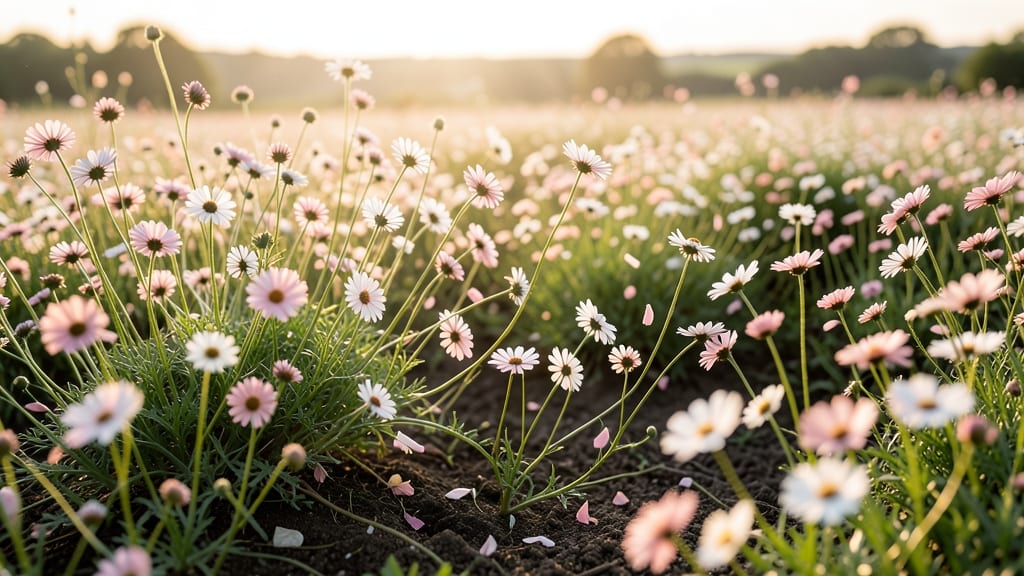
If you love a garden that feels effortless yet enchanting, cosmos wildflowers are your secret weapon. These lightweight annuals sway in the breeze, creating a dreamy cottage-garden effect with almost no upkeep—just plant, watch, and enjoy.
Cosmos thrive in full sun to partial shade and self-seed prolifically, often returning year after year without replanting. Their delicate blooms in pink, white, and magenta provide a pollinator buffet, attracting bees, butterflies, and even hummingbirds. Deadhead spent blooms to encourage continuous flowering from summer through frost.
Perfect for beginners or busy gardeners, cosmos add height and movement to beds while requiring minimal water and no fuss. They’re the ideal companion for other wildflowers or vegetables, filling gaps naturally. 🌻
Milkweed Perennial Host Plants
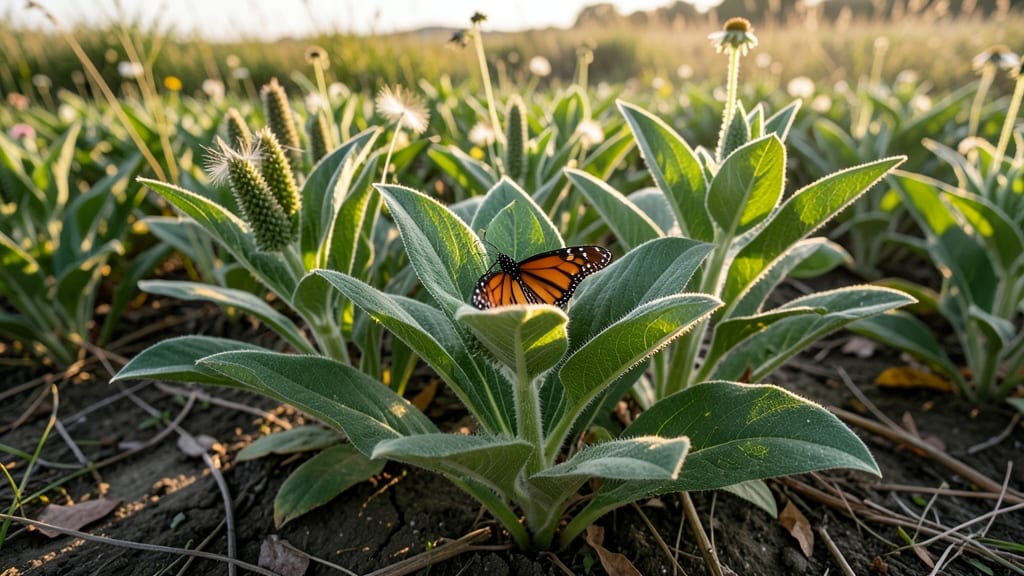
If you want to make a real difference for monarch butterflies, milkweed is the plant to include in your flower bed. Without it, these iconic orange-and-black butterflies can't complete their life cycle—your garden could be the saving grace for their survival.
Milkweed thrives in poor soil conditions and full sun, making it ideal for neglected spots in your yard. Its pink and purple blooms (June–August) attract bees and butterflies, while its unique oval-shaped leaves add architectural interest. Plant it in clusters for maximum impact, and watch as monarchs lay eggs on the foliage—you’ll see caterpillars and chrysalises forming right in your garden. 🌱
Goldenrod Late-Season Wildflowers

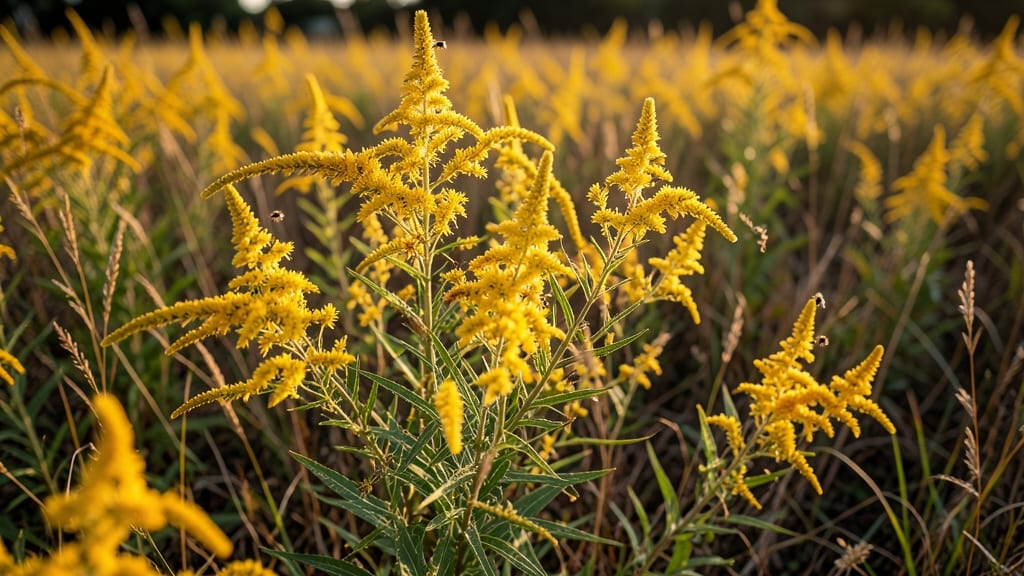
Don’t let goldenrod’s reputation as a "weed" fool you—this late-season powerhouse is a lifeline for pollinators when most gardens have gone quiet. Its bright yellow plumes burst into bloom from August through October, offering critical nectar when few other flowers remain.
Goldenrod thrives in full sun to partial shade and tolerates poor soil, making it ideal for sunny borders or wildflower meadows. Plant it in clusters for maximum impact, and skip the deadheading—its seed heads add winter interest while feeding birds. This hardy perennial spreads easily, creating a low-maintenance golden carpet that keeps bees buzzing until frost.
Perfect for pollinator gardens, goldenrod is especially valuable for urban gardeners with limited space—its airy stems add height without overwhelming smaller beds. 🌻