
Tools
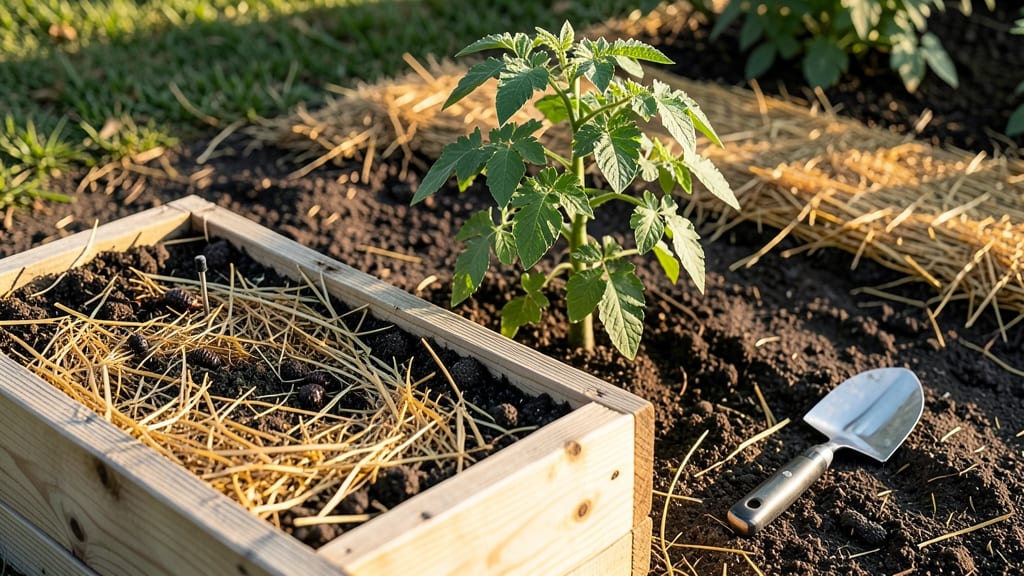
Choosing between raised garden beds and in-ground planting feels like picking between two different gardens—because, honestly, they are. 🌱 I spent years splitting my time between both, and each has moments where it absolutely shines (and others where it’s a nightmare).
The right choice depends on what you prioritize: control, convenience, or cost.
Raised beds give you total soil control—no more battling compacted clay or rocky ground. You build the perfect mix from scratch, and roots stay warm longer in spring. But they cost more upfront, dry out faster, and take up space you might not have.
My first raised bed was a game-changer for tomatoes, but I nearly gave up when I realized how much watering it demanded.
In-ground gardens win on space and budget—no materials, no edges to mulch, and room for bigger plots. But soil quality can be hit-or-miss, weeds take over like an invasion, and bending to work the earth gets harder with age.
Last summer, my back thanked me for finally adding a few raised beds just for the veggies I love.
Here’s the kicker: many gardeners use both. Start with raised beds for high-value crops like peppers and herbs, then expand into in-ground for potatoes or corn. The best system adapts to your yard, your body, and what makes you smile when you walk out the door.
The first product explained
If you're looking for a premium, hassle-free solution to elevate your gardening game, the Miracle-Gro Raised Garden Bed Kit is a fantastic choice! 🌱🔥 Designed for both beginners and seasoned gardeners, this kit offers a blend of convenience, aesthetics, and productivity.
Here’s a detailed look at what it brings to the table:
📏 Key Specifications
- Dimensions: 4' x 8' x 12" (expandable with additional panels)
- Material: Durable, UV-resistant cedar wood (naturally rot-resistant)
- Weight Capacity: Supports up to 500 lbs of soil and plants
- Assembly: Easy snap-together design (no tools required!)
- Drainage: Pre-drilled holes at the bottom for optimal water flow
- Included Accessories: 2 bags of Miracle-Gro Garden Soil and a planting guide
🌟 Standout Features
This raised bed isn’t just about looks—it’s packed with smart features to maximize your gardening success:
- Elevated Design: Reduces strain on your back while improving soil quality and drainage.
- Customizable Layout: Add or remove panels to fit your space or expand your garden over time.
- Built-in Soil Quality: Comes with high-quality, nutrient-rich soil to give your plants a head start.
- Pest Deterrent: Elevated beds naturally discourage ground-dwelling pests like slugs and rabbits.
- Aesthetic Appeal: Sleek, modern design that blends seamlessly with decks, patios, or yards.
🎯 Target Users
This product is ideal for:
- 🌿 Beginners: The included soil and planting guide make it easy to start growing without prior experience.
- 🏡 Urban Gardeners: Perfect for small spaces like balconies, patios, or rooftops.
- 👨🌾 Small-Farm Enthusiasts: Expandable design allows for larger harvests over time.
- 🦽 Accessibility-Focused Gardeners: The elevated height reduces bending and kneeling.
💰 Price Point and Value
The Miracle-Gro Raised Garden Bed Kit typically retails for $129.99 for the 4' x 8' kit. While this may seem like an investment upfront, the value shines through in:
- Long-Term Durability: Cedar wood resists rot and lasts for years.
- Time Savings: No need to till or amend in-ground soil—just plant and grow!
- Higher Yields: Controlled soil conditions lead to healthier plants and bigger harvests.
- Multi-Use Potential: Can be used for vegetables, herbs, flowers, or even small shrubs.
💡 Pro Tip: Pair this kit with a drip irrigation system to automate watering and keep your garden thriving with minimal effort!
The second product explained
If you're looking for a low-maintenance, high-yield solution that blends the best of both worlds—raised beds and in-ground gardening—Groundhog Raised Garden Bed might be your perfect match! 🌱✨ This innovative product is designed to give you soil control, weed suppression, and easy accessibility without the hassle of traditional raised beds or the limitations of in-ground planting.
📏 Specs & Features
Groundhog’s modular system is built to last with:
- Durable cedar or composite lumber (resistant to rot and pests)
- Modular design (expandable from 2’x4’ up to 8’x8’)
- Built-in irrigation slots for drip systems or soaker hoses
- Adjustable height options (12” or 18” for better accessibility)
- No assembly required—just snap together!
🎯 Who’s It For?
This product is ideal for:
- 🌿 Beginners—easy setup and minimal maintenance
- 🦽 Gardeners with mobility issues (adjustable height reduces bending)
- 🏡 Urban or small-space gardeners (modularity fits patios, balconies, or yards)
- 🌍 Eco-conscious growers (cedar is sustainable, and composite options are recyclable)
💰 Price Point & Value
Pricing starts at $150 for a 2’x4’ kit and scales up based on size. While it’s an investment, the long-term benefits—like reduced weeding, improved drainage, and extended growing seasons—make it a cost-effective choice over time. Plus, the modularity means you only pay for what you need!
Groundhog’s system is perfect if you want the soil control of a raised bed with the natural feel of in-ground gardening—without the backbreaking work. 🚜💪
Head-to-head comparison
🌱 Performance: Yield and Plant Health
When it comes to performance, raised garden beds and in-ground gardens each shine in different ways—but both can deliver a bountiful harvest with the right care. Let’s break down how they stack up:
- 🌿 Soil Quality & Drainage: Raised beds win here! They allow for custom soil mixes tailored to your plants’ needs, reducing compaction and improving drainage. In-ground gardens rely on native soil, which can be clay-heavy, rocky, or nutrient-poor without amendments. Pro tip: If your in-ground soil is poor, consider double-digging or adding compost to boost fertility. 💡
- 🌡️ Temperature Control: Raised beds warm up faster in spring (great for early planting!) but can also overheat in summer. In-ground soil stays cooler and more stable, which is ideal for heat-sensitive crops like lettuce. Pro tip: Use mulch in raised beds to regulate temps and retain moisture. ✨
- 📊 Yield Potential: Both can produce high yields, but raised beds often give you earlier and more consistent harvests due to better soil conditions. In-ground gardens may struggle with weeds, pests, or soil-borne diseases unless managed aggressively. Pro tip: Rotate crops yearly in both types to prevent depletion and disease buildup. 🎯
🛠️ Features: Customization and Convenience
One of the biggest perks of gardening is personalization, and these two methods offer wildly different levels of flexibility:
- 🔧 Soil Customization:
- Raised Beds: Full control—mix in compost, perlite, vermiculite, or organic matter to create the perfect growing medium. Ideal for container gardening or heavy feeders like tomatoes and peppers.
- In-Ground: Limited by native soil. You can amend it, but large-scale changes (like removing rocks or clay) are labor-intensive.
- 🚜 Accessibility & Maintenance:
- Raised Beds: Easier on the back—no bending or kneeling. Great for beginners, seniors, or those with mobility issues. Weeding and harvesting are more efficient.
- In-Ground: More traditional but requires more physical effort. Perfect if you love digging, tilling, and hands-on gardening.
- 🐛 Pest & Weed Control:
- Raised Beds: Fewer pests (e.g., gophers, grubs) and easier weed suppression with mulch or landscape fabric. Pro tip: Add chicken wire at the bottom to deter burrowing pests. 🔥
- In-Ground: More vulnerable to weeds, insects, and soil-borne diseases. Requires regular monitoring and organic sprays.
- 🎨 Design & Aesthetics:
- Raised Beds: Highly customizable—choose materials (cedar, composite, metal), shapes (square, round, spiral), and even vertical gardens!
- In-Ground: Blends naturally into landscapes but offers less visual variety unless you incorporate paths, trellises, or borders.
💰 Price: Initial Investment vs. Long-Term Costs
Your wallet will feel the difference between these two methods—both upfront and over time. Here’s the breakdown:
| Factor | Raised Garden Bed | In-Ground Garden |
|---|---|---|
| Initial Setup Cost |
|
|
| Ongoing Costs |
|
|
| Long-Term Value |
Lasts 5–15+ years with proper care. Portable—move to follow the sun or renovate your yard. |
Permanent investment in your land. No resale value for the garden itself, but improves property aesthetics. |
Pro tip: If you’re on a budget, start with one raised bed and expand in-ground over time! 💡
🏗️ Durability: Longevity and Structural Integrity
How long will your garden last, and how much upkeep will it need? Let’s compare:
- 🌲 Materials & Lifespan:
- Raised Beds:
- Cedar: 5–10 years (naturally rot-resistant but needs sealing).
- Composite: 10
- Raised Beds:
Which one should you choose?
So, which gardening method wins in the raised garden bed vs. in-ground showdown? The answer depends on your goals, space, and commitment level. Here’s a clear verdict to help you decide:
🌱 Best for Beginners or Small Spaces: Raised Garden Beds
If you’re new to gardening, short on space, or dealing with poor soil, raised beds are the way to go. They offer:
- Easier control over soil quality, drainage, and nutrients.
- Less bending and strain—perfect for those with mobility issues.
- Faster results due to warmer soil and better aeration.
- Pest and weed reduction since they’re elevated.
Ideal for: Urban gardeners, small yards, or anyone who wants a low-maintenance, high-yield solution.
🏡 Best for Long-Term Investments or Large Plots: In-Ground Gardening
If you have ample space, patience, and want to build soil fertility over time, in-ground gardening is the classic choice. It’s:
- More cost-effective in the long run (no bed materials).
- Better for large-scale planting (e.g., fruit trees, vines).
- Easier to expand as your gardening skills grow.
- More natural for deep-rooted plants.
Ideal for: Experienced gardeners, rural properties, or those with deep, fertile soil.
💡 Hybrid Approach?
Why not combine both? Use raised beds for high-value crops (veggies, herbs) and in-ground for perennials or large plants. This gives you the best of both worlds!
Final Tip: Test your soil first! If it’s rocky or clay-heavy, raised beds will save you headaches. If it’s rich and well-draining, in-ground might be your golden ticket. 🌟