
Tools
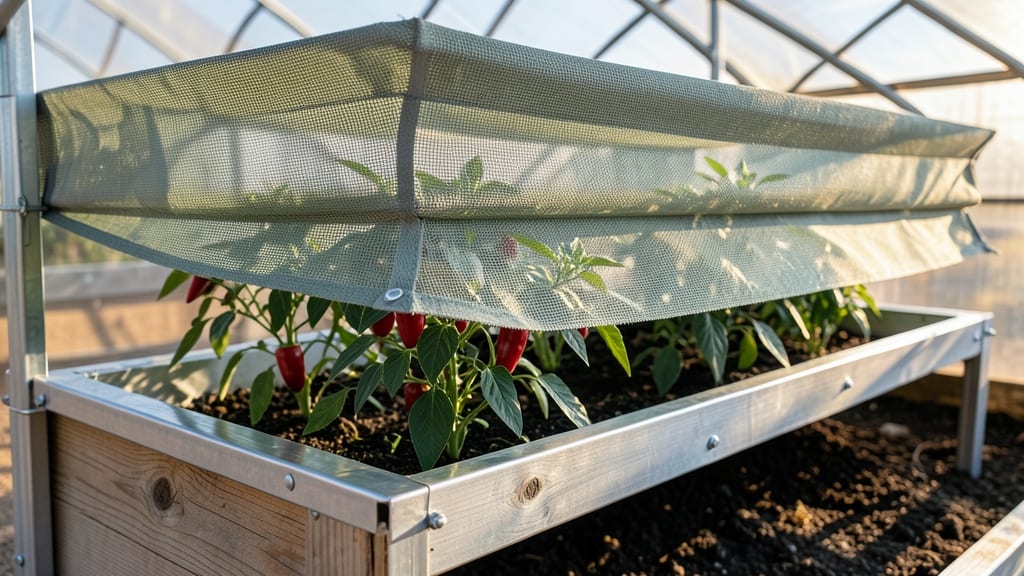
Struggling to protect your raised garden beds from scorching summer heat while keeping plants thriving? These ten heat-resistant shade fabrics offer UV protection without sacrificing airflow or growth potential, perfect for delicate vegetables, herbs, and flowers.
Knitted Shade Cloth with 30% Block
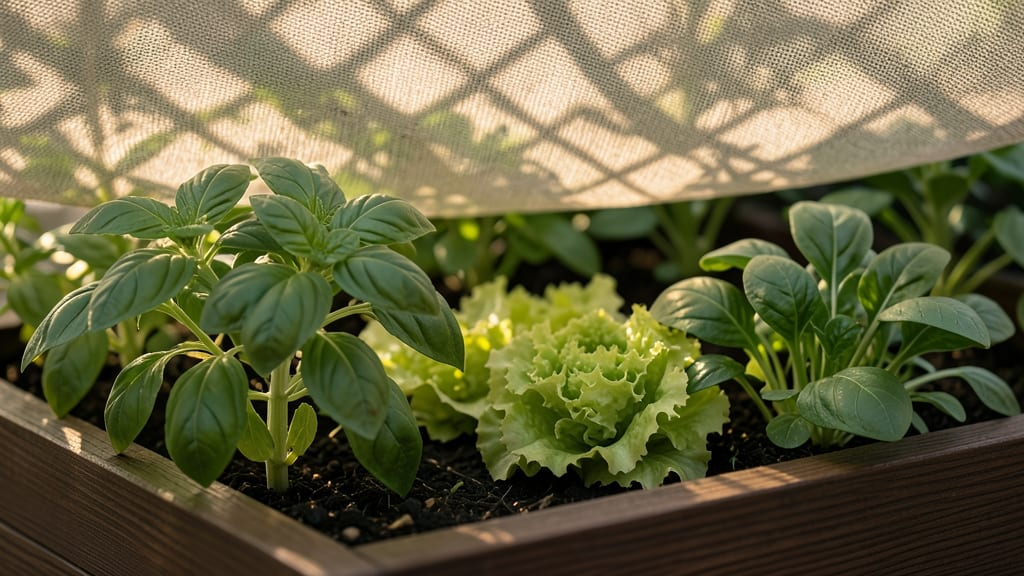
Watch your basil, lettuce, and spinach bolt into flower when summer heat strikes—30% block knitted shade cloth is the gentle solution for seedlings and tender greens. This fabric strikes the perfect balance, filtering just enough sunlight to prevent stress while letting 70% of light through for healthy growth.
Unlike heavy woven fabrics, the knitted design allows better airflow and prevents overheating of roots. Secure it 2-3 feet above seedlings to avoid touching stems, and use it during peak afternoon sun (11 AM–4 PM) for maximum protection. It’s lightweight enough to drape over hoops or lay flat, making it ideal for small raised beds where space is limited.
Perfect for beginner gardeners or urban growers with limited shade options, this cloth keeps your greens lush and productive without stunting growth. 🌱
Woven Polypropylene Shade Fabric 50% Density
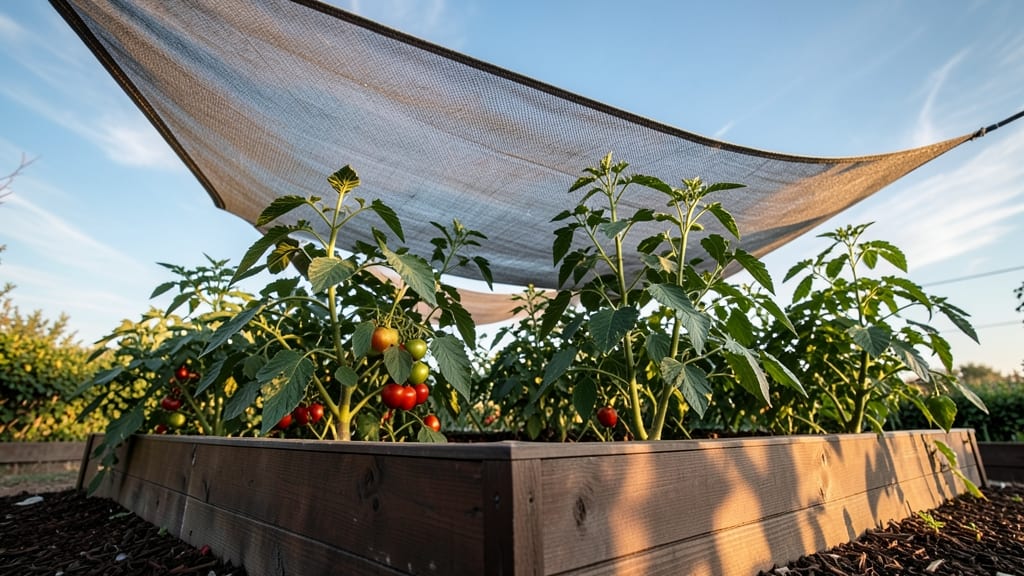
If you're growing tomatoes and peppers in a Mediterranean climate, this woven polypropylene shade fabric at 50% density is your secret weapon. It blocks just enough sunlight to prevent heat stress while still allowing your heat-loving crops to photosynthesize efficiently—no stunted growth here!
Unlike lighter fabrics that flutter in the wind or heavy materials that trap too much heat, this durable polypropylene withstands wind gusts up to 30 mph and resists rain and UV degradation for years. The 50% block rate is perfect for summer months when temps hover between 90-105°F, keeping foliage cool without sacrificing fruit production. Simply drape it over your raised bed and secure edges with landscape staples or brick weights for a snug fit.
This fabric is especially valuable for gardeners in California, Spain, or Southern Italy, where intense sun and dry winds can stress plants. It’s also a great long-term investment for those who want to avoid replacing flimsy shade materials every few seasons. 🌻
Aluminet Reflective Shade Cloth
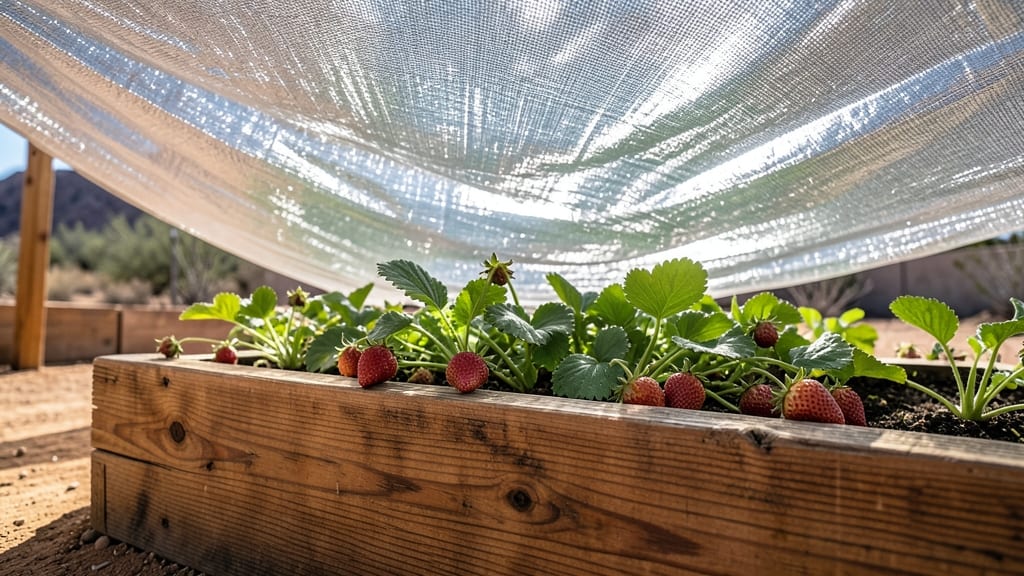
When desert heat pushes temperatures past 100°F, your strawberries and lettuce can wilt faster than you can say "harvest." That’s where Aluminet reflective shade cloth comes in—a game-changer for high-value crops that can’t tolerate scorching conditions.
This 40% reflective fabric works by bouncing sunlight away from your plants, reducing leaf temperatures by up to 15°F while still allowing essential light through. It’s especially ideal for shallow-rooted greens like butter lettuce and delicate berries, which bolt or burn under direct sun. The key is positioning it just above the canopy—no need to block all light, just the brutal midday rays.
Desert gardeners and market farmers swear by this for extending growing seasons and protecting premium crops. For those battling extreme heat, it’s the difference between thriving plants and wilting disappointment. ✨
Breathable Mesh Shade with UV Protection
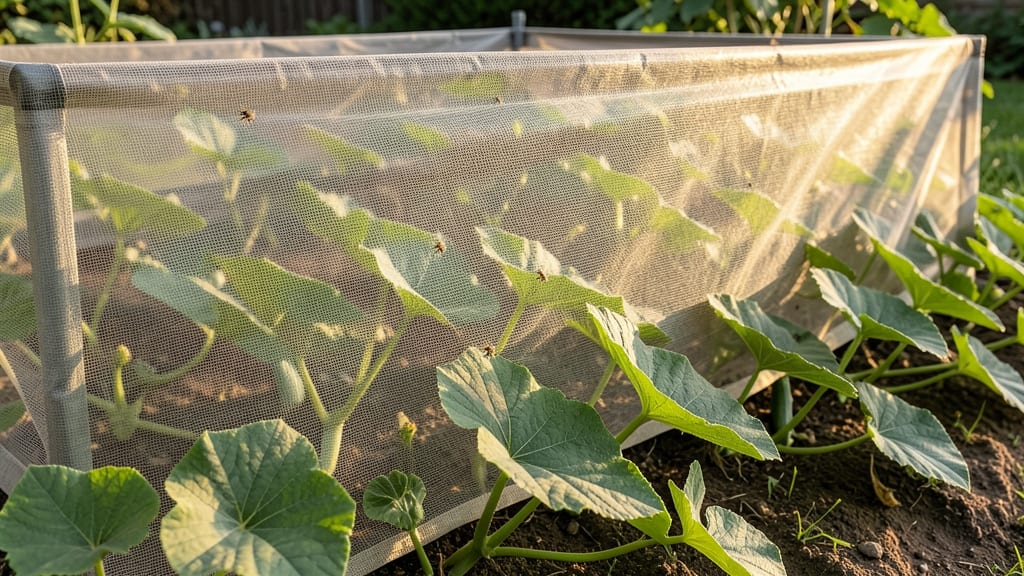
If you grow squash or cucumbers and want to protect them from harsh UV rays while keeping bees buzzing, this breathable mesh shade is your solution. Unlike traditional shade fabrics, its open weave lets pollinators access flowers while filtering out harmful rays that can scorch delicate leaves and reduce fruit quality.
Look for 30-40% shade density to balance UV protection with airflow—enough to shield plants from midday sun without suffocating them. Secure the mesh with soft clips or stakes to avoid damaging vines, and choose a light-colored fabric to reflect heat away. This is especially useful for vining plants that need cross-pollination but can't handle direct sun.
Perfect for small-scale gardeners or urban farmers who prioritize both yield and pollinator health. Your bees will thank you—and so will your harvest! 🌻
Thermal Reflective Bubble Shade
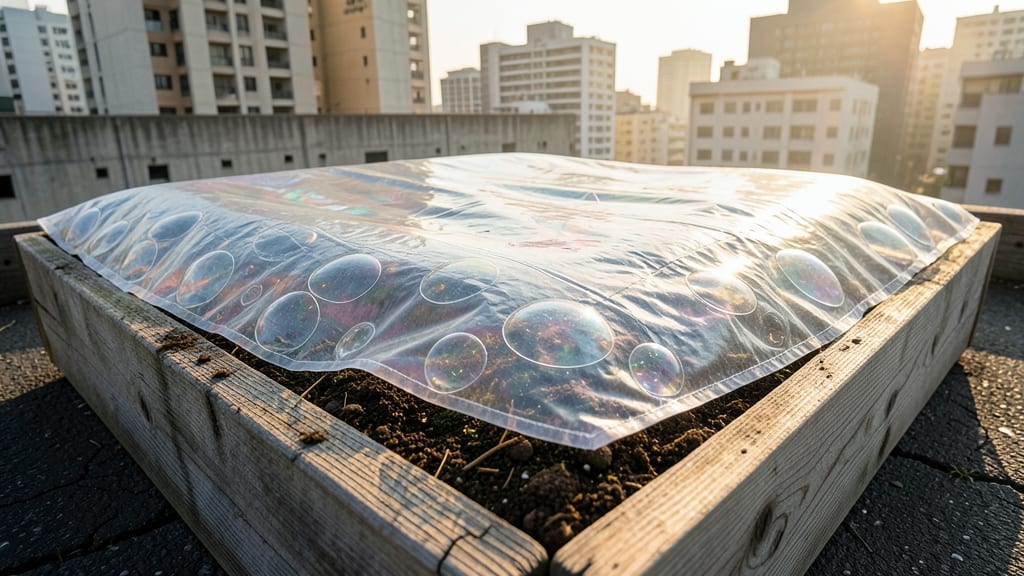
If your raised garden beds are nestled in a concrete jungle where heat radiates from pavement and buildings, thermal reflective bubble shade is your secret weapon. This innovative fabric doesn’t just block heat—it creates a cooling microclimate by trapping air between its bubbles while reflecting sunlight away.
The bubble pattern acts like a tiny greenhouse in reverse: cool air circulates beneath the fabric, while the reflective surface deflects up to 30% of solar radiation. This makes it ideal for container gardens where airflow is already limited, like balcony setups or small urban plots. Just drape it loosely over your plants—no tight fitting required—and watch temperatures drop by 10-15°F compared to open-air exposure.
Urban gardeners with heat-sensitive crops like eggplants, peppers, or herbs will love this solution. It’s especially useful when traditional shade cloth feels too heavy or restrictive—perfect for limited-space gardens where every inch counts. 🌻
Heavy-Duty Knitted Shade 70% Block
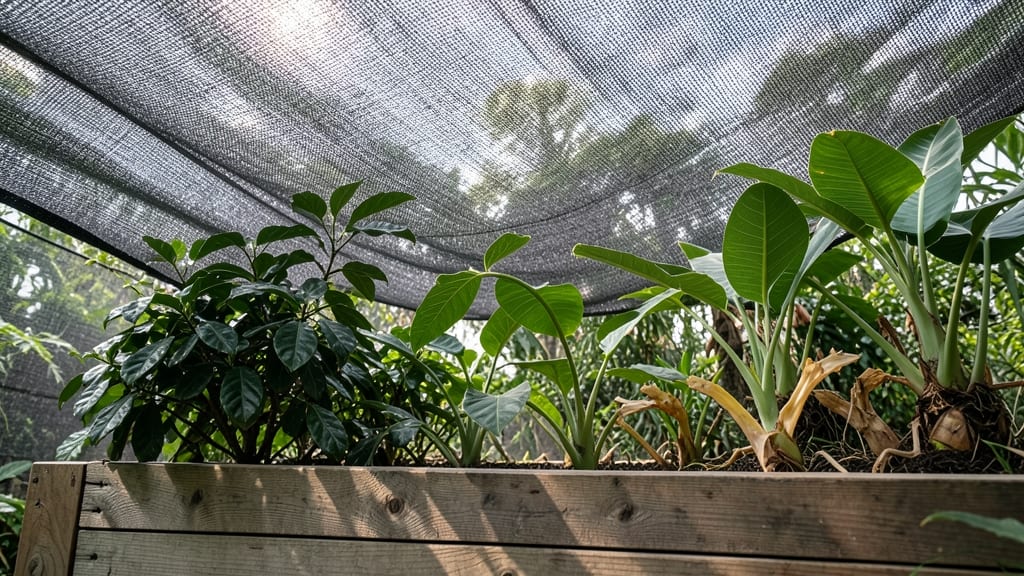
Bring the tropical rainforest to your raised bed with heavy-duty knitted shade at 70% block—the perfect solution for growing coffee plants, ginger, or banana trees that thrive in dappled sunlight. Unlike harsh full-shade setups, this fabric mimics the natural filtered light of a forest canopy, preventing leaf scorch while maintaining humidity levels these plants crave.
Made from UV-stabilized polyester, this shade is tough enough to handle heavy tropical foliage without tearing, yet breathable enough to prevent fungal issues. For banana trees, drape it loosely to allow airflow to the pseudostems, while ginger and coffee will flourish with consistent moisture retention. Secure edges with landscape staples or weights to prevent wind damage, and adjust height as plants grow taller.
This is the ultimate choice for urban gardeners with limited space but big dreams—ideal for growing exotic edibles in small raised beds. 🌿
Photoselective Red/Blue Shade Fabric
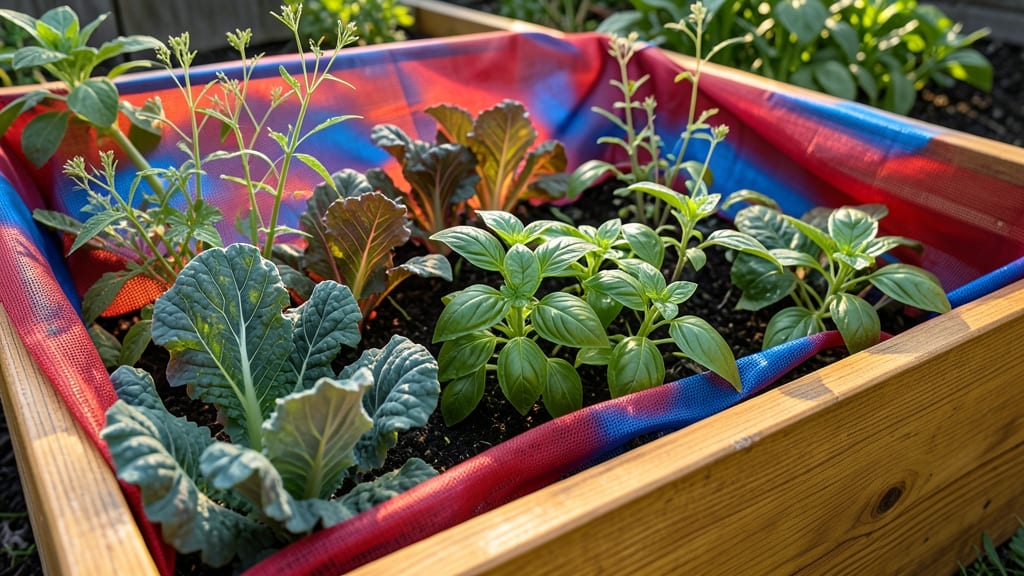
If you’re growing leafy greens and herbs in your raised bed but struggling with heat stress, photoselective red/blue shade fabric could be your game-changer. Unlike traditional shade cloth, this fabric filters specific light wavelengths—red and blue—to boost photosynthesis while reducing heat buildup.
The fabric’s red tint enhances chlorophyll production, leading to lusher, faster-growing plants like Swiss chard, kale, and basil, while the blue spectrum supports compact growth and higher yields. It’s ideal for hot climates where standard shade fabrics might stifle growth or over-filter light. Simply drape it over your bed, securing edges with clips or weights, and watch your greens thrive in cooler, more efficient conditions.
Perfect for market gardeners, urban farmers, and herb enthusiasts, this fabric is a precision tool for maximizing yield without sacrificing plant health. 💚
Retractable Shade System with 40% Cover
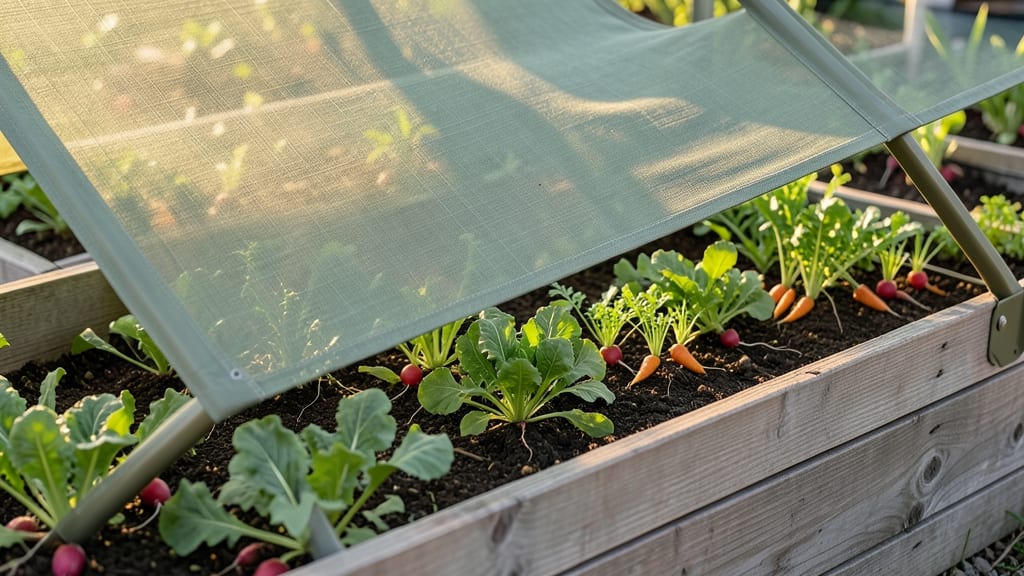
Market gardeners juggling multiple crops in one raised bed finally have a flexible solution: retractable shade systems with 40% cover. Unlike static shade fabrics, these systems let you adjust coverage as plants grow, ensuring delicate greens get protection while heartier crops like radishes or kale can handle more sunlight later in the season.
Install the system at planting time, then simply roll up or down the fabric as needed—ideal for succession planting strategies. The 40% coverage balances heat reduction with photosynthesis needs, making it perfect for spring starts that need shade from bolting but will tolerate more sun as summer progresses. Secure with heavy-duty clips or weights to prevent wind damage, and you’ll spend less time wrestling with fixed shade solutions.
This adaptable approach saves space and labor for growers with limited square footage, letting them maximize yields without sacrificing plant health. 🌱
Biodegradable Hemp Shade Net
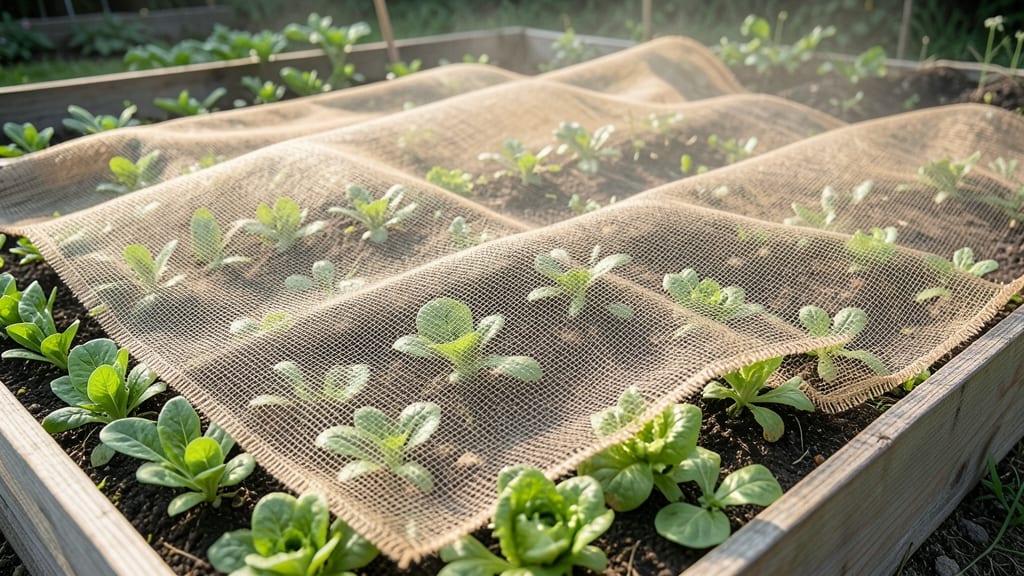
Looking for a shade solution that aligns with your organic gardening values? A biodegradable hemp shade net offers the perfect balance of eco-friendliness and plant protection, especially for short-season crops like spinach and lettuce.
Made from natural hemp fibers, this shade net provides gentle UV protection while allowing airflow to reach your plants. Unlike synthetic fabrics, it breaks down completely at the end of the season, eliminating waste and enriching the soil. For cool-season crops, it extends harvest windows by shielding delicate leaves from intense afternoon sun without stunting growth.
This is the ideal choice for certified organic gardens or gardeners who prioritize sustainability. Simply drape it over your raised bed in early spring and remove it as temperatures rise—no cleanup required! 🌱
Double-Layered Shade System

When desert heat pushes greenhouse temperatures into the triple digits, a double-layered shade system becomes your secret weapon. This ingenious setup combines a 30% shade top layer with a reflective bottom layer to create a cooling microclimate that protects heat-sensitive crops like peppers and chili plants.
The top layer filters sunlight while allowing airflow, while the reflective bottom layer bounces back heat that would otherwise radiate upward. This dual approach can reduce soil temperatures by up to 15°F, making it ideal for greenhouse raised beds in 100°F+ climates. Use lightweight aluminum foil or reflective bubble fabric for the bottom layer, secured just above the soil surface.
This system is a game-changer for gardeners in arid regions who want to grow heat-sensitive crops without sacrificing yield. 🌻