
Tools
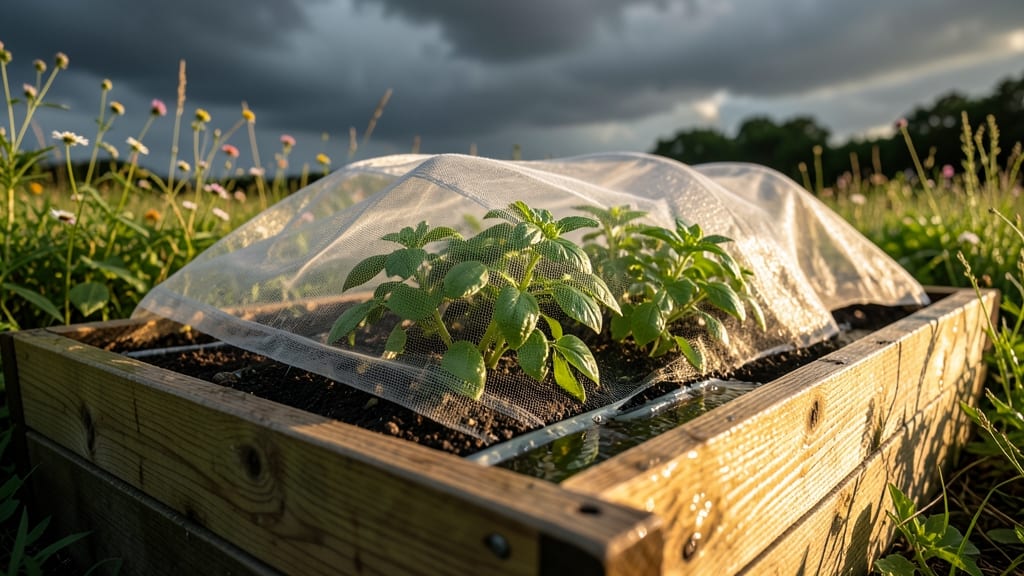
Missouri summers bring intense heat and unpredictable storms that can devastate your raised garden beds. The right cover protects your plants from scorching temperatures, retains moisture, and shields them from pests—while still allowing sunlight and air to reach your crops.
Shade Cloth with 30% Blocking
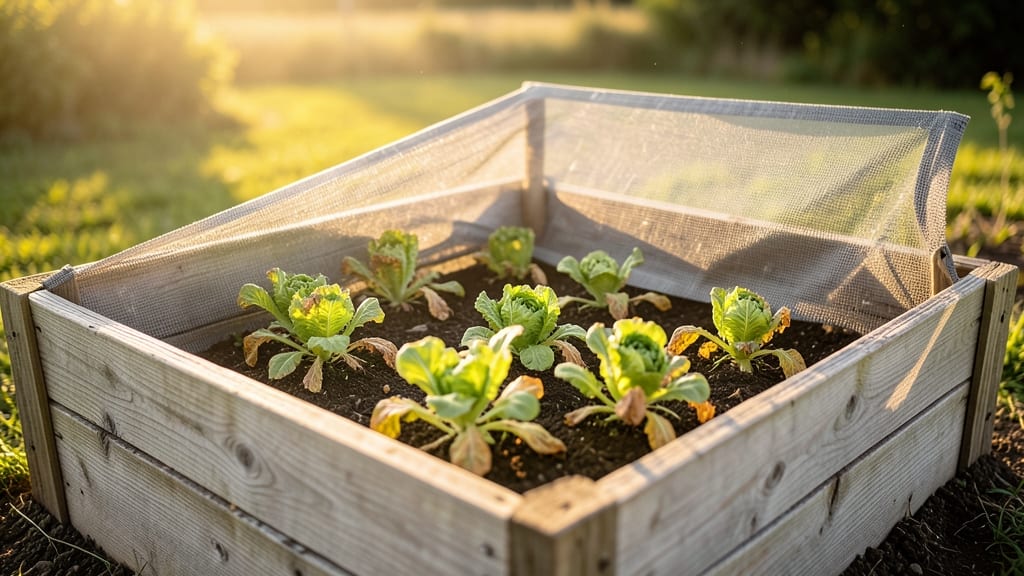
Missouri’s summer sun can turn your raised bed into a sauna for delicate greens like lettuce or spinach, but 30% shade cloth strikes the perfect balance—filtering just enough light to prevent bolting while keeping airflow crisp. This lightweight fabric blocks harsh UV rays without suffocating plants, making it ideal for heat-sensitive crops that wilt under full sun.
Install it loosely over your bed, securing edges with stakes or clips to allow gentle airflow while reducing soil temperatures by up to 10°F. For Missouri’s humid summers, this prevents mold and fungal issues that plague overheated greens. Simply drape it during peak afternoon sun (12–4 PM) for maximum protection without long-term commitment.
Perfect for beginners or urban gardeners with limited space, this solution extends the growing season for leafy crops by weeks—no complex setups required. Your spinach will stay crisp and your basil won’t bolt. 🌿
Reflective Silver Thermal Blanket
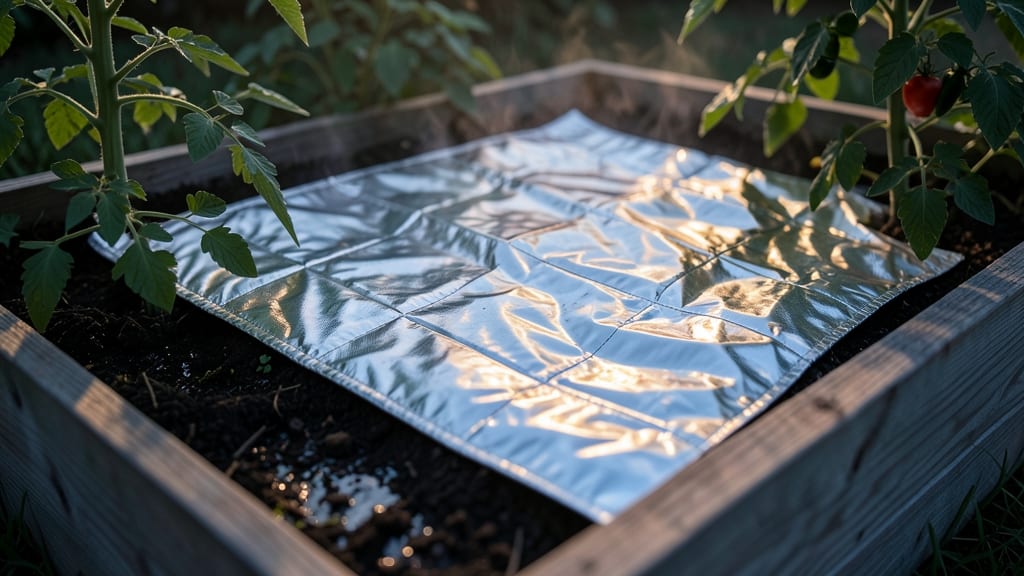
When Missouri’s summer nights take a sudden chill, your tomatoes and peppers can suffer—even if daytime temps are perfect. A reflective silver thermal blanket acts like a heat shield, bouncing back up to 90% of radiant heat while keeping warmth trapped where it belongs: in the soil and around your plants.
This lightweight, breathable cover works best when draped over beds after sunset, creating a microclimate that prevents chilling stress on warm-season crops. Unlike heavy plastic, it allows airflow and morning sunlight to penetrate, while its reflective surface keeps soil temps stable. For Missouri gardeners, this means extended harvests for peppers and tomatoes that might otherwise stall when nighttime temps dip below 60°F.
Perfect for gardeners who want to push their growing season without smothering plants, this blanket is especially useful during Missouri’s unpredictable summer transitions—when daytime heat gives way to cooler evenings. 🌻
Burlap Sack for Pest Barrier
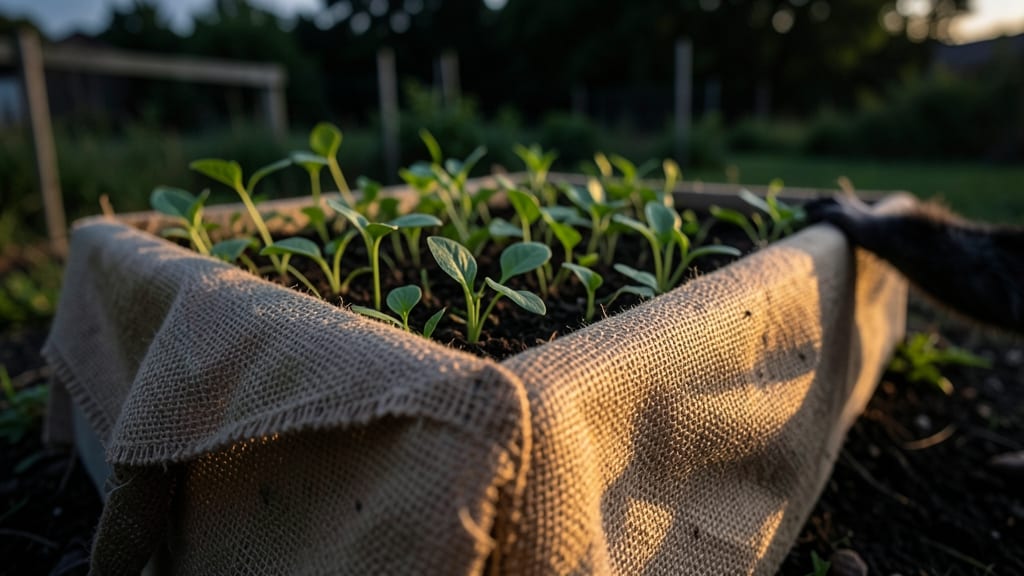
When raccoons and deer turn your raised garden into their midnight buffet, a burlap sack becomes your secret weapon—it’s sturdy enough to deter pests but breathable enough to let your plants thrive. Missouri’s summer nights are prime time for wildlife raids, and this natural barrier creates a physical obstacle without suffocating your crops.
Drape the sack loosely over your bed, securing it with stakes or rocks at the corners to prevent flapping. The coarse texture frustrates climbers, while the gaps allow pollinators and airflow—critical for plants like green beans or peppers. For extra defense, add a second layer during peak foraging season (June–August).
This low-cost solution is perfect for beginners or gardeners with limited budgets, offering protection without the complexity of synthetic fabrics. Just remember to remove it during harvests to avoid snags. 💪
Clear Polycarbonate Tunnel Hoop
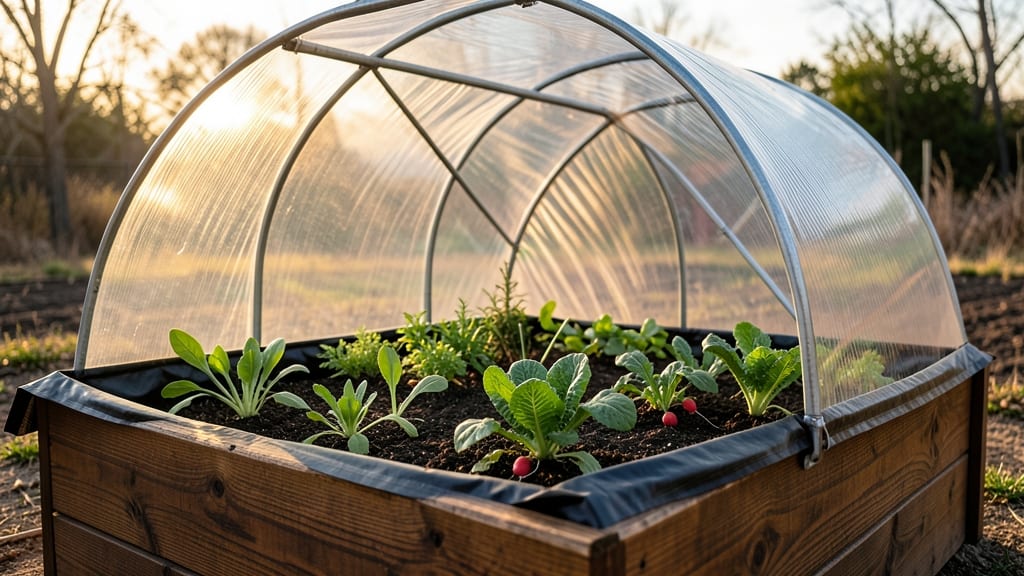
Missouri’s short growing season means every extra week counts—especially when you can start plants 4-6 weeks earlier in spring or keep them growing into late fall. A clear polycarbonate tunnel hoop creates a greenhouse effect that traps warmth while letting sunlight through, making it perfect for frost-sensitive crops like tomatoes, peppers, and leafy greens.
These lightweight, durable hoops are easy to assemble over raised beds and provide year-round protection from light frosts. The clear panels diffuse sunlight evenly, preventing scorching while maintaining humidity levels. For best results, pair them with drip irrigation to avoid condensation buildup on the panels, which can smother young plants.
This solution is ideal for urban gardeners with limited space or anyone looking to maximize their raised beds without sacrificing sunlight. It’s also a great way to harden off seedlings before transplanting them into the garden. 🌱
Straw Mulch Layer for Moisture Retention
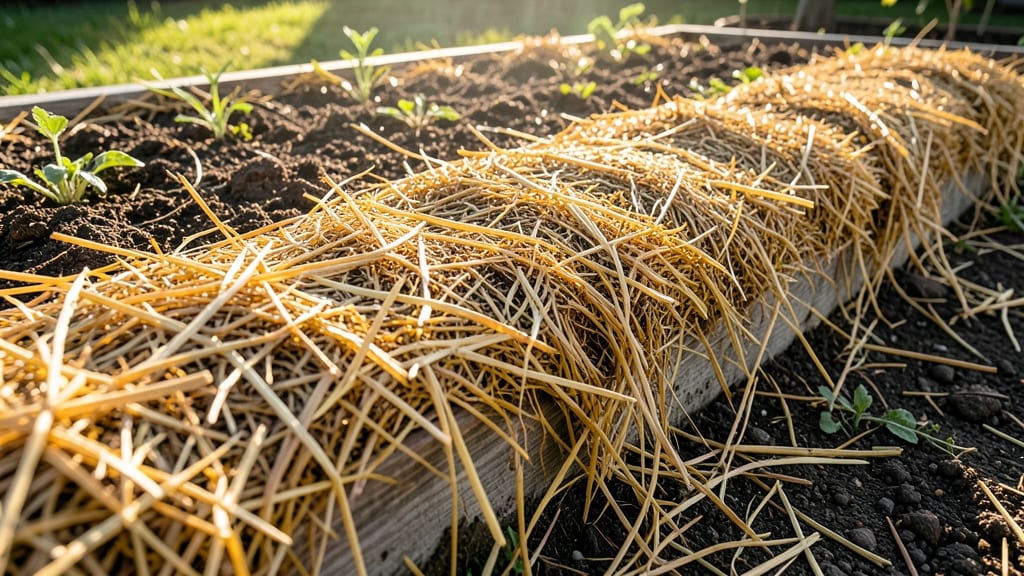
When Missouri’s summer sun turns your raised bed into a drying oven, straw mulch becomes your secret weapon—not just for moisture, but for long-term soil health. Unlike synthetic covers, straw insulates soil by blocking evaporation while allowing rainwater to penetrate, keeping roots consistently hydrated during dry spells that can last weeks.
Spread a 3-4 inch layer of straw after planting, leaving space around stems to prevent rot. This organic blanket also smothers weeds by blocking sunlight and gradually decomposes, adding 1-2% organic matter to your soil each season. For best results, use wheat or oat straw (avoid hay, which contains seeds) and replenish every 2-3 months as it breaks down.
Perfect for gardeners who prefer low-maintenance, eco-friendly solutions, straw mulch works especially well with root crops like carrots and beets, or shallow plants needing consistent moisture. It’s the only cover that gives back to your soil while protecting it. 💚
Heavy-Duty Row Cover Fabric
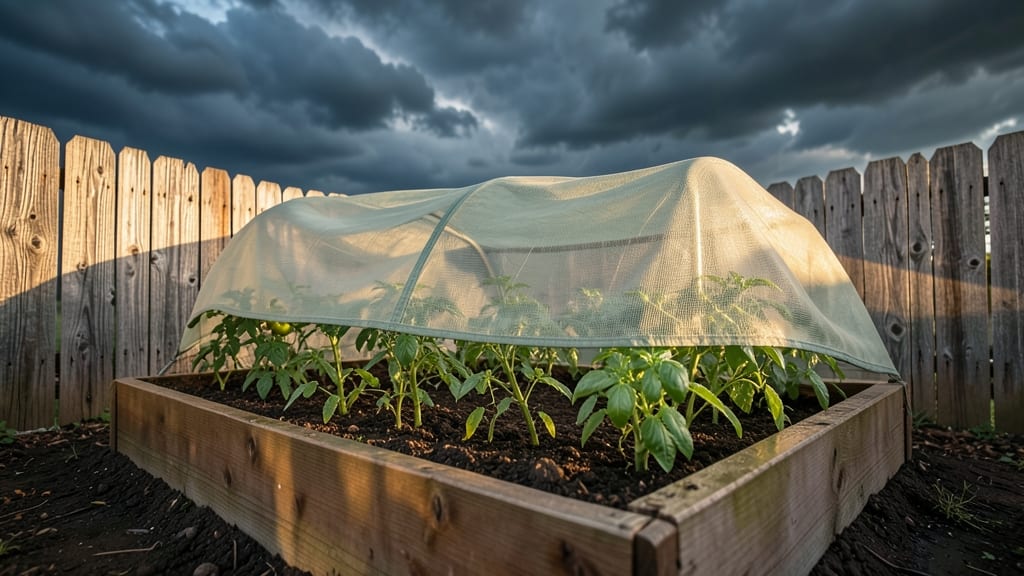
When Missouri’s summer storms roll in with hail and howling winds, your tender plants become vulnerable overnight. A heavy-duty row cover fabric stands as your secret weapon—lightweight enough to allow airflow and sunlight, yet strong enough to deflect hail up to 1-inch in diameter and reduce wind damage by 70%. Unlike flimsy alternatives, this fabric won’t collapse under storm pressure or suffocate your crops.
Look for UV-stabilized polyester with a 30-50% light transmission rating—this balances protection with photosynthesis needs. Secure edges with galvanized clips to prevent flapping, and leave 12-inch gaps at the ends for airflow during calm days. It’s ideal for leafy greens, herbs, and young seedlings that need shelter but can’t tolerate heavyweight materials.
This is the go-to solution for gardeners in storm-prone areas who refuse to sacrifice plant health for protection. With proper care, it lasts 3-5 years, making it a cost-effective shield for Missouri’s wild summers. 🌱
DIY Pallet Wood Windbreak
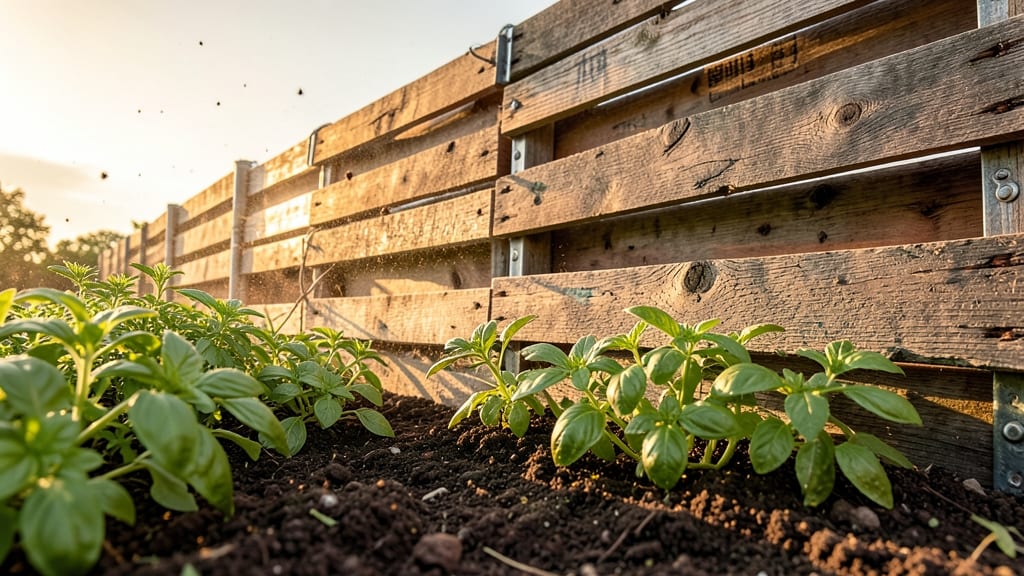
Missouri’s summer winds can turn your thriving garden into a battleground—drying out soil and stressing plants. A DIY pallet wood windbreak solves this without breaking the bank, using free or low-cost materials you likely already have.
Stack pallets vertically around your raised bed, securing them with stakes or zip ties. The gaps between slats allow airflow while blocking harsh winds, protecting delicate crops like lettuce or herbs. For extra durability, treat the wood with a natural sealant to extend its lifespan through multiple growing seasons.
This solution is ideal for budget-conscious gardeners or those with limited space—it’s reusable, customizable, and blends seamlessly into any garden aesthetic. Your plants will stay happier (and healthier) while you save money. 🌱