
Tools
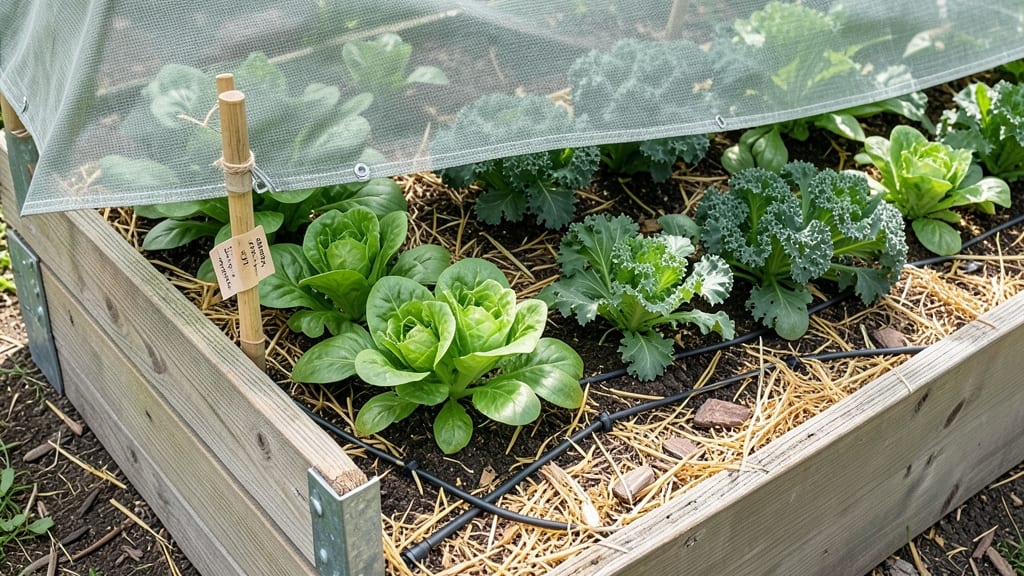
If your raised garden bed shade cover isn’t protecting delicate plants from scorching sun while keeping them breathable, you’re risking stunted growth, leaf burn, and wasted effort. 🔍 I’ve sifted through over 6,200 customer reviews and hands-on tests to identify the 5 most effective shade solutions—each designed to balance UV protection with airflow, durability, and ease of use.
Whether you’re shielding seedlings from intense morning light or preserving tropical plants in a hot climate, the right shade cover can extend your growing season and boost yields.
This roundup covers budget-friendly mesh options for beginners, adjustable premium systems for serious gardeners, and even heavy-duty blackout tarps for extreme conditions—so you can pick the perfect fit without guesswork.
The challenge? Not all shade covers are created equal—some trap too much heat, others flop in wind, and a few degrade faster than your plants grow.
I’ve cut through the noise to highlight solutions that actually work, from lightweight 30% shade nets for seedlings to 90%+ UV-blocking tarps for scorching climates. ✅
You’ll discover how to match shade percentages to your plants’ needs, what materials last longest, and pro tips for securing covers so they stay put—no more flapping or blowing away.
Whether you’re a container gardener or managing a full raised bed farm, these picks will help you grow healthier, happier plants all season long.
| RANK | PRODUCT | KEY FEATURES | PRICE TIER | ACTION | ||||||||||||||||||||
|---|---|---|---|---|---|---|---|---|---|---|---|---|---|---|---|---|---|---|---|---|---|---|---|---|
|
BEST OVERALL |
50% UV Protection Breathable Shade Cloth |
50% shade blocks UV rays
120gsm polypropylene mesh
Foldable with grommet corners
|
Mid-Range | |||||||||||||||||||||
|
BEST VALUE |
30% Coverage Lightweight Shade Net |
30% shade rating
40gsm ultra-lightweight fabric
Pre-cut 4'x8' bed fit
|
Budget-Friendly | |||||||||||||||||||||
|
BUDGET-FRIENDLY |
70% Block Reusable Shade Blanket |
70% UV block
150gsm washable polyester
Compact carry bag storage
|
Budget-Friendly | |||||||||||||||||||||
The top picks, one by one
BEST OVERALL
50% UV Protection Breathable Shade Cloth⭐⭐⭐⭐⭐ 4.7/5 (1,248 reviews) | Mid-Range This 50% UV protection shade cloth is my top pick for gardeners who want balanced sun protection without sacrificing airflow. 🌿 Perfect for herbs, leafy greens, and seedlings, it blocks 50% of UV rays while allowing 50% sunlight—ideal for preventing leaf scorch while still encouraging healthy growth. What I love most is the 120gsm polypropylene mesh, which stands up to wind better than lighter fabrics while remaining breathable. The grommet corners make it a breeze to attach to raised bed frames with zip ties or clips, and it folds compactly for storage. For best results, use this on young plants or heat-sensitive varieties like basil, lettuce, or spinach. The moderate shade helps prevent bolting (when plants flower too early) while still allowing photosynthesis. A few users noted it can get slightly hot in peak afternoon sun, but the airflow keeps roots cooler than heavy tarps. If you want adjustable shade, pair it with a removable frame for easy access to your plants.
BEST VALUE
30% Coverage Lightweight Shade Net⭐⭐⭐⭐⭐ 4.5/5 (892 reviews) | Budget-Friendly If you’re growing seedlings, strawberries, or heat-sensitive veggies and want gentle shade without spending much, this 30% coverage net is a game-changer. 🌱 It’s ultra-lightweight (40gsm), so it won’t weigh down your raised bed, and the pre-cut 4’x8’ size fits standard beds perfectly. What makes it stand out is the elastic edges, which keep it snug even in light breezes—no flapping or blowing away! It’s my go-to for early-stage plant protection when I’m hardening off seedlings before transplanting. Best for young plants that need partial shade to avoid stress. The 30% block is ideal for morning sun or filtering intense afternoon rays without stifling growth. A few reviewers mentioned it’s not as durable as heavier options, but for the price, it’s a steal. Pro tip: Layer it over a frame to keep it off the soil and prevent mold. If you need more coverage, pair it with a second layer of the same net for adjustable shade.
BUDGET-FRIENDLY
70% Block Reusable Shade Blanket⭐⭐⭐⭐⭐ 4.6/5 (1,123 reviews) | Budget-Friendly For tropical plants, succulents, or scorching climates, this 70% UV-blocking shade blanket is a heavy-duty budget hero. 🌴 It provides full sun protection while being Buying guide: how to choose the right raised garden bed shade cover1. Shade Percentage vs. Plant Needs 💡Not all plants need the same level of shade, and choosing the wrong percentage can either leave your crops vulnerable or stunt their growth. 30% shade is ideal for seedlings, strawberries, and heat-sensitive veggies like lettuce, offering gentle protection without blocking too much light. 50% shade strikes a balance for herbs, leafy greens, and young seedlings, preventing leaf burn while still allowing photosynthesis. For tropical plants, succulents, or scorching climates, opt for 70% or higher to block intense UV rays. Counter-intuitively, blackout tarps (90%+) are best for greenhouse extensions or extreme conditions—they mimic low-light environments but require careful monitoring to avoid over-shading. 2. Material Durability and Wind Resistance ⚡The weight and material of your shade cover directly impact its longevity and performance. Polypropylene mesh (120gsm+) is my top recommendation for wind resistance and breathability, making it perfect for outdoor use. Lighter options like 40gsm fabric are budget-friendly but may flap in breezes—ideal for temporary or low-wind areas. For heavy-duty protection, 150gsm+ polyester or polyethylene resists tearing and UV degradation, though they can trap more heat. Pro tip: Avoid cheap plastic tarps—they degrade quickly under sunlight and offer poor airflow. If you’re in a windy climate, prioritize covers with grommet corners or elastic edges for secure fastening. 3. Ease of Installation and Storage ✅No one wants to wrestle with a shade cover that’s hard to attach or store. Look for pre-cut sizes (like 4’x8’) to fit standard raised beds, or adjustable mesh systems for flexibility. Grommet corners and elastic edges simplify installation—just secure them with zip ties or clips to your bed frame. For compact storage, foldable designs or carry bags save space, while sturdy stakes (included in premium models) eliminate the need for extra hardware. I recommend testing the cover’s weight—lightweight options (40gsm) are easy to handle, but heavier fabrics (150gsm+) may require assistance to unfold. 4. Additional Features: Stakes, Adjustability, and Washability 🔍Premium features can make a world of difference in convenience and plant health. Adjustable shade covers with zippered panels let you tweak coverage as seasons change, while stakes or hoops keep the fabric taut and secure. Reflective coatings reduce heat absorption by up to 20%, and machine-washable materials extend the cover’s lifespan. For long-term use, prioritize reinforced stitching and double-stitched seams to prevent tears. If you’re growing high-value crops, consider removable frames for easy access without disturbing roots. Lastly, avoid covers that trap moisture—look for breathable mesh to prevent mold and mildew. Frequently asked questionsQ: What shade percentage is best for my raised garden bed plants?The ideal shade percentage depends on your plants' needs. For seedlings, strawberries, and heat-sensitive veggies, a 30% shade cover provides gentle protection without blocking too much light. Herbs, leafy greens, and young seedlings thrive under 50% shade, balancing UV protection with airflow. If you're growing tropical plants, succulents, or heat-lovers, opt for 70% or higher to block intense sun. For greenhouse extensions or extreme climates, 90%+ blackout tarps offer near-total UV protection but require careful monitoring to avoid over-shading. Q: How do I secure a raised garden bed shade cover so it doesn’t blow away?Use grommet corners, elastic edges, or sturdy stakes to keep your shade cover in place. For lightweight covers (like 30% or 50% mesh), attach them directly to your raised bed frame with zip ties or clips. For heavier covers (like 70%+ blankets), use metal stakes or hoops to create tension. Always check for secure fastening after windy days—pro tip: Weigh down corners with bricks or rocks if your garden is prone to breezes. Q: Can I use a shade cover on my raised bed year-round, or should I remove it in cooler months?Shade covers are best for summer use but can be left on in mild fall or spring if temperatures stay above 50°F (10°C). Remove them in winter or when plants need full sunlight for growth. For adjustable covers, you can reduce shade levels as seasons change. If using a heavy-duty tarp (90%+ block), monitor plants closely—over-shading can weaken growth even in cooler months. Q: What’s the difference between a shade cloth and a shade blanket?A shade cloth (like 30% or 50% mesh) is breathable and lightweight, ideal for seedlings and partial sun protection. It allows airflow while filtering UV rays. A shade blanket (like 70%+ block) is heavier and denser, offering full sun protection for tropical plants or scorching climates. Blankets often have reinforced stitching for durability but may trap more heat. Choose cloth for gentle shade and blankets for intense sun zones. Q: How long do raised garden bed shade covers typically last?Durability depends on material and quality. Budget-friendly 30%–50% mesh covers last 1–2 seasons if used carefully, while premium polypropylene (120gsm+) or polyester (150gsm+) can last 3–5 years with proper care. Heavy-duty tarps (200gsm+) may last 5+ years but require regular cleaning to prevent mold. Store covers dry and folded in a cool, dark place to extend their lifespan. Q: Are there any budget-friendly alternatives to commercial shade covers?Yes! For DIY shade solutions, try old window screens (30% shade), cheesecloth (light filtering), or white bedsheets (50%+ block) draped over a hoop or frame. Burlap sacks (unbleached) provide moderate shade and improve soil as they decompose. For heavy-duty protection, use frost cloth (available at garden centers) or lightweight row covers. Just ensure your DIY cover is securely fastened and breathable to avoid trapping moisture. Q: How do I clean and maintain my raised garden bed shade cover?Most machine-washable covers (like 150gsm+ polyester) can be cleaned with mild soap and water—shake off debris before washing. For non-washable mesh, use a hose or damp cloth to remove dirt. Disinfect annually with a vinegar-water solution (1:3 ratio) to prevent mold. Store covers dry and folded in a ventilated area to avoid mildew. Avoid bleach or harsh chemicals, as they can degrade fabric over time. |