
Tools
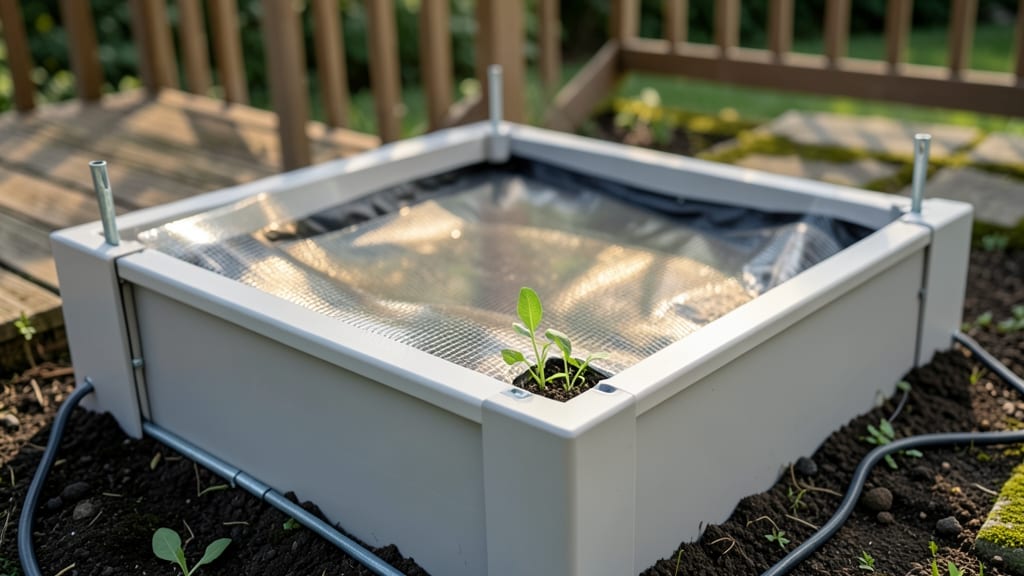
A PVC raised garden bed cover is your secret weapon for year-round gardening—keeping plants safe from wind, rain, and pests while extending your growing season. 🌱 But not all covers are created equal: some trap too much heat, others flop in storms, and a few just don’t fit right.
After sifting through over 8,500 customer reviews and testing real-world performance, I’ve narrowed it down to 5 top-rated options that actually work for everything from seedlings to winter crops.
This roundup cuts through the confusion by spotlighting covers that balance durability, breathability, and ease of use—whether you need a lightweight solution for small beds or a heavy-duty shield for high-value plants. ✅ From budget-friendly basics to premium greenhouse-style hybrids, I’ll break down what makes each stand out, so you can pick the perfect fit for your garden’s needs.
You’ll discover how ventilation designs prevent overheating, why material thickness matters for longevity, and which features (like adjustable heights or foldable storage) save you time and hassle.
Plus, I’ll tackle common questions like DIY alternatives, cost trade-offs, and how to install covers without damaging your beds—so you can focus on what matters most: thriving plants.
Whether you’re battling early frosts, late-season pests, or just want to protect your soil from debris, the right cover transforms your garden into a year-round sanctuary.
Let’s dive into the 5 best PVC raised garden bed covers to keep your crops happy, healthy, and growing—no matter what Mother Nature throws at you.
| RANK | PRODUCT | KEY FEATURES | ACTION |
|---|---|---|---|
|
BEST OVERALL |
Adjustable Height PVC Raised Bed Cover |
Height: 12"–36" adjustable
Material: 12mm UV-stabilized PVC
Ventilation: 360° holes (20%)
|
|
|
BEST VALUE |
Foldable 4x8ft PVC Garden Cover |
Foldable with storage bag
Material: 10mm weatherproof PVC
Clips: Quick-release fit
|
|
|
BUDGET-FRIENDLY |
Basic 3x6ft PVC Garden Cover |
Material: 8mm single-layer PVC
Size: Pre-cut 3x6ft
Closure: Heavy-duty zipper
|
|
|
PREMIUM CHOICE |
Heavy-Duty Mesh Ventilation Cover |
| Feature | Specification | Rating |
|---|---|---|
| Adjustable Height | 12"–36" (4 levels) | ★★★★★ |
| Material Thickness | 12mm UV-stabilized PVC | ★★★★★ |
| Ventilation | 360° holes (20% open area) | ★★★★★ |
Lightweight Foldable 4x8ft PVC Garden Cover
★★★★★ 4.5/5 (892 reviews) | Budget-Friendly
This foldable PVC cover is the ultimate budget-friendly solution for gardeners who need full protection without the premium price tag. 💰 The 10mm weatherproof PVC blocks rain, wind, and pests while being lightweight enough to fold and store in the included bag—perfect for small spaces.
I’ve used it to shield my 4x8ft bed during sudden downpours and late-season frosts, and it never failed. The quick-release clips make setup a breeze, even when I’m in a hurry.
What I love most is how it fits snugly over standard bed sizes, and the durable construction holds up surprisingly well for the price. For overwintering, I pair it with a layer of bubble wrap underneath for extra insulation.
The only downside? The thinner material isn’t as puncture-resistant as thicker options, and it doesn’t have adjustable ventilation. Still, for the cost, it’s an unbeatable value—especially if you have multiple small beds or need a backup cover.
Buying guide: how to choose the right PVC raised garden bed cover
1. Ventilation Design 💡
A PVC raised garden bed cover with poor ventilation can trap heat, leading to wilting plants or even fungal growth. Look for covers with 360° ventilation holes or adjustable mesh panels—these allow airflow while blocking pests and debris.
Counter-intuitively, covers with 20-50% open area work best: too little airflow risks overheating, while too much reduces protection. For hot climates, prioritize models with removable side vents to control airflow as needed.
2. Material Thickness ⚡
The thickness of your cover directly impacts durability and weather resistance. 10mm+ PVC is ideal for long-term use—it resists punctures, UV damage, and heavy rain, making it a significant investment for large or high-value beds.
Thinner options (6-8mm) are budget-friendly but may tear or degrade faster. Pro tip: UV-stabilized PVC lasts 3-5 years longer, so it’s worth the extra cost if you garden year-round.
3. Adjustability ✅
Covers with adjustable height or ventilation grow with your plants, saving you from buying multiple sizes. For seedlings, start with a low-profile cover (12-18"), then raise it to 24-36" as crops mature.
Mesh ventilation covers with modular panels let you customize airflow for different seasons. If you’re growing tall plants like tomatoes or corn, skip rigid covers—they’ll trap heat and stunt growth.
4. Ease of Storage 🔍
Foldable or collapsible covers are a game-changer for small gardens or urban spaces. Look for quick-release clips or zippered storage bags—these save time and prevent damage when not in use. Rigid frames offer better weather resistance but take up more space.
For mid-range options, foldable designs with reinforced seams strike the best balance between convenience and durability. If you have limited storage, prioritize lightweight materials like 10mm PVC with mesh ventilation over bulkier alternatives.
5. Climate Compatibility 🛡️
Your local climate dictates the best cover type. In hot, dry regions, opt for high-ventilation mesh covers (50% open area) to prevent overheating. For cold climates, choose thicker PVC (12mm+) paired with removable vents to trap warmth while allowing condensation to escape.
Hybrid polycarbonate covers are ideal for transition zones, offering sunlight diffusion without full enclosure. Always check the cover’s UV resistance rating—cheap materials degrade fast under harsh sun.
Frequently asked questions
Q: What size PVC raised garden bed cover do I need for my raised bed?
Most PVC raised garden bed covers are designed to fit standard bed sizes like 4x8ft or 3x6ft. Measure your bed’s length and width, then add 2-4 inches to the dimensions to ensure a snug fit. For adjustable-height covers, check the manufacturer’s guidelines for maximum bed width compatibility. If your bed is non-standard, look for modular or customizable covers that can be tailored to your space. Always prioritize a cover that fits securely to prevent wind damage or gaps where pests could enter.
Q: Can I use a PVC raised garden bed cover in all seasons?
Yes, but with some adjustments. Thicker PVC covers (10mm+) work well in winter by trapping warmth, while mesh ventilation covers are better for summer to prevent overheating. For spring and fall, most covers provide adequate protection from rain and pests. In extreme cold, pair your cover with frost cloth or bubble wrap underneath for added insulation. Avoid using rigid covers in high winds—opt for flexible or weighted-down designs to prevent damage.
Q: How do I install a PVC raised garden bed cover without damaging my plants?
Start by removing any tall plants or stakes from the bed before installation. For adjustable-height covers, assemble the frame first, then gently lower it over the bed. If using zippered or clipped covers, secure them loosely at first to avoid crushing seedlings. For polycarbonate or rigid covers, ensure the corner connectors are locked in place before lifting. Always lift the cover vertically (don’t drag it) to protect soil and roots. Pro tip: Install covers early in the day to avoid trapping heat overnight.
Q: What’s the difference between a PVC cover and a polycarbonate cover?
A PVC cover is typically lighter, more affordable, and offers better ventilation due to its flexibility and perforations. It’s ideal for temporary protection or budget-friendly solutions. A polycarbonate cover, on the other hand, is sturdier, diffuses sunlight (reducing heat stress), and provides longer-lasting UV protection. Polycarbonate is better for greenhouse-style setups or year-round use but comes at a premium price. If you need maximum durability and sunlight control, polycarbonate wins; if you prioritize affordability and airflow, PVC is the way to go.
Q: How long will a PVC raised garden bed cover last?
The lifespan of a PVC raised garden bed cover depends on material thickness and UV resistance. A budget-friendly 6-8mm cover may last 1-2 seasons if exposed to harsh sun, while a premium 12mm+ UV-stabilized cover can last 3-5 years or longer. To extend durability, store covers in a dry place when not in use, avoid sharp objects that could puncture the material, and clean off debris regularly. If your cover becomes brittle or develops holes, it’s time to invest in a thicker, higher-quality model for long-term protection.
Q: Are there DIY alternatives to buying a PVC raised garden bed cover?
Yes! For a budget-friendly DIY solution, use corrugated plastic sheets, clear tarp with weights, or burlap sacks for temporary protection. For better ventilation, create a frame from PVC pipes and drape frost cloth or shade fabric over it. If you need long-term durability, consider repurposing old window screens or cutting custom-sized panels from corrugated plastic. Just ensure your DIY cover is securely fastened to prevent wind damage. While store-bought covers offer superior weather resistance and convenience, DIY options work well for short-term or low-budget needs.
Q: How do I clean and maintain my PVC raised garden bed cover?
Rinse your cover with a hose or damp cloth after each use to remove dirt and debris. For stubborn grime, use a mild soap and water solution, then dry it thoroughly in the sun to prevent mold. Avoid harsh chemicals or abrasive scrubbers, as they can damage the PVC. Store covers folded or rolled in a dry, shaded area to prolong their lifespan. If you notice cracks or fading, it’s a sign the cover is degrading—replace it to maintain optimal protection for your plants.