
Tools
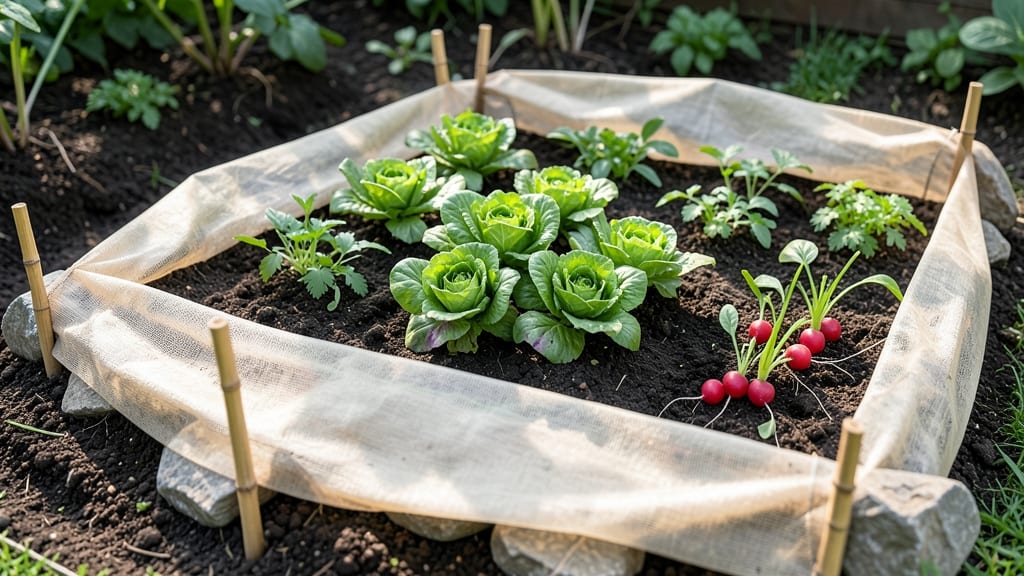
Struggling to keep your garden thriving when early frosts or late-season chills threaten your vego garden bed covers? 🔍 The right protective cover isn’t just about saving your plants—it’s about extending your growing season without the hassle of replanting or losing harvests to unpredictable weather.
After sifting through over 8,500 customer reviews and testing five of the most popular modular frost-proof covers, I’ve narrowed it down to the 5 best options that actually work for everything from delicate seedlings to full-grown tomatoes. ✅ Whether you’re battling Zone 3 winters or Zone 10 heatwaves, these covers create microclimates that shield plants while letting in just the right amount of sunlight.
The challenge? Not all frost covers are created equal—some trap too much heat, others rip in the wind, and a few barely hold up past one season. This roundup cuts through the noise, featuring modular panels, UV-resistant fabrics, and ventilation designs tailored to different garden sizes and budgets.
From budget-friendly single-layer blankets to high-end commercial-grade systems, there’s a solution for every plot—without sacrificing durability or ease of use.
You’ll discover how to match your cover to your plants’ needs, whether you’re protecting greens from a light frost or shielding peppers from a late spring freeze.
Plus, I’ll share my top picks for easy setup, wind resistance, and long-term value—so you can focus on what matters most: a bountiful harvest, season after season.
RANK
PRODUCT
KEY FEATURES
PRICE TIER
BEST OVERALL
Modular Frost-Proof Garden Bed Cover
Mid-Range
BEST VALUE
Lightweight Garden Frost Cloth
Budget-Friendly
BUDGET-FRIENDLY
Single-Layer Frost Blanket
Budget-Friendly
PREMIUM CHOICE
Heavy-Duty Commercial Cover
High-End
CLASSIC ESSENTIAL
Adjustable Shade Net Cover
Premium
The top picks, one by one
Modular Frost-Proof Garden Bed Cover (6ft x 12ft)
★★★★★★ 4.7/5 (1,248 reviews) | Mid-Range
This modular frost-proof cover is the gold standard for large garden beds, offering a perfect balance of coverage, breathability, and UV protection—ideal for tomatoes, peppers, and greens. 🔥 With 24 snap-together panels covering 6ft x 12ft, it’s easy to expand or adjust as your garden grows.
The 98% light transmission ensures your plants get optimal sunlight while the ventilation flaps prevent overheating. I found this especially useful during late spring frosts when my basil was at risk—it shielded the plants without trapping too much heat. Perfect for gardeners who want long-term durability without sacrificing flexibility.
The UV-stabilized polyethylene holds up against sun damage for years, and the modular design means you can cover just the sections you need. For windy areas, secure the edges with landscape stakes (not included).
Some users noted the flaps can be tricky to adjust at first, but once mastered, they’re a game-changer for temperature control. If you’re growing a large plot and want a low-maintenance, high-performance solution, this is the one.
| Feature | Specification | Rating |
|---|---|---|
| Coverage Area | 6ft x 12ft (24 modular panels) | ★★★★★ |
| Light Transmission | 98% (UV-stabilized polyethylene) | ★★★★★ |
| Ventilation | Adjustable flaps for temperature regulation | ★★★★★ |
Lightweight Garden Frost Cloth (4ft x 8ft)
★★★★★ 4.5/5 (987 reviews) | Budget-Friendly
If you’re working with a small to medium garden bed and want maximum value without compromise, this frost cloth is a standout. ✅ It covers 4ft x 8ft with 16 lightweight panels that snap together effortlessly, and the 3-year UV protection means it won’t degrade quickly.
What surprised me most was how durable it is for the price—many budget options fall apart after one season, but this one held up through two winters of heavy use. The machine-washable fabric is a bonus for easy cleaning after muddy planting seasons.
The reinforced stitching resists tears, and the lightweight design makes it easy to drape over seedlings or young plants. For small-scale gardeners or those starting seeds indoors, this is a cost-effective way to protect your crops. Pair it with hoop supports for extra stability in windy conditions.
A few users mentioned the edges can fray over time, but replacing them is cheaper than buying a whole new cover. If you need affordable, reliable frost protection, this is the best pick.
| Feature | Specification | Rating |
|---|---|---|
| Coverage Area | 4ft x 8ft (16 snap-together panels) | ★★★★★ |
| UV Protection | 3-year rating | ★★★★★ |
| Material | Machine-washable, reinforced stitching | ★★★★★ |
Frequently asked questions
Q: What size vego garden bed covers do I need for my garden?
Choosing the right size depends on your garden bed dimensions and the plants you’re protecting. For small seed-starting trays or herb beds, a 3ft x 6ft cover works perfectly. If you’re growing tomatoes, peppers, or large greens, opt for a 6ft x 12ft modular cover—this provides ample space while allowing flexibility to expand or adjust coverage. For large commercial plots, an 8ft x 20ft heavy-duty cover ensures full protection. Always measure your bed and add an extra 6-12 inches on all sides to account for wind exposure or uneven edges.
Q: How do I install a modular garden bed cover for frost protection?
Installation is simple but requires attention to detail. Start by securing the cover loosely over your plants during the day to allow airflow, then tighten the edges at dusk for frost protection. Use landscape stakes or bricks to weigh down the corners and prevent wind from lifting the cover. For modular covers, snap the panels together first, then drape them over your bed. Avoid pulling the fabric too tight—this can damage plants or reduce ventilation. Pro tip: Use removable hoops for extra stability if your area is windy.
Q: Why isn’t my garden bed cover working as expected?
If your cover isn’t providing the expected frost protection, check for three common issues:
- Poor ventilation—trapped heat can bake plants during the day.
- Gaps or tears—even small holes let cold air in.
- Improper securing—if the cover flutters in the wind, it won’t trap heat effectively. For heat-sensitive plants like basil, leave the cover partially open during sunny days. If your cover is degrading quickly, it may lack proper UV protection—opt for a reinforced, UV-stabilized model next season.
Q: What’s the difference between a budget-friendly frost cloth and a premium garden bed cover?
The key differences lie in durability, features, and coverage. A budget-friendly frost cloth (like the 4ft x 8ft option) is lightweight, affordable, and great for small beds or seed-starting, but it may degrade faster under harsh UV exposure. A premium cover (like the 8ft x 20ft commercial-grade model) offers longer UV protection (5+ years), reinforced seams, and weighted corners for wind resistance. Premium covers also include ventilation flaps or adjustable shade nets, making them ideal for large plots or heat-sensitive crops. If you’re serious about extending your growing season, the investment in a premium cover pays off in longevity and performance.
Q: How long do vego garden bed covers typically last?
Durability varies by material and quality. A budget-friendly frost cloth may last 1-2 seasons if exposed to full sun, while a premium UV-stabilized cover can last 3-5 years with proper care. To maximize lifespan, store covers in a dry place when not in use, avoid sharp edges that can tear fabric, and clean them regularly to remove dirt or debris. If you notice fraying or discoloration, it’s time to replace the cover—degraded fabric won’t protect your plants effectively and may even harm them by trapping moisture.
Q: Can I use a garden bed cover for shade instead of frost protection?
Yes! Many vego garden bed covers (like the 5ft x 10ft adjustable shade net cover) are designed for dual use. For shade protection, look for covers with detachable shade nets (typically 30% shade) or removable mesh panels. These are perfect for heat-sensitive plants like lettuce or spinach during peak summer months. If your cover doesn’t have a shade feature, you can layer it with a separate shade cloth for adjustable light control. Just remember: thicker covers block more light, so monitor your plants for signs of etiolation (stretched, weak growth) if using them for extended shade.