
Planting
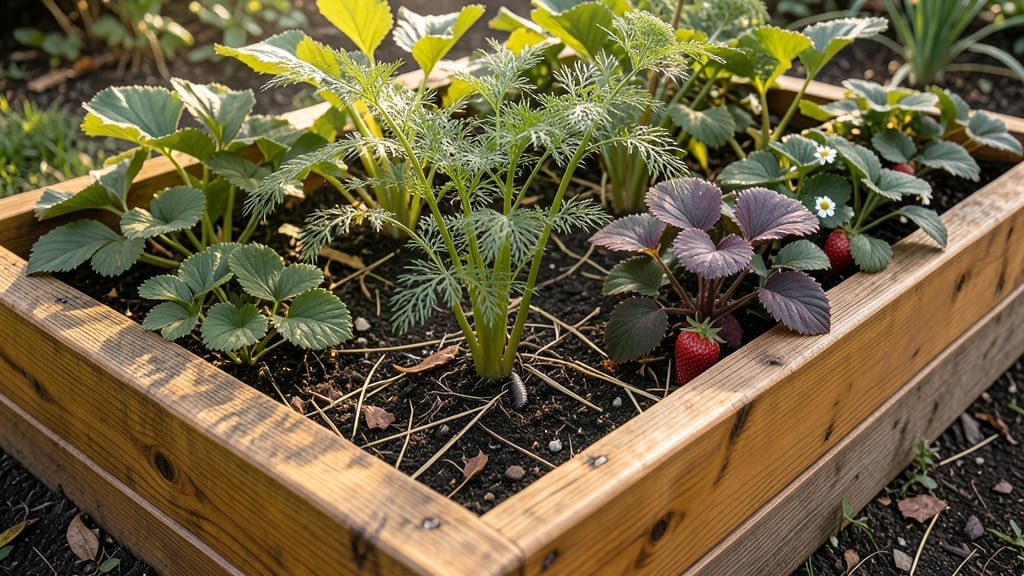
Maximize your small space with these 10 raised garden bed plant layouts designed for year-round harvests. Whether you're a beginner or seasoned gardener, these strategic arrangements boost productivity while saving water and soil nutrients.
Square Foot Gardening Vegetable Layout
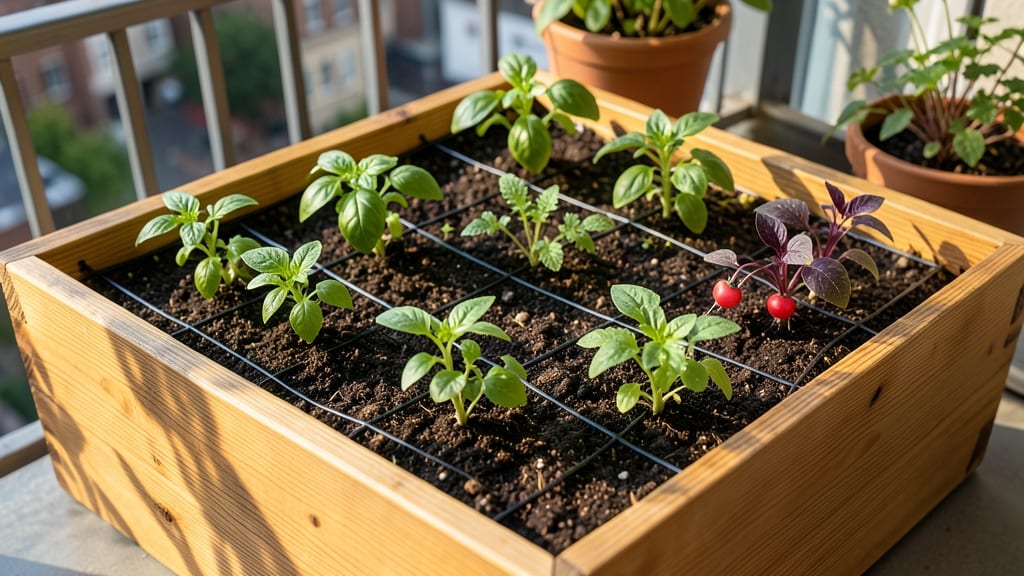
Turn your tiny balcony or backyard into a high-yield vegetable powerhouse with the square foot gardening method—a grid system that fits 16+ plants into just 4x4 feet. This science-backed approach eliminates wasted space by assigning each plant its ideal square, ensuring optimal growth without overcrowding.
Start by dividing your 4x4-foot raised bed into a 16-square grid (12" x 12" each). Place fast-growing crops like radishes (9 plants/sq ft) or bush beans (4 plants/sq ft) in high-yield squares, while tomatoes (1 plant/sq ft) and basil (4 plants/sq ft) get their own dedicated space. Use a planting chart to group compatible crops (e.g., lettuce + carrots for shade tolerance) and avoid competition. Water deeply 2–3 times weekly, focusing on the outer rows first to prevent edge drying.
This layout is perfect for beginners and urban gardeners with limited space—no guesswork, no wasted soil, and year-round productivity with seasonal rotations. Plus, the grid makes harvesting and maintenance a breeze. 🌱
Three Sisters Companion Planting
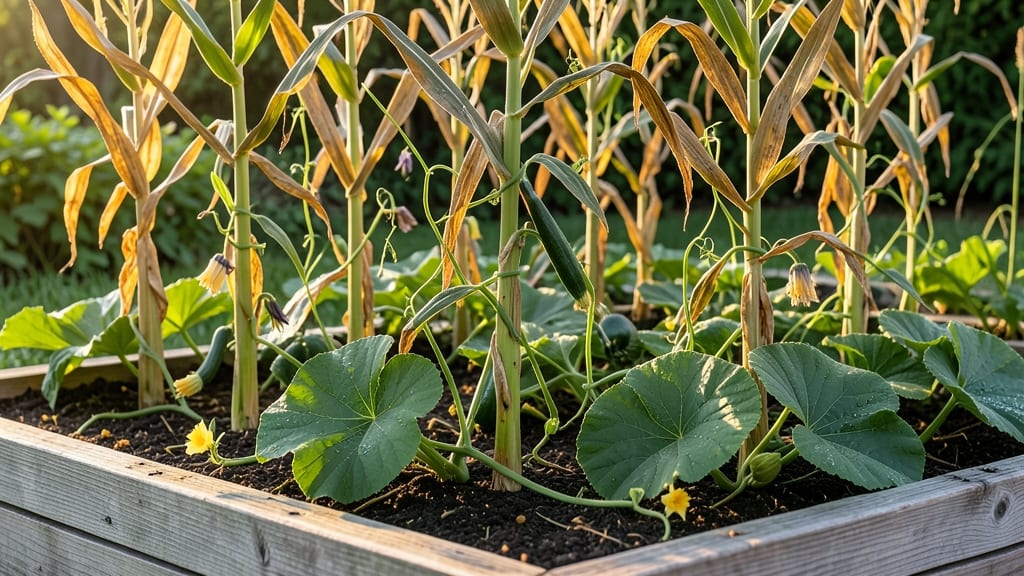
Transform your raised bed into a thriving ecosystem with the Three Sisters Companion Planting—a time-tested Native American method that marries corn, beans, and squash for mutual survival and abundance. This traditional trio creates a self-sustaining cycle where each plant supports the others, reducing pests and enriching the soil naturally.
Start by planting corn as your vertical trellis—its stalks provide structure for pole beans to climb, while the beans' deep roots fix nitrogen in the soil, feeding the corn. At the base, squash vines sprawl outward, shading the soil to retain moisture and deter weeds. This layout thrives in full sun and well-draining soil, with minimal intervention once established. Perfect for organic gardeners, it also deters raccoons and squirrels with its dense foliage.
Ideal for those seeking low-input, high-reward gardening, this method works beautifully in raised beds 4x8 feet or larger. The result? A bountiful harvest of corn, fresh beans, and summer squash—all while nurturing a sustainable, interconnected garden. 🌱
Vertical Herb Spiral Design
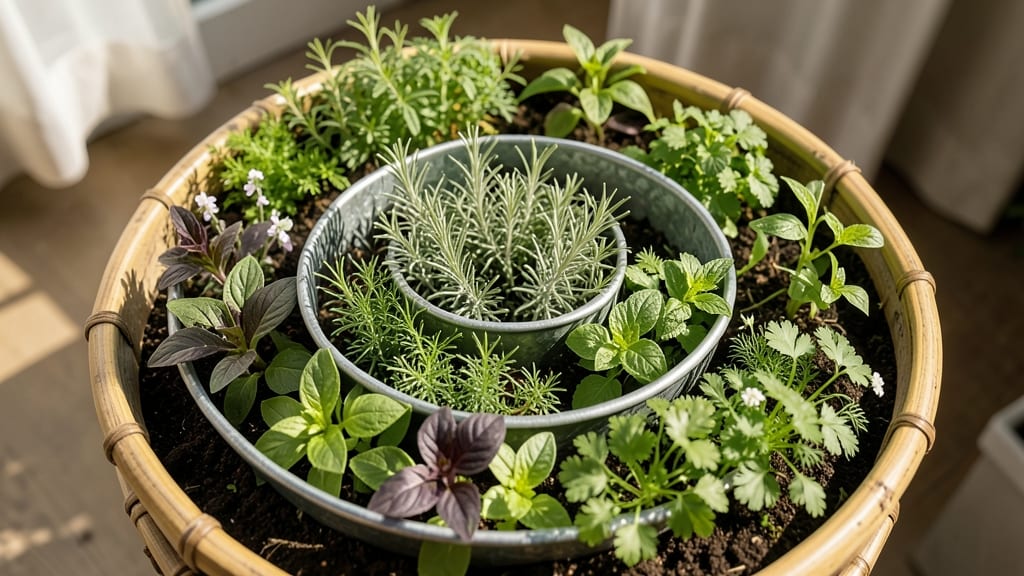
Transform your tiny patio or windowsill into a fragrant herb haven with a vertical herb spiral—a circular, space-saving design that fits 12+ herbs in concentric rings. This layout mimics natural sunlight gradients, placing sun-loving herbs like rosemary at the center and shade-tolerant varieties like parsley on the outer edges.
Start with a 12-18 inch diameter base (or use a pre-made spiral planter) and arrange herbs by height: tall thyme and oregano on the outer ring, medium basil in the middle, and low-growing chives or mint cascading over the sides. Water from the top—it’ll naturally flow to each level—and harvest leaves without disturbing roots. Perfect for urban gardeners or anyone with limited square footage!
This design thrives in containers as small as 6 inches wide, making it ideal for balconies or even kitchen windows. Plus, the spiral shape creates a stunning visual focal point while keeping all your favorite herbs within arm’s reach. 🌿
Succulent and Mediterranean Mix
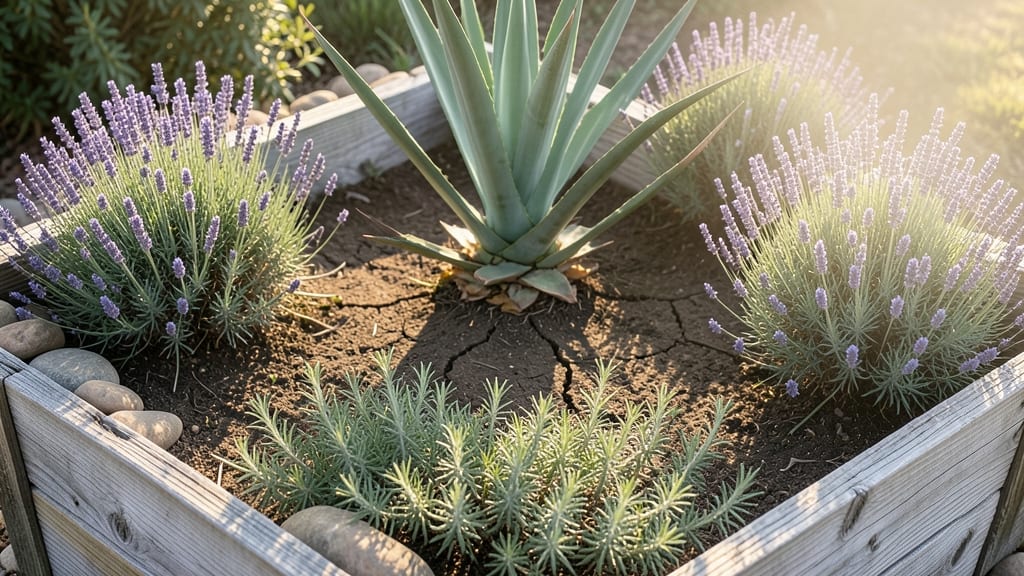
If you live in a hot, dry climate and dread spending hours watering your garden, this Mediterranean-inspired raised bed is your solution. Combining agave, lavender, and rosemary, this layout thrives on neglect—watering just once every 2-3 weeks keeps it lush and vibrant.
Start by placing the tallest plants, like agave, at the back for visual impact, then layer lavender in the middle for its fragrant purple blooms, and tuck rosemary along the edges where it can spill slightly over. This arrangement not only saves water but also repels pests naturally, making it ideal for gardeners who want beauty without the fuss.
Perfect for balconies, patios, or desert landscapes, this bed requires minimal soil amendments—just a mix of cactus/succulent soil and coarse sand for drainage. You’ll enjoy year-round color and fragrance with almost no effort. 🌿
Winter Hardy Kale and Root Vegetable Bed
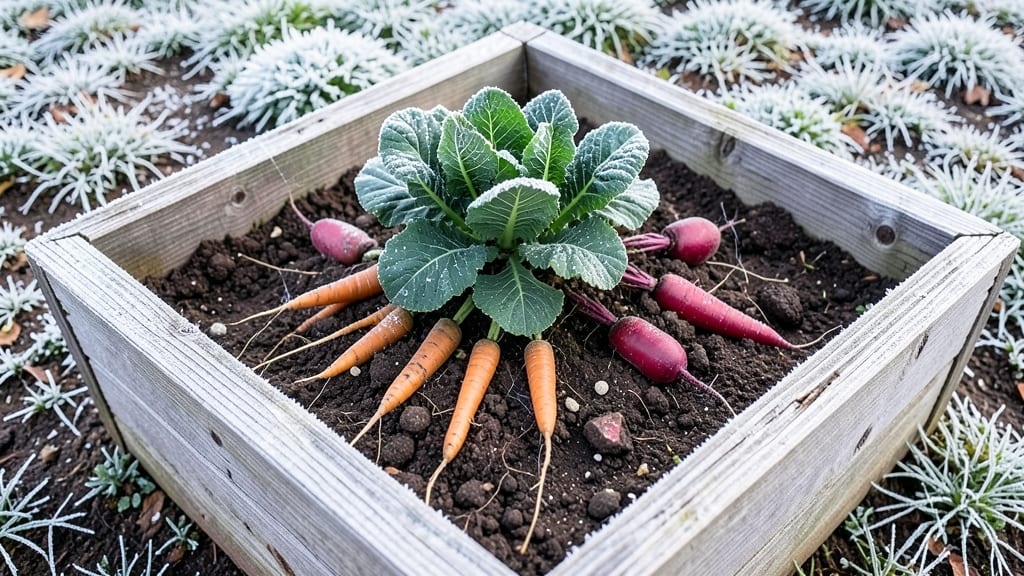
When frost paints your garden in white but your harvest cravings remain, this winter-hardy raised bed delivers fresh produce even when temperatures drop below freezing. The secret? A strategic trio of kale, carrots, and beets—three crops that not only survive but thrive in cold snaps, with kale sweetening as temperatures dip.
Plant kale along the bed’s edges where it can catch sunlight, while tucking carrots and beets in the center for their deep roots. Mulch with straw to insulate roots from temperature swings, and water only when the soil feels dry to prevent frost heave. This layout yields crisp greens and tender roots from late fall through early spring, making it perfect for gardeners in USDA zones 3-6.
Four-season gardeners will love this low-maintenance bed that keeps producing when most gardens go dormant. It’s also beginner-friendly, requiring minimal attention beyond occasional mulching and watering. 🌱
Pollinator-Friendly Flower and Vegetable Interplanting
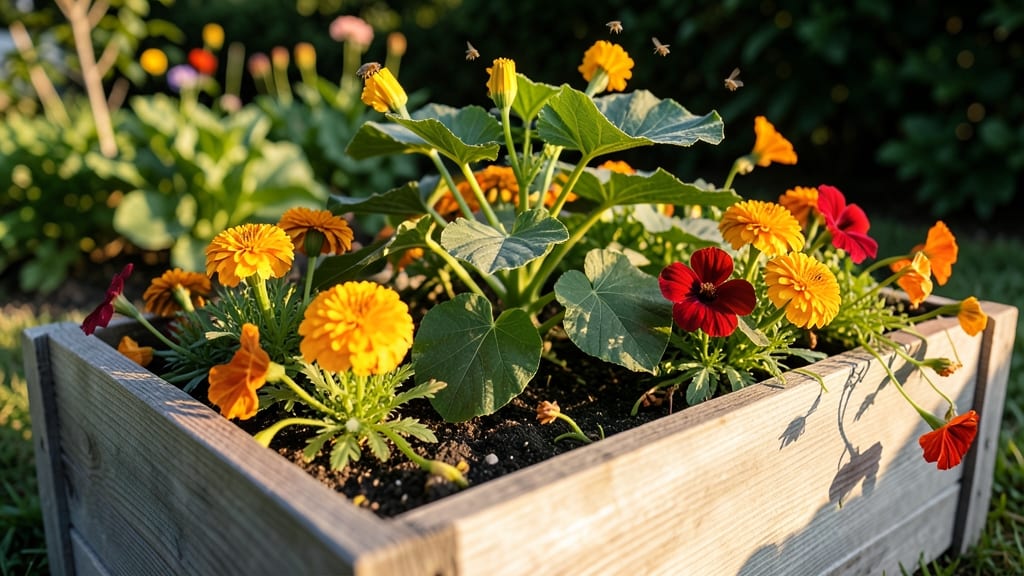
Turn your raised bed into a buzzing ecosystem with a pollinator-friendly trio that works harder than traditional planting. By weaving marigolds, nasturtiums, and zucchini together, you create a natural pest deterrent while feeding bees, butterflies, and beneficial insects all season long.
The secret lies in their strategic placement: plant marigolds around the perimeter to repel squash bugs and aphids with their strong scent, nestle nasturtiums between zucchini vines to attract predatory insects, and let the zucchini sprawl in the center for shade and pollination. This layout thrives in full sun and requires minimal extra care—just water consistently and watch your garden become a thriving hub of activity.
Eco-conscious gardeners will love how this system reduces the need for chemical pesticides while boosting biodiversity. Plus, the vibrant flowers make your harvest even more rewarding to behold. 🌻
Asian-Inspired Microgreens and Greens Tower
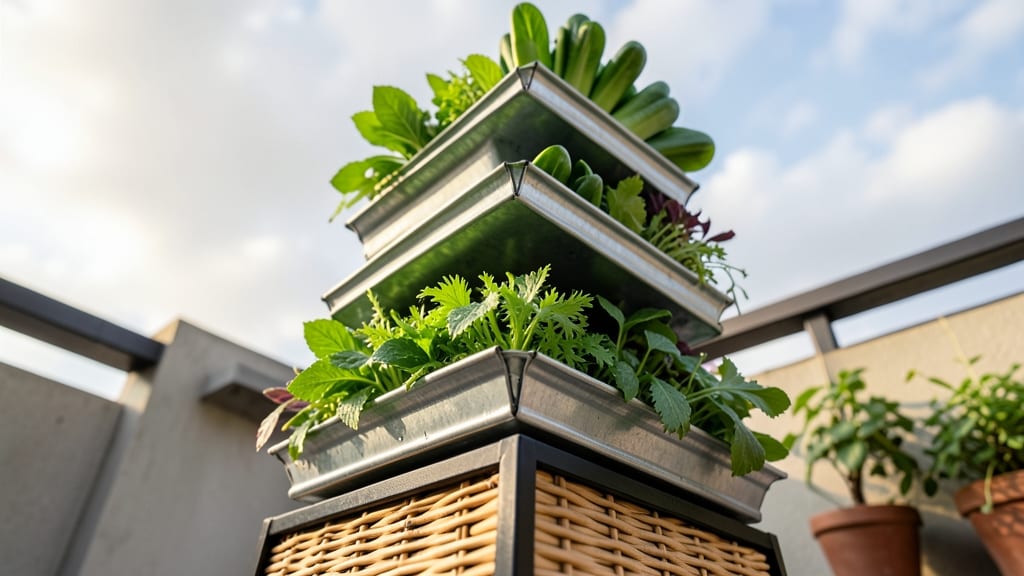
Transform your balcony into a high-output greens factory with this Asian-inspired vertical tower—perfect for urban gardeners craving fresh, fast harvests without sprawling space. Stacked trays let you grow bok choy, mizuna, and shiso in just a few square feet, with each tier producing edible greens every 2-3 weeks for year-round meals.
Start with the top tray for microgreens (like mizuna), which mature in 7-10 days, then add bok choy in the middle tier (ready in 3-4 weeks) and shiso at the bottom (harvest leaves as needed). Use lightweight grow trays with drainage holes and a drip irrigation system to keep moisture even across tiers—no bending required! This setup thrives in 4-6 hours of sun and handles partial shade better than traditional beds.
Ideal for small-space gardeners or anyone who wants to skip the grocery store for nutrient-packed greens, this tower is the ultimate low-maintenance, high-reward system. Plus, the fragrant shiso leaves add a culinary twist to stir-fries and salads. 🌿
Pest-Repellent Allium and Brassica Block
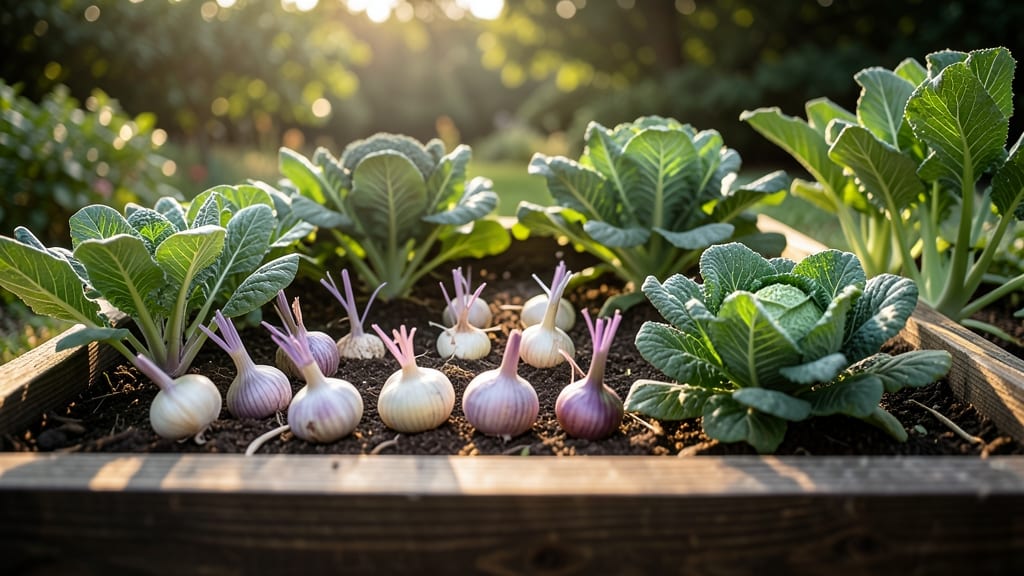
Tired of battling aphids and cabbage worms without harsh chemicals? A pest-repellent allium and brassica block is your organic garden’s secret weapon. This simple layout uses the natural defenses of garlic, onions, and cabbage family plants to create a fortress against common pests—no sprays required.
Plant garlic and onions around the perimeter of your raised bed, where their pungent aromas deter flying insects. Nestle cabbage, broccoli, and kale in the center—their strong scents mask vulnerable plants while releasing sulfur compounds that repel pests. For best results, interplant with dill or fennel, which further confuse aphids. This layout thrives in full sun to partial shade and works year-round in most climates.
Organic gardeners and those avoiding chemical treatments will love this low-maintenance, high-reward strategy. It’s especially effective in small raised beds where pests can easily spread. 🌱
Salad Bar Continuous Harvest Layout
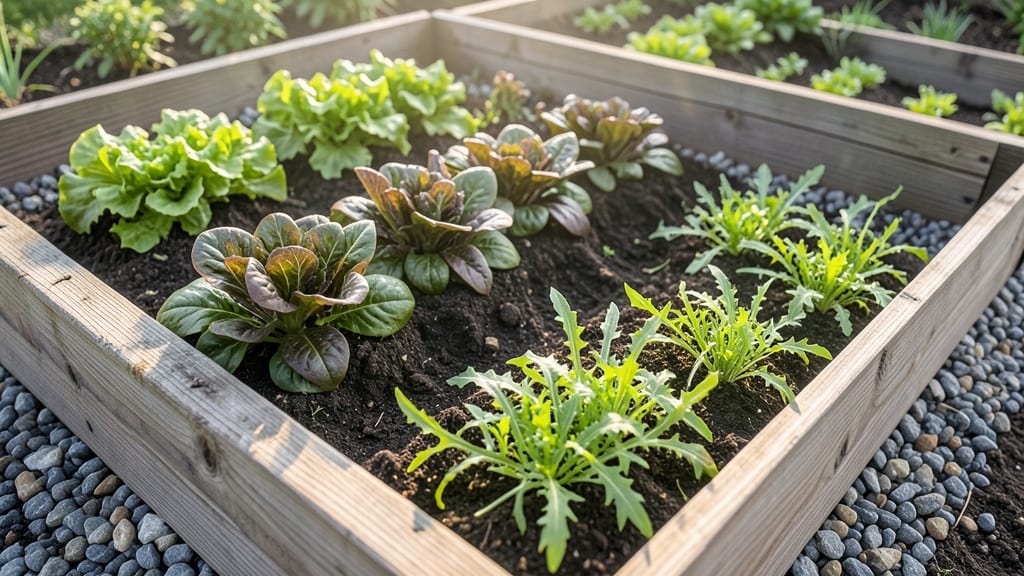
Tired of buying store-bought greens that wilt by lunch? This salad bar continuous harvest layout turns your raised bed into a year-round salad factory using a simple cut-and-come-again system. By planting lettuce, spinach, and arugula in staggered rows every 3-4 weeks, you’ll enjoy fresh, crisp greens without gaps in harvest.
Start by dividing your bed into three sections. Plant buttercrunch lettuce in the first row, followed by spinach two weeks later, and finish with arugula another two weeks after that. All three thrive in partial shade and can be harvested by snipping outer leaves—regrowth happens in 10-14 days. Add a thin layer of compost between plantings to keep soil rich and extend harvests into cooler months.
This layout is perfect for home cooks who crave fresh greens but lack space for full garden beds. With minimal effort, you’ll enjoy bountiful harvests and say goodbye to sad store-bought salads. 🌱
Permaculture Guild for Perennial Edibles

Ready to create a low-maintenance, high-reward raised bed that keeps producing for years? A permaculture guild of asparagus, rhubarb, strawberries, and comfrey delivers decades of harvests with minimal replanting—ideal for gardeners who want to set it and forget it (mostly).
Start by planting asparagus crowns along one edge (they’ll take 2-3 years to establish but yield for 15+ years). Tuck rhubarb nearby—its deep roots tolerate shade from the asparagus, while strawberries sprawl between them, benefiting from the comfrey’s nitrogen-rich mulch. The comfrey, planted at the guild’s center, acts as a dynamic accumulator, pulling nutrients from deep soil and dropping them as leaf mulch. Every spring, chop comfrey leaves and lay them around the bed to feed all plants.
This system thrives in full sun to partial shade and works best in climates with cold winters (asparagus and rhubarb handle frost). Perfect for gardeners who prioritize long-term returns over annual replanting—once established, this guild requires almost no soil amendments and repels pests naturally. 🌱