
Pests

Tired of chemical sprays to fight bed bugs? These 10 natural plants act as powerful repellents, using their strong scents and compounds to deter infestations while adding beauty to your home or garden.
Lavender Plants for Calm and Protection
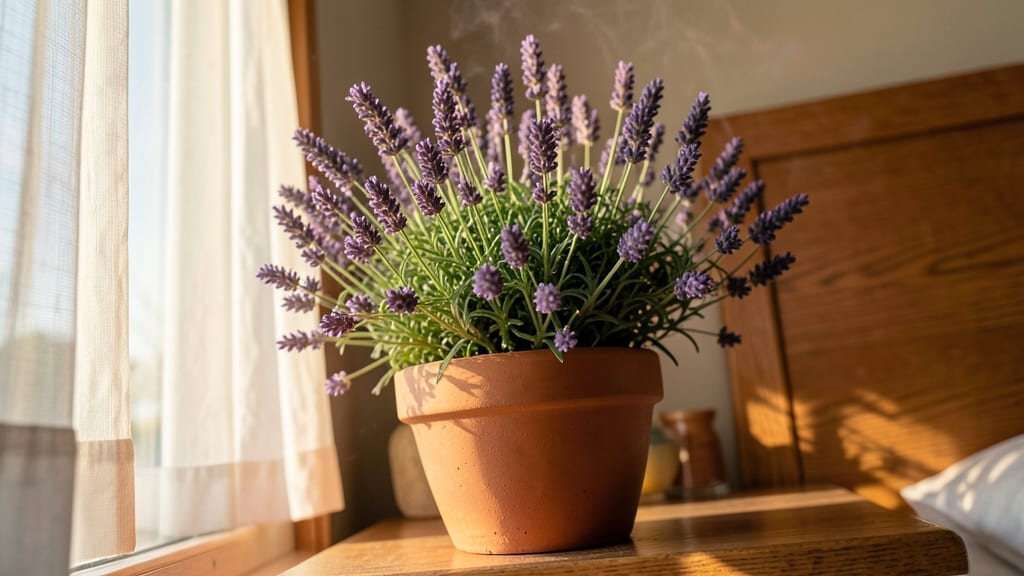
Struggling with bed bugs while also battling stress? Lavender is your secret weapon—this fragrant purple beauty repels bed bugs with its strong scent while filling your bedroom with calming aromatherapy benefits.
Plant lavender near beds or windows to create a natural barrier, and enjoy its stress-relieving properties as you sleep. This drought-tolerant perennial thrives in full sun and well-drained soil, making it perfect for containers or garden borders. The more you crush the leaves (releasing oils), the stronger the repellent effect becomes.
Ideal for beginners and urban gardeners alike, lavender’s dual-purpose nature makes it a must-have for pest-free, peaceful sleep. 💚
Peppermint Herbs for Strong Repellency
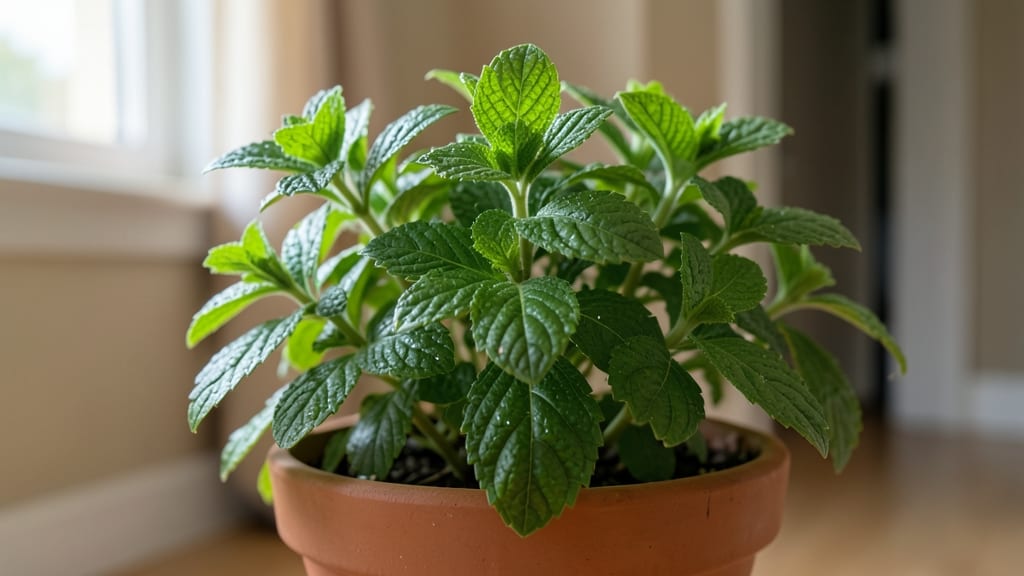
If you're dealing with bed bugs and want a plant that packs a serious punch, peppermint is your secret weapon. The menthol in its leaves creates a scent bed bugs actively avoid, making it one of the most potent natural repellents in your arsenal.
Grow peppermint in pots near entry points, windows, or along baseboards to create a scent barrier—its strong aroma signals pests to stay away. This herb thrives in partial sun (4-6 hours daily) and well-draining soil, making it perfect for containers on patios or indoors near problem areas. For extra defense, crush a few leaves occasionally to release more menthol.
Urban gardeners and renters will love this low-maintenance solution—just keep the soil moist and prune regularly to encourage bushy growth. It's especially effective when combined with other repellent plants like lavender or basil. 💪
Basil Plants with Natural Insect Resistance
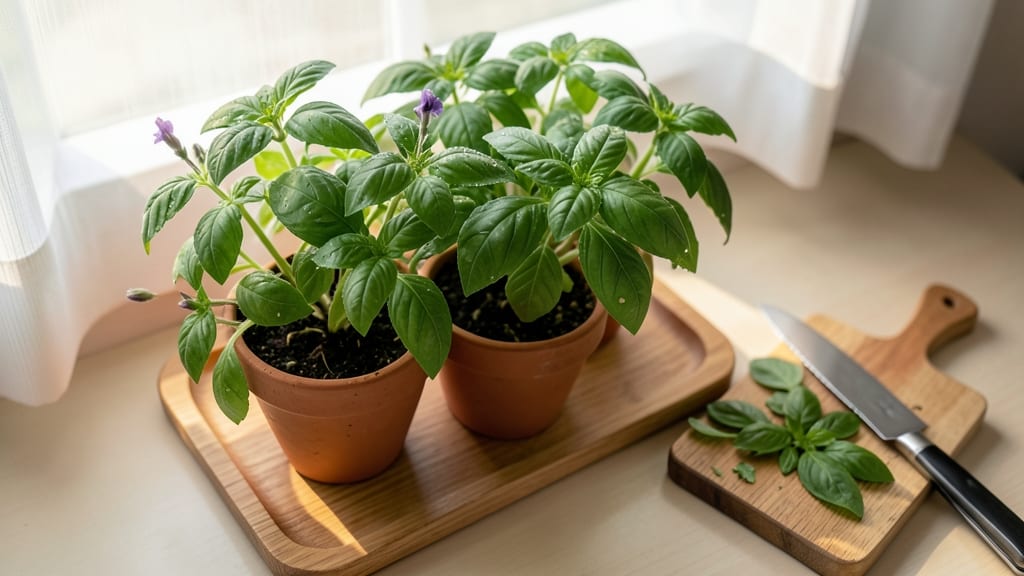
If you love cooking with fresh basil but also want to keep bed bugs at bay, you’re in luck—this versatile herb doubles as a natural pest repellent. The strong aroma of basil leaves disrupts bed bugs' ability to detect hosts, making it a great addition to your pest-control toolkit.
Grow basil in well-draining pots with 6-8 hours of sunlight daily, whether on a sunny windowsill or in your outdoor herb garden. Pinch off flowers to encourage leaf growth, and harvest regularly to maintain its potent scent. For maximum effectiveness, place pots near entry points or furniture where bed bugs might hide.
Urban gardeners and indoor herb enthusiasts will love how basil thrives in small spaces while serving both culinary and protective purposes. 🌱
Rosemary Shrubs for Long-Lasting Defense
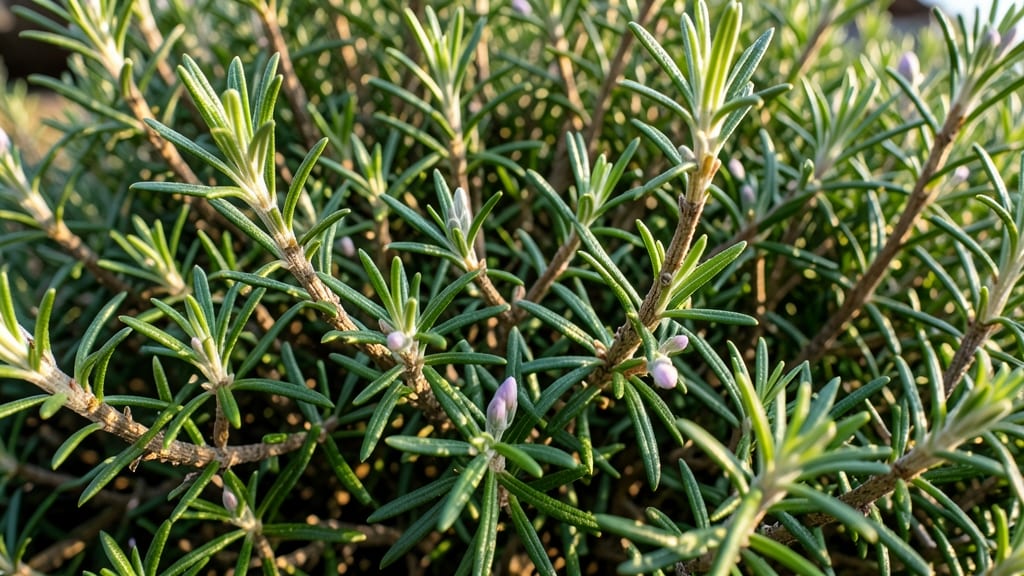
If you're looking for a low-maintenance yet powerful bed bug repellent, rosemary shrubs are your answer. Unlike annual herbs, rosemary is a hardy perennial with woody stems that release a strong, pine-like scent bed bugs despise—making it perfect for long-term protection.
Rosemary thrives in full sun to partial shade and tolerates drought once established, so it’s ideal for garden borders or potted near entryways. Prune lightly after flowering to encourage bushier growth, and avoid overwatering—its woody stems store moisture efficiently. The scent lingers for months, even on dried stems, so you can harvest and place bundles in closets or under furniture for extra defense.
This versatile shrub is perfect for urban gardeners or anyone with limited space, as it grows well in containers. Plus, its culinary and ornamental uses make it a win-win for pest control and home décor. 🌱
Marigold Flowers with Pyrethrin Compounds
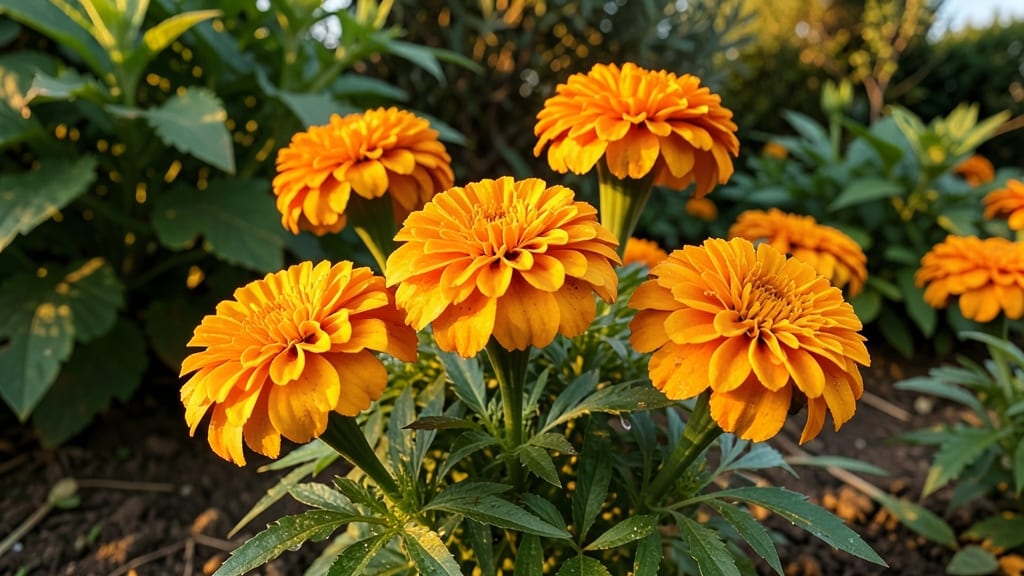
Want a natural way to deter bed bugs that doubles as a stunning garden centerpiece? Marigolds pack a powerful punch with their bright orange blooms and hidden superpower: pyrethrin compounds that disrupt bed bug nerve systems. These cheerful flowers aren’t just pretty—they’re a science-backed solution for outdoor seating areas or near beds where pests might lurk.
Plant French marigolds (like 'Bonanza' or 'Tangerine') in full sun (6+ hours daily) for maximum pyrethrin production, and position them within 3-5 feet of problem areas. They thrive in well-draining soil and self-seed easily, giving you year-round protection if you let them reseed. For extra potency, crush a few leaves occasionally to release more of the compound.
This is the perfect choice for gardeners who want low-maintenance pest control without harsh chemicals. Plus, the vibrant blooms attract pollinators while keeping bed bugs at bay—win-win! 🌻
Catnip Herbs for Stronger Repellency

If you're tired of chemical sprays and want a natural solution that actually works, catnip might be your secret weapon. This unassuming herb contains nepetalactone, a compound that's 10 times more effective than DEET—the active ingredient in many commercial bug sprays. Studies show bed bugs can't resist it, making catnip one of the most powerful plant-based repellents available.
Grow catnip in well-draining pots near problem areas like beds, couches, or entryways for maximum impact. It thrives in full sun to partial shade and prefers regular watering until established. Bonus: It's easy to maintain and even attracts pollinators like bees and butterflies. For best results, plant it outdoors or in sunrooms where bed bugs are likely to wander.
This is especially helpful for renters, urban gardeners, or anyone dealing with infestations in small spaces. Just a few plants can create a natural barrier that keeps bed bugs at bay. 🌱
Chamomile Plants for Gentle Protection
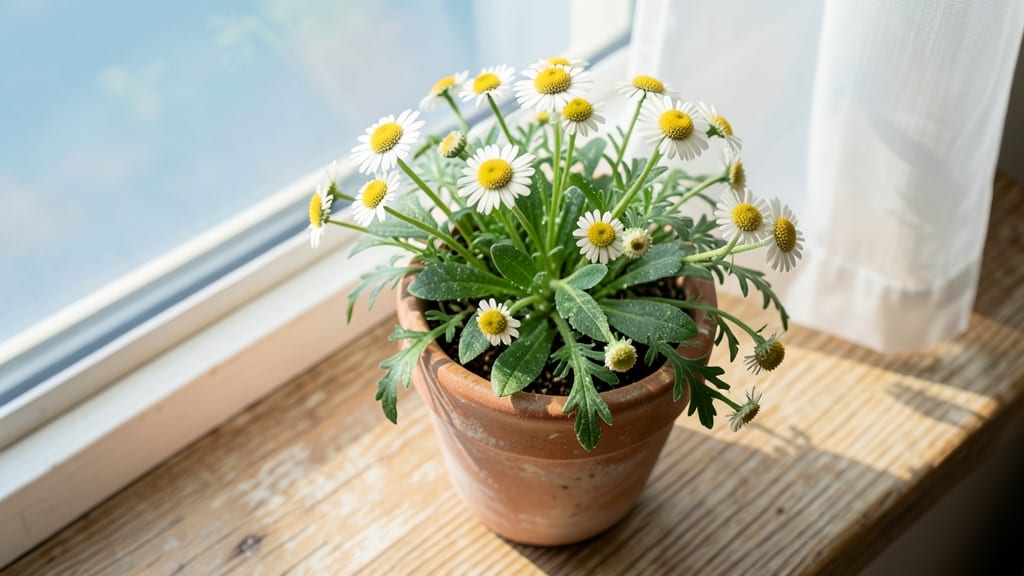
If you're looking for a pet-friendly and child-safe way to deter bed bugs without harsh chemicals, chamomile is your gentle ally. This delicate flower isn’t just soothing for tea—its mild scent also repels pests while adding a calming presence to your home.
Chamomile thrives in windowsill pots with 4-6 hours of sunlight daily, making it perfect for urban gardeners. The plant’s natural compounds disrupt bed bug pheromones, creating a subtle but effective barrier. Unlike stronger herbs, chamomile won’t overwhelm your space—just place a few pots near problem areas or bedrooms for a low-maintenance solution.
Ideal for families or pet owners who want a non-toxic approach, chamomile’s soft blooms also double as a decorative touch. 🌷
Lemongrass Stems for Citrus Repellency
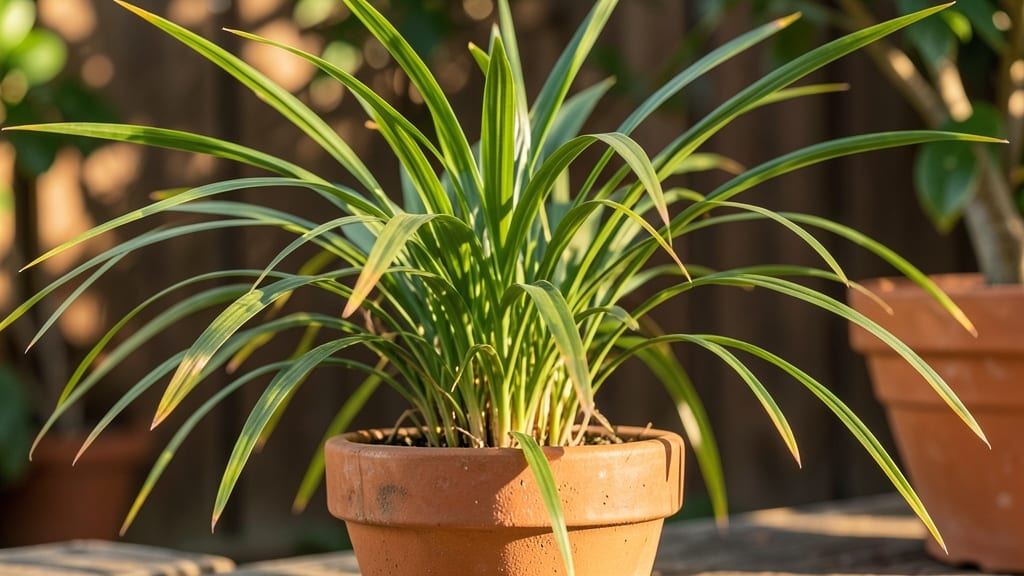
Looking for a tropical twist on bed bug repellency? Lemongrass delivers a zesty citrus scent that bed bugs despise while transforming your space with its lush, architectural foliage. Unlike other repellent plants, lemongrass thrives in both indoor pots and outdoor containers, making it a versatile choice for urban balconies or sunlit windowsills.
Plant lemongrass in well-draining soil with full sun (6+ hours daily) for maximum citrus oil production—the compound that disrupts bed bug sensory systems. Harvest stems regularly to maintain potency, and place pots near entryways or furniture where pests might hide. For extra defense, crush a few leaves occasionally to release more of the repellent aroma.
This is the perfect solution for small-space gardeners or anyone craving a fragrant, low-maintenance plant that doubles as pest control. Plus, its culinary uses mean you’ll enjoy fresh garnishes while keeping bed bugs at bay. ✨
Bee Balm Flowers for Vibrant Defense
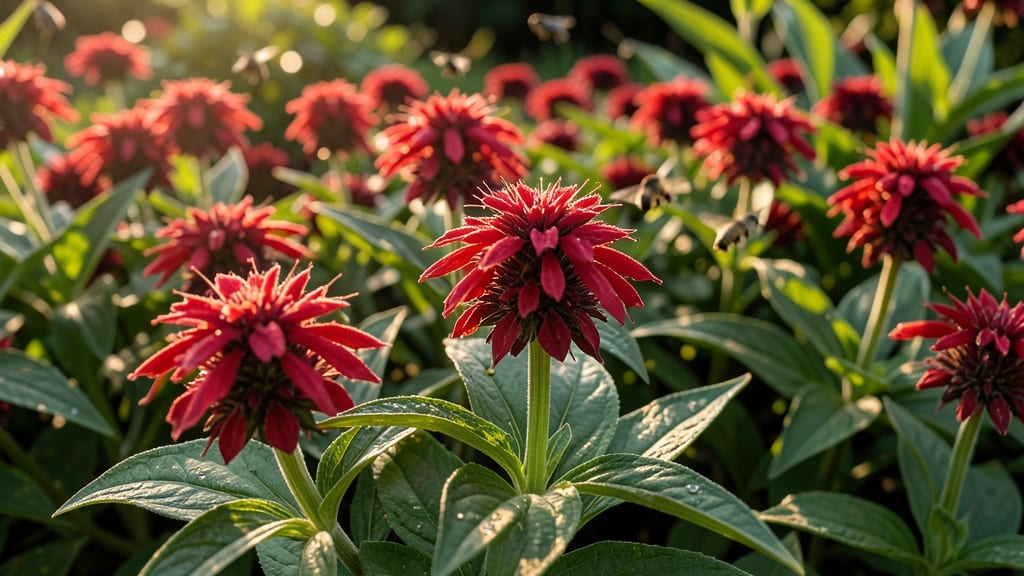
Looking for a two-in-one solution that repels bed bugs while boosting your garden’s beauty? Bee balm flowers deliver with their vibrant red blooms, which contain natural compounds that disrupt bed bug sensory systems—while also attracting pollinators like bees and hummingbirds. This makes them ideal for garden borders, hanging baskets, or near outdoor seating areas where pests might gather.
Plant bee balm in full sun (6+ hours daily) with moist, well-draining soil, and watch it thrive in USDA zones 3-9. Deadhead spent blooms to encourage continuous flowering, and avoid overcrowding—space plants 18-24 inches apart for optimal airflow. The more flowers you have, the stronger the repellent effect, as the scent deters bed bugs while drawing beneficial insects to your garden.
Perfect for gardeners who love low-maintenance perennials with high impact, bee balm’s dual benefits make it a standout choice for both pest control and pollinator support. 🌻
Eucalyptus Trees for Heavy-Duty Protection

When you need a heavy-duty natural barrier against bed bugs, eucalyptus trees deliver with their signature medicinal scent that pests can't tolerate. Unlike delicate herbs, eucalyptus grows tall (up to 50 feet) and releases volatile oils that create a protective zone around your home's perimeter—ideal for outdoor plantings near windows, doors, or patios.
These drought-resistant trees thrive in full sun and well-draining soil, making them perfect for hot, dry climates or as accent plants in larger gardens. For maximum repellency, plant them within 10-15 feet of entry points where bed bugs might attempt entry. The strong aroma lingers even when leaves are crushed, creating an invisible shield that deters pests for months.
This is the ultimate solution for homeowners with large outdoor spaces or those who want a long-term, low-maintenance pest control option. Just be mindful of their size—young eucalyptus trees need pruning to control growth. 🌿