
Tools
Transform your raised bed garden into a high-yield, space-efficient growing system with these 10 layered planting ideas. Each design maximizes vertical space, extends harvest seasons, and minimizes weeds—perfect for small yards, urban balconies, or backyard plots.
Vertical Herb Tower with Edible Flowers
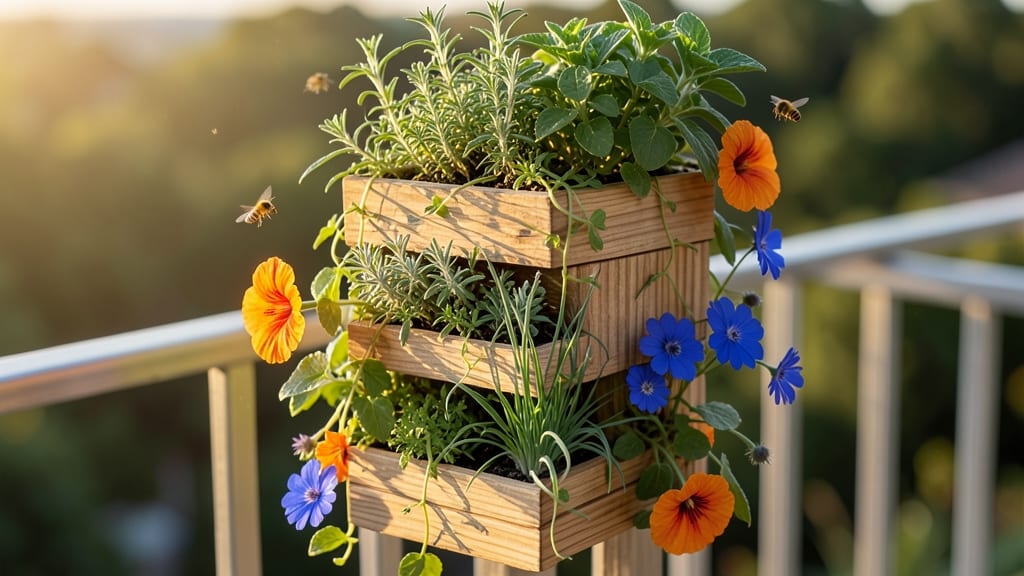
Turn your tiny balcony or windowsill into a fragrant, functional kitchen garden with a vertical herb tower that doubles as a pollinator magnet. This space-saving design stacks thyme, oregano, and chives at different levels, while nasturtiums and borage cascade over the edges, attracting bees while adding edible blooms to salads and garnishes.
Start with a pre-made wooden or fabric tower (or DIY one using stacked pots), ensuring each herb gets at least 6 hours of sun and well-draining soil. Nasturtiums thrive in partial shade, making them perfect for the lower tiers. Harvest herbs regularly to encourage bushier growth, and pinch back borage flowers to prolong their blooming season.
This setup is ideal for urban gardeners, renters, or anyone with limited space—it keeps herbs within arm's reach while turning dead space into a productive, beautiful display. Plus, the edible flowers add a gourmet touch to your cooking! 🌱
Three-Season Succession Planting Beds
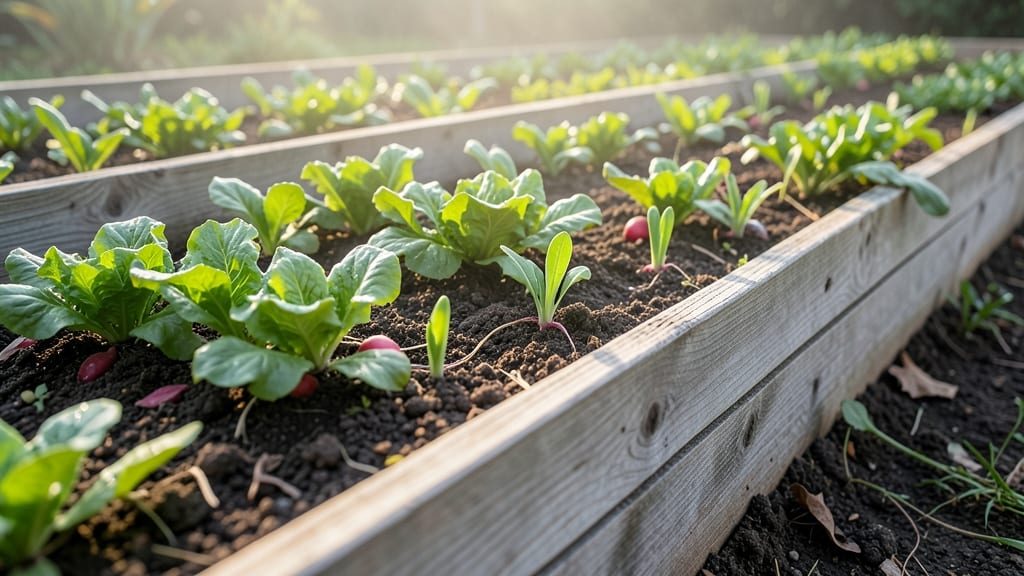
Tired of watching your raised bed sit empty between harvests? Three-season succession planting turns fallow periods into a bounty of fresh produce by rotating crops like clockwork—no wasted space, just continuous yields.
Start with cool-season crops like lettuce and radishes in early spring, then transition to bush beans and zucchini as temperatures rise. By late summer, swap in kale or spinach for a fall harvest. Each crop matures in 4-6 weeks, so you’ll always have something to pick. Use a simple planting calendar to track rotations and keep weeds at bay with dense succession.
This method is a game-changer for urban gardeners and small-space growers who want maximum harvests with minimal footprint. No more empty beds—just a year-round flow of fresh food. 🌱
Strawberry and Green Onion Interplanting
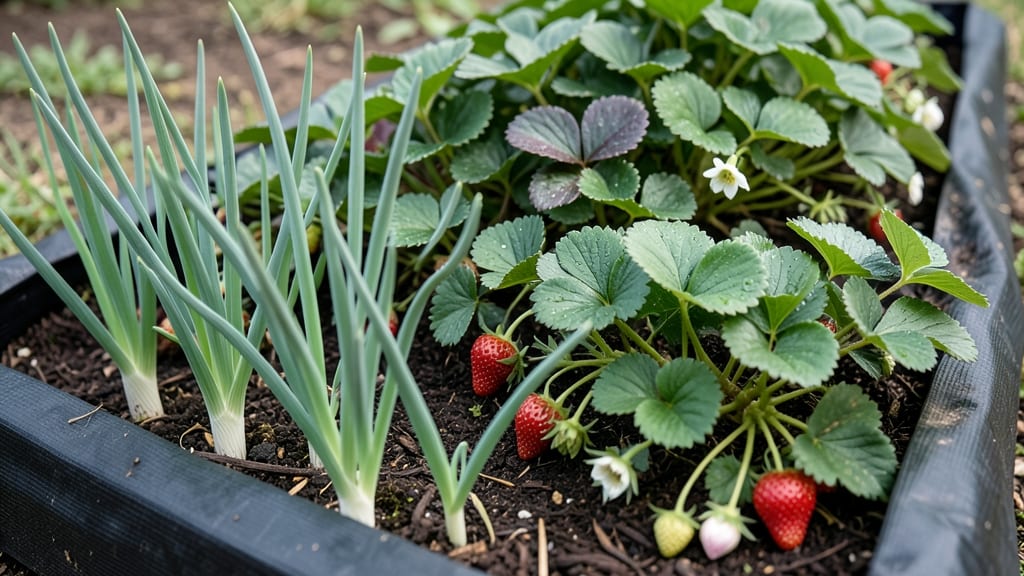
Want a dual harvest without the extra work? Plant strawberries alongside green onions—the onions provide shade for the berries while their sharp scent naturally repels slugs. This clever pairing also smothers weeds by creating a dense canopy, saving you hours of weeding.
Start by planting everbearing strawberry varieties (like 'Albion' or 'Seascape') in early spring, spacing them 12 inches apart. Tuck green onions between the rows, harvesting their greens as needed without disturbing the strawberries. Mulch with straw to retain moisture and keep the soil cool. Both plants thrive in full sun to partial shade, making this combo ideal for raised beds with morning sunlight.
This low-effort duo is perfect for beginners or busy gardeners—you’ll enjoy sweet strawberries and fresh onions simultaneously, with minimal pest pressure. 🌱
Pest-Repellent Tomato and Basil Guild
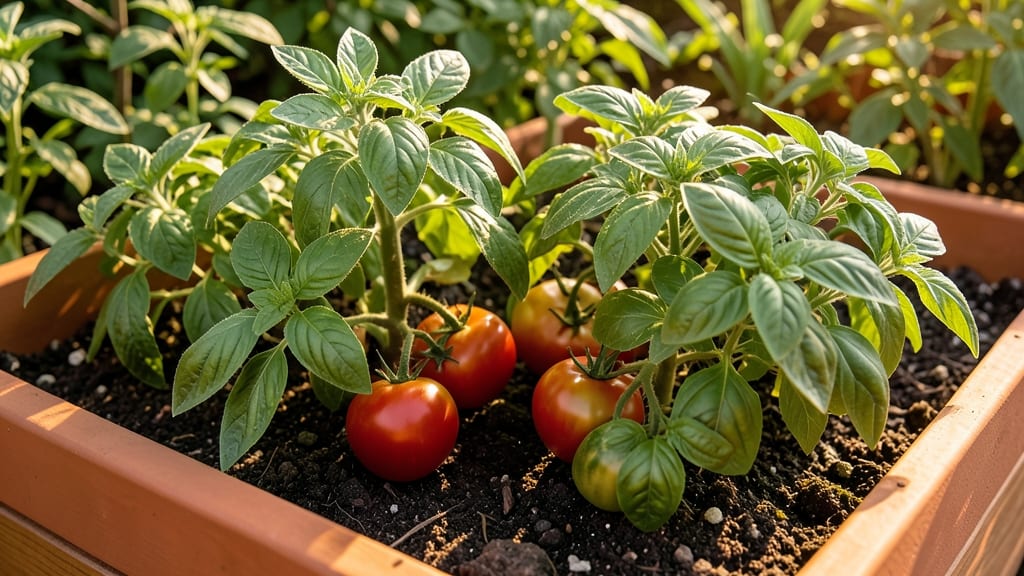
Tired of battling pests in your tomato patch while dealing with bland-tasting fruit? A pest-repellent tomato and basil guild is your organic gardener’s secret weapon—combining two powerhouse plants that work together to protect and enhance your harvest.
Plant basil directly around your tomato plants (especially varieties like Genovese or purple basil) to naturally repel whiteflies, mosquitoes, and even tomato hornworms. The strong fragrance masks tomato odors that attract pests, while the basil’s essential oils improve flavor in your tomatoes. For best results, space basil plants 12–18 inches apart around the tomato cage and prune them regularly to encourage bushy growth.
This low-maintenance duo is perfect for organic gardeners who want to skip chemical sprays and still enjoy juicy, flavor-packed tomatoes all season. Plus, the basil’s edible leaves mean you’ll get a bonus harvest for cooking! 🌱
Winter Root Cellar Raised Bed
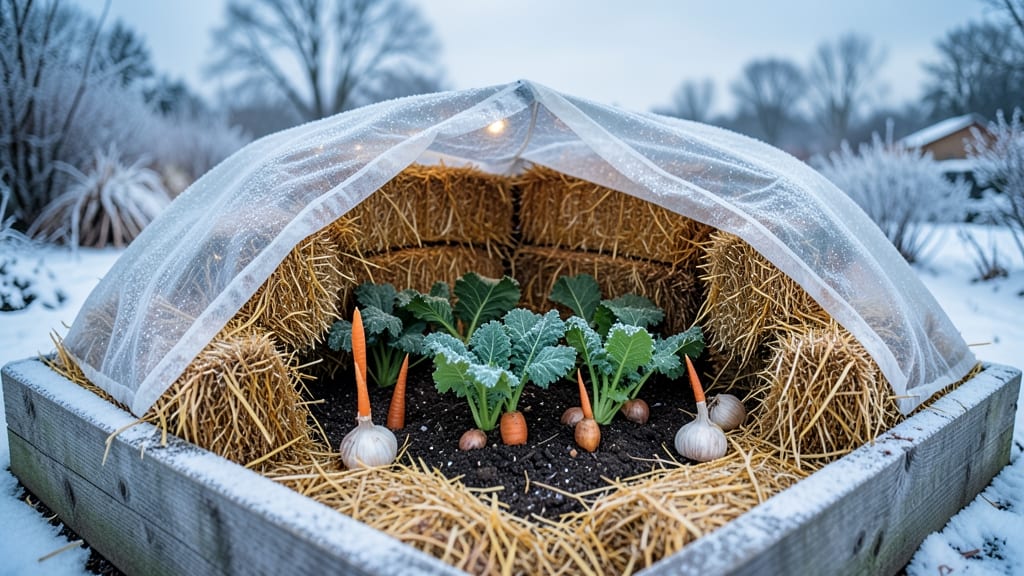
When winter freezes the ground and traditional gardens go quiet, a winter root cellar raised bed keeps your harvest going strong. By insulating with straw bales and row covers, you create a mini greenhouse effect that protects cold-hardy crops like kale, carrots, and garlic—even in sub-zero temperatures.
Start by filling your raised bed with 6-12 inches of straw on the sides and top, then add a layer of cardboard or landscape fabric before planting. Use floating row covers to trap warmth while allowing sunlight and water through. For extra insulation, mound straw mulch over the soil surface. This method works best in USDA zones 3-6, where winter temperatures drop below freezing.
Perfect for gardeners in cold climates, this approach turns dormant winter months into a productive growing season. You’ll enjoy fresh greens straight from the garden even when snow blankets the ground. 💚
Mediterranean Herb Spiral Design
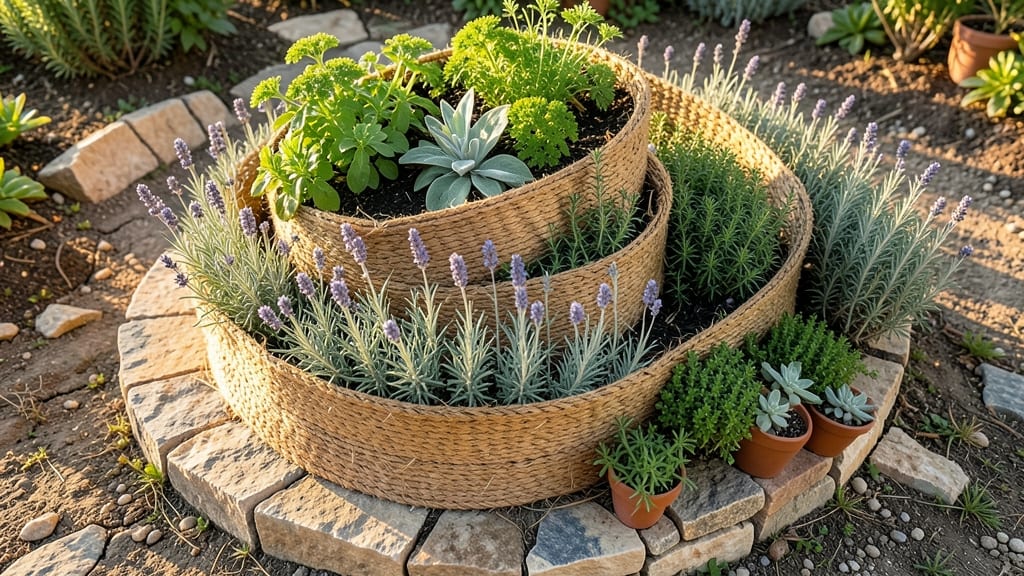
If you live in a dry climate where water conservation is a priority, a Mediterranean herb spiral is your answer. This elegant design not only saves space but also creates natural microclimates that protect delicate herbs from extreme temperatures while reducing evaporation.
Start by building a circular mound of soil in a raised bed, then spiral outward in layers, placing rosemary and lavender at the center (they tolerate heat best) and sage and thyme toward the edges. Use gravel pathways between plants to deter weeds and retain moisture. This layout ensures each herb gets the right amount of sun and airflow, while the spiral shape naturally channels rainwater toward the roots.
Perfect for urban gardeners or small yards, this design also doubles as a fragrant living centerpiece. The aromatic herbs will repel pests and attract pollinators, making it a functional and beautiful addition to any garden. 🌿
Pea and Carrot Vertical Trellis System
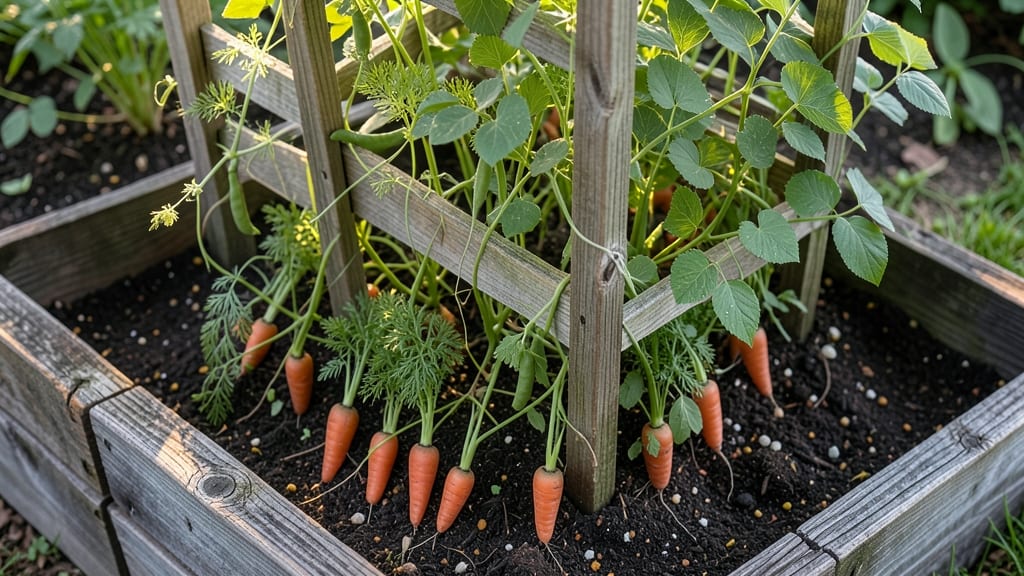
Turn your small raised bed into a dual-purpose powerhouse by pairing sugar snap peas with carrots in a vertical trellis system. This clever setup lets peas climb upward while carrots grow beneath, maximizing every inch of space without sacrificing yield or soil depth.
Install a 6-foot wooden trellis along one side of the bed, leaving the rest of the space for carrot seeds sown directly into the soil. Plant pea seeds near the trellis in early spring—their vines will shade the carrots, reducing evaporation and suppressing weeds naturally. Choose short varieties like 'Little Marvel' peas and 'Paris Market' carrots for compact growth. 🌱
This method is a game-changer for urban gardeners or anyone with limited space. You’ll harvest sweet peas in early summer while carrots mature below, all without competing for sunlight or soil. Plus, the pea vines act as a living mulch, keeping the soil cool and moist for your root crops. 💚
Shade-Tolerant Mushroom and Microgreens Bed
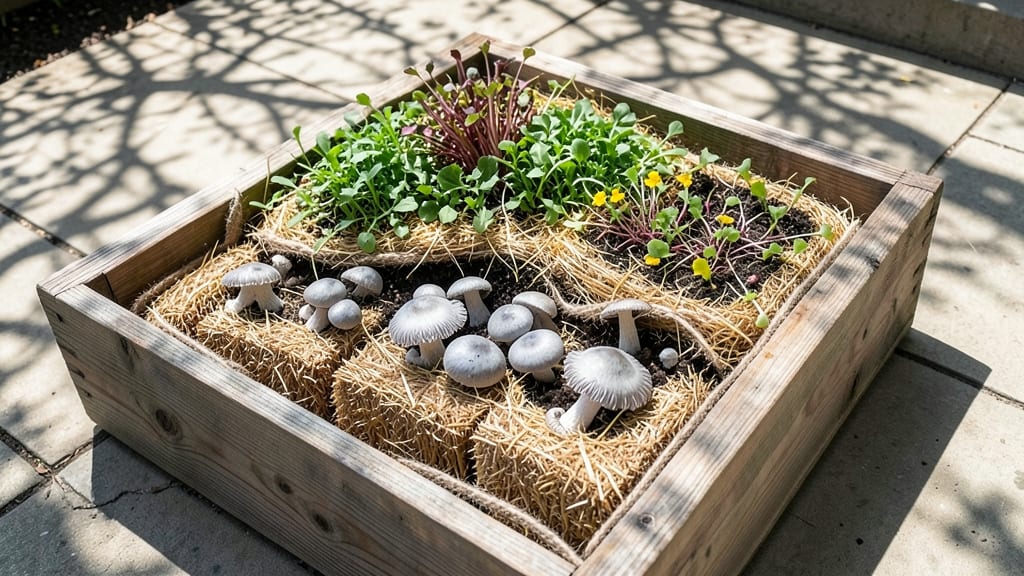
Turn your shady patio or north-facing garden into a productive oasis with a dual-purpose raised bed that combines oyster mushrooms and microgreens. This low-light solution lets you grow food where traditional vegetables struggle, using the same space efficiently without competition.
Place straw bales along one side of the bed to cultivate oyster mushrooms—they thrive in the damp, shaded conditions while adding organic matter back to the soil. In the remaining space, sow arugula, radish sprouts, or sunflower microgreens, which tolerate dappled light and mature in just 7-14 days. Keep the bed moist (not soggy) and maintain 60-70°F temperatures for optimal mushroom growth, while microgreens prefer cooler temps.
This setup is ideal for urban gardeners, apartment balconies, or shade gardens where sunlight is scarce. You’ll enjoy fresh harvests year-round with minimal space and effort—no sunburned leaves or wasted plots here! 🌱
Pollinator-Friendly Flower and Vegetable Stripes
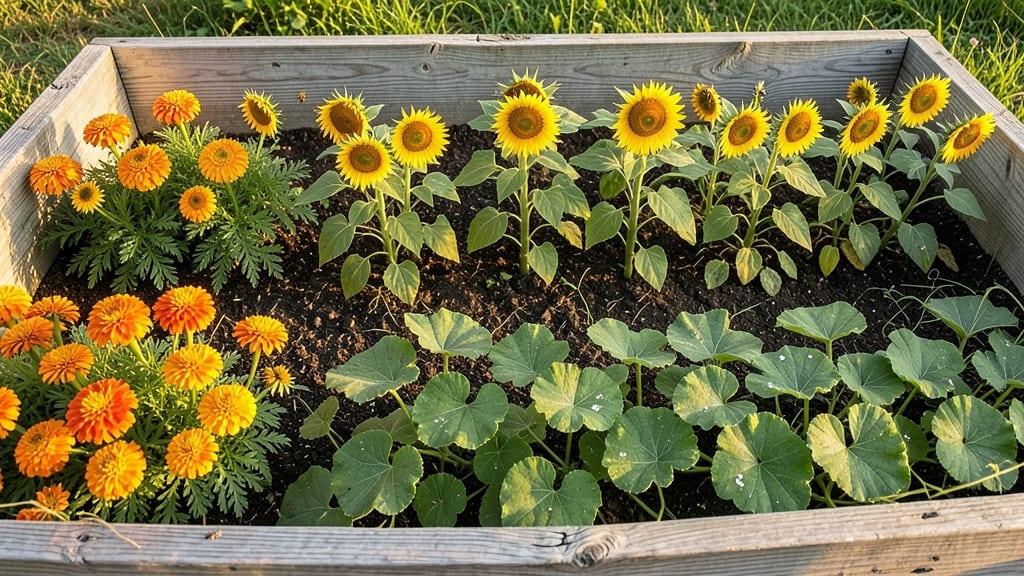
Turn your raised bed into a buzzing ecosystem with pollinator-friendly stripes that double as pest control. Alternating rows of marigolds, sunflowers, and zucchini create a visual feast while luring bees and predatory wasps—nature’s pest patrol. This simple layout transforms your garden into a thriving hub for biodiversity without extra effort.
Start by planting marigolds (1-foot rows) along the edges—their strong scent deters aphids and nematodes while attracting beneficial insects. Next, add sunflowers (2-foot rows) as a mid-height pollinator magnet, followed by zucchini (3-foot rows) for your harvest. Space rows 18 inches apart to allow airflow and easy access. The sunflowers provide nectar early in the season, while marigolds offer late-summer blooms, ensuring pollinators have food from spring to fall.
Organic gardeners will love this approach because it reduces the need for chemical sprays while boosting yields—zucchini plants thrive when surrounded by pollinators. Plus, the striped pattern adds visual interest to your garden. 🌻
Containerized Aquaponic Raised Bed

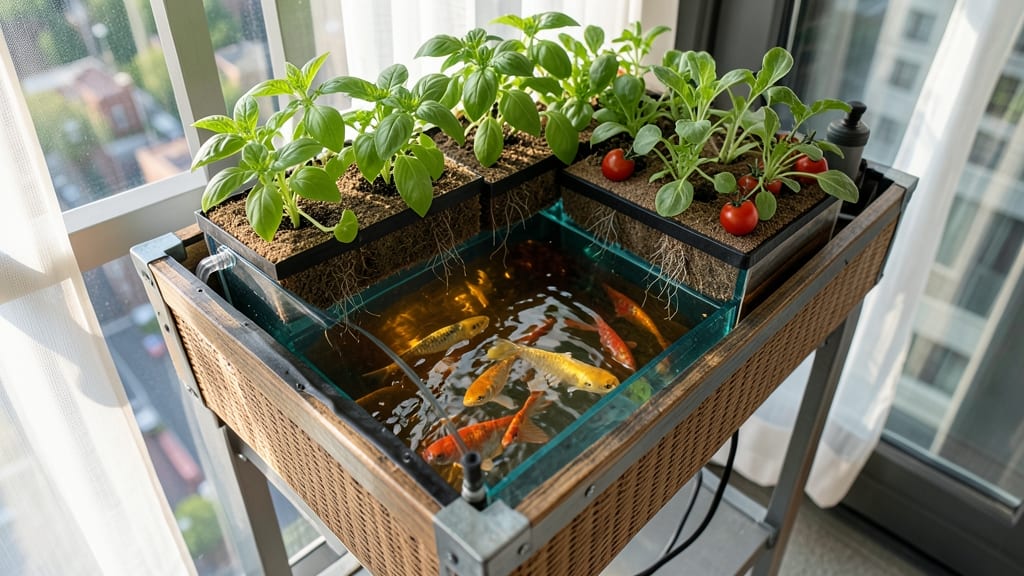
If you’re an urban gardener with limited space but big dreams, a containerized aquaponic raised bed turns your patio or balcony into a thriving, self-sustaining ecosystem. This innovative system combines a fish tank with nutrient-rich water that circulates directly to your plants, eliminating the need for soil or frequent fertilizing.
Start with a 4-foot-long raised bed divided into two sections: one for your goldfish or tilapia (they’ll clean the water naturally) and another for leafy greens like lettuce, spinach, or kale. The fish waste provides organic fertilizer, while the plants filter the water, creating a closed-loop system. You’ll harvest fresh greens in just 3-4 weeks with minimal effort—ideal for busy city dwellers. Just ensure your setup gets 4-6 hours of sunlight daily and maintains a stable water temperature.
This system is perfect for renters, small-space gardeners, or anyone tired of traditional soil-based gardening. Plus, it’s a conversation starter—imagine explaining to neighbors how your fish are helping grow dinner! 🌱