
Container Gardens
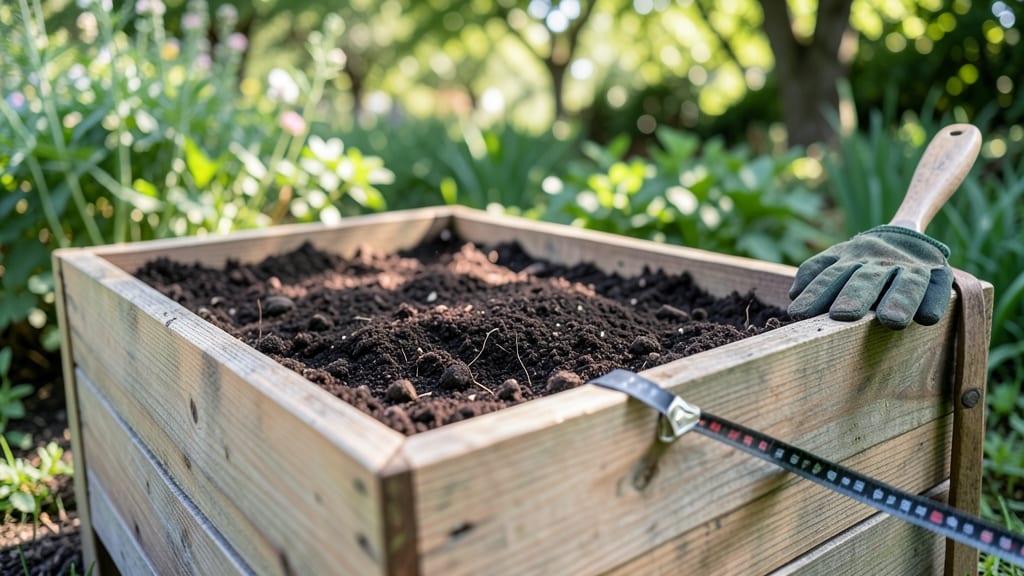
A 2x8-foot raised bed is the perfect canvas for small-space gardeners, but nailing the height can transform your harvest from decent to exceptional—and I’ve learned the hard way what happens when you get it wrong.
Too shallow, and your carrots 🥕 will fight for space like kids in a carpool. Too tall, and you’ll spend more time bending over than picking tomatoes. The secret? Customizing height based on what you’re growing, your soil type, and even your back’s comfort level.
In this guide, I break down the ideal heights for everything from shallow-rooted herbs to deep-diggers like potatoes, plus how to build or modify your bed without breaking the bank.
Whether you’re starting from scratch or tweaking an existing setup, these hacks will help you maximize every inch of your 2x8 space.
Ready to design a raised bed that works as hard as you do? Let’s dive into the numbers, materials, and little-known tricks that make all the difference.
Optimal raised bed 2x8 height guide: soil depth vs. planting needs
A 2x8-foot raised bed offers incredible planting flexibility, but the height you choose directly impacts your success. Too shallow, and root crops like carrots or potatoes will struggle to mature.
Too tall, and you might waste space or create drainage issues. The ideal height depends on your planting goals, soil type, and even your physical accessibility needs.
Most gardeners start with a 6-inch minimum height—enough for shallow-rooted plants like lettuce or radishes. However, if you're growing deep-rooted vegetables or prioritizing accessibility, heights up to 18 inches become essential.
For wheelchair users, 30-inch heights are ideal for easy reach, though we'll focus on the 6–18-inch range for this guide.
Here’s the key: soil depth and planting needs must align. A 12-inch depth works for most vegetables, but strawberries thrive in shallower beds (6–8 inches), while asparagus or corn demand 18+ inches. Let’s break down the best heights for your 2x8-foot raised bed based on what you’re growing.
| Plant Type | Root Depth | Ideal Bed Height | Accessibility Note |
|---|---|---|---|
| Shallow-rooted (lettuce, radishes, herbs) | 4–6 inches | 6–8 inches | Easy for all users |
| Medium-rooted (carrots, beets, bush beans) | 8–12 inches | 10–12 inches | Standard for most gardeners |
| Deep-rooted (potatoes, asparagus, corn) | 12–18+ inches | 14–18 inches | Requires bending; consider raised edges |
| Fruiting plants (strawberries, tomatoes) | 6–12 inches (varies) | 8–12 inches | Tomatoes need support; strawberries prefer shallower beds |
| Accessibility (wheelchair/ergonomic) | N/A | 24–30 inches (counter height) | Add removable sides for seating |
For shallow-rooted plants like lettuce or radishes, a 6–8-inch bed is perfect. These plants thrive with minimal depth, and the lower height makes weeding and harvesting easier.
I’ve found that herbs like basil and parsley also do well in these shallower beds, as long as you keep the soil moist and well-draining.
When growing medium-rooted crops such as carrots, beets, or bush beans, aim for a 10–12-inch depth. This gives roots room to expand without hitting the bed’s bottom.
I once tried growing Danvers carrots in an 8-inch bed, and while they sprouted, many grew crooked due to restricted space. A 12-inch depth is your sweet spot for these varieties.
If you’re dreaming of deep-rooted vegetables like potatoes or asparagus, you’ll need to go deeper—14–18 inches is ideal. These plants require space to establish strong root systems, and shallower beds will leave them stunted.
For potatoes, I recommend adding 4–6 inches of straw mulch on top of the soil to encourage tuber formation deeper in the bed.
Don’t overlook accessibility when choosing height. A 2x8-foot bed at 24–30 inches (counter height) is a game-changer for gardeners with mobility challenges. I’ve seen wheelchair users add removable side panels to create a seating area, making planting and harvesting far more comfortable.
Even if you don’t need this height, consider building your bed in modular sections so you can adjust the height over time.
Another critical factor is soil type. Sandy soils drain too quickly, while clay soils can become waterlogged. If your native soil is heavy clay, a 12-inch bed with a 50% compost mix will improve drainage and aeration. For sandy soils, add organic matter like peat moss to retain moisture
DIY 2x8 raised bed height hacks: materials and assembly tips
A 2x8-foot raised bed offers endless planting possibilities, but its height can transform your gardening experience. Standard heights range from 6 to 18 inches, but customizing can improve drainage, accessibility, and root growth.
Whether you're using cedar lumber, composite materials, or repurposed pallets, the right height hack ensures your bed lasts seasons and supports your plants perfectly. Let’s explore cost-effective, durable options tailored to your needs.
For beginner gardeners, a 12-inch height strikes the balance between accessibility and soil depth, accommodating most vegetables and herbs. However, if you’re growing deep-rooted crops like carrots or asparagus, consider stacking layers or extending the height to 18 inches or more.
Repurposed materials like cinder blocks or wooden pallets can also reduce costs while adding character to your garden layout.
If you’re modifying an existing bed, consider adding stackable layers made from corrugated metal or plastic to increase height without rebuilding. These layers are lightweight, affordable, and easy to assemble. For example, a 6-inch base layer followed by a 12-inch extension creates a 18-inch deep bed—ideal for root vegetables.
Just ensure each layer is secured with screws or brackets to prevent shifting.
For accessibility, aim for a 30-inch height from the ground to the top of the bed. This works well for wheelchair users or those with mobility challenges. Use adjustable legs or stackable blocks to achieve this height without compromising stability.
Always check local building codes, as some areas require permits for raised beds taller than 30 inches.
To ensure structural stability, use corner braces or metal rebar stakes to anchor your bed, especially in windy areas. For cedar or composite lumber, pre-drill holes to prevent splitting when assembling. If using pallets, sand rough edges and treat them with a non-toxic sealant to extend their lifespan.
A well-built bed will last for years, saving you time and money in the long run.
Experiment with height to find what works best for your plants and your garden’s layout. Whether you choose cedar for longevity, pallets for sustainability, or cinder blocks for affordability, the right height hack will elevate your gardening game—literally and figuratively! 🌱