
Tools
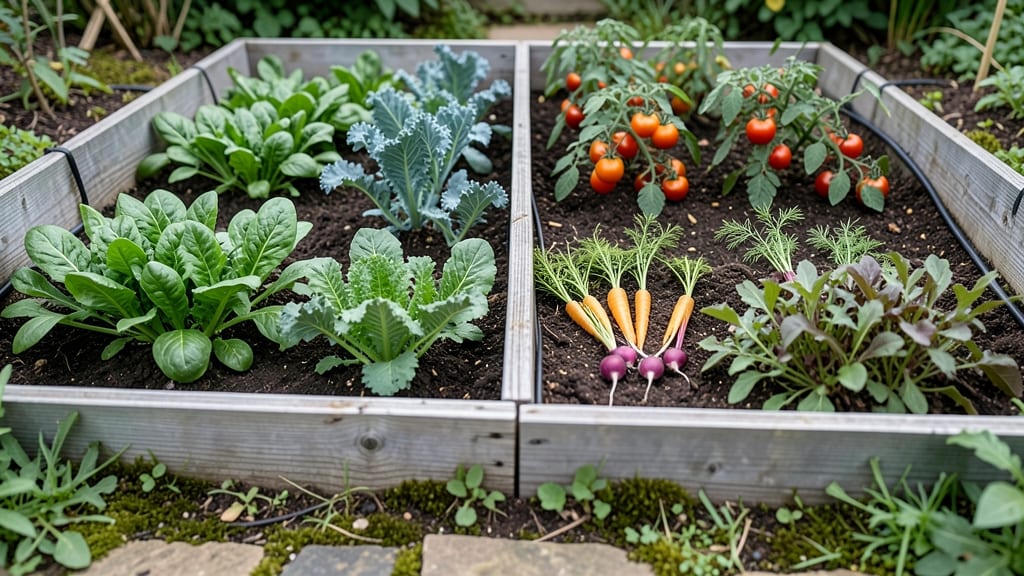
Maximize your garden’s potential with these 10 innovative raised bed layouts designed to save space while boosting productivity. Whether you have a balcony, patio, or backyard, these configurations help you grow more vegetables in less area—perfect for urban gardeners and small-space enthusiasts alike.
Square Foot Gardening Grid Layout
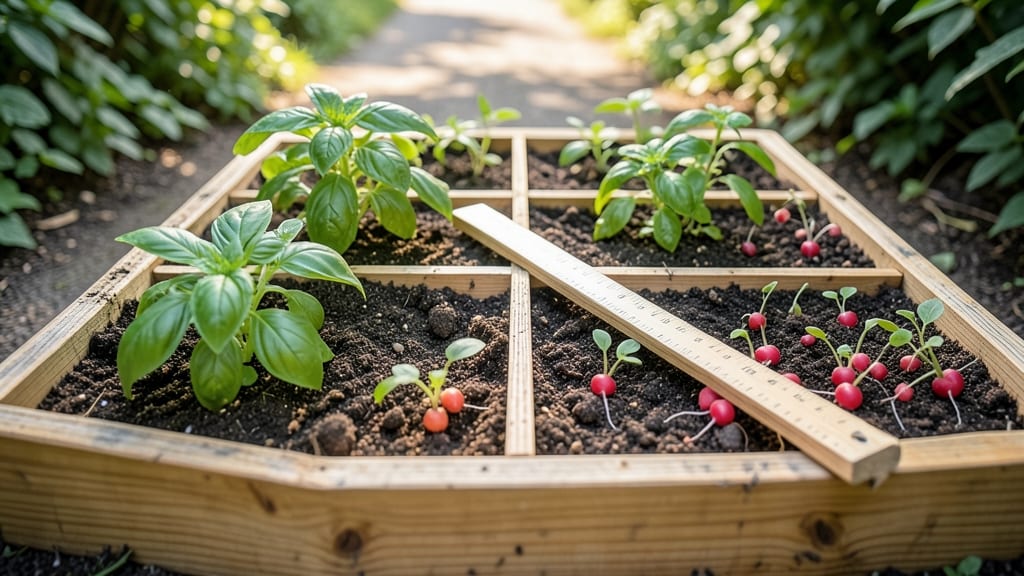
Tired of guessing how much space to give each plant? Square Foot Gardening turns your raised bed into a precision tool, dividing it into a grid of 1-foot squares—each perfectly sized for specific plants. This method, developed by Mel Bartholomew, eliminates wasted space by ensuring every plant gets exactly what it needs, whether it's a single bush bean or a cluster of carrots.
The beauty of this system lies in its simplicity: just use a string and stakes to divide your bed into squares, then follow a planting chart to place 1, 4, 9, or 16 plants per square depending on their size. For example, leafy greens like lettuce thrive in a 16-plant square, while tomatoes need their own full square. It also makes crop rotation and succession planting effortless—just swap out plants as the season changes.
This layout is a game-changer for beginners and small-space gardeners, offering a foolproof way to grow more without the guesswork. Plus, the grid keeps weeds at bay and makes harvesting a breeze. 🌱
Vertical Trellis Tower Garden
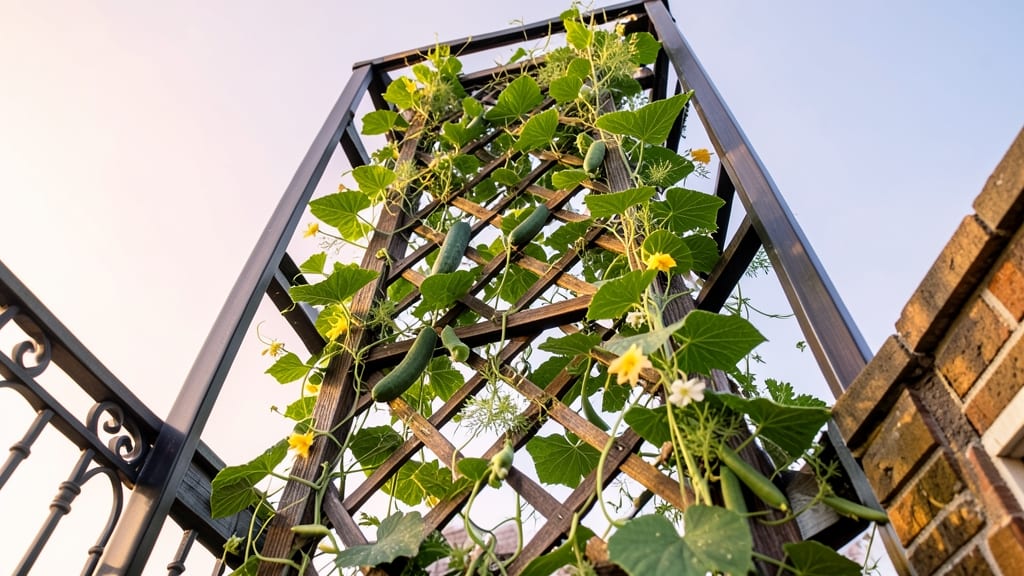
Turn your balcony or tiny yard into a high-yield vegetable powerhouse with a vertical trellis tower garden—where vining plants like cucumbers, pole beans, and peas climb upward instead of sprawling across precious floor space. This design is a game-changer for urban gardeners with limited square footage, letting you grow more in less area while adding a stunning vertical element to your space.
Start by installing freestanding trellises (wooden, metal, or even repurposed ladders) inside your raised bed or along a wall. Plant fast-growing vines like bush beans at the base and cucumbers or peas near the top, where they’ll have room to sprawl. For maximum airflow, space trellises 12–18 inches apart and train vines to climb using soft twine or spiraled wire. This setup not only saves space but also makes harvesting easier—no more bending over for those high-yielding pods!
Perfect for renters, balcony gardeners, or anyone with tight corners, this layout turns underutilized vertical space into a productive, eye-catching feature. Plus, the dappled sunlight filtering through climbing foliage adds a lush, organic touch to any garden. 🌱
Keyhole Garden Design
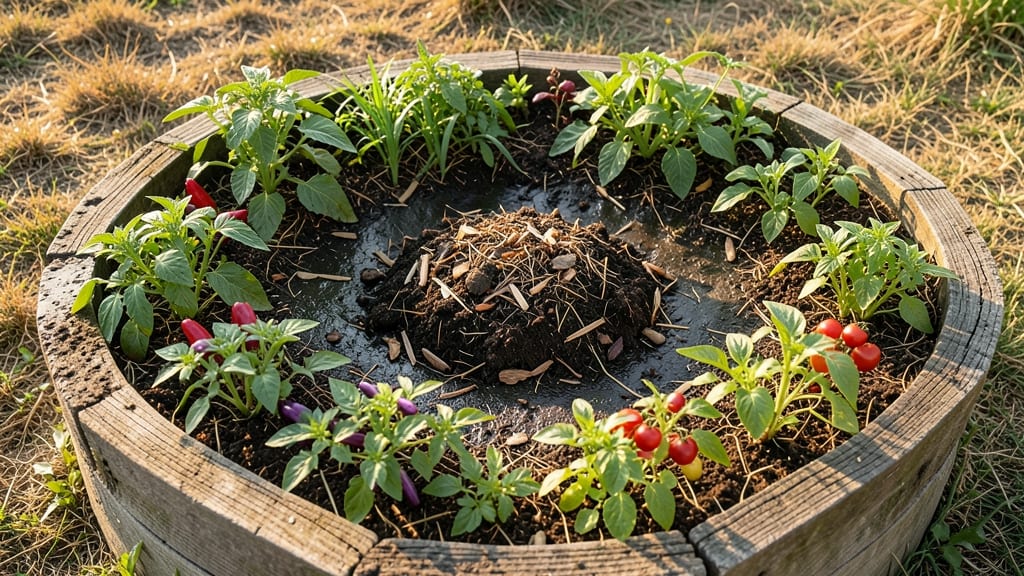
If you're tired of watering your garden every day—especially in dry climates—the keyhole garden design is your solution. This circular, self-watering layout features a central compost hub that slowly releases moisture and nutrients, keeping your soil hydrated for weeks. The result? Less water waste and more time for you.
Build your keyhole bed by creating concentric rings around the compost basket, planting shallow-rooted veggies (like lettuce and radishes) closest to the center and taller plants (such as tomatoes or peppers) toward the outer edges. The design’s permeable walls allow rainwater to seep in while preventing erosion. For best results, fill the bed with a mix of compost, sand, and topsoil to ensure drainage and fertility.
This layout is perfect for urban gardeners, beginners, or anyone in water-scarce areas—it’s efficient, sustainable, and reduces maintenance. Plus, the compost hub breaks down into nutrient-rich soil over time, giving your plants a steady diet of organic goodness. 🌱
Straw Bale Garden Layout
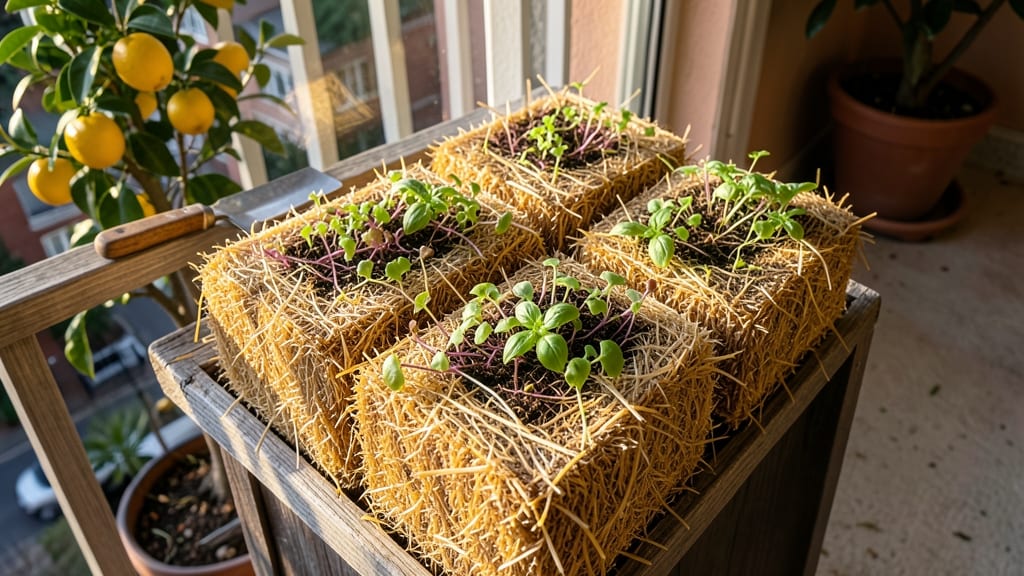
If you're renting an apartment or lack space for traditional garden beds, straw bale gardens offer a no-dig, temporary solution that’s surprisingly productive. These bales act as self-contained growing mediums, eliminating the need for soil prep or permanent installation—ideal for herbs, lettuce, and other shallow-rooted vegetables.
Start by soaking the bales for 2-3 days to kickstart decomposition, then top with 2-3 inches of compost before planting. The bales retain moisture better than soil and warm up faster in spring, giving you a 2-4 week head start on the growing season. Perfect for fast-growing crops like radishes, spinach, and basil, straw bales also deter weeds naturally since they’re elevated.
This layout is a game-changer for urban gardeners, renters, or anyone with limited space—just move the bales when you relocate! 🌱
Intercropping Companion Planting Beds
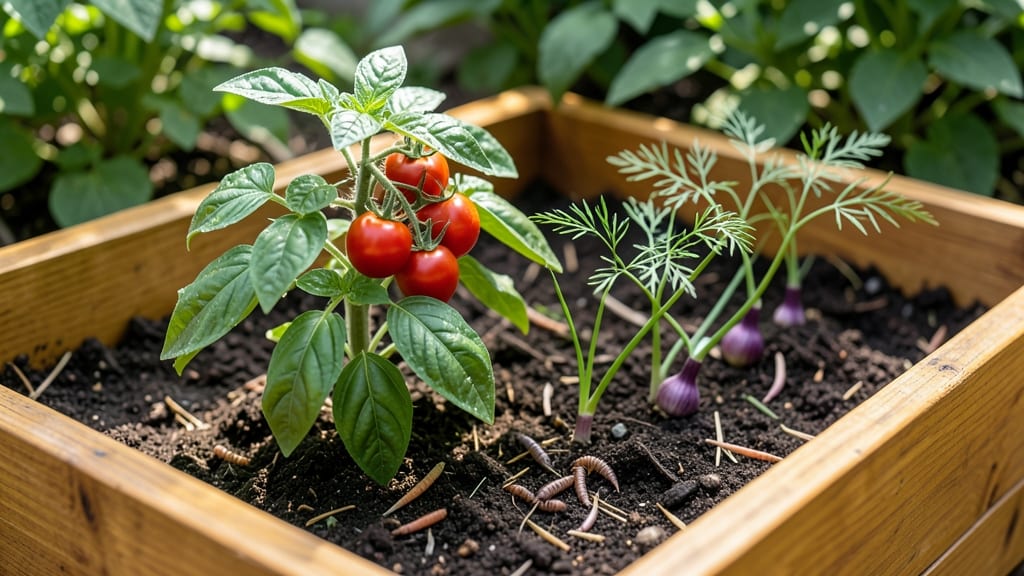
Turn your raised bed into a thriving ecosystem by pairing plants that work together—like tomatoes with basil or carrots with onions. This intercropping technique isn’t just about saving space; it’s about creating a self-sustaining garden where plants support each other, repel pests, and even taste better.
Start by grouping plants with complementary needs: tall plants like corn or sunflowers can shade shallow-rooted greens, while herbs such as marigolds or dill deter pests like aphids or rabbits. For example, onions and carrots naturally repel each other’s pests, and basil near tomatoes enhances flavor while keeping flies away. Aim for 3-4 plant types per bed to balance growth and reduce competition.
This method is a game-changer for small spaces, urban gardeners, or anyone who wants to grow more without expanding their footprint. Plus, the diversity makes your harvest more resilient against diseases. 💚
Tiered Raised Bed System
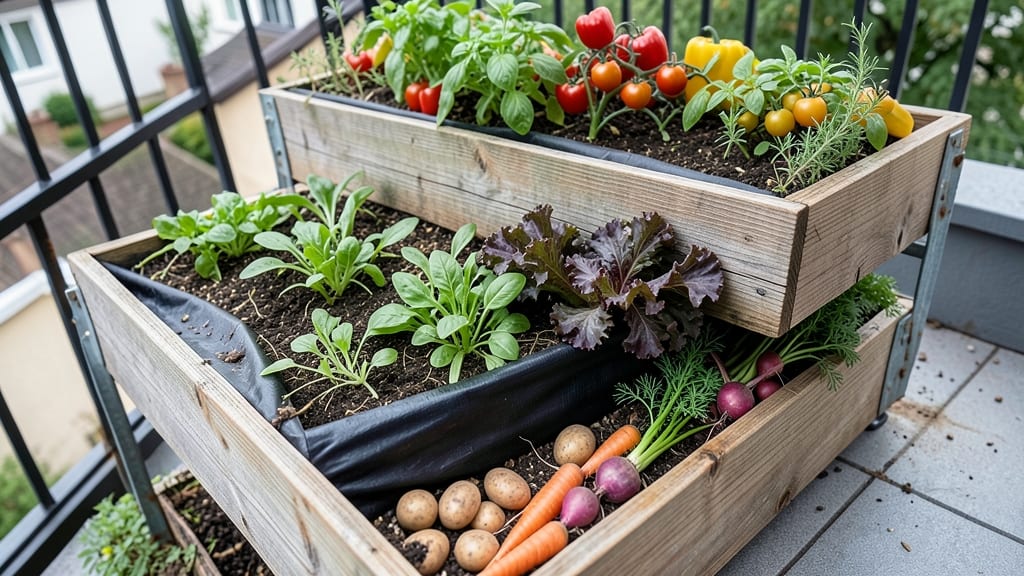
Turn your sloped yard or tiny balcony into a multi-level garden oasis with a tiered raised bed system. This innovative design lets you grow different crops at varying heights—think peppers on top, leafy greens in the middle, and potatoes at the bottom—all in one compact footprint. Perfect for urban gardeners or those with uneven terrain, it maximizes space without sacrificing sunlight or soil depth.
Start with three to five levels, ensuring each tier has at least 12 inches of soil depth for root vegetables. Use sturdy materials like cedar or composite lumber to prevent warping, and add drainage holes between layers to avoid waterlogging. Place taller, sun-loving plants like tomatoes or peppers on upper levels, while shade-tolerant greens thrive below. A handrail or trellis between tiers adds safety and vertical growing space for vining plants.
This system is a game-changer for small-space gardeners or those with limited flat ground—it’s like having multiple gardens in one! Plus, the visual appeal of layered greenery adds a dynamic, modern touch to your outdoor space. 🌿
Spiral Herb Garden Layout
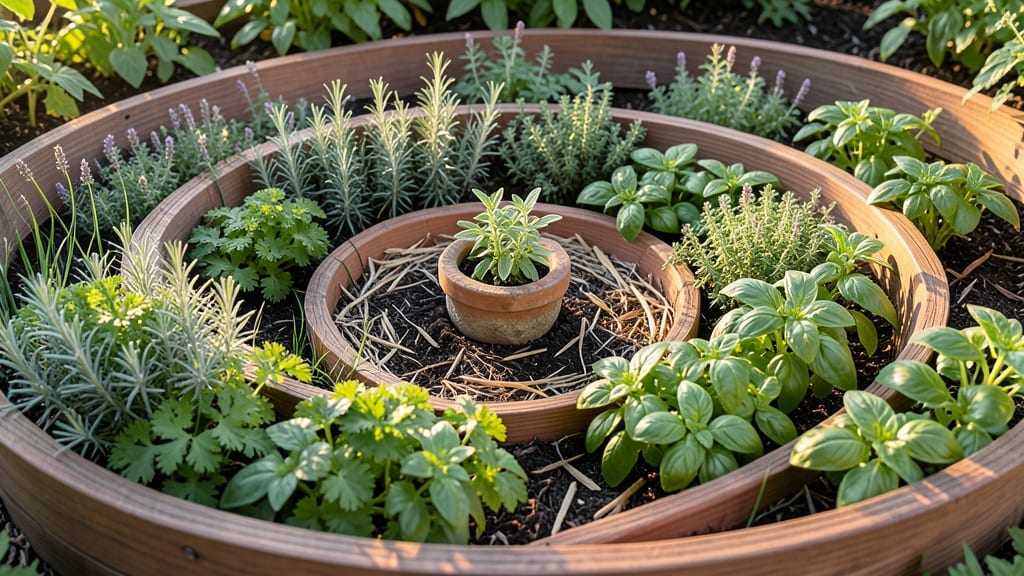
Turn your kitchen garden into a fragrant, functional masterpiece with a spiral herb garden layout—a compact, spiral-shaped bed that brings fresh herbs within arm’s reach while adding visual charm. This design maximizes small spaces by arranging plants in concentric circles, allowing sunlight to reach all areas while keeping maintenance simple.
Start by creating a 3-4 foot diameter bed with a central stone or compost hub. Place sun-loving herbs like rosemary and thyme on the outer edge (where they get the most light) and shade-tolerant varieties like parsley and chives closer to the center. Add microgreens in shallow pockets along the inner curves for quick harvests. The spiral shape naturally directs water toward the center, reducing runoff and keeping roots hydrated.
This layout is perfect for urban gardeners, balcony growers, or anyone who loves fresh herbs daily—no more tripping to the garden for a pinch of basil! The circular design also creates a soothing, meditative space in your yard. 🌿
Salad Table Garden Design
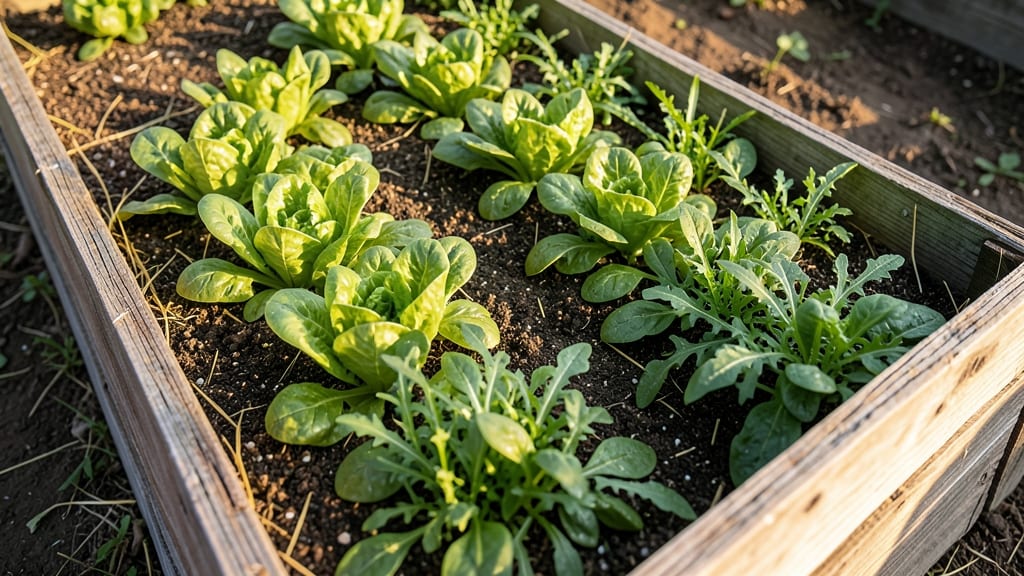
Craving fresh salads straight from your garden but short on space? A salad table garden design transforms a long, narrow raised bed into a year-round green machine, packed with lettuce, spinach, and arugula that you can harvest in just 30-45 days. Unlike deep-rooted crops, these shallow-rooted greens thrive in beds just 6-8 inches deep, making them perfect for compact layouts.
This design prioritizes continuous harvests by planting successive rows every 2-3 weeks, ensuring your salad bowl never goes bare. Use drip irrigation or a soaker hose to keep the shallow soil consistently moist, and space plants closely—leafy greens like spinach can share rows with slower growers like radishes. For extra flavor, tuck in edible flowers like nasturtiums or chives at the edges.
Ideal for urban gardeners, patio dwellers, or anyone who loves fresh salads, this layout turns a simple raised bed into a self-replenishing salad bar. Plus, its low profile makes it easy to place near your kitchen door. 🌿
Underground Pocket Garden
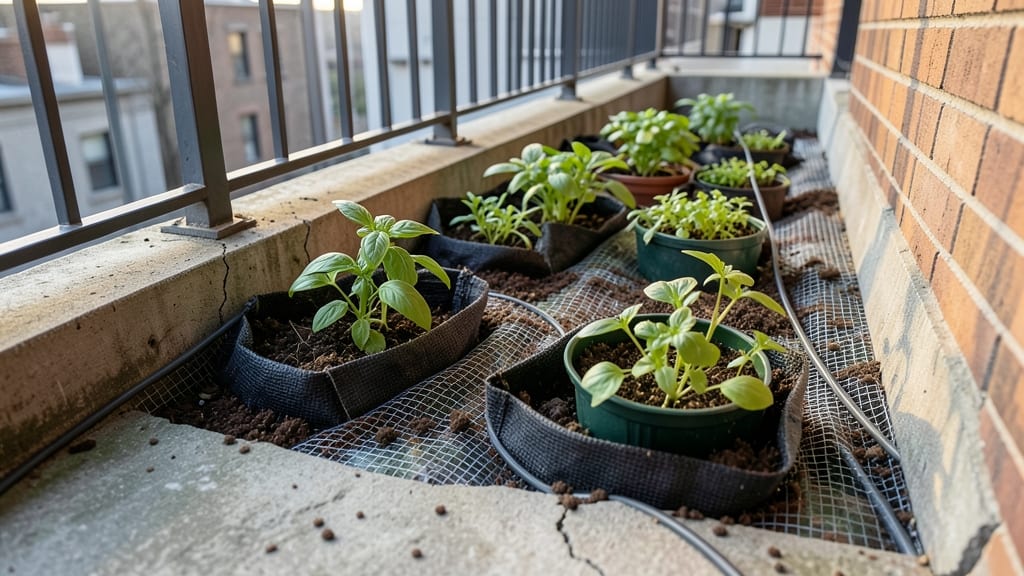
Tuck your garden into tight urban spaces with an underground pocket garden, where plants grow hidden beneath the surface in buried containers or fabric pockets. This clever design transforms unused soil space into a productive growing area, perfect for city balconies or postage-stamp yards where traditional beds won't fit.
Start by digging pockets or trenches in your existing soil, then place terracotta pots, fabric grow bags, or even repurposed plastic containers at least 6 inches deep. Fill with lightweight potting mix and plant root vegetables like carrots, beets, or radishes—their long taproots thrive in the extra depth. For leafy greens, use shallower pockets (4-6 inches) filled with compost-rich soil. The key is to leave just enough soil on top to maintain moisture and deter weeds, while keeping the growing medium hidden.
This layout is a lifesaver for urban gardeners with limited space or those who want to grow vegetables without sacrificing their lawn or patio. It’s also discreet enough to blend into any landscape while giving you a surprising harvest from an unexpected place. 🌱
Seasonal Rotation Layout

Say goodbye to fallow garden beds—this seasonal rotation layout keeps your raised bed productive year-round by swapping out crops with the changing seasons. Instead of planting once and hoping for the best, you’ll grow cool-season greens like spinach and kale in spring, heat-loving tomatoes and peppers in summer, and hardy root vegetables like carrots and beets in fall. The modular design lets you divide your bed into sections, making transitions seamless.
Start by dividing your bed into 3-4 equal sections using removable wooden dividers or landscape fabric. In early spring, plant fast-maturing greens (like lettuce or radishes) in one section while prepping the next for summer crops. By late spring, swap in tomatoes or cucumbers, then transition to fall brassicas (kale, cabbage) as temperatures drop. This approach prevents soil depletion, reduces pests, and ensures you’re always harvesting something fresh. For best results, keep a simple garden journal to track rotations and soil health.
This method is perfect for small-space gardeners, urban farmers, or anyone tired of seasonal gaps in their harvest. With minimal extra effort, you’ll enjoy continuous yields and healthier soil—no more wasted growing time! 🌻