
Container Gardens
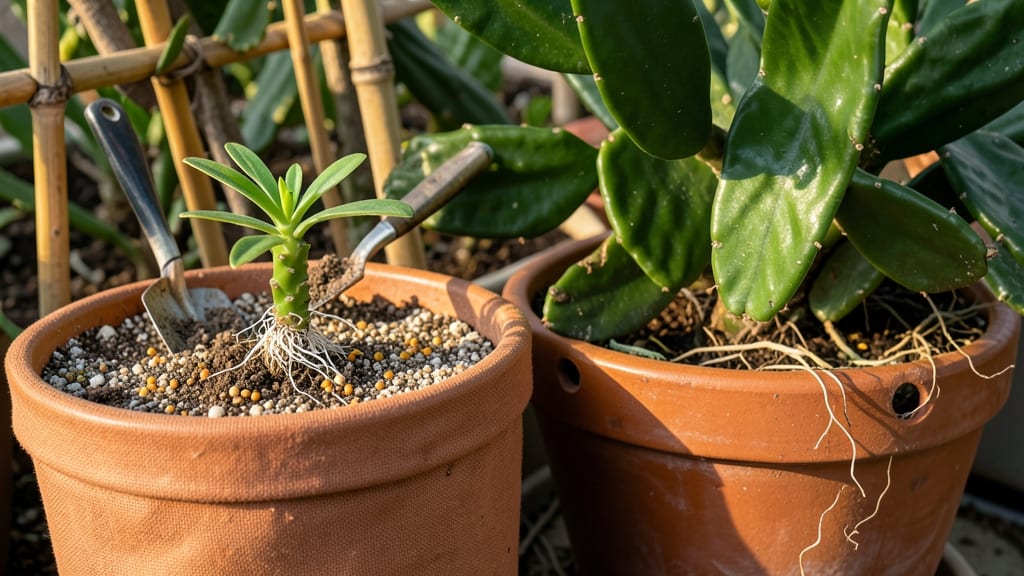
Planting dragon fruit in containers is the fastest way to turn your balcony into an exotic fruit factory. 🌱 I've watched these vines go from bare stems to heavy with fruit in just 18 months—and they keep producing year after year with the right care. The key is mimicking their tropical roots while working with limited space, and I'll show you exactly how.
You'll need a 5-gallon container minimum (7+ gallons for heavy fruiting), a well-draining cactus mix, and a sturdy trellis or fence for those 20-foot vines.
Dragon fruit thrives on neglect once established—water only when the soil is bone dry—but it hates soggy roots, which is where most beginners fail. The secret weapon? A 1-inch layer of gravel at the bottom to prevent rot while keeping roots oxygenated.
By summer's end, you'll be harvesting pink or yellow fruit that tastes like a mix of kiwi and pear, with a texture like a cross between a peach and a cactus.
The vines flower at night (yes, really), and those dramatic blooms last just 24 hours—so keep an eye out for them! With proper support, one plant can produce 50+ pounds of fruit annually in ideal conditions.
This method works in zones 10-11 year-round, but with winter protection (like moving containers indoors or wrapping them in bubble wrap), you can grow them as far north as zone 8. The biggest mistake? Underestimating how much these vines will grow—so plan your trellis placement carefully from day one.
📚 In This Guide
- What you need
- Instructions
- Tips and common mistakes
- Wrapping up and next steps
What you need
- ● Container: At least 10–15 gallons (20+ gallons for mature plants). Use a deep, wide pot with drainage holes (plastic, fabric, or ceramic).
- ● Dragon fruit plant: Start with a healthy cutting (4–6 inches long) or a potted seedling from a nursery.
- ● Well-draining potting mix: A blend of cactus/succulent mix (60%), perlite or pumice (20%), and compost (20%).
- ● Support structure: A trellis, bamboo stake, or wire cage (4–6 feet tall) for climbing vines.
- ● Fertilizer: Balanced liquid fertilizer (10-10-10) or organic options like fish emulsion (diluted to half-strength).
- ● Pruning shears (for trimming vines and dead leaves).
- ● Gloves (to protect hands from thorns).
- ● Spray bottle (for misting seedlings or humidity control).
- ○ pH testing kit (optional but useful—ideal pH: 6.0–7.0).
- ● Saucer or tray (to catch excess water and prevent root rot).
- ● Sunlight: Full sun (6–8+ hours daily). A south- or west-facing spot is ideal!
- ● Temperature: Warmth-loving! Keep containers above 50°F (10°C) (avoid frost).
- ● Watering routine: Let soil dry 2–3 inches deep between waterings (overwatering = root rot!).
- ● Patience: Dragon fruit takes 2–3 years to bear fruit, but the wait is worth it! 🍈
Step-by-Step instructions for planting dragon fruit in containers
Here’s how I grow dragon fruit year-round in pots—no greenhouse needed.
🌱 Step 1: Select the Right Container and Drainage
Dragon fruit thrives in 5-gallon containers with multiple drainage holes—the roots need air as much as water. I use terracotta pots because they wick away excess moisture, preventing root rot. If your pot lacks holes, drill 3-4 extra near the bottom. Line the base with 2 inches of gravel to improve drainage and prevent soil compaction.
This plant’s native habitat is rocky, so mimicking that environment speeds growth. Place a 1-inch layer of perlite over the gravel to keep roots from sitting in water. The goal is fast-draining soil—dragon fruit hates soggy feet. If your pot has a saucer, empty it after watering to avoid waterlogging.
🌱 Step 2: Use Fast-Draining Soil and Support the Vine
Fill the pot with a cactus/succulent mix (or blend 60% potting soil, 30% perlite, and 10% compost). Dragon fruit roots need oxygen-rich soil—compacted dirt strangles growth. I add 1 tablespoon of slow-release fertilizer (like 14-14-14) to the bottom layer for an instant nutrient boost.
Plant the pups (offshoots) 1-2 inches deep, spacing them 6 inches apart if using multiple. Install a 6-foot bamboo stake or trellis immediately—these vines grow 10+ feet in a season. Secure the main stem with soft plant ties to guide upward growth. This prevents leggy, weak stems that snap under fruit weight.
☀️ Step 3: Provide Bright, Indirect Light and Warmth
Dragon fruit needs full sun (6+ hours daily) but tolerates morning sun + afternoon shade in hot climates. Place pots near a south-facing window or under LED grow lights (14-16 hours/day). If leaves yellow or stretch toward light, move the plant closer to the light source.
Keep soil consistently moist but never soggy—stick your finger 1 inch deep. If dry, water until it drains from the bottom. In winter, reduce watering to every 2-3 weeks—overwatering kills roots faster than cold. A heating mat (set to 75-85°F) speeds germination and growth if your home runs cool.
🌿 Step 4: Fertilize and Prune for Fast Growth
Feed every 4-6 weeks with a balanced liquid fertilizer (half-strength) or fish emulsion for organic growth. Dragon fruit responds dramatically to nutrients—you’ll see new leaves within 2 weeks. Prune yellow or dead leaves immediately to redirect energy to fruit production. Cut back overly long vines to encourage bushier growth.
When flowers appear (usually 12-18 months after planting), hand-pollinate with a small paintbrush—dragon fruit is self-pollinating but benefits from a gentle nudge. Remove small or deformed fruit early to let larger ones develop. Harvest when skin turns bright pink/magenta—this ensures sweetness and prevents overripe messes.
⏰ Step 5: Overwinter and Encourage Year-Round Production
In winter, move pots to a sunny indoor spot (like a greenhouse or sunroom) and reduce watering. Dragon fruit dormancy isn’t required—it keeps producing with 12+ hours of light. If growth slows, supplement with grow lights to maintain 14-hour days. Prune lightly in late winter to remove weak or crossing branches, which improves airflow and fruit quality.
Rotate pots quarter-turn weekly to prevent lopsided growth. By summer, you’ll have multiple harvests—each vine can produce 3-5 fruit per season with proper care. The key to fast growth? Light, warmth, and consistent feeding—skip any of these, and you’ll wait years for fruit.
Tips & tricks for growing dragon fruit in containers
Real talk: The secret to fast, year-round dragon fruit isn't just about following steps—it's about the details that make all the difference.
Drainage is Non-Negotiable: In Step 1, when you're setting up that 2-inch gravel base, don't skimp on the perlite layer. I've seen too many containers fail because people thought "drainage holes" alone would solve the problem. The gravel-perlite combo creates an air pocket that prevents root suffocation. If your pot lacks holes, drill them yourself—roots need oxygen as much as water. Pro tip: Use a drill bit slightly larger than your finger to ensure proper drainage flow.
Soil Science Matters: The 60-30-10 soil blend in Step 2 isn't just arbitrary—it's about mimicking the plant's native rocky habitat. If you're using pre-mixed cactus soil, check the label to ensure it has at least 30% perlite or pumice. I've had success with a blend that includes 10% coconut coir instead of compost for better moisture retention without compacting. The key is maintaining that fast-draining quality while still holding enough moisture for the roots.
Light is Everything: That 6+ hours of full sun in Step 3 is critical, but here's what nobody tells you—dragon fruit responds to light intensity more than duration. If you're using grow lights (14-16 hours/day), position them 6-12 inches above the plant for optimal photosynthesis. I've noticed that plants under LED grow lights grow 20% faster when the lights are placed closer. Watch for leaves stretching toward light (etiolation)—this is your plant begging for more intensity. Rotate your pots weekly to ensure even growth on all sides.
Fertilizer Timing is Key: The 4-6 week feeding schedule in Step 4 works, but here's the breakthrough: Dragon fruit thrives on consistent, light feeding rather than heavy doses. I switch to a half-strength seaweed fertilizer every 3 weeks during flowering to boost fruit production. The plant shows visible stress when it's time for more nutrients—leaves turn slightly yellow between veins. This is normal and means it's ready for another feeding. Just remember: More isn't better—over-fertilizing burns roots faster than under-fertilizing.
Pro Tips for Planting Dragon Fruit In Containers
- Real talk: The secret to fast, year-round dragon fruit isn't just about following steps—it's about the details that make all the difference.
- Drainage is Non-Negotiable: In Step 1, when you're setting up that 2-inch gravel base, don't skimp on the perlite layer.
- Soil Science Matters: The 60-30-10 soil blend in Step 2 isn't just arbitrary—it's about mimicking the plant's native rocky habitat.
Frequently asked questions
Got questions about growing dragon fruit in containers? You’re not alone! Here are answers to some of the most common concerns to help you cultivate thriving vines with ease.
What’s the best temperature range for container-grown dragon fruit?
Dragon fruit thrives in warmth, ideally between 70–95°F (21–35°C) during the day and 60–70°F (15–21°C) at night. If temperatures drop below 50°F (10°C), the plant may suffer—consider moving containers indoors or to a greenhouse during cold snaps.
Can I grow dragon fruit in a small container, or do I need a large one?
While dragon fruit vines are vigorous, they adapt well to 10–15 gallon containers (or larger) as long as they have good drainage and support for climbing. Smaller pots (5+ gallons) work for young plants, but they’ll need repotting every 1–2 years. Root-bound vines = slower growth!
How long does it take for dragon fruit to bear fruit in containers?
Patience is key! With proper care, container-grown dragon fruit can produce fruit in 2–3 years (sometimes sooner). Female flowers (which bear fruit) appear after the plant is 2–3 feet tall and well-established. Pollinate by hand or attract bees for best results.
What if my dragon fruit plant isn’t flowering or fruiting?
Common culprits include lack of sunlight (6+ hours daily), insufficient nutrients, or stress from over/under-watering. Try these fixes:
- Move to a sunnier spot or supplement with grow lights.
- Fertilize with a balanced, citrus-friendly formula (high in potassium).
- Ensure consistent moisture but avoid soggy soil.
Can I grow dragon fruit from seeds, or should I buy a cutting?
While you can grow from seeds, it’s slower and less reliable—seedlings may take 5+ years to fruit. For faster results, buy a healthy cutting (6+ inches long) from a nursery. Look for thick, woody stems with at least 2–3 nodes. Root in water first, then transplant!
Wrapping up and next steps
Growing dragon fruit in containers is a rewarding journey that brings vibrant color and delicious fruit to your space—no matter how small! With the right container, soil, and care, you’ll enjoy fast growth and year-round harvests.
Start small, stay patient, and soon you’ll be savoring sweet, exotic fruit straight from your balcony or patio.
Ready to take the next step? Pick your container, gather your supplies, and plant your first pit today! 🌱✨