
Vegetables
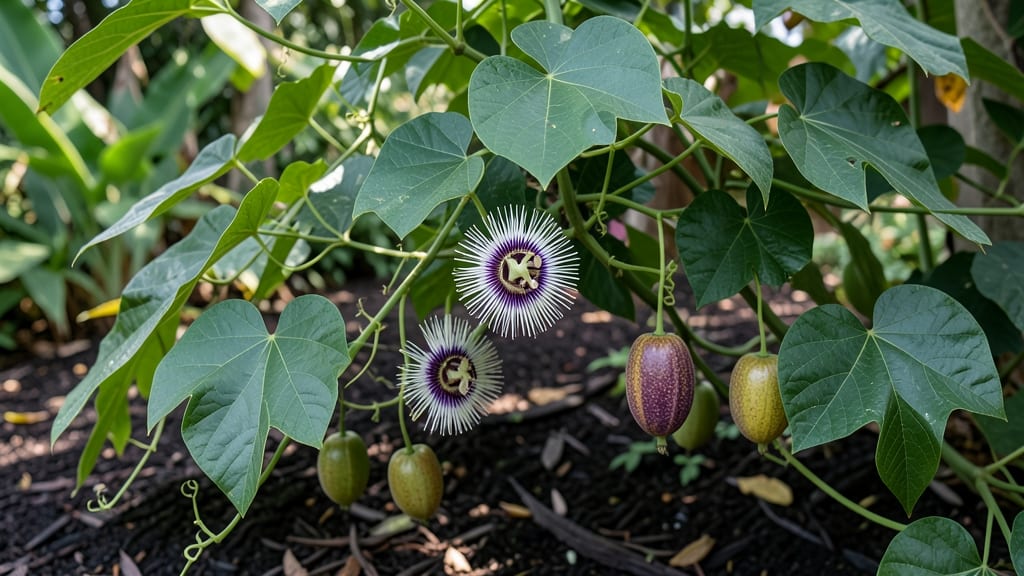
Growing passion vine fruit in your backyard means tropical flavors year-round—if you nail the sunlight, soil, and patience. 🌿 I’ve wrestled with these vines for years, and the difference between a thriving plant and a sad, leggy mess comes down to three key moves: choosing the right variety, mimicking their natural habitat, and protecting them from frost.
My purple passionfruit vine now produces dozens of fruits each season, and I’ll show you how to get there without the trial-and-error headaches.
The secret starts with well-draining soil—passion vines hate soggy roots—and a sunny spot where they can sprawl (think 10-15 feet of climbing space). You’ll need a trellis or fence, and if you’re in a cooler climate, plan to bring potted vines indoors during winter.
The first year is all about establishing roots, so don’t rush into heavy pruning—just let the vine find its rhythm. By spring, you’ll see those signature hand-shaped leaves popping up everywhere.
Harvest time is the best part: plump, fragrant fruits that burst with tropical sweetness when ripe. The key is patience—wait until they’re fully colored and slightly soft to the touch before picking.
One vine can yield 50+ fruits in a good season, and with proper care, you’ll have fresh passion fruit for smoothies, desserts, or just snacking straight from the vine. The only downside? Those fruits don’t last long once picked, so plan to enjoy them fast.
Regional tweaks matter: in Zone 8-11, vines thrive outdoors year-round, while Zones 5-7 need winter protection. And if you’re growing Passiflora edulis (the purple variety), expect a longer wait for fruit—sometimes up to two years—but the payoff is worth it.
Ready to turn your patio into a passionfruit paradise? Let’s get those vines climbing.
📚 In This Guide
- What you need
- Instructions
- Tips and common mistakes
- Wrapping up and next steps
What you need
- ● Passion fruit vine (Passiflora edulis) – Choose between Purple or Yellow varieties (or both!). Start with 1-3 healthy plants or seeds (if germinating from scratch).
- ● Well-draining soil mix – 50% potting soil + 50% perlite or coconut coir (or a pre-mixed cactus/succulent blend). Pro tip: Passion vines hate soggy roots! 💡
- ○ Containers or garden bed: For pots: 15-20 gallon containers (minimum) with drainage holes. Optional: Self-watering pots for drought-prone areas.
- ● For in-ground planting: Full sun (6+ hours/day) and space to sprawl (10–15 feet per vine).
- ● Support structure – A trellis, arbor, or sturdy fence (vines can climb 20+ feet!). Use biodegradable twine or soft ties to guide growth.
- ● Fertilizer: Balanced organic fertilizer (10-10-10 or similar) – Apply every 4–6 weeks during growing season.
- ○ Citrus/acid-loving plant food (optional but helpful for pH balance).
- ● Watering can or drip irrigation – Passion vines prefer deep but infrequent watering (1–2 inches per week).
- ● Pruning shears – Sharp, clean shears (sterilize with rubbing alcohol between cuts).
- ○ Mulch (optional but recommended) – Wood chips or straw to retain moisture and regulate soil temp.
- ● Hardiness zones: 8–11 (outdoors). For cooler climates: Grow in containers and overwinter indoors (60–70°F).
- ● Temperature: Ideal range: 65–85°F. Warning: Vines cannot tolerate frost (below 32°F).
- ● Sunlight: Full sun (6+ hours/day). Partial shade may reduce fruit yield.
- ● Humidity: Thrives in 50–70% humidity. Dry air? Mist leaves occasionally or use a pebble tray.
- ● Pollinator-friendly flowers nearby (e.g., bees love passion vines!).
- ● Harvest basket or gloves (fruit stains easily!).
- ● Soil pH tester (aim for 6.0–7.0; adjust with lime or sulfur if needed).
Step-by-step instructions for growing passion fruit vines
Here’s how to cultivate thriving passion vines with consistent fruit production—no matter your climate.
🌱 Step 1: Select the Right Vine Variety and Planting Site
Choose between purple passion fruit (Passiflora edulis) for cooler climates or yellow passion fruit (Passiflora edulis flavicarpa) for tropical heat. Both thrive in full sun with 6+ hours of direct light daily, but yellow varieties tolerate slightly higher temperatures. Test your soil pH—passion vines prefer 6.0-7.5; amend with lime if needed.
Plant in well-draining soil with a trellis or sturdy fence nearby. Passion vines are vigorous climbers, reaching 20+ feet if unchecked. Space plants 8-10 feet apart to allow airflow and sunlight penetration. I always plant mine against a south-facing fence to maximize winter sun exposure in cooler zones.
☀️ Step 2: Plant and Provide Optimal Growing Conditions
Dig a hole twice as wide as the root ball but only as deep as the container. Remove the vine from its pot and loosen roots gently if pot-bound. Place the plant so the soil line matches the ground level—burying the stem too deep invites rot. Backfill with native soil, firming lightly to eliminate air pockets.
Water deeply immediately after planting to settle the soil and encourage root spread. Passion vines need 1-2 inches of water weekly, but avoid soggy soil—roots rot quickly in waterlogged conditions. Mulch with 2-3 inches of organic mulch (like wood chips) to retain moisture and suppress weeds. This step is critical: consistent moisture without saturation is the key to strong vine establishment.
🪴 Step 3: Train and Prune for Maximum Fruit Production
Guide the main vine along the trellis, securing it with soft ties every 2-3 feet. Once established, passion vines produce side shoots where fruit forms. Prune aggressively in late winter to remove dead or weak growth, and cut back one-third of the oldest wood to encourage new, fruiting shoots. I always prune just above a leaf node to stimulate branching.
Fertilize every 6-8 weeks during growing season with a balanced 10-10-10 or 8-3-9 formula, reducing nitrogen slightly to favor fruiting over leafy growth. Stop fertilizing 2 months before first frost in cooler climates. Watch for new flower buds—these form on current season’s growth, so prune carefully to avoid removing potential fruit clusters.
🍈 Step 4: Harvest and Extend the Growing Season
Passion fruit ripens when the skin turns deep purple (purple varieties) or golden yellow (yellow varieties) and feels slightly soft to the touch. Harvest by twisting gently—the fruit should detach easily. If left too long, they’ll split open and attract pests. I pick mine every 2-3 days during peak season to prevent overripening.
To extend harvests, protect vines from frost with row covers or a small greenhouse. In warmer climates, prune lightly after harvest to encourage a second flush of flowers. Store harvested fruit at room temperature until ripe, then refrigerate for up to 2 weeks. The key to year-round production? Prune strategically in late winter and protect from extreme cold—these two steps make all the difference.
⏰ Step 5: Overwinter and Prepare for Next Season
In USDA Zones 9-11, passion vines are perennial and need minimal winter care beyond light pruning. In cooler zones (Zones 7-8), protect vines with mulch and frost blankets or dig up containers and store them in a cool, dark garage until spring. I’ve had vines survive Zone 6 winters with heavy mulch and a mini greenhouse setup, but it’s a gamble.
Before dormancy, reduce watering but keep soil slightly moist. Apply a slow-release fertilizer in early spring to jumpstart growth. This is the time to replace old trellises or repair damaged supports—weak structures mean broken vines and lost fruit. A well-prepared vine enters spring ready to burst into growth, setting the stage for another bountiful harvest.
Tips & tricks for year-round passion fruit vine success
Here's what I've learned after years of growing these tropical gems—simple secrets that make all the difference between a struggling vine and a fruit-bearing powerhouse.
Climate Adaptation: Purple passion fruit (Passiflora edulis) thrives in cooler zones (7-8) with winter protection, while yellow varieties (Passiflora edulis flavicarpa) handle tropical heat better. I've found that even in Zone 6, purple vines can produce reliably if you use a 3-foot-deep mulch layer combined with a mini greenhouse frame during winter. The key is mimicking their natural tropical environment—consistent warmth without extreme temperature swings.
Root Establishment Hack: When planting, I always add a handful of composted cow manure to the planting hole—it provides immediate nutrients while encouraging strong root development. The critical part is making sure the soil line matches the container's soil line; burying the stem too deep causes rot, while planting too shallow means poor anchorage. Think of it like tucking a plant in bed just right—not too deep, not too shallow.
Pruning Precision: That one-third prune of oldest wood in late winter might sound drastic, but it works wonders. I mark the cuts with a piece of twine before pruning to visualize where I'm cutting back. Always prune just above a leaf node—this is where new growth will emerge. The goal is to open up the center of the vine for better airflow and sunlight penetration, which prevents fungal diseases and encourages more fruit production.
Watering Wisdom: The 1-2 inches weekly guideline works for established vines, but new plantings need more—especially that deep watering immediately after planting. I use a moisture meter to check soil depth, aiming for consistently moist but never soggy conditions. In summer heat, I water in the early morning to prevent evaporation and fungal issues. The mulch layer helps retain moisture while keeping roots cool, which is particularly important in hot climates.
Pro Tips for Passion Vine Fruit
- Here's what I've learned after years of growing these tropical gems—simple secrets that make all the difference between a struggling vine and a fruit-bearing powerhouse.
- Climate Adaptation: Purple passion fruit (Passiflora edulis) thrives in cooler zones (7-8) with winter protection, while yellow varieties (Passiflora edulis flavicarpa) handle tropical heat better.
- Root Establishment Hack: When planting, I always add a handful of composted cow manure to the planting hole—it provides immediate nutrients while encouraging strong root development.
Frequently asked questions
Got questions about growing and enjoying passion vine fruit? You’re not alone! Here are some of the most common queries—plus quick, practical answers to help you grow like a pro.
How long does it take for a passion fruit vine to bear fruit?
A healthy passion vine typically starts producing fruit 12–18 months after planting, depending on the variety and growing conditions. Patience is key—young vines focus on root and vine growth before flowering. For faster results, choose grafted plants (like ‘Sweetie’ or ‘Panama Yellow’) or provide rich, well-draining soil and consistent moisture. Pro tip: Prune aggressively in the first year to encourage bushier growth and earlier fruiting!
Can I grow passion fruit in containers, or do I need a garden?
Passion vines thrive in containers if you choose the right setup. Use a 15–20 gallon pot with drainage holes, fill it with a mix of potting soil and compost, and place it in full sun (6+ hours daily). Dwarf or self-pollinating varieties (like ‘Purple Haze’) are ideal for containers. Just remember to rotate the pot occasionally for even growth and fertilize monthly during fruiting season.
How do I protect my passion vine from frost or cold weather?
Passion vines are tropical and cannot tolerate frost—temperatures below 32°F (0°C) will damage or kill the plant. In cold climates, grow them in containers and move them indoors (or to a greenhouse) before winter. For outdoor vines, use row covers, mulch heavily, or plant near a south-facing wall for extra warmth. If frost hits unexpectedly, wrap the vine in burlap or blankets and cover it with a plastic sheet to trap heat.
Why aren’t my passion fruit flowers turning into fruit?
No fruit? Don’t worry—it’s often a pollination or environmental issue. Passion vines rely on bees, hummingbirds, or wind for pollination. If flowers aren’t setting fruit, try:
- Hand-pollinating with a small brush (gently transfer pollen from male to female flowers).
- Planting near bee-friendly flowers (like marigolds or sunflowers) to attract pollinators.
- Ensuring consistent watering (drought stress can cause flower drop).
- Fertilizing with low-nitrogen, high-phosphorus fertilizer to encourage fruiting.
What’s the best way to harvest and store passion fruit?
Harvest passion fruit when it’s fully ripe but still slightly firm—they won’t ripen further off the vine. Gently twist the fruit until it separates from the stem. Store them at room temperature for 2–3 days or refrigerate for up to 1 week (though flavor peaks at room temp!). For longer storage, blend into puree or freeze the pulp. Warning: Overripe fruit gets mealy—use your nose (fermented smell = too late!).
Wrapping up and next steps
Growing a passion vine fruit isn’t just about patience—it’s a rewarding journey that brings vibrant flavors and lush greenery to your space! With the right location, care, and a little creativity, you can enjoy a year-round harvest of these tropical gems.
Whether you’re a beginner or a seasoned gardener, your passion vine is sure to thrive with the tips and hacks you’ve learned.
Ready to take the next step? Start small—plant a vine today and watch it flourish! Share your progress with fellow gardeners, experiment with pruning techniques, or even explore passion fruit recipes to savor your homegrown bounty. 🌱✨ Happy growing!