
Picking
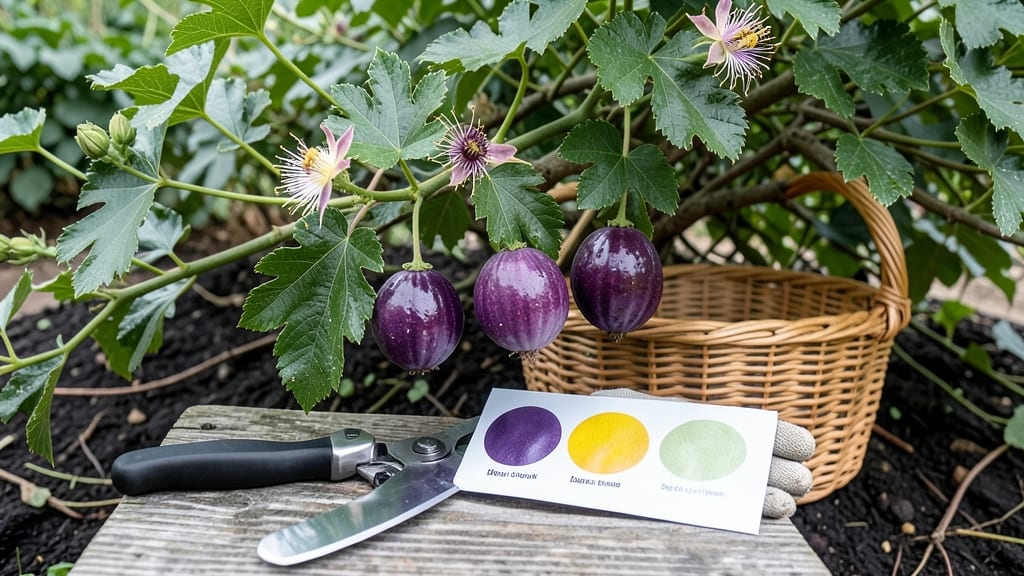
A passion fruit ripeness chart helps you pick fruit at its peak—when it’s sweet, fragrant, and ready to burst with flavor.
Picture this: You twist off a fruit that looks perfect, only to find it’s still tart and mealy inside. Or worse, you wait too long, and it turns mushy. The difference between a perfect passion fruit and a disappointing one comes down to knowing the exact signs of ripeness.
From vibrant color shifts to the right texture and even the weight in your hand, this guide breaks down every clue your 🍈 gives you. No more guesswork—just confident harvesting every time.
Inside, you’ll discover how to test for ripeness like a pro, avoid common mistakes, and even troubleshoot if your fruit isn’t ripening at all. Ready to master the art of picking passion fruit?
Passion fruit ripeness by color: the visual guide you need
Passion fruit ripeness is all about color cues, but the exact shades depend on your variety.
Purple passion fruit (Passiflora edulis) and yellow passion fruit (Passiflora edulis flavicarpa) follow different ripening patterns, making it crucial to know which you're growing. Unripe fruit is always green, but the transition to ripe colors varies dramatically—purple varieties deepen to rich indigo, while yellow types turn golden orange.
Misjudging ripeness can mean tart, underripe fruit or overly mushy, overripe pulp.
For purple passion fruit, the ripening process starts with green skin that gradually develops purple blotches.
Once fully ripe, the skin should be deep purple with no green patches. Yellow passion fruit, on the other hand, ripens from green to a bright golden-yellow, sometimes with hints of orange. Both types will feel slightly softer when ripe, but never squishy.
The key is catching that sweet spot before the fruit overripens and becomes mealy.
Color alone isn’t enough—you’ll also want to check for stem changes. A ripe passion fruit’s stem will shrink slightly and dry out, making it easier to twist off the vine. If the stem resists or the fruit feels lightweight, it’s not ready yet. Overripe fruit often has a wrinkled skin and may split open, releasing seeds and pulp prematurely. This is a clear sign you’ve waited too long!
If you’re growing hybrid varieties, like the Granadilla (Passiflora ligularis), expect even more dramatic color shifts. These can ripen to deep magenta with a translucent skin when fully ripe.
Always cross-reference color with texture—a ripe passion fruit should give slightly when gently squeezed, like a ripe avocado. Press too hard, and you’ll know it’s overripe!
Lighting conditions can also affect color intensity. Passion fruit vines grown in full sun develop brighter, more vibrant hues, while those in partial shade may ripen more slowly with duller colors.
If your fruit isn’t darkening as expected, check for adequate sunlight (6+ hours daily) and balanced fertilization. Too much nitrogen can delay ripening, while potassium-rich fertilizers encourage sweeter, more colorful fruit.
For gardeners in cooler climates, ripening may slow down. If your passion fruit isn’t changing color by late summer, try harvesting slightly underripe fruit and letting it ripen indoors.
Place it in a paper bag with a banana or apple to speed up ethylene production—the natural ripening hormone. Check daily to avoid overripening.
One common mistake is picking fruit too early to avoid animal damage. While passion fruit are tropical treats for birds and possums, waiting for full color ensures optimal flavor.
If you must harvest early, store them at room temperature and monitor closely. Never refrigerate unripe passion fruit—cold temperatures can stop ripening entirely.
Pro tip: Use a small notepad to track ripening progress. Note the date of first color change, the final ripe color, and any unusual patterns.
Over time, you’ll recognize your vine’s unique ripening rhythm, making future harvests a breeze. Patience pays off—the best passion fruit are worth the wait!
Next time you’re eyeing a passion fruit, take a moment to ob
Texture and taste tests: how to feel and taste ripeness like a pro
When it comes to passion fruit, texture and taste reveal more about ripeness than color alone. A perfect passion fruit should feel firm yet slightly yielding—like a ripe avocado—when gently squeezed.
This balance indicates peak sweetness and juiciness, while avoiding the mushy texture of overripe fruit or the hard, tart feel of underripe ones.
Start by rolling the fruit in your palm. A ripe passion fruit will feel heavy for its size due to its concentrated pulp. If it feels lightweight, it’s likely still developing.
Next, twist the fruit gently at the stem—it should detach with slight resistance, similar to a ripe tomato. If it resists completely, it’s not ready yet.
A ripe passion fruit releases a sweet, floral aroma near the stem—almost like a mix of tropical fruit and honey. Sniff the blossom end (the flat side) before tasting. If it smells faint or sour, the fruit isn’t ready.
For yellow passion fruit, the scent should be citrusy and sweet, while purple varieties lean toward a berry-like fragrance.
Taste is your final test. A perfectly ripe passion fruit starts tart but finishes sweet, with a burst of juicy pulp. If it’s overly tart or grainy, it’s underripe. Overripe fruit will taste fermented or mushy, with a loss of that vibrant flavor.
For juicing, aim for slightly firmer fruit—it yields more juice without excess seeds. For eating fresh, prioritize the sweetest, most aromatic specimens.
Common mistakes include picking fruit based on color alone or assuming all passion fruit ripen the same way. Yellow varieties (like 'Golden Passionfruit') ripen faster than purple types (like 'Purple Passionfruit'), so adjust your expectations.
Store unripe fruit at room temperature to ripen—it won’t improve in the fridge until fully ripe.
Pro tip: Harvest in the morning when flavors are most concentrated. Twist gently to avoid damaging the vine, and let the fruit ripen off the plant for 1-2 days if needed. This extra step can transform a good passion fruit into an exceptional one. 🍈