
Fertilization
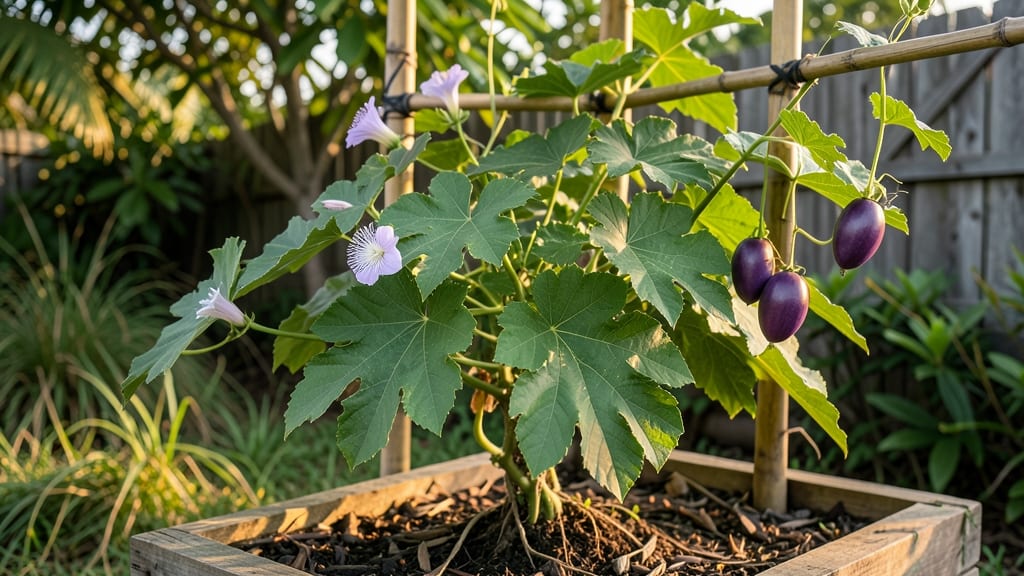
Growing passion fruit in the Philippines means harvests in just 6-8 months—not years—thanks to the perfect tropical climate. 🌿 I’ve watched my vines produce fruit twice a year, even during monsoon season, by using local tricks that beat common pitfalls like fungal rot or fruit fly attacks.
The secret starts with well-draining soil (mix coconut coir with compost) and choosing the right variety—Passiflora edulis for sweet pulp or Passiflora quadrangularis for hardier, larger fruits. Plant during the dry season (February-March) to avoid waterlogged roots, and use trellises to keep vines off the ground where pests lurk.
Once established, your vines will climb fast, producing first fruits by mid-year if you prune aggressively after harvests. The key? Regular feeding with banana peel compost (yes, it works!) and watching for signs of mites or borers—spray neem oil at the first sign.
This method works in backyards, patios, or even small farms. The first harvest will taste like sunshine—sweeter and more abundant than store-bought. Let’s get those vines growing!
📚 In This Guide
- What you need
- Instructions
- Tips and common mistakes
- Wrapping up and next steps
What you need
- ● Passion fruit seedlings or cuttings: 10–20 plants (depending on space; Maradol or Purple varieties are popular in the Philippines).
- ● Healthy, disease-free, and rooted (if using cuttings).
- ● Soil: Well-draining, slightly acidic to neutral soil (pH 6.0–7.5).
- ● Mix compost (5–10 kg per planting hole) or organic matter (e.g., coconut coir or decomposed leaves).
- ● Fertilizers: Organic: 1 kg vermicompost or chicken manure per plant (applied monthly).
- ○ Chemical (optional): 100g 14-14-14 NPK fertilizer per plant (every 2 months).
- ● Support structures: Bamboo stakes (2–3 meters tall) or trellis wires (for climbing varieties).
- ● Plastic or metal garden twine (50–100 meters, depending on plant count).
- ● Watering tools: Watering can (5–10 liters) or drip irrigation kit (for efficiency).
- ● Mulch (e.g., dried leaves or straw; 10–15 kg per plant).
- ● Pest control: Neem oil (500ml) or chili pepper spray (for aphids/mealybugs).
- ● Pruning tools: Sharp pruning shears (for shaping vines).
- ● Soil test kit: To check pH/nutrient levels (available at agro-supply stores).
- ● Shade cloth: 30–50% coverage (for young plants in hot Philippine regions like Davao or Cebu).
Step-by-step instructions for growing passion fruit in the Philippines
Here’s how to tap into the Philippines’ ideal climate for rapid passion fruit harvests—no guesswork, just proven techniques.
🌱 Step 1: Select the Right Variety and Prepare the Site
Choose Purple Passion Fruit (Passiflora edulis) for its hardiness and sweet flavor, or Golden Passion Fruit (Passiflora edulis flavicarpa) for its larger, seedless fruits. Both thrive in the Philippines’ tropical climate. Plant in well-draining soil with a pH of 6.0–7.0—local volcanic soil often works well, but amend with compost if it’s too dense.
Passion fruit vines need full sun (6+ hours daily) and a sturdy trellis or fence for climbing. In the Philippines, where humidity is high, space plants 10–12 feet apart to allow airflow and prevent fungal diseases. I always plant in raised beds if the ground stays soggy after rain—this mimics the natural drainage of their South American origins.
🌿 Step 2: Plant and Train the Vines for Fast Growth
Start with healthy 6–12-month-old seedlings (not seeds, unless you’re patient—germination takes 3–6 months). Plant in early dry season (February–March) to avoid waterlogged soil. Dig a hole twice as wide as the root ball but only as deep—burying too deep stresses the plant. Mix in a handful of bone meal for phosphorus to boost root growth.
Train the main vine along the trellis, pruning side shoots to 3–4 leaves until the plant establishes. This forces energy into one strong leader, which speeds up fruiting. In the Philippines, where vines grow aggressively, I prune aggressively in June to control sprawl and encourage new flowering shoots by August—this is when you’ll see your first harvest.
☀️ Step 3: Water and Fertilize for Rapid Fruit Development
Water deeply 2–3 times weekly during the dry season, but reduce to once weekly once fruits form—overwatering causes blossom end rot. The soil should feel dry 2 inches deep before watering. In the Philippines’ humid climate, mulch heavily with coconut husk or grass clippings to retain moisture and suppress weeds.
Fertilize monthly with a balanced 10-10-10 fertilizer during growing season, switching to low-nitrogen (5-10-10) once flowers appear. I also top-dress with compost tea every 2 weeks—this mimics the nutrient-rich rainforest floors where passion fruit originated. Watch for yellowing leaves (too much nitrogen) or dropping buds (phosphorus deficiency).
⏰ Step 4: Pollinate and Harvest for Fast Results
Passion fruit flowers are self-pollinating, but hand-pollination speeds up fruit set. Use a small brush to transfer pollen from male to female flowers (female flowers have a swollen base). In the Philippines, where bees are abundant, this step is often unnecessary—but if you’re in a low-bee area, do it daily for 3 days after flowering.
Harvest when fruits plump and change color (purple or yellow, depending on variety). They’re ripe when they detach easily from the vine with a gentle twist. In the Philippines, the first harvest comes 8–10 months after planting—earlier than in cooler climates. Store unripe fruits at room temperature; they’ll ripen in 3–5 days. Overripe fruits ferment quickly in the heat, so use them within 2 days of harvest.
✂️ Step 5: Prune and Maintain for Year-Round Production
After harvest, prune old wood (any stems older than 2 years) to encourage new growth. In the Philippines, where the dry season runs November–May, prune lightly in June to avoid stressing the plant. This keeps the vine productive for 5+ years—far longer than in temperate zones.
Watch for mealybugs (common in humid climates) and aphids—spray with neem oil at the first sign. I also rotate trellises yearly to prevent soil-borne diseases. With this routine, you’ll get 2–3 harvests annually, with peak production in September–October and February–March.
Tips & tricks for fast passion fruit harvests in the Philippines
Here's how to maximize your tropical growing potential without common pitfalls—these are the secrets that cut months off your harvest time.
Site Selection is Everything: The Philippines' volcanic soil is perfect, but if yours is heavy clay, mix in equal parts coconut coir and river sand to improve drainage. I've seen passion fruit vines in backyard gardens thrive where neighbors' plants failed because of poor soil prep. Test your soil's pH before planting—adjusting to 6.0-7.0 with lime or sulfur makes all the difference in root development.
Timing Your Planting: February-March planting aligns perfectly with the dry season, but don't stress if you miss this window. The key is avoiding waterlogged soil—plant anytime the ground isn't saturated from rain. I've had success planting as late as April, though you might delay your first harvest by 1-2 months compared to the ideal timing.
Pruning for Philippine Conditions: That aggressive June pruning isn't just about controlling growth—it's about forcing new flowering shoots by August. Use sharp pruning shears to cut back 1/3 of the vine's length, focusing on older wood. In humid climates like the Philippines, this prevents fungal diseases while encouraging rapid regrowth. I always sterilize my tools with rubbing alcohol between cuts to prevent spreading any potential infections.
Harvesting Like a Pro: The twist-and-pull method works, but here's the real trick: harvest in the early morning when fruits are coolest. This preserves their vibrant color and sweetness longer. Store harvested fruits in single layers on a tray—stacking causes bruising that accelerates fermentation in the tropical heat. I've found that fruits harvested before 9 AM stay fresh for 5-7 days at room temperature.
Pro Tips for Passion Fruit In The Philippines
- Here's how to maximize your tropical growing potential without common pitfalls—these are the secrets that cut months off your harvest time.
- Site Selection is Everything: The Philippines' volcanic soil is perfect, but if yours is heavy clay, mix in equal parts coconut coir and river sand to improve drainage.
- Timing Your Planting: February-March planting aligns perfectly with the dry season, but don't stress if you miss this window.
Frequently asked questions
Got questions about growing passion fruit in the Philippines?
You’re not alone! Whether you’re a beginner or a seasoned gardener, here are answers to the most common queries to help you cultivate a thriving harvest.
What’s the best time to plant passion fruit in the Philippines?
Plant passion fruit vines during the dry season (November–April) for optimal growth. The warm, sunny weather helps seedlings establish roots quickly. Avoid planting during the rainy season (June–October) to prevent waterlogged soil, which can rot roots. Start with healthy cuttings or nursery-grown vines for faster results!
How long does it take for passion fruit to bear fruit in the Philippines?
With ideal conditions (full sun, well-draining soil, and regular fertilization), passion fruit vines can produce fruit in 8–12 months. Dwarf varieties may fruit sooner (6–9 months), while larger vines take longer. Patience pays off—consistent care speeds up the process!
Can I grow passion fruit in pots or containers in the Philippines?
Yes! Passion fruit thrives in 15–20 gallon containers with drainage holes. Use a mix of garden soil and compost, and place pots in a sunny spot. Just ensure the container is large enough for the vine to spread—root-bound plants produce fewer fruits. Move pots indoors during typhoons or heavy rains to protect them.
What pests or diseases should I watch for with passion fruit in the Philippines?
Common issues include aphids, fruit flies, and fungal diseases like powdery mildew. Use neem oil or insecticidal soap for pests, and prune vines for airflow to prevent disease. Yellowing leaves? Check for overwatering or nutrient deficiency. Regular inspections keep your passion fruit healthy and productive!
Are there any passion fruit varieties that grow faster in the Philippines?
For quick harvests, try ‘Purple Gold’ or ‘Panama Sweet’—both are fast-growing and disease-resistant. Local varieties like ‘Maroon’ or ‘Yellow Passion Fruit’ also adapt well. Choose disease-resistant grafts if pests are a concern in your area. Always source seeds or cuttings from trusted nurseries!
Wrapping up and next steps
Growing passion fruit in the Philippines is a rewarding journey, thanks to its ideal climate and fertile soil. With the right fertilization techniques, patience, and care, you’ll soon enjoy a bountiful harvest of sweet, tropical treats! 🌱
Ready to take the next step? Start by selecting healthy seedlings or seeds, then follow your tailored fertilization plan. Monitor your plants closely—soon, you’ll be savoring homegrown passion fruit straight from your backyard. Happy gardening! 🍈✨