
Propagation
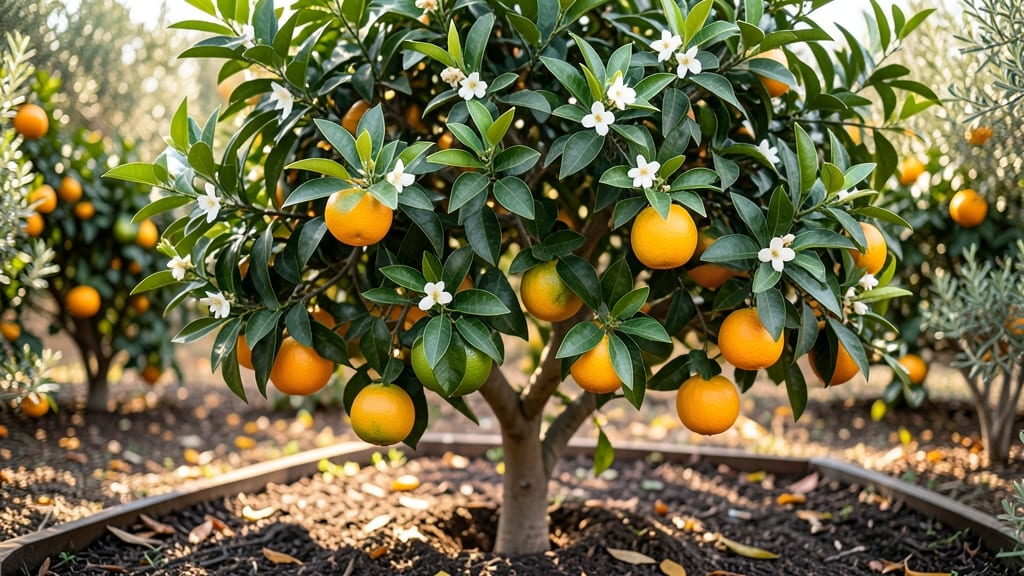
Growing orange fruit seeds unlocks a surprisingly lush houseplant that might even bear fruit someday. ✨ The seeds from your grocery-store orange hide a citrus tree with delicate leaves and fragrant white blossoms—if you know how to coax them to life.
Most people toss these seeds, but with the right setup—warmth, patience, and a little humidity—they’ll sprout into a tropical-looking tree. My first attempt took 12 weeks of waiting before the first green shoot appeared, but the reward was worth it.
You’ll end up with a 3-foot-tall houseplant in a few years, perfect for bright windowsills or sunny patios. The leaves stay glossy all winter, and with enough care, you might even get small, tart oranges (though they won’t be as sweet as store-bought).
Works indoors year-round or outdoors in frost-free climates. Here’s how to start them right.
📚 In This Guide
- What you need
- Instructions
- Tips and common mistakes
- Wrapping up and next steps
What you need
- ● Orange fruit seeds: 5–10 fresh, plump seeds (harvested from organic or pesticide-free oranges for best results).
- ● Small pots or seed trays: 2–4 (3–4 inches deep) with drainage holes. Tip: Biodegradable peat pots work great!
- ● Well-draining potting mix: 1–2 bags of a light, airy blend (e.g., 50% coconut coir, 30% perlite, 20% vermiculite). Avoid heavy garden soil!
- ● Spray bottle: 1 (for gentle watering—no drown-outs!).
- ● Plastic wrap or humidity dome: 1 (to retain moisture while seeds sprout).
- ● Bright, indirect light source: A sunny windowsill or a grow light (12–16 hours/day).
- ● Tweezers or toothpick: For carefully placing tiny seeds.
- ○ Heat mat (optional): Speeds up germination (set to 75–85°F).
- ● Fertilizer (after sprouting): A balanced liquid fertilizer (5-5-5 or 10-10-10) diluted to half-strength.
- ● Label markers: To track seed varieties if testing multiple types.
- ○ Misting fan (optional): For tropical humidity lovers—keeps seedlings happy!
Step-by-step instructions for germinating orange seeds indoors
Here's how to coax those citrus seeds into life—no fancy equipment needed.
🌱 Step 1: Extract and Prepare the Seeds
Save seeds from organic, fresh oranges—conventional ones may contain chemicals that inhibit germination. Cut the fruit open and scoop out the pulp with seeds intact. Rinse the pulp under cool water to remove any fruit residue, then let it sit in a colander for 10-15 minutes to drain.
Here's the thing—citrus seeds have a waxy coating that slows water absorption. To speed germination, I like to soak the seeds in lukewarm water for 24 hours before planting. Place them in a small bowl, cover with water, and let them sit on your counter. You'll see the coating soften and tiny white roots begin to form.
💧 Step 2: Plant Seeds in Moist, Well-Draining Soil
Fill small pots or seed trays with a mix of 50% potting soil and 50% perlite or coarse sand—this prevents the roots from sitting in soggy conditions. The goal is a loose, airy medium that drains quickly but holds enough moisture to keep seeds happy. Press the mix down lightly to create a firm planting surface.
Plant seeds ½ inch deep—any deeper and they'll struggle to reach the light. Space them 2 inches apart in the pot. Water gently until the soil feels damp to the touch, but not saturated. You'll know it's right when water runs through the bottom drainage holes without pooling.
☀️ Step 3: Provide Warmth and Indirect Light
Citrus seeds need warmth to germinate—aim for a spot where the soil stays between 70-80°F. A sunny windowsill works, but if your home runs cooler, place the pots on a heat mat set to 75°F. Cover the pots loosely with plastic wrap to retain moisture, but prop it open slightly to allow airflow.
Keep the soil consistently moist but never soggy. You'll see the first signs of life in 2-4 weeks—tiny green sprouts pushing through the soil. Once they appear, remove the plastic wrap immediately to prevent fungal growth. Watch for leggy seedlings (thin stems with leaves far apart)—this means they need more light.
🌿 Step 4: Transplant and Care for Young Seedlings
When seedlings reach 4-6 inches tall and develop their first true leaves (not the initial seed leaves), it's time to transplant. Choose individual pots 4-6 inches in diameter with drainage holes. Fill them with the same soil mix and dig a hole slightly larger than the seedling's root ball.
Gently remove the seedling, keeping the root ball intact, and place it in the new pot. Firm the soil around the base and water thoroughly. Place the pots in bright, indirect light—direct sun can scorch young leaves. Rotate the pots every few days to encourage even growth. Real talk: citrus seedlings grow slowly, so be patient.
⏰ Step 5: Gradually Acclimate to Outdoor Conditions
After 4-6 weeks of indoor growth, your seedlings should be ready for outdoor hardening. Start by placing them outside in a shaded, sheltered spot for 1-2 hours the first day. Gradually increase their time outdoors over 10-14 days, moving them to sunnier locations as they adapt.
Once they tolerate a full day outside without wilting, you can transition them to permanent outdoor pots. Keep them in a location with partial shade for the first few weeks to avoid leaf burn. Water when the top 1 inch of soil feels dry, and fertilize lightly with a balanced, water-soluble fertilizer every 4-6 weeks during the growing season.
Tips & tricks for perfect orange seed germination
Citrus seed germination doesn't have to be a guessing game—these practical tips will help you avoid common pitfalls and maximize your success rate.
Seed Preparation: Don't skip the 24-hour soak! This critical step removes the waxy coating that naturally inhibits water absorption. I've found that using lukewarm water (around 80°F) during this soak helps maintain consistent temperature, which speeds up the softening process. After soaking, gently rub the seeds between your fingers to remove any remaining pulp—this prevents mold growth later.
Soil Mix Strategy: The 50/50 potting soil to perlite/sand ratio is perfect, but here's what nobody tells you—sterilize your soil first. Spread it in a shallow pan and bake at 200°F for 30 minutes to kill any dormant fungi or bacteria. This prevents damping-off disease, which can wipe out your seedlings before they even sprout. Confession: I skipped this step for years and wondered why my seeds rotted.
Light Management: When you see those first sprouts in 2-4 weeks, resist the urge to move them to direct sunlight immediately. Start with bright, indirect light and gradually increase exposure over 5-7 days. I use a simple trick: place seedlings near an east-facing window where they get morning sun but gentle afternoon light. This prevents the shock that causes leggy growth, where stems stretch too tall trying to reach light.
Transplant Timing: Wait until seedlings reach 4-6 inches with true leaves before transplanting—don't rush this step. The initial seed leaves (cotyledons) don't have the same nutrient storage capacity as true leaves, so moving too early stresses the plants. I've learned this the hard way after transplanting too soon and watching seedlings struggle to recover. When you do transplant, water thoroughly before and after to reduce shock.
Pro Tips for Orange Fruit Seeds
- Citrus seed germination doesn't have to be a guessing game—these practical tips will help you avoid common pitfalls and maximize your success rate.
- Seed Preparation: Don't skip the 24-hour soak!
- Soil Mix Strategy: The 50/50 potting soil to perlite/sand ratio is perfect, but here's what nobody tells you—sterilize your soil first.
Frequently asked questions
Got questions about growing orange fruit seeds? You’re not alone! Here are some of the most common queries—and their answers—to help you propagate like a pro.
How long does it take for orange seeds to germinate?
Orange seeds typically sprout within 2 to 4 weeks, but patience is key! Keep them warm (around 70–85°F) and moist—germination speed depends on seed freshness and conditions. If nothing happens after 6 weeks, the seeds may need a little extra coaxing (like a soak in warm water for 24 hours).
Can I plant orange seeds directly in soil?
Yes, but pre-soaking them first (for 12–24 hours) boosts success rates. Plant them ½-inch deep in well-draining soil, and cover with a plastic bag to trap humidity. Just avoid overwatering—soggy soil can rot seeds before they sprout!
Why aren’t my orange seeds sprouting?
Common culprits: cold temps, dry soil, or old seeds. Try these fixes:
- Move pots to a warmer spot (like a sunny windowsill).
- Check soil moisture—it should stay damp, not soggy.
- Test seed viability by float-testing: If they sink, they’re likely good!
How big should my orange seedling be before transplanting?
Wait until your seedling has 2–3 true leaves (not just the initial "seed leaves") and is at least 3–4 inches tall. Transplant carefully to avoid root damage, and use a larger pot (6+ inches deep) with well-draining potting mix. Harden off seedlings for a week before moving outside.
Will my homegrown orange tree produce fruit?
Probably not—most citrus trees grown from seed are non-fruiting and take decades to bear fruit (if ever). For edible oranges, opt for grafted trees from nurseries. But don’t worry: Your seedling can still thrive as a stunning ornamental houseplant!
Bonus Tip: Can I use orange peel for anything else?
After removing seeds, compost the peel or use it to:
- Make natural citrus cleaner (boil peels with water + vinegar).
- Add zest to homemade fertilizers (rich in potassium!).
- Create DIY air fresheners (dry peels in the sun).
Wrapping up and next steps
From citrus saplings to thriving houseplants, orange fruit seeds hold the potential to bring a slice of the tropics into your home! 🌱 With the right care—patience, moisture, and warmth—you can nurture these seeds into lush, fragrant additions to your garden.
Whether you’re a beginner or a green thumb, the journey is rewarding, and your efforts will soon bloom with success.
Ready to take the next step? Grab those seeds, follow your germination guide, and watch your tropical oasis grow! 🌿