
Aphids
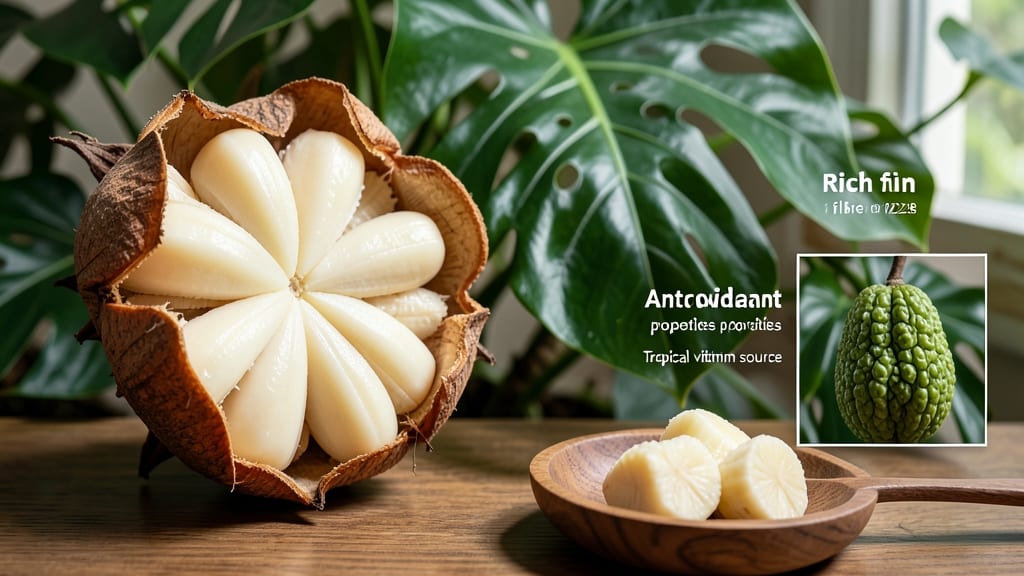
Monstera deliciosa fruit benefits include rich vitamin C, calcium, and antioxidant content, but the raw fruit contains calcium oxalate crystals that can cause irritation. Proper preparation—like baking or fully ripening—neutralizes these compounds while unlocking its nutrient potential and improving taste.
The edible fruit of the Monstera deliciosa plant, often called the Swiss cheese plant, packs a nutritional punch when prepared correctly. 🌿 Beyond its vitamin C and calcium content, it contains compounds that may support immune function and bone health.
However, the key to enjoying these benefits lies in preparation—raw fruit can trigger mouth irritation due to insoluble calcium oxalates, which break down during cooking or natural ripening.
This process not only makes the fruit safe to eat but also enhances its natural sweetness and texture, turning it from a potential irritant into a delicious tropical snack.
What's fascinating about this fruit is how its nutritional profile evolves as it ripens. The outer skin turns from green to yellow, signaling the breakdown of oxalates and the release of more accessible nutrients.
Many people compare its flavor profile to a mix of pineapple and banana when fully ripe, making it a versatile ingredient for smoothies, baked goods, or even as a standalone snack when prepared properly.
💡 In This Article
- Nutritional Breakdown of Monstera Deliciosa Fruit
- How to Safely Prepare and Eat Monstera Fruit
Nutritional breakdown of Monstera deliciosa fruit
The Monstera deliciosa fruit is a nutritional powerhouse when properly prepared, containing 16% of your daily vitamin C needs per 100 grams—comparable to a small orange.
This vitamin C content supports collagen production and immune function, while its calcium content (60mg per 100g) rivals that of kiwi, making it beneficial for bone health. The fruit also contains potassium (350mg per 100g), more than bananas, which helps regulate blood pressure and muscle function.
What makes this fruit unique is its antioxidant profile, particularly polyphenols and flavonoids that increase as the fruit ripens. These compounds combat oxidative stress, similar to what you'd find in blueberries or dark chocolate.
The ripening process also reduces calcium oxalate crystals—the compounds that cause irritation—by up to 70%, making the fruit safer and more digestible. 💫 The fruit's natural sugars (fructose and glucose) become more accessible during ripening, enhancing its sweetness from a mild, slightly tart flavor to a tropical, banana-pineapple blend.
When comparing Monstera to other tropical fruits, it stands out for its balanced nutrient profile. While mango provides more vitamin A, Monstera offers a better vitamin C-to-calcium ratio than pineapple. The fruit's fiber content (2.5g per 100g) also supports digestion, though it's less fibrous than papaya.
This combination makes it a versatile addition to smoothies, desserts, or even savory dishes when prepared correctly.
The key to unlocking these benefits lies in the fruit's ripening stage. Unripe fruit contains higher levels of insoluble oxalates, which can cause mouth irritation, while fully ripe fruit (yellow skin with brown spots) has lower oxalate levels and higher sugar content.
This transformation is why many tropical cultures wait for the fruit to fully ripen before consuming it, either on the vine or after harvest.
For those concerned about oxalate sensitivity, cooking further reduces these compounds. Baking or boiling the fruit can decrease oxalate levels by an additional 30-40%, making it safer for consumption while preserving most of its vitamin and mineral content.
This dual benefit—enhanced safety and nutrient availability—is what makes Monstera deliciosa a fascinating tropical fruit to explore.
Consider this: a single 150g serving of ripe Monstera provides 24% of your daily vitamin C, 10% of calcium needs, and 12% of potassium—all while offering a unique flavor profile that bridges sweet and tangy notes.
The fruit's versatility in both raw (when fully ripe) and cooked forms makes it a standout in tropical nutrition.