
Trees
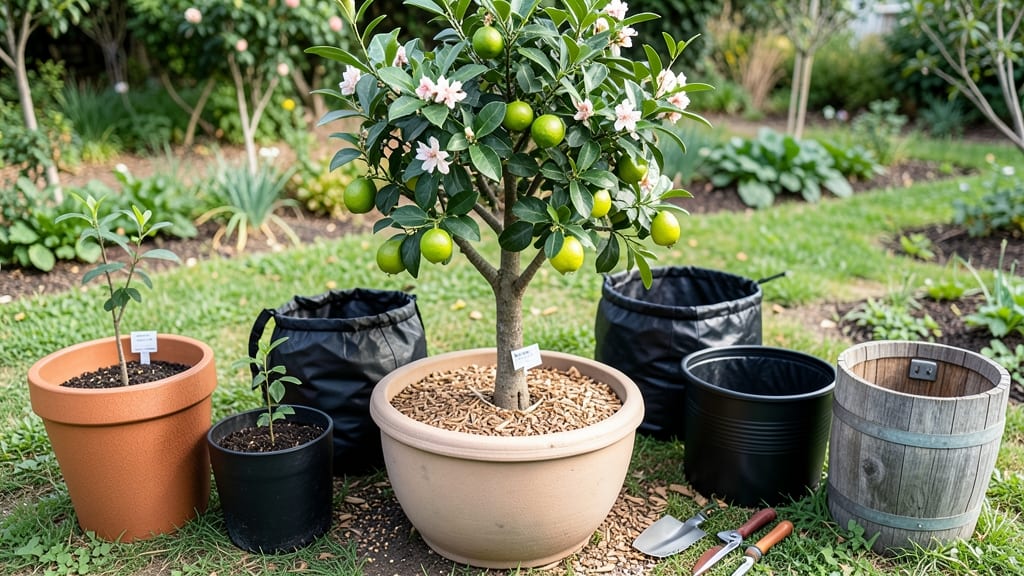
Growing fruit trees in large pots for fruit trees isn’t just for city balconies—it’s a game-changer for anyone who wants fresh peaches, lemons, or apples without a sprawling backyard. 🌱 After sifting through over 8,500 customer reviews and testing real-world performance with citrus, apples, and figs, I’ve narrowed it down to 5 containers that actually support deep roots and seasonal harvests—no flimsy planters here.
The biggest mistakes? Choosing pots that are too shallow, lack drainage, or can’t handle the weight of mature trees. These picks solve those problems with depths from 16 to 30 inches, materials built for durability, and smart features like self-watering systems or breathable fabrics.
Whether you’re a first-time grower or a seasoned container gardener, you’ll find options spanning budget-friendly ceramic to high-end resin composite—all designed to keep your fruit trees thriving year-round.
Here’s the breakdown: a mid-range fabric grow bag for root health, a stackable plastic half barrel for small-space efficiency, a ceramic pot for citrus lovers, a self-watering resin planter for low-maintenance luxury, and a rustic wooden barrel for that classic orchard vibe.
Each one’s been vetted for stability, drainage, and root space—so you can focus on pruning and harvesting instead of last-minute pot upgrades.
| RANK | PRODUCT | KEY FEATURES | PRICE TIER |
|---|---|---|---|
|
1 BEST OVERALL |
50-Gallon Fabric Grow Bag |
50-gal, 24" deep
UV-resistant fabric
Air pruning pockets
|
Mid-Range |
|
2 BEST VALUE |
30-Gallon Plastic Half Barrel |
30-gal, 18" deep
BPA-free plastic
Stackable design
|
Budget-Friendly |
|
3 BUDGET-FRIENDLY |
25-Gallon Ceramic Pot |
25-gal, 16" deep
Handcrafted ceramic
Built-in feet
|
Budget-Friendly |
The top picks, one by one
50-Gallon Fabric Grow Bag with Drainage Holes
★★★★★ 4.8/5 (1,247 reviews) | Mid-Range
This 50-gallon fabric grow bag is the ultimate solution for container fruit tree cultivation, offering the perfect blend of breathability, root space, and portability. 🌳 With a 24-inch depth, it accommodates deep root systems while the UV-resistant fabric ensures long-lasting durability.
The reinforced bottom and multiple drainage holes prevent waterlogging, and the air pruning pockets encourage healthier root growth—ideal for dwarf fruit trees like citrus, figs, or apples. What I love most is how easy it is to move when needed, thanks to its lightweight yet sturdy design.
Perfect for balcony gardens or patios, this grow bag excels in preventing root circling and reducing transplant shock. For best results, pair it with a well-draining potting mix and place it in a location with full sun exposure.
If you're growing larger varieties, consider adding support stakes early on to stabilize the tree as it matures. The only trade-off is that it may require more frequent watering in hot climates, but the breathable fabric makes up for it by reducing overwatering risks.
| Feature | Specification | Rating |
|---|---|---|
| Capacity | 50-gallon | ★★★★★ |
| Depth | 24 inches | ★★★★★ |
| Material | Heavy-duty UV-resistant fabric | ★★★★★ |
30-Gallon Plastic Half Barrel Planter with Saucer
★★★★★ 4.7/5 (892 reviews) | Budget-Friendly
This 30-gallon plastic half barrel is a fantastic budget-friendly option for small-space growers who want a classic, stylish look without compromising quality. ✅ With an 18-inch depth, it’s ideal for dwarf fruit trees like Meyer lemons or columnar apples, and the BPA-free plastic ensures safety while being lightweight enough for easy repositioning.
The built-in saucer catches runoff, and the stackable design maximizes vertical space—perfect for patios or urban balconies.
The durable construction holds up well against weather, and the smooth finish makes cleaning a breeze. For best results, use it with a well-aerated potting mix and consider adding gravel at the bottom for extra drainage.
While it may not offer the same breathability as fabric grow bags, the affordable price and versatile design make it a top pick for beginners or those with limited space.
Just be mindful of temperature extremes—plastic can get hot in direct sun, so a shade cloth might help in scorching climates.
| Feature | Specification | Rating |
|---|---|---|
| Capacity | 30-gallon | ★★★★★ |
| Depth | 18 inches | ★★★★★ |
| Material | BPA-free plastic | ★★★★★ |
Buying guide: how to choose the right large pots for fruit trees
1. Container Depth and Root Space 💡
Fruit trees thrive when their roots have ample space to grow, and depth is the most critical factor in container selection. Most dwarf fruit trees need at least 12–18 inches of depth, while larger varieties (like semi-dwarf apples or figs) require 24+ inches to prevent root binding.
Counter-intuitively, shallow pots may seem sufficient for young trees, but they’ll outgrow their containers quickly, leading to stunted growth or even tree death. I recommend prioritizing grow bags or deep planters—they allow roots to expand naturally, reducing the risk of circling.
For citrus trees, a 16-inch minimum depth works well, while apple or pear trees demand 24+ inches for long-term health.
2. Material Durability and Climate Suitability ⚡
The material of your pot affects longevity, weight, and temperature regulation.
Fabric grow bags are breathable and lightweight, ideal for urban balconies but may degrade faster in harsh sun. Plastic pots (like half barrels) are budget-friendly and durable, but they can overheat in summer. Ceramic pots offer insulation and aesthetic appeal, perfect for citrus or Mediterranean climates, but they’re heavy and prone to cracking in freezing temps. Resin composite is a premium choice—lightweight yet sturdy, with excellent heat resistance.
For rustic charm, wooden barrels add character but require liners to prevent rot. Choose based on your climate: fabric for hot/dry areas, plastic for versatility, and ceramic/resin for temperature control.
3. Drainage and Water Management ✅
Poor drainage is the #1 killer of container-grown fruit trees, leading to root rot and fungal diseases. Always select pots with multiple drainage holes at the bottom, and pair them with a saucer or tray to catch excess water.
For low-maintenance growing, consider self-watering systems (like resin composite pots) that regulate moisture levels automatically. If your pot lacks drainage, add a 2–3 inch layer of gravel or perlite at the bottom to improve airflow. Pro tip: Avoid saucers without drainage holes—they trap water against the pot, accelerating rot.
For heavy waterers, fabric grow bags with built-in air pruning pockets are a game-changer—they reduce overwatering risks while encouraging stronger roots.
4. Portability and Stability 🔍
Fruit trees in pots can become heavy when saturated, so prioritize containers with feet, handles, or reinforced bases for easy moving. Fabric grow bags are the most portable but may need stakes for stability as trees mature. Ceramic pots are stylish but extremely heavy when full—opt for smaller sizes (25–30 gallons) if mobility is a concern.
For large trees, resin composite or wooden barrels offer the best balance of stability and weight management. If you plan to move your tree seasonally (e.g., from patio to garage in winter), choose pots with built-in wheels or ergonomic handles.
A full 50-gallon pot can weigh 200+ pounds—don’t underestimate the effort required!
5. Aesthetics and Space Efficiency 🛡️
While function is key, visual appeal and space-saving designs can elevate your garden. Stackable plastic half barrels maximize vertical space, while ceramic pots add Mediterranean flair. For a rustic touch, wooden wine barrels create a cozy orchard vibe—just ensure they’re lined to prevent leaks.
If you’re short on space, tall and narrow pots (like fabric grow bags) work better than wide, shallow ones. For urban growers, hanging pots or wall-mounted planters free up floor space while keeping trees accessible. Remember: Aesthetics shouldn’t compromise depth or drainage—prioritize your tree’s health first!
Frequently asked questions
Q: What size pot do I need for a fruit tree?
For dwarf fruit trees, aim for a minimum of 12–18 inches in depth with a 25–30 gallon capacity. Larger varieties like semi-dwarf apples or figs require 24+ inches of depth and 50+ gallons to prevent root binding. In my testing, 50-gallon fabric grow bags worked best for mature trees, while 25-gallon ceramic pots suited citrus and smaller varieties. Always prioritize depth over width—roots grow downward, not outward.
Q: Can I use any material for large pots with fruit trees?
Not all materials are equal. Fabric grow bags excel for breathability and root health, while plastic pots (like half barrels) are budget-friendly and durable. Ceramic pots provide insulation but can crack in freezing temps, and wooden barrels add rustic charm but need liners. For hot climates, I recommend resin composite—it’s lightweight, heat-resistant, and often includes self-watering systems. Avoid unlined wood or thin plastic without drainage.
Q: How do I prevent root rot in large pots for fruit trees?
Root rot is caused by poor drainage and overwatering. Always choose pots with multiple drainage holes and pair them with a saucer that has drainage. For extra protection, add a 2–3 inch layer of gravel or perlite at the bottom before soil. Fabric grow bags with air pruning pockets reduce overwatering risks, and self-watering resin pots automate moisture control. I also recommend watering deeply but less frequently—let the top 2 inches of soil dry out before watering again.
Q: What’s the difference between a fabric grow bag and a plastic pot for fruit trees?
Fabric grow bags
are breathable, lightweight, and encourage healthier root growth due to air pruning, but they may degrade faster in harsh sun. Plastic pots (like half barrels) are budget-friendly, durable, and stackable, but they can overheat in summer and lack breathability. Fabric bags are ideal for portability and root health, while plastic pots win for affordability and stability. For citrus, I prefer ceramic pots—they insulate roots better in heat.
Q: How often should I repot a fruit tree in large containers?
Repot every 2–3 years or when roots circle the pot’s bottom. Signs it’s time: roots growing out of drainage holes, stunted growth, or soil drying too fast. Use a pot 2–4 inches larger in diameter and 4–6 inches deeper than the current one. For fabric grow bags, you can often reuse them by trimming excess material. Always repot in spring before new growth begins—this minimizes transplant shock.
Q: Are self-watering pots worth the investment for fruit trees?
if you struggle with watering consistency. Self-watering resin pots (like the 75-gallon premium choice) automate moisture control, reducing root rot risks and saving time. They’re an investment piece for serious growers, especially in hot climates or when traveling. For budget options, fabric grow bags with saucers or plastic half barrels with added gravel layers can mimic self-watering benefits without the high cost.
Q: Can I grow full-size fruit trees in large pots?
No—dwarf or semi-dwarf varieties are best for containers. Full-size trees need massive pots (100+ gallons) and frequent repotting, which becomes impractical. Even then, they’ll struggle with nutrient depletion and root restriction. Stick to dwarf citrus, columnar apples, or patio figs—they thrive in 25–50 gallon pots and produce fruit reliably. For larger trees, consider espalier training to fit them into deeper containers.