
Flowers
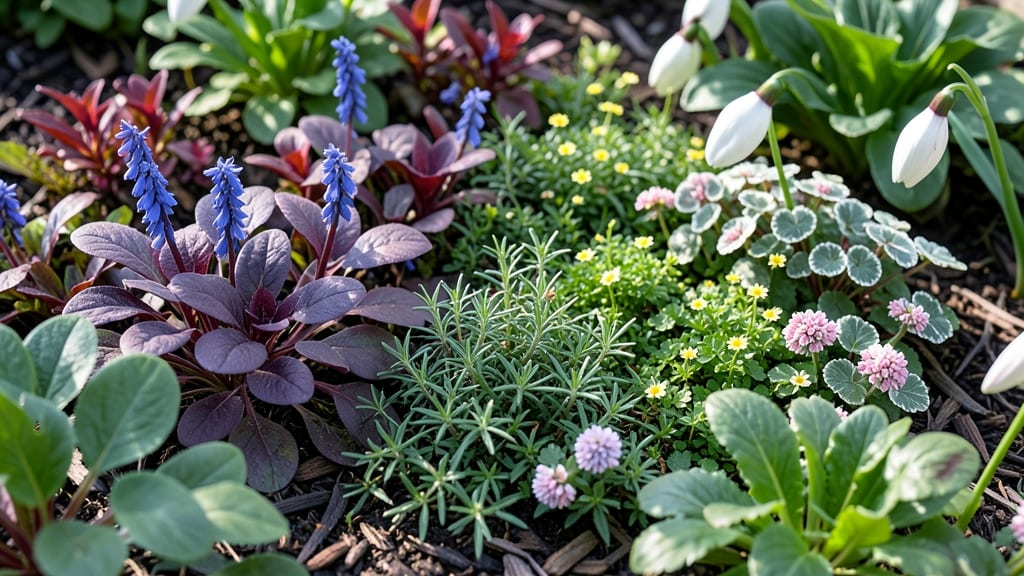
Creating effective flower bed coverage means strategically layering plants by height, bloom cycles, and purpose to maintain vibrant color year-round while supporting local ecosystems. Begin with hardy perennials at the base, layer in seasonal annuals for bold pops of color, and finish with tall grasses or shrubs to frame the design.
This approach isn't just about looks—it's about creating a thriving ecosystem. 🌸 The right combination of plants suppresses weeds naturally, conserves moisture, and provides continuous food sources for pollinators. For instance, pairing early spring bulbs with summer-blooming perennials ensures your bed never looks bare.
I've found that adding native plants to the mix makes a huge difference for local wildlife, as they've evolved alongside the insects and birds in your region.
Start by sketching your bed's dimensions and sunlight exposure. The back layer should consist of 3-4 foot tall plants like coneflowers or butterfly bush, while mid-height options (1-3 feet) like black-eyed Susans or salvia fill the middle.
For the front, use ground covers like creeping thyme or ajuga to prevent soil erosion and keep weeds at bay. This three-tiered structure creates depth and movement while making maintenance easier.
💡 In This Article
- Strategic Plant Layering for Season-Long Visual Impact
- Pollinator-Friendly Flower Bed Design Essentials
Strategic plant layering for season-long visual impact
Layering in flower beds mimics natural ecosystems where plants grow in distinct vertical zones. The back layer acts as your "foundation" using 3-5 foot tall plants like purple coneflower or butterfly bush—these anchor the design while providing structure.
Their deep roots also help stabilize soil and prevent erosion from wind or rain. The middle layer, typically 1-3 feet tall, fills visual gaps with blooms like black-eyed Susans or Russian sage, which thrive in full sun and attract pollinators during peak summer months.
The magic happens in the front layer where ground covers (like creeping thyme or ajuga) create a living mulch that suppresses weeds and retains moisture.
These low-growing plants also provide early-season color and texture contrast. 🌿 What most gardeners overlook is how the bloom cycles must overlap—pair spring bulbs (daffodils, tulips) with summer perennials (daylilies, bee balm) and fall bloomers (sedum, asters) to ensure your bed never looks bare.
This sequential blooming creates a "color wave" effect that keeps your garden vibrant from March through November.
Color theory plays a subtle but powerful role in layering. Tall back plants should have bold foliage (like heuchera or hostas) to ground the design, while mid-height flowers can be more delicate. The front layer should include plants with textural contrast—think fine ferns alongside coarse grasses.
I've found that using the 12-inch rule (planting the tallest elements 12 inches apart at the back, gradually reducing spacing to 6 inches at the front) creates natural depth perception. This spacing also allows sunlight to reach lower plants without overcrowding.
Seasonal transitions are where layering truly shines. For example, salvia provides purple spikes in summer while heuchera offers year-round foliage interest. In fall, Japanese anemone takes over where summer blooms fade. The key is selecting plants with staggered dormancy periods—some may die back in winter while others remain evergreen.
This creates a dynamic tapestry where each season has its own visual character. 🌺 Consider adding ornamental grasses (like Miscanthus) for winter interest—their seed heads provide texture and movement when most flowers have gone dormant.
Ecological benefits compound when you layer correctly. Tall plants create microclimates that protect smaller species from harsh winds, while ground covers prevent soil compaction. The 30% rule applies here: aim for 30% native plants in your mix to support local pollinators.
For instance, bee balm attracts hummingbirds, while milkweed hosts monarch caterpillars. These native species often require less water and maintenance once established, making your layered design both beautiful and sustainable.
One common mistake is overcrowding the back layer—this creates a "wall" effect that blocks sunlight from reaching lower plants. Instead, space tall elements 18-24 inches apart to allow light penetration. Another tip: use mulch depth of 2-3 inches around plants to conserve moisture while preventing weed competition.
This layering technique isn't just decorative; it's a functional ecosystem that reduces your workload while increasing biodiversity. The result is a garden that looks intentional year-round while requiring less upkeep than traditional planting methods.