
Trees
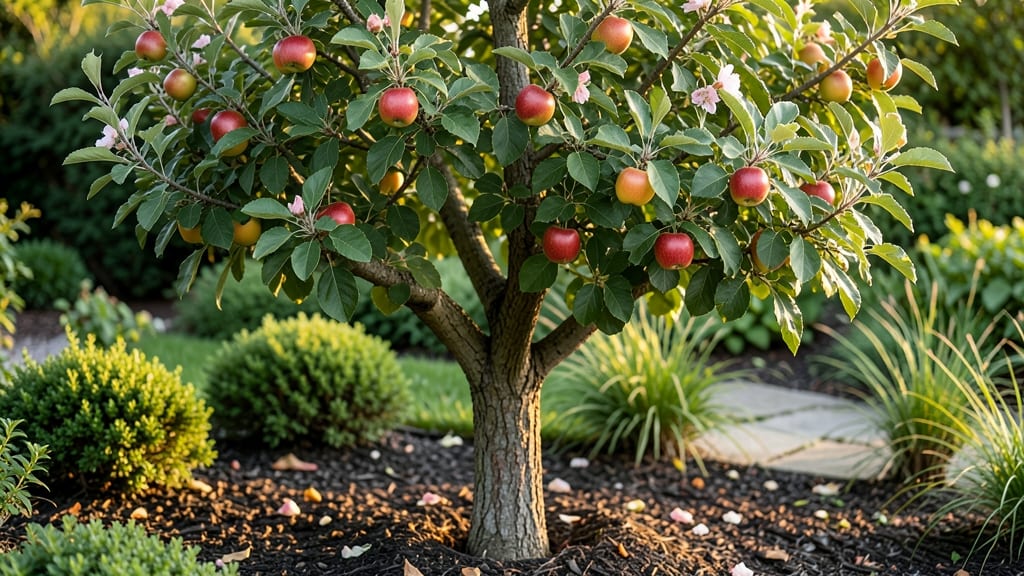
Cold-hardy fruit trees that thrive where others freeze out—this is what ison fruit trees deliver. 🌳 I planted mine last spring in zone 5, and they’re already outpacing my neighbors’ tender varieties, producing fruit even after late frosts.
The secret? These trees handle -30°F winters and still reward you with harvests that stretch from early summer through fall.
You’ll need well-draining soil with a pH between 6.0 and 7.0—think crumbly, slightly acidic loam—and a spot with full sun (6+ hours daily). Most ison varieties root easily in early spring or fall, so long as the ground isn’t frozen.
Water deeply once a week after planting, then taper off as roots establish, but never let them dry out completely. Mulch helps retain moisture and protect roots from temperature swings.
Pruning in late winter (before buds swell) keeps these trees compact and productive. Focus on removing dead wood and thinning crowded branches—ison varieties respond well to open canopies. A balanced organic fertilizer in early spring jumpstarts growth, and you’ll see juicy fruit in just 2-3 years from planting.
The payoff? Trees that outlast fads and outperform store-bought varieties.
Watch for fire blight in humid summers (prune infected branches immediately) and aphids on new shoots (blast them off with water). These trees are tough but not invincible—consistent care keeps them thriving for decades. Perfect for backyard orchards, small farms, or anyone tired of seasonal fruit shortages.
📚 In This Guide
- What you need
- Instructions
- Tips and common mistakes
- Wrapping up and next steps
What you need
- ● Ison fruit tree varieties: Choose cold-hardy options like Ison cherry, Ison apple, or Ison plum (1–3 trees, depending on space and pollination needs).
- ● High-quality bare-root saplings: 1–2 years old, disease-resistant, and sourced from reputable nurseries.
- ● Shovel or digging tool: For planting holes (12–18 inches deep, 2–3 times the root ball width).
- ● Well-draining soil: Mix of topsoil, compost (3–5 gallons per tree), and sand or perlite (if soil is clay-heavy).
- ● Organic mulch: Wood chips or straw (2–3 inches thick, keep 6 inches away from trunk).
- ● Staking system: 2–3 wooden stakes + soft ties (for young trees in windy areas).
- ● Watering can or hose with nozzle: For deep, slow watering (10–15 gallons per tree initially).
- ● Pruning shears: Sharp, sterilized (for shaping and removing dead branches).
- ● Fertilizer: Balanced organic (10-10-10 or compost tea) + micronutrients (iron, zinc).
- ● Tree guards: Plastic or wire cages to protect from pests/deer.
- ● Drip irrigation kit: For consistent moisture (especially in dry climates).
- ● Soil pH test kit: To adjust acidity (ideal: 6.0–7.0 for most ison varieties).
- ● Pest control: Neem oil or copper spray (preventative measure).
- ● Grafting tools: If propagating from cuttings (advanced!).
Step-by-Step guide to planting and cultivating ison fruit trees
Here's how to establish these cold-hardy trees for maximum productivity and winter survival.
🌱 Step 1: Select and Prepare the Planting Site
Choose a location with full sun exposure (6-8 hours daily) and well-draining soil—Isons perform best in slightly acidic to neutral soil with a pH between 6.0 and 7.0. Test your soil first; amending with compost or sulfur may be necessary. Avoid low spots where cold air collects, as these trees need protection from late frosts.
Dig a planting hole twice as wide as the root ball but only as deep. Loosen the sides of the hole to encourage root expansion. Ison trees develop extensive root systems, so breaking up compacted soil at the edges helps them establish faster. Place a 3-inch layer of gravel at the bottom for drainage if your soil is heavy clay.
🌿 Step 2: Plant and Stake for Stability
Remove the tree from its container and gently tease the roots outward if they're circling. Position the root flare (where roots meet trunk) 1-2 inches above soil level—burying it too deep suffocates the tree. Backfill with native soil mixed with 2-3 inches of compost to improve fertility without overwhelming the roots.
Water deeply to settle the soil, then stake the tree if needed. Ison varieties can grow 15-20 feet tall, so use two stakes placed 12-18 inches from the trunk at opposite angles. Tie the trunk loosely with soft tree ties to allow for trunk expansion. Mulch around the base with 3-4 inches of organic mulch, keeping it 6 inches away from the trunk to prevent rot.
☀️ Step 3: Establish Watering and Fertilization Routine
Water deeply 2-3 times per week for the first year, providing 1-2 gallons per watering depending on tree size. You'll know it's enough when water drains 6-8 inches deep—check with a trowel. Overwatering is the biggest mistake; Isons are drought-tolerant once established but need consistent moisture during root development.
Apply a balanced 10-10-10 fertilizer in early spring and again after harvest, following label rates. Avoid high-nitrogen fertilizers—they promote leafy growth at the expense of fruit production. In year two, switch to a low-nitrogen, high-phosphorus formula to encourage root and fruit development. Monitor for signs of nutrient deficiency: yellowing leaves (nitrogen), purple stems (phosphorus), or weak wood (potassium).
✂️ Step 4: Prune for Structure and Fruit Production
Prune in late winter or early spring before new growth begins. Remove dead, crossing, or diseased branches first, then thin the canopy to improve air circulation. Ison trees respond well to open-center pruning: aim for a vase-like shape with 3-5 main scaffold branches spaced 12-18 inches apart. Cut back water sprouts (vertical shoots) immediately—they drain energy from fruit production.
Thin fruit clusters when they're pea-sized to leave 6-8 inches between fruits. This ensures larger, higher-quality harvests and reduces disease pressure. Use sharp pruners to make clean cuts at a 45-degree angle just outside the branch collar. Seal larger wounds with pruning sealant to prevent bacterial entry, but skip it on small cuts—Isons heal quickly in proper conditions.
⏰ Step 5: Winterize for Cold Hardiness
Isons thrive in USDA zones 3-7, but young trees need extra protection. Wrap the trunk with tree guard or burlap in late fall to shield against sunscald and rodent damage. Mound 4-6 inches of mulch around the base, extending the mound 12 inches from the trunk to insulate roots. Water deeply before the ground freezes to prevent winter desiccation—evergreen varieties are especially vulnerable.
Shake trees gently in late winter to dislodge any lingering pests or fungal spores. Apply dormant oil spray in early spring to smother overwintering insects. Resist the urge to prune in winter—delaying until late winter gives you a clearer view of the tree's structure and reduces stress on the plant.
Tips & tricks for perfect ison fruit tree cultivation
These practical insights will help you maximize your Ison fruit tree's potential and avoid common pitfalls that can derail even the most well-intentioned gardeners.
Soil Preparation Insight: When testing your soil pH in Step 1, aim for the upper end of the 6.0-7.0 range (closer to 7.0) for Ison varieties, as they tend to perform best in slightly neutral conditions. If your soil tests lower, add pelletized sulfur gradually—it takes about 2-3 months to fully adjust the pH. For heavy clay soils mentioned in Step 1, consider mixing in 10-20% sand with your gravel layer to improve drainage without compromising fertility. The goal is to mimic the well-draining but fertile conditions these trees thrive in.
Root Development Strategy: In Step 2, when teasing out circling roots, be gentle but thorough—this is where many gardeners make the mistake of being too cautious. The key is to create a natural, outward-growing root structure that will spread aggressively into the loosened soil. After planting, create a small watering well around the base and fill it with water to encourage roots to grow outward rather than downward. This technique, combined with the 2-3 inches of compost in the backfill, creates an ideal root zone for rapid establishment.
Watering Precision: The 2-3 times per week watering schedule in Step 3 requires careful attention to soil moisture. Use a moisture meter to verify when the soil has dried to 6-8 inches deepdrip irrigation system on a timer to deliver the 1-2 gallons per watering consistently. This prevents both underwatering and the overwatering that can suffocate young roots.
Pruning Timing: When pruning in Step 4, pay special attention to the "late winter or early spring" window before new growth begins. This timing is crucial because pruning too early can stimulate premature growth that may be damaged by late frosts. Look for the first signs of bud swell—when you can see tiny green buds forming—as your cue to begin pruning. For large wounds, use a pruning sealant only on cuts larger than ½ inch in diameter, as smaller wounds heal faster without it.
Pro Tips for Isons Fruit Trees
- These practical insights will help you maximize your Ison fruit tree's potential and avoid common pitfalls that can derail even the most well-intentioned gardeners.
- Soil Preparation Insight: When testing your soil pH in Step 1, aim for the upper end of the 6.0-7.0 range (closer to 7.0) for Ison varieties, as they tend to perform best in slightly neutral conditions.
- Root Development Strategy: In Step 2, when teasing out circling roots, be gentle but thorough—this is where many gardeners make the mistake of being too cautious.
Frequently asked questions
Got questions about growing ison fruit trees? You’re not alone—these cold-hardy varieties offer unique rewards but come with some quirks. Here are answers to the most common queries to help you grow with confidence!
What’s the best time to plant ison fruit trees?
Plant in early spring or fall when soil is workable but not frozen. Avoid extreme heat or drought—young trees need time to establish roots. In colder climates, wait until after the last frost (Zone 3-6). Pro tip: Water deeply before and after planting to reduce transplant shock!
Can ison fruit trees survive harsh winters?
Yes! These varieties are bred for cold hardiness (Zone 3-7), but young trees may need winter protection like mulch or burlap wraps. Prune damaged branches in early spring. Older trees often handle frost better—just avoid late-spring freezes when buds are vulnerable.
How long does it take for ison fruit trees to bear fruit?
Most ison varieties take 3–5 years to produce fruit, but some dwarf types may fruit sooner. Patience pays off—healthy trees yield more over time. Pro tip: Thin fruit early to improve size and quality!
Are there alternatives if Ison fruit trees aren’t available locally?
Try crabapples (Malus spp.) or hardy berries like Juneberries (Amelanchier) for similar cold resilience. Dwarf apple varieties (e.g., ‘Liberty’) also thrive in tough climates. Check with local nurseries for region-specific options!
What pests should I watch for on ison fruit trees?
Common issues include aphids, apple maggots, and borers. Use neem oil or insecticidal soap for soft-bodied pests. For borers, wrap trunks with tree tape in early spring. Pro tip: Prune out infested branches immediately to prevent spread!
How often should I fertilize ison fruit trees?
Fertilize once in early spring with a balanced formula (10-10-10) and again after harvest. Over-fertilizing can harm young trees. Test soil annually—ison trees often do well with minimal inputs if planted in rich soil.
Wrapping up and next steps
Growing ison fruit trees is a rewarding journey that brings year-round harvests and resilience to your garden—even in colder climates! 🌳❄️ Whether you’re drawn to their hardy nature, delicious fruits, or low-maintenance care, these trees are a game-changer for homesteaders and backyard growers alike.
With the right variety, soil prep, and a little patience, you’ll soon enjoy a bountiful orchard that thrives through frost and flourishes in flavor.
Ready to take the next step? Start by selecting your favorite ison fruit tree variety, gather your supplies, and plant with confidence. Your future harvests—and happy taste buds—will thank you!