
Vegetables
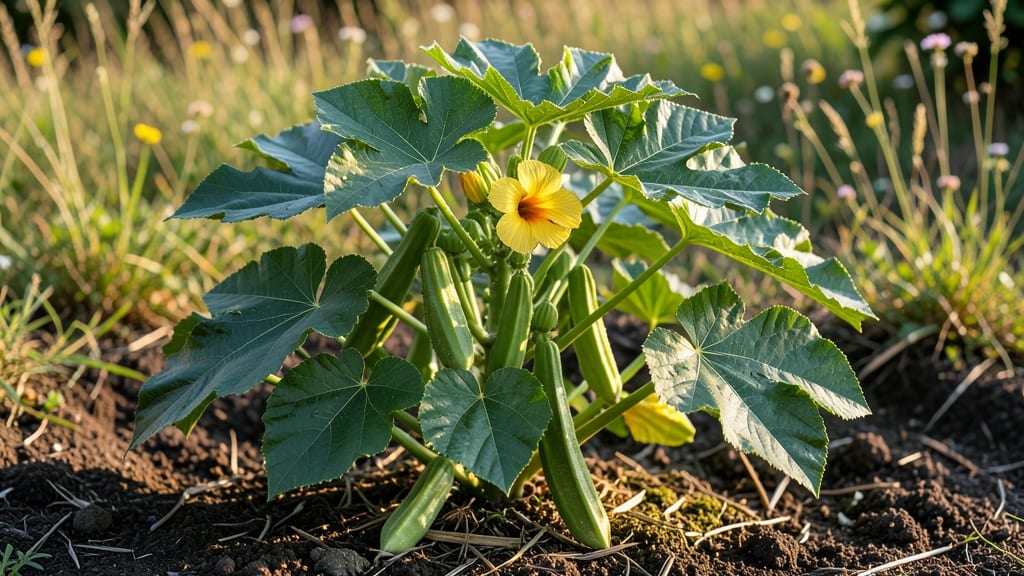
Okra is botanically a fruit because it develops from the flower’s ovary and contains seeds, yet it’s treated as a vegetable in culinary use due to its savory texture and versatility in cooking.
Botanically speaking, okra is classified as a fruit because it forms from the ovary of a flowering plant and contains seeds, just like tomatoes or cucumbers. 🌱 This scientific definition often surprises people since okra is used in savory dishes like gumbo or stir-fries rather than sweet recipes.
The key distinction lies in how we define "fruit" versus "vegetable"—botanists focus on plant structure, while chefs prioritize flavor and culinary function.
What makes this classification interesting is how okra bridges both worlds. In the kitchen, its mealy texture and ability to absorb flavors make it behave like a vegetable, yet its seed pods clearly identify it as a fruit scientifically.
This dual nature explains why grocery stores typically place okra in the vegetable section despite its botanical roots.
💡 In This Article
- Botanical Classification of Okra as a Fruit
- How to Grow and Use Okra in Gardens
Botanical classification of okra as a fruit
Okra earns its fruit classification because it develops from the ovary of a flowering plant, just like other botanical fruits such as tomatoes, peppers, and eggplants. The defining feature is its seed-containing pods, which form after pollination.
Each okra pod houses multiple seeds arranged in a radial pattern, a characteristic shared with fruits like cucumbers or green beans. 🌱 When you slice open an okra pod, you'll see these seeds embedded in a gelatinous, mucilaginous interior—a direct result of its fruit structure.
The confusion arises because botanical definitions differ from culinary ones. Scientifically, fruits are defined by their reproductive function: they protect seeds and aid in their dispersal. Okra's pods serve this exact purpose, even though they're rarely eaten raw in sweet applications.
For comparison, bell peppers and tomatoes—also botanical fruits—are treated as vegetables in cooking because their flavor profiles are savory, not sweet. This dual classification isn't unique to okra; it's a common theme among many edible plant parts.
What makes okra particularly interesting is its gelatinous texture, which develops as the fruit matures.
This mucilage forms from complex carbohydrates called polysaccharides, creating that signature slimy consistency when cooked. 💫 This same substance helps the seeds disperse in nature, but in culinary use, it's what gives okra its unique ability to thicken stews and absorb flavors—qualities that make it function like a vegetable in dishes like gumbo or stir-fries.
The temperature at which okra is harvested also affects its classification perception. Young pods (3-4 inches long) are typically harvested for cooking, while mature pods (up to 6 inches) are used for their seeds.
The younger the pod, the less pronounced its fruit characteristics become in taste, which is why many cooks treat it purely as a vegetable ingredient. This harvesting window creates a practical bridge between its botanical identity and culinary role.
Consider this comparison: while botanists classify okra as a fruit alongside apples and peaches, chefs group it with zucchini and eggplants because of its savory applications. This duality isn't just about semantics—it reflects how plant biology and human culture sometimes diverge.
The same pod that produces seeds for reproduction becomes a thickening agent in your kitchen, demonstrating nature's multifunctional design. 🌿
What most people don't realize is that even within the fruit category, okra belongs to the mallow family (Malvaceae), which includes hibiscus and cotton. This family is known for its fibrous, seed-filled pods, further cementing okra's botanical classification.
The key takeaway? Okra's identity as a fruit is non-negotiable from a scientific standpoint, even if our culinary traditions treat it differently.