
Container Gardens
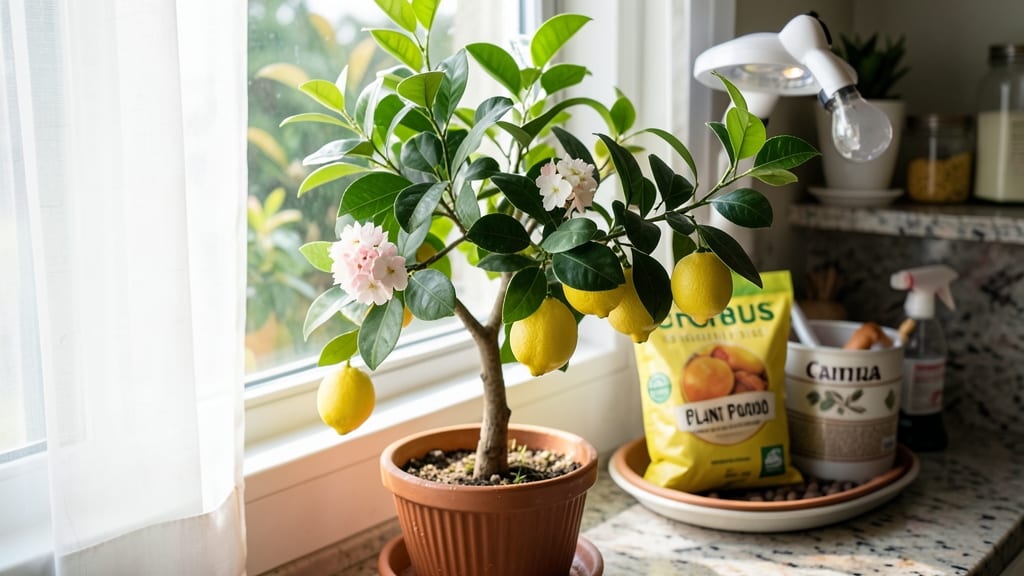
Growing fruit indoors means fresh berries and citrus year-round, no matter your space. 🌱 I’ve turned my sunroom into a mini orchard—dwarf citrus trees, trailing strawberries, and even a fig plant that produces fruit by Christmas.
The key isn’t fancy equipment but matching the right varieties to your light and space.
Start with compact varieties like Meyer lemon, Alpine strawberries, or Boston ivy figs—they thrive in containers and adapt to indoor conditions. You’ll need pots with drainage, a quality potting mix, and either a south-facing window or a grow light for 12–16 hours daily.
Humidity trays or pebble trays help mimic outdoor moisture, especially in dry winter air.
By summer, you’ll harvest sweet, homegrown fruit straight from your windowsill. The first taste of a lemon you grew yourself? That’s the real reward. Plus, indoor fruit plants purify the air and add life to any room—even a tiny apartment.
Troubleshooting is simple: yellow leaves mean overwatering; sparse blooms mean more light. With these adjustments, your indoor harvest will outlast store-bought fruit every time. Ready to grow?
📚 In This Guide
- What you need
- Instructions
- Tips and common mistakes
- Wrapping up and next steps
What you need
- ● Containers: 5–10 gallon pots (or grow bags) with drainage holes—1–2 per fruit plant, depending on size.
- ● High-quality potting mix: Lightweight, well-draining blend (avoid garden soil). 1–2 bags (1–2 cubic feet each).
- ● Fruit plants: Dwarf varieties (e.g., patio citrus, strawberry, cherry tomato, or fig)—1–3 plants.
- ● Grow lights: Full-spectrum LED (12–16 hours/day). 1–2 lights (600–1000 watts equivalent).
- ● Watering can or spray bottle: For gentle hydration.
- ● Fertilizer: Balanced liquid fertilizer (10-10-10 or organic options). 1 bottle (16 oz).
- ● Pruning shears: For trimming dead leaves or shaping plants.
- ● Humidity tray: Pebble tray + water to boost moisture (great for citrus!).
- ● pH test kit: Ensures soil is ideal (6.0–7.0 for most fruits).
- ● Pollination aid: Small brush or hand-held vibrator (for self-pollinating plants).
- ● Thermometer/hygrometer: Monitors temperature (65–75°F) and humidity (40–60%).
- ● Trellis or stakes: Supports climbing plants like dwarf apple trees.
Step-by-step instructions for growing fruit indoors
Here’s how to turn your home into a year-round fruit garden using proven techniques.
🌱 Step 1: Select the Right Fruit Varieties for Indoor Growing
Not all fruits thrive indoors—stick to dwarf varieties that adapt well to containers and low light. Strawberries, dwarf citrus like Meyer lemons, and compact figs are my top picks. Avoid root crops like potatoes or vining fruits like melons; they need too much space and light.
Check seed packets or plant tags for "dwarf" or "patio" labels. I always opt for grafted citrus trees—they fruit faster and are more stable than seed-grown plants. Place your selections near a bright window or under grow lights now; you’ll see how quickly they adjust to indoor conditions.
☀️ Step 2: Optimize Light and Temperature for Fruit Production
Fruit trees and plants need 12-16 hours of light daily—a south-facing window rarely cuts it. I use full-spectrum LED grow lights on a timer to simulate daylight. Position lights 6-12 inches above the plants and adjust as they grow. Without enough light, leaves turn pale and fruit stays small or never sets.
Keep temperatures between 65-75°F during the day and 55-65°F at night. A heat mat under containers in winter helps citrus stay warm. Watch for brown leaf edges—this signals dry air or cold drafts. A small humidifier near the plants keeps foliage lush and prevents fruit from splitting.
💧 Step 3: Master Watering and Soil for Healthy Growth
Fruit plants hate soggy soil—water only when the top inch feels dry. I use well-draining potting mix (never garden soil) in containers with drainage holes. Overwatering causes root rot, which kills plants silently. Stick your finger in the soil before watering; if it’s damp, wait another day.
Fertilize lightly every 4-6 weeks with a balanced, water-soluble fertilizer (10-10-10 or 20-20-20). Too much nitrogen makes leaves grow fast but stunts fruit production. I always dilute fertilizer to half-strength—plants tell you when they’re happy with steady, dark green leaves and new growth.
✂️ Step 4: Prune and Train for Better Yields
Prune leggy stems and crowded branches to encourage bushier growth and more fruit. Use clean, sharp scissors to cut just above a leaf node. I prune citrus trees in late winter to shape them and remove dead wood. Never prune more than one-third of the plant at once—this stresses the plant and delays fruiting.
Train vining plants like strawberries with small stakes or trellises. This keeps berries off the floor and improves air circulation, reducing mold. Watch for yellowing leaves—this often means overpruning or poor light. Adjust your pruning approach based on what the plant tells you.
🍓 Step 5: Harvest and Encourage Repeat Growth
Harvest fruit when it’s fully colored and slightly soft to the touch. Strawberries ripen best when picked in the morning; citrus fruits are ready when they’re heavy for their size and smell fragrant. Use a small knife to twist fruits gently from the stem—never pull hard, or you’ll damage the plant.
After harvesting, feed your plants again with a low-nitrogen fertilizer to encourage new blooms. I always remove spent flowers on strawberries to redirect energy into new growth. With proper care, dwarf fruit plants can produce harvests year-round, though yields may slow in winter without supplemental light.
Tips & tricks for thriving indoor fruit cultivation
Real talk: Indoor fruit growing isn't just about picking the right plants—it's about creating the perfect microclimate. Here's what I've learned after watching my first batch of citrus trees struggle in dim corners.
Lighting Strategy: That 12-16 hours of daily light isn't just a suggestion—it's non-negotiable for fruit production. I use a timer for my grow lights to automate this, but if you're using natural light, rotate your plants weekly so all sides get equal exposure. South-facing windows work best, but even then, supplement with artificial light during winter months when days shorten. The moment you see leaves turning pale yellow, you know it's time to boost the light.
Temperature Balance: The 65-75°F daytime range is your sweet spot, but don't overlook nighttime temperatures. Cold drafts from windows or doors can shock plants, especially citrus. I've found that placing my fruit plants in a corner with indirect airflow helps maintain that 55-65°F nighttime range without sudden temperature swings. A simple trick: Use a thermometer near your plants to monitor conditions—you'd be surprised how often indoor temps stray from ideal.
Container Selection: Not all pots are created equal. Choose containers with drainage holes and at least 12 inches of depth for dwarf fruit trees—they need room for root development. I've had success with terracotta pots because they breathe better than plastic, but make sure they're large enough to accommodate your plant's mature size. For strawberries, shallow containers with good drainage work best, as they prefer to dry out slightly between waterings.
Fertilizer Timing: Those 4-6 week intervals between fertilizing are crucial, but timing matters just as much as frequency. I always fertilize right after watering to prevent root burn. And here's a pro move: Switch to a low-nitrogen fertilizer after your plants fruit to encourage new blooms rather than just leaf growth. The shift in fertilizer type can make a noticeable difference in your next harvest cycle.
Pro Tips for Indoor Fruit Growing
- Real talk: Indoor fruit growing isn't just about picking the right plants—it's about creating the perfect microclimate.
- Lighting Strategy: That 12-16 hours of daily light isn't just a suggestion—it's non-negotiable for fruit production.
- Temperature Balance: The 65-75°F daytime range is your sweet spot, but don't overlook nighttime temperatures.
Frequently asked questions
Got questions about indoor fruit growing?
You’re not alone—many beginners wonder how to make it work in tight spaces or with limited sunlight. Here are answers to the most common concerns to help you grow confidently.
What are the easiest fruits to grow indoors for beginners?
Start with low-maintenance varieties like strawberries (in hanging baskets), dwarf citrus trees (like Meyer lemons), or herbs with edible fruit (e.g., basil or mint). These thrive in containers and tolerate indoor conditions better than tropical fruits like mangoes or pineapples.
How long does it take for indoor fruit plants to bear fruit?
Timelines vary by fruit. Strawberries may produce berries in 3–6 months, while citrus trees can take 1–3 years to flower and fruit. Patience is key—focus on proper light (12+ hours/day) and nutrients to speed up the process.
Can I grow fruit indoors without natural sunlight?
Use grow lights (LED or fluorescent) 12–16 hours daily, positioned 6–12 inches above plants. For citrus or avocados, supplement with a south-facing window during winter. Rotate plants weekly for even growth.
What should I do if my indoor fruit plant has pests or diseases?
Isolate the plant immediately. For spider mites or fungus gnats, spray with neem oil or insecticidal soap. Overwatering causes root rot—ensure pots have drainage holes. Yellow leaves? Check for over/underwatering or nutrient deficiencies (use a balanced fertilizer).
Are there space-saving alternatives to traditional fruit trees?
Yes! Try dwarf varieties (like columnar apple trees), hydroponic setups for strawberries, or vertical gardens with hanging planters. Even fruit-bearing herbs (e.g., pineapple sage) fit on windowsills and yield edible flowers or berries.
Still stuck? Drop your specific challenge in the comments—we’re happy to help troubleshoot!
Wrapping up and next steps
Indoor fruit growing isn’t just a trend—it’s a delicious, rewarding way to bring fresh produce into your home year-round! Whether you’re a beginner or a seasoned gardener, the right variety, lighting, and care can turn your balcony, windowsill, or kitchen into a thriving fruit oasis. 🍓🍊
Ready to take the next step? Start with one easy-to-grow fruit, like strawberries or herbs, and experiment with containers or grow lights. Before you know it, you’ll be harvesting sweet, homegrown treats—and maybe even inspiring others to grow their own! Happy planting! 🌱