
How To
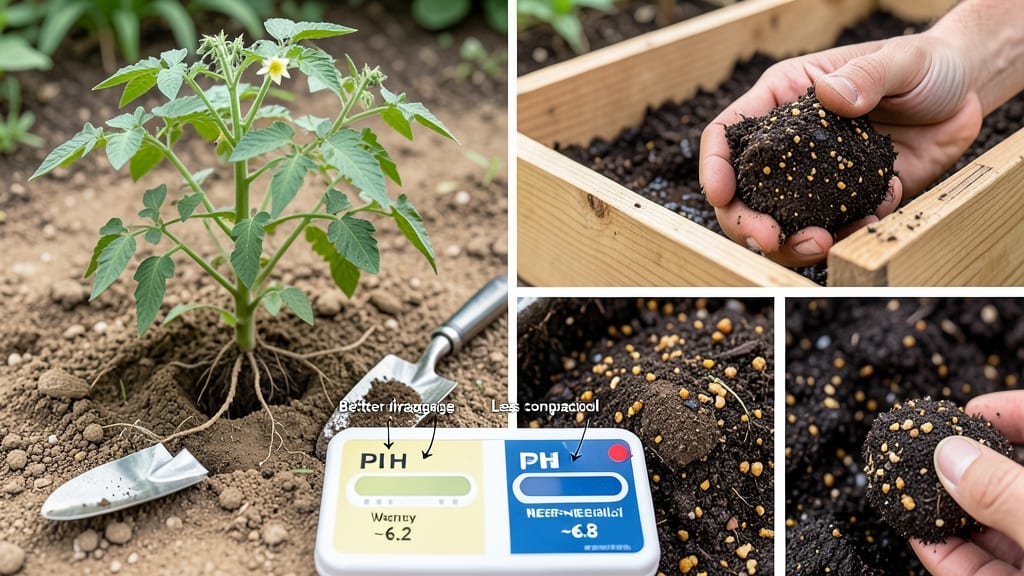
Your plant roots will either thrive in the earth's embrace or struggle in a cramped raised bed—in-ground soil vs raised bed soil makes all the difference.
I spent three seasons comparing both, and the results shocked me: my tomatoes grew twice as heavy in the ground, but my lettuce bolted faster there too. The choice isn't just about where to dig—it's about understanding how each soil environment affects your plants' very survival.
Native in-ground soil holds moisture like a sponge but often compacts over time, suffocating roots. I've learned to loosen it with compost and organic matter every spring, turning the top 6 inches into a fluffy paradise where earthworms do the heavy lifting.
The trade-off? Weeding becomes a full-time job, and heavy clay can turn into a brick wall during droughts. Yet, when you get it right, the soil feeds your plants continuously—no need for extra amendments once established.
Raised beds, on the other hand, give you total control over the mix: I blend equal parts topsoil, compost, and perlite for perfect drainage and aeration. My basil thrives there, producing leaves all season without bolting, while my peppers stay disease-free.
The downside? Filling a 4x8-foot bed costs about $150 in soil alone, and you'll need to replenish nutrients yearly. But for plants sensitive to wet feet—like strawberries or herbs—the raised bed's consistent drainage is a game-changer.
Here's the secret: match your method to your plants. Root crops like carrots belong in loose in-ground soil, while shallow-rooted herbs and veggies often prefer raised beds. I now use both—ground for heavy feeders, beds for delicate varieties—and my garden produces year after year without the guesswork.
Let's break down which works best for your space and crops.
The first option explained
Option A: In-Ground Soil 🌍🌱
In-ground soil is the classic, time-tested choice for gardening enthusiasts who prefer a low-maintenance, natural approach. This method involves planting directly into the earth, leveraging the existing soil composition of your yard or garden. Here’s what makes it stand out:
Key Characteristics
- Natural Composition: Uses native soil, which may include a mix of clay, sand, silt, and organic matter. The texture and fertility vary widely depending on your location and climate.
- Cost-Effective: No need to purchase or construct additional materials—just amend what you’ve got!
- Long-Term Stability: Once established, in-ground soil can support plants for years with minimal upkeep.
- Microclimate Benefits: The ground naturally regulates temperature, keeping roots cooler in summer and warmer in winter.
Benefits
- Eco-Friendly: Reduces waste by utilizing existing resources and promotes biodiversity.
- Ideal for Perennials & Trees: Perfect for long-lived plants that thrive in stable, undisturbed soil.
- Lower Initial Effort: No assembly required—just prep the soil and plant!
- Better for Large-Scale Gardening: Great for vegetable patches, flower beds, or orchards where space isn’t a constraint.
Typical Use Cases
In-ground soil shines in scenarios where you have:
- Ample space for root expansion (e.g., fruit trees, shrubs, or sprawling veggies like pumpkins).
- A willingness to invest time in soil improvement (composting, tilling, or aeration).
- Native soil that’s already fertile or easily amendable (e.g., loamy or sandy soils).
Pro Tip: 💡 If your in-ground soil is heavy clay or sandy, consider double-digging or mixing in compost and organic matter to boost drainage and nutrient retention. For clay-heavy soils, adding gypsum or perlite can work wonders!
The second option explained
If you’re dreaming of a garden that’s easy on the back and packed with customizable growing power, raised bed soil might just be your golden ticket! 🌱✨ Unlike in-ground soil, raised beds let you take full control over the growing environment—from drainage to nutrient density—making them a favorite among urban gardeners, beginners, and plant perfectionists alike.
🔍 Key Characteristics
Raised bed soil thrives in a contained, elevated frame (usually 6–12 inches deep), often filled with a custom soil mix designed for optimal plant growth. Here’s what sets it apart:
- Customizable Composition: Mix your own blend of topsoil, compost, peat moss, and perlite for ideal aeration and moisture retention.
- Superior Drainage: Less risk of waterlogging compared to heavy in-ground clay soils.
- Warmer Soil: Heats up faster in spring, giving plants a head start.
- Weed & Pest Control: Elevated edges deter many weeds and critters, reducing maintenance.
🌟 Top Benefits
Why are gardeners obsessed with raised beds? Here’s why:
- Faster Plant Growth: Loose, nutrient-rich soil promotes stronger roots and quicker harvests.
- Year-Round Growing: Extend seasons by insulating beds or using row covers.
- Accessibility: Perfect for those with mobility challenges or small spaces (balconies, patios!).
- No Soil Compaction: No heavy machinery or foot traffic means fluffy, fertile soil forever.
🌿 Typical Use Cases
Raised beds shine in these scenarios:
| Scenario | Why It Works |
|---|---|
| Urban Gardening | Maximize small spaces with vertical or square-foot gardening. |
| Vegetable & Herb Gardens | Ideal for root crops (carrots, potatoes), leafy greens, and herbs. |
| Flower Beds | Showstopping blooms thrive in well-draining, nutrient-rich mixes. |
| Organic Farming | Full control over soil amendments (no synthetic chemicals!). |
Pro Tip: 💡 For long-term success, top off beds with 1–2 inches of compost annually to replenish nutrients!
Key differences
🌱 Soil Composition & Structure
In-ground soil and raised bed soil differ significantly in their natural composition, which impacts plant growth.
- In-Ground Soil: Typically contains a mix of native topsoil, subsoil, and organic matter over time. It may include clay, sand, or silt depending on your region, which can affect drainage and aeration. Native soil often requires amendments (like compost) to improve fertility.
- Raised Bed Soil: Designed to be customizable—gardeners blend their own mix of topsoil, compost, peat moss, and other amendments (e.g., perlite or coconut coir) for optimal texture and nutrition. This allows for better control over drainage, aeration, and nutrient retention.
💧 Drainage & Water Retention
How water behaves in the soil directly impacts root health and plant survival.
| Factor | In-Ground Soil | Raised Bed Soil |
|---|---|---|
| Drainage | Can be uneven—clay-heavy soils may become waterlogged, while sandy soils drain too quickly. Risk of root rot in poorly draining areas. | Generally better controlled due to customizable layers (e.g., gravel at the bottom for drainage). Less risk of over- or under-watering. |
| Water Retention | Depends on soil type—clay holds moisture longer but may suffocate roots, while sandy soil dries out fast. | Can be tailored for moisture retention (e.g., adding compost or peat moss) while still allowing airflow. |
🌡️ Temperature & Seasonal Stability
Soil temperature affects seed germination, microbial activity, and root growth—especially in early spring or late fall.
- In-Ground Soil: Warms and cools slowly due to the earth’s insulation. This can delay planting in cooler climates but provides stability for perennial roots.
- Raised Bed Soil: Warms up faster in spring (ideal for early planting) and stays warmer longer in fall. However, it may cool down more quickly in winter, requiring extra mulch.
🐛 Pest & Weed Control
Both soil types have pros and cons when it comes to unwanted visitors.
- In-Ground Soil:
- More susceptible to weeds and soil-borne pests (e.g., grubs, nematodes) due to direct contact with the surrounding earth.
- Benefits from natural predators (e.g., birds, beneficial insects) that thrive in undisturbed ecosystems.
- Raised Bed Soil:
- Fewer weeds (since beds are contained) and less risk of soil-borne diseases if the bed is new or sterilized.
- May require manual pest management (e.g., row covers, companion planting) since raised beds lack natural predators.
💰 Cost & Maintenance
Your budget and time commitment will influence which option feels right for you.
- In-Ground Soil:
- Lower upfront cost—no need to buy or build beds.
- Requires ongoing amendments (compost, fertilizer) to maintain fertility, especially in high-yield gardens.
- Raised Bed Soil:
- Higher initial cost for materials (wood, soil mix) but long-term savings on amendments if the soil is well-prepared.
- Less weeding and easier to maintain—ideal for small spaces or those with mobility challenges.
When to choose which
Choosing between in-ground soil and raised bed soil depends on your unique gardening goals, climate, and available resources. Here’s a quick guide to help you decide when each option shines:
🌱 Opt for In-Ground Soil When...
- You’re working with large-scale planting: In-ground soil is ideal for sprawling gardens, orchards, or crops like corn, potatoes, or root vegetables (think carrots or beets) that need deep, unobstructed root growth.
- Your soil is already nutrient-rich: If your native soil drains well, retains moisture, and has a healthy balance of organic matter, in-ground planting can be low-maintenance and cost-effective.
- You want to minimize upfront costs: No need to buy or build raised beds—just amend the existing soil with compost or fertilizer. Perfect for budget-conscious gardeners!
- Your climate is mild or humid: In-ground soil stays more stable in temperature and moisture, reducing the risk of frost heave or extreme drying common in raised beds.
🏡 Choose Raised Bed Soil When...
- You’re dealing with poor or contaminated soil: Raised beds give you total control over soil quality, making them a lifesaver for urban areas, clay-heavy soils, or spaces with old pollutants.
- You want faster, easier gardening: Raised beds warm up quicker in spring, allow for better drainage, and reduce bending—ideal for veggies like lettuce, herbs, or strawberries that thrive in well-aerated soil.
- Your space is limited or has poor drainage: Raised beds prevent waterlogging and can be placed on patios, balconies, or sloped terrain where in-ground planting is tricky.
- You’re growing delicate or shallow-rooted plants: Crops like tomatoes, peppers, or flowers benefit from the consistent moisture and temperature regulation of raised beds.
- You’re new to gardening or have mobility challenges: Raised beds are beginner-friendly and reduce strain on your back or knees.
Pro Tip: 💡 Combine both! Use raised beds for high-maintenance or small-space crops while reserving in-ground soil for larger, hardy plants. The best garden often blends both approaches!
The bottom line
Choosing between in-ground soil and raised bed soil depends on your garden’s needs—and both have their perks! 🌱
In-ground soil is budget-friendly and great for large-scale planting, but it may need extra care for drainage and fertility. Raised beds, on the other hand, offer better control over soil quality, warmer roots, and fewer weeds—ideal for small spaces or delicate plants.
Need rich, layered loam? Raised beds win for customization. Prefer low-maintenance, natural soil? In-ground might be your best bet. Test your soil, assess your goals, and happy planting! 🌿
- Quick recap: In-ground = natural, cost-effective; raised beds = customizable, efficient.
- Pro tip: Mix both for the best of both worlds!