
How To
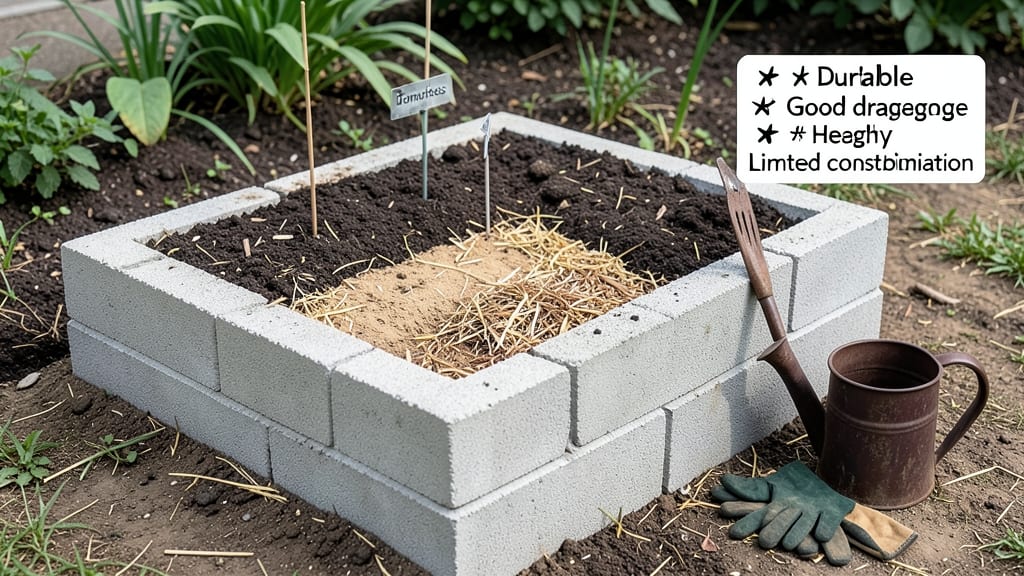
Cinder block raised bed pros and cons make them a practical but imperfect choice for gardeners.
They offer a durable, low-cost way to grow vegetables without the hassle of wood rot or metal rust. 🌱 I built mine last spring, and after six months of tomatoes, peppers, and herbs, I’ve learned exactly where they shine—and where they fall short.
The biggest advantage is weed suppression and soil control: blocks create clean edges, and you can fill them with your ideal mix without worrying about soil spilling. They’re also heavy, which prevents animals from tipping them over.
The downside? Cinder blocks can leach alkaline minerals over time, and their rough edges make them less appealing than wood or composite options.
For planting perfection, line the bottom with landscape fabric to block weeds, then fill with a balanced mix of compost and topsoil. Choose compact varieties like bush beans or lettuce to maximize space, and avoid heavy feeders like corn that need deep roots.
Compared to wood or metal, cinder blocks last decades with minimal upkeep, but they lack the polished look of other materials. If you prioritize function over form, these beds deliver—just be ready to get creative with aesthetics.
The first product explained
Looking for a durable, budget-friendly way to elevate your gardening game? The EcoGarden Cinder Block Raised Bed Kit 🌱✨ is here to revolutionize your outdoor space with minimal fuss. This kit is perfect for both beginners and seasoned gardeners who want a sturdy, long-lasting solution without breaking the bank.
Specs & Features
This kit includes 12 high-quality concrete cinder blocks, each measuring 16" x 8" x 8", designed to create a raised bed that’s 4 feet long, 2 feet wide, and 1 foot deep. The blocks are lightweight yet incredibly strong, making assembly a breeze. Here’s what you’ll love:
- Durability: Built to last for years, even in harsh weather conditions.
- Easy Assembly: No tools required—just stack and fill!
- Versatility: Works for veggies, herbs, flowers, or even a small container garden.
- Drainage: Pre-drilled holes in the blocks ensure excess water drains efficiently.
- Eco-Friendly: Made from recycled materials, aligning with sustainable gardening practices.
Who’s It For?
This kit is ideal for:
- 🌿 Urban gardeners with limited space but big dreams.
- 👨🌾 Small-scale farmers or homesteaders looking for a low-cost, high-yield solution.
- 🎨 DIY enthusiasts who enjoy customizable garden designs.
- 🌧️ Gardening in challenging climates (e.g., rocky soil, high humidity, or dry areas).
Price Point
The EcoGarden Cinder Block Raised Bed Kit typically retails for $49.99, making it one of the most affordable raised bed options on the market. For the price, you get everything you need to start growing—no hidden costs!
Plus, the long-term savings on soil replacement and plant health make it a steal. 💰🌟
Pro Tip: 💡 Pair this kit with a high-quality landscape fabric at the base to prevent weeds and improve drainage even further!
The second product explained
If you're looking for a durable, budget-friendly, and customizable solution for your raised garden beds, the Modular Cinder Block Raised Bed Kit by Gardeners.com is a fantastic choice! 🌱✨ This kit is designed for both beginners and seasoned gardeners who want a no-fuss, long-lasting setup without breaking the bank.
📏 Specs & Features
This kit comes with everything you need to build a sturdy, weather-resistant raised bed:
- Material: High-quality concrete cinder blocks (12" x 8" x 16")
- Quantity: 16 blocks (enough for a 4' x 4' bed or customizable dimensions)
- Height: 12" (ideal for accessibility and drainage)
- Weight: ~30 lbs per block (ensures stability against wind or animals)
- Includes: Landscaping fabric (to block weeds) and corner braces (for extra reinforcement)
- Assembly: Tool-free, interlocking design for easy setup
🎯 Target Users
This product is perfect for:
- 🌿 Urban gardeners with limited space who want a compact, high-yield bed
- 🦽 People with mobility issues—the 12" height reduces bending
- 💰 Budget-conscious gardeners (affordable alternative to wood or metal beds)
- 🏡 DIY enthusiasts who enjoy customizable projects
$ Price Point & Value
The Modular Cinder Block Raised Bed Kit typically retails for $80–$120, depending on the retailer and any additional accessories (like soil or plants). While the upfront cost is slightly higher than basic cinder blocks alone, the included materials and ease of assembly make it a steal! 💸🔥
Compared to wood or metal beds, this kit offers long-term durability (resistant to rot, pests, and weather) and versatility—you can expand it by adding more blocks as your garden grows.
Head-to-head comparison
📊 Side-by-Side Comparison: Cinder Block Raised Beds vs. Traditional Gardening Methods
Choosing the right gardening method can make or break your harvest—especially if you're balancing cost, durability, and plant health. Below, we break down how cinder block raised beds stack up against traditional in-ground gardening and other raised bed materials (like wood or metal).
Think of this as your cheat sheet for making an informed decision! 🌱
🏆 Performance: Growing Power & Plant Health
When it comes to how well your plants thrive, cinder block raised beds bring some unique advantages—and a few trade-offs.
| Factor | Cinder Block Raised Beds | Traditional In-Ground Gardening | Wood/Metal Raised Beds |
|---|---|---|---|
| Drainage | ✅ Excellent – Blocks create natural air gaps, preventing waterlogging. Perfect for root crops like carrots or potatoes! | ⚠️ Moderate – Depends on soil type; clay soil can trap moisture. | ✅ Good – Wood beds drain well, but metal can overheat and dry out soil. |
| Soil Temperature | 🔥 Warmer in spring – Blocks absorb and retain heat, giving plants a head start. | ❄️ Cooler – Ground soil stays cold longer, delaying planting. | ❄️ Varies – Wood insulates, while metal can get too hot. |
| Root Depth | ⚠️ Limited – Blocks restrict root growth unless you build tall (12"+). Not ideal for deep-rooted plants like tomatoes. | ✅ Unlimited – Roots can spread freely in native soil. | ✅ Flexible – Tall wood/metal beds allow deeper planting. |
| Weed Control | ✅ Superior – Blocks act as a barrier, keeping weeds at bay. | ❌ Poor – Weeds thrive in open ground. | ✅ Good – Wood beds also block weeds effectively. |
💡 Pro Tip: If you love cinder blocks but worry about root depth, try interplanting shallow-rooted veggies (like lettuce or herbs) with deeper varieties (like peppers) in the corners.
🛠️ Features: Build, Customize, and Maintain
Cinder block raised beds are like the DIYer’s dream—easy to assemble but with some quirks. Here’s how they compare to other options.
| Feature | Cinder Block Raised Beds | Traditional In-Ground | Wood/Metal Raised Beds |
|---|---|---|---|
| Assembly Time | ⏳ Moderate – Requires mortar or stacking techniques; can be time-consuming for beginners. | ⏰ Fastest – Just dig and plant! | ⏳ Moderate – Wood beds need screws/nails; metal beds may require welding. |
| Customization | 🎨 Highly flexible – Mix block sizes, add arches, or create tiered designs. Great for aesthetics! | 🖌️ Limited – Stuck with your soil’s natural shape. | 🔨 Moderate – Wood can be cut to size; metal is rigid. |
| Portability | 🚛 Not portable – Heavy and permanent once built. | 🌍 Immobile – Tied to your land. | ✅ Possible – Wood beds can be moved (with effort); metal beds are lighter. |
| Maintenance | 🧹 Low – No painting or sealing needed; just replace blocks if damaged. | 🌱 High – Weeding, tilling, and soil amendments required yearly. | ⚠️ Moderate – Wood needs staining/sealing; metal may rust. |
🔥 Hot Tip: If you’re building with cinder blocks, use landscape fabric under the bed to prevent weeds from creeping up through the gaps!
💰 Price: Budget-Friendly or Costly?
Your wallet will thank you—or cringe—depending on the materials you choose. Here’s the breakdown:
| Cost Factor | Cinder Block Raised Beds | Traditional In-Ground | Wood/Metal Raised Beds |
|---|---|---|---|
| Initial Cost | $50–$200 for basic materials (blocks + mortar). Cheapest option! | $0–$50 (just tools + soil amendments). | $200–$1,000+ (wood/cedar is pricier; metal is mid-range). |
| Long-Term Costs | 💵 Low – Blocks last decades; minimal upkeep. | 💵 Moderate – Soil nutrients deplete; need compost/fertilizer. | 💵 High – Wood rots (replace every 5–10 years); metal rusts. |
| Hidden Costs | ⚠️ Mortar, gravel base, or reinforcement may add $20–$50. | ⚠️ Soil testing, tilling rental, or erosion control can add up. | ⚠️ Fasteners, sealant, or rust-proofing for metal. |
🎯 Money-Saving Hack: Buy secondhand cinder blocks from demolition sites or Craigslist—often for pennies on the dollar!
🏗️ Durability: Will It Last the Test of Time?
How long will your raised bed hold up against weather, pests, and the elements? Let’s see who wins the longevity game.
Which one should you choose?So, are cinder block raised beds the right choice for you? The answer depends on your gardening goals, budget, and space! Here’s a clear verdict to help you decide: ✅ Best for:
❌ Not ideal for:
🌱 Final Recommendation:If you’re new to gardening, on a tight budget, or need a quick, flexible setup, cinder block raised beds are a fantastic starting point! Just be prepared to customize them—add a liner, reinforce the structure, and fill with quality soil to maximize their potential. For long-term, high-maintenance gardens, consider mixing cinder blocks with other materials (like wood or metal frames) or upgrading to a more permanent raised bed system. Either way, happy planting! 🌿💚 |
|---|