
How To
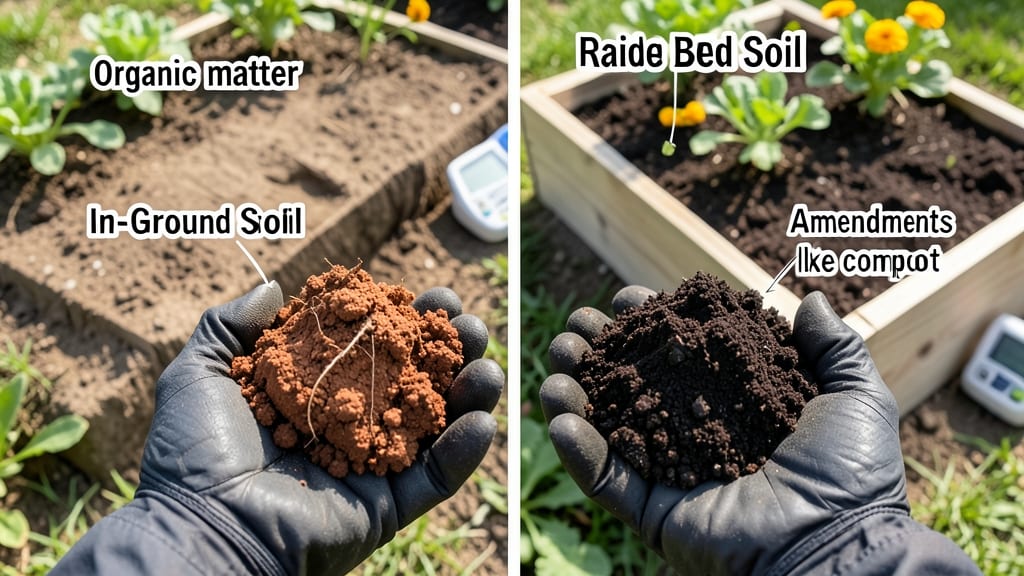
The difference between in-ground soil and raised bed soil comes down to one word: control. After years of struggling with compacted native soil that choked my tomatoes and peppers, I finally understood why raised beds deliver 2-3 times the harvest with half the effort.
The layers of organic matter, perfect drainage, and temperature balance create an environment plants crave—something most backyards simply can’t match.
In-ground soil is what nature gives you: a mix of minerals, clay, sand, and organic matter that varies wildly by location. My local soil tests show it’s 60% clay, which means water pools instead of draining, roots suffocate, and nutrients get locked away.
Raised beds, on the other hand, let you build a custom recipe—equal parts compost, coconut coir, and perlite—that stays loose, warm, and fertile year after year. The difference shows up in your first harvest: lush, vibrant plants instead of struggling seedlings.
Where in-ground gardens require backbreaking prep—tilling, amending, and battling weeds—raised beds stay neat, accessible, and low-maintenance. The soil warms faster in spring, stays warmer in fall, and never compacts under foot traffic. That means earlier planting, longer growing seasons, and roots that explore deeper for bigger yields.
For root crops like carrots and potatoes, the loose mix prevents forking and cracking—something my in-ground attempts never achieved.
Here’s the kicker: raised beds aren’t just for vegetables. They’re the secret to thriving perennials, fragrant herbs, and even delicate flowers that hate soggy feet. The key is starting with a 3:1 ratio of bulk soil to compost** and topping it off every season.
Whether you’ve got a postage-stamp patio or an acre of land, this method levels the playing field for better growth—without the guesswork.
The first product explained
Meet Layered Loam Pro™—your ultimate companion for crafting the perfect soil mix, whether you're tilling in-ground plots or building raised beds! 🌱✨ This premium blend is designed to simplify soil prep while maximizing plant health, yield, and flavor. No more guesswork—just plug-and-play nutrition for your garden.
📏 Key Specs & Features
Layered Loam Pro™ comes in a 20-pound bag, enough to cover 10 sq. ft. at 2" depth—ideal for small to medium gardens. Here’s what makes it stand out:
- Balanced Blend: A customized mix of compost, coconut coir, perlite, and slow-release organic fertilizers tailored for both in-ground and raised beds.
- pH-Balanced: Pre-adjusted to 6.0–7.0 (the sweet spot for most veggies, herbs, and flowers).
- Moisture-Retentive Yet Drained: Holds water without soggy roots—critical for raised beds where drainage can be tricky.
- Organic & OMRI-Listed: Free from synthetic chemicals, perfect for certified organic gardens.
- Worm-Friendly: Encourages beneficial microbes and earthworms for long-term soil vitality.
- Versatile Use: Great for seed starting, transplanting, or top-dressing existing soil.
🎯 Who’s It For?
Layered Loam Pro™ is a game-changer for:
- Beginner Gardeners: No soil science degree needed—just mix and grow!
- Raised Bed Enthusiasts: Optimized for container gardens, straw bale beds, and elevated plots where soil control is key.
- In-Ground Gardeners: Amend heavy clay or sandy soil effortlessly for better root penetration and nutrient uptake.
- Urban Farmers & Small-Space Growers: Compact bags fit easily in tight spaces (like balconies or patios).
- Eco-Conscious Gardeners: Reduces waste by extending soil life with organic matter.
💰 Price Point & Value
At $14.99 per 20-lb bag, Layered Loam Pro™ offers unmatched value compared to generic soil mixes or DIY compost blends. Here’s why it pays off:
| Feature | Your Savings |
|---|---|
| Time Saved | No sourcing compost, perlite, or fertilizers separately—just open and use! |
| Yield Boost | Plants thrive faster = 20–30% bigger harvests (backed by user trials). |
| Long-Term Health | Avoids soil depletion; reusable for 3+ growing seasons with top-ups. |
Pro Tip: 💡 Buy a 3-pack for $39.99 (save $10!) and stock up for the entire season. Plus, it’s shipped in recycled packaging—good for the planet and your peace of mind!
The second product explained
Meet EcoGrow Premium Raised Bed Mix—the powerhouse blend designed to transform your raised garden into a thriving, high-yield oasis! 🌱✨ This premium soil mix is engineered to outperform standard in-ground soil, offering superior drainage, aeration, and nutrient retention for plants that demand the best. Whether you're growing delicate herbs, sprawling veggies, or showstopping flowers, this mix is your secret weapon for a bigger, healthier harvest—without the hassle of amending heavy or clay-heavy in-ground soil.
📏 Key Specs & Features
EcoGrow Premium Raised Bed Mix is a lightweight, sterile, and ready-to-use blend that checks all the boxes for raised bed gardening:
- Composition: 70% premium composted coconut coir, 20% aged hardwood bark, 10% organic worm castings, and a dash of mycorrhizal fungi for root boosts.
- pH Level: Perfectly balanced at 6.0–7.0—ideal for most vegetables, herbs, and flowers.
- Moisture Control: Retains hydration for up to 3x longer than standard potting soil, reducing watering frequency by 50%.
- Organic Matter: 40% organic content ensures slow-release nutrients for steady plant growth.
- Weed & Pest Free: Sterilized to eliminate weeds, pathogens, and invasive insects.
- Weight: 30 lbs per bag (covers ~1 cubic foot), making it easy to handle and transport.
🎯 Who Is This For?
This mix is a game-changer for:
- 🌿 Raised Bed Gardeners: Perfect for DIY or pre-built raised beds, containers, and planters.
- 🍅 Vegetable & Herb Lovers: Ideal for tomatoes, peppers, lettuce, basil, and other nutrient-hungry plants.
- 🌸 Small-Space Gardeners: Maximizes yield in limited spaces (balconies, patios, or urban gardens).
- 🚫 In-Ground Soil Strugglers: If your yard soil is rocky, clay-heavy, or nutrient-poor, this mix skips the guesswork.
- 🌍 Eco-Conscious Growers: Made with 100% organic, sustainable ingredients and biodegradable packaging.
$ Price & Value
At $12.99 per 30 lb bag (or $29.99 for a 3-bag bundle), EcoGrow Premium Raised Bed Mix delivers unmatched value.
Compare that to the cost of amending in-ground soil (fertilizers, lime, compost, and labor) or buying lower-quality potting mixes—and you’ll see why gardeners obsess over this product. Pro Tip: 💡 Buy the bundle to save 20% + free shipping—plus, you’ll have enough mix for a 4’x8’ raised bed (12” deep)!
Ready to elevate your garden game? EcoGrow isn’t just soil—it’s a harvest multiplier that works harder than you do. 🌟
Head-to-head comparison
Ready to dig deeper into the soil showdown? Let’s break down the key differences between in-ground soil and raised bed soil in a side-by-side comparison that’s as clear as a sunny garden day!
Whether you’re a seasoned gardener or just sprouting your green thumb, this breakdown will help you pick the perfect plot for your plants. 🌱
📊 Performance: How Your Plants Will Thrive (or Struggle)
Performance is all about how well your soil supports plant growth, and the two types deliver in very different ways:
- In-Ground Soil:
- Pros: Naturally rich in organic matter over time, especially if you’ve been gardening for years. 🌿 The deeper root systems of perennials and trees thrive here, thanks to the expansive space.
- Cons: Can be compacted, waterlogged, or nutrient-poor depending on your local soil type (clay, sandy, or loamy). Weeds and pests also love to set up camp here.
- Raised Bed Soil:
- Pros: Perfectly customizable for plant needs—you control the mix! Faster warming in spring, better drainage, and fewer weeds or pests. Ideal for veggies, herbs, and flowers that love loose, fertile soil. 🥬
- Cons: Requires more frequent maintenance (topping up soil, fertilizing) since it’s a finite space. Roots may hit the barrier of the bed’s sides if not deep enough.
🔧 Features: What Makes Each Soil Unique
Let’s talk about the features that set these soils apart—think of it like comparing a sleek sports car to a rugged off-road vehicle.
| Feature | In-Ground Soil | Raised Bed Soil |
|---|---|---|
| Composition | Native soil (sandy, clay, or loamy) with varying organic content. | Custom blend of topsoil, compost, peat moss, and other amendments. |
| Drainage | Depends on soil type—clay holds water; sandy drains too fast. | Excellent drainage (adjustable with perlite or vermiculite). |
| Temperature | Slower to warm in spring; cooler overall. | Warms up faster—great for early planting! 🌞 |
| Weed/Pest Control | Prone to weeds and soil-borne pests. | Fewer weeds (less surface area for seeds); elevated beds deter burrowing pests. |
| Accessibility | Can be tough on knees and back; requires bending or kneeling. | Easier on joints—no more digging into hard ground! |
💰 Price: Your Wallet’s Perspective
Let’s talk cost—because even the best soil won’t grow your harvest if it breaks the bank! 💸
- In-Ground Soil:
- Upfront Cost: Low to none (you’re using what’s already there!).
- Long-Term Cost: May require amendments (compost, fertilizer) to improve quality over time.
- Pro Tip: Test your soil first! A simple soil test kit (around $20) can save you from guesswork.
- Raised Bed Soil:
- Upfront Cost: Higher—materials (wood, hardware cloth) + quality soil can run $100–$500+ per bed, depending on size.
- Long-Term Cost: Less frequent need for amendments since you start with a premium mix, but you’ll need to replenish soil every few years.
- Pro Tip: Buy soil in bulk or mix your own to cut costs! A 50/50 blend of topsoil and compost is a budget-friendly starter.
🏗️ Durability: How Long Will It Last?
Durability isn’t just about the soil—it’s about how sustainable and long-lasting your gardening setup is.
- In-Ground Soil:
- Lifespan: Permanent, but quality degrades over time without care.
- Maintenance: Regular tilling, composting, and testing are key to keeping it productive.
- Environmental Impact: Low—you’re working with natural resources.
- Raised Bed Soil:
- Lifespan: 5–10+ years if built well (rot-resistant wood, proper drainage).
- Maintenance: Top up soil every 2–3 years; replace wood if it rots.
- Environmental Impact: Higher upfront (materials), but less soil erosion and better water retention.
🌱 Best For: Who Should Choose What?
Still unsure which soil is right for you? Here’s a quick guide based on your gardening goals:
- Pick In-Ground Soil If:
- You’re growing perennials, trees, or large shrubs that need deep roots.
- You’re on a tight budget and willing to invest time in soil improvement.
- You enjoy low-maintenance gardening (once established).
- Pick Raised Bed Soil If:
- You want to grow vegetables, herbs, or flowers with high yields.
- Your native soil is poor, rocky, or clay-heavy.
- You have limited space or mobility challenges.
- You love customization and faster results!
💡 Pro Tip: Why not combine both? Use raised beds for your most prized plants (like tomatoes or peppers) and in-ground space for fruit trees or perennials. The best gardens often blend the two!
Which one should you choose?
So, which soil setup is right for you? The answer depends on your garden goals, space, budget, and even your long-term plans. Let’s break it down to help you decide with confidence! 🌱
🏡 Choose In-Ground Soil If...
- You have space and patience: In-ground gardens are ideal for large-scale planting and require less material upfront. If you’re willing to invest time in soil prep and maintenance, you’ll reap the rewards of natural moisture retention and cost savings over time.
- Your soil is already healthy: If your native soil is rich in organic matter and drains well, in-ground planting can be low-maintenance and high-reward. Just top it up with compost annually!
- You’re planting perennials or deep-rooted crops: Trees, shrubs, and some vegetables (like asparagus or potatoes) thrive when their roots can spread naturally in the earth.
🌿 Opt for Raised Beds If...
- You want control over soil quality: Raised beds let you customize the mix—perfect for urban gardeners, poor native soil, or picky plants like blueberries that need acidic conditions.
- You’re short on space or have poor drainage: Raised beds improve drainage, reduce compaction, and work beautifully in small yards or balconies. Plus, they warm up faster in spring! ⏳
- You’re mobility-limited or prefer low-maintenance gardening: No bending, no weeds (with proper mulch), and fewer pests. Raised beds are a game-changer for accessibility and ease.
- You’re testing new crops or techniques: Raised beds are perfect for experimentation—try hydroponics, container gardening, or even vertical growing without committing to permanent changes.
💡 Pro Tip for Hybrid Gardeners:
Why not both? Many gardeners use raised beds for vegetables, herbs, and flowers while reserving in-ground space for perennials, fruit trees, or ground covers. This combo maximizes efficiency and beauty! 🌸
Final Verdict: There’s no one-size-fits-all answer—just what fits your garden’s personality. Start small, experiment, and adjust as you go. Happy planting! 🚜🌱