
How To
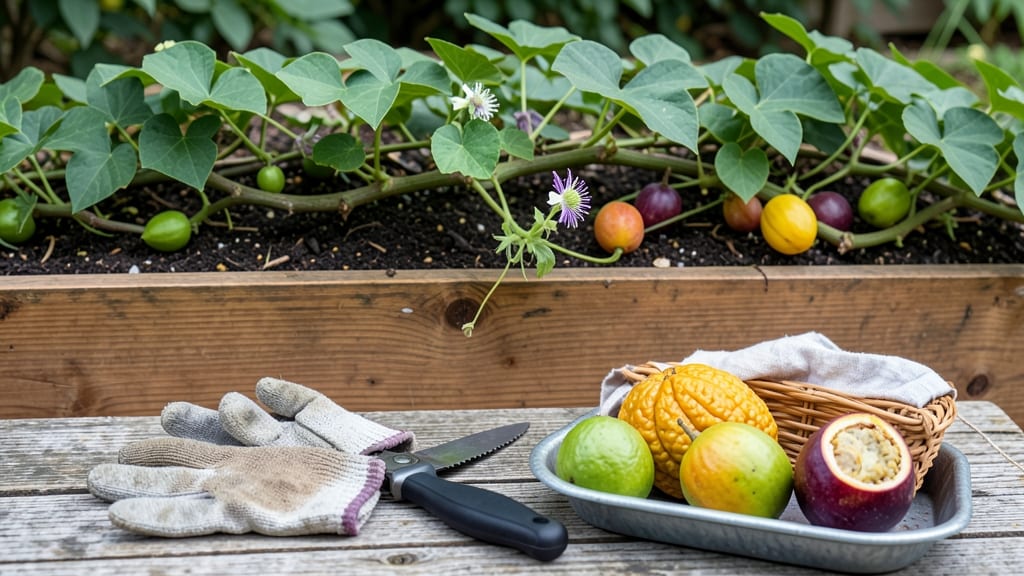
Knowing if a passion fruit is ripe means checking its color, texture, and even scent—because that tiny window between underripe and overripe can ruin your harvest.
Picking passion fruit at the perfect ripeness can be tricky—overripe means mushy, underripe means bland. But with these foolproof tricks, you’ll never guess again. Whether you’re growing 🍈 passion fruit in your backyard or buying from the market, these visual and sensory cues will save you from disappointment.
First, look for a deep, even color—yellow, purple, or red, depending on the variety. A ripe passion fruit will also feel slightly soft when gently squeezed, like a ripe peach, not rock-hard or squishy. And if you sniff it, a sweet, floral aroma is a dead giveaway.
Below, I’ll break down the exact steps, including how to handle environmental factors that can mess with ripening, so you always pick at peak flavor.
Visual signs of ripe passion fruit: colors and surface clues
Passion fruit ripeness can be deceiving—what looks perfect on the outside might be bland or mushy inside. The key lies in understanding the color transitions, surface texture, and shape changes that signal peak ripeness.
Different varieties (yellow, purple, or hybrid) follow slightly different cues, so knowing your plant’s type makes all the difference.
For yellow passion fruit, the shift from green to golden-yellow is the most obvious clue. But don’t stop there—purple varieties develop a deep, eggplant-like hue, while hybrids may show a mix of both.
The surface also transforms, becoming slightly wrinkled or dull rather than glossy. These visual cues are your first line of defense against picking fruit too early or too late.
Here’s a quick reference to help you spot ripe passion fruit at a glance:
The stem end of a ripe passion fruit often turns brown and dries out slightly, which is another key visual clue. If the stem remains green and firm, the fruit likely needs more time on the vine.
Pay attention to size consistency too—ripe fruit should feel proportionate to its variety, not shrunken or oversized.
One common mistake is assuming all passion fruit ripen at the same rate. Yellow varieties typically ripen faster than purple ones, so check them more frequently.
If you’re growing multiple types, keep a harvest journal to track ripening patterns in your climate. This helps you anticipate the best picking times each season.
Don’t overlook the fruit’s weight—ripe passion fruit feels noticeably heavier for its size due to the juicy pulp inside. A light fruit is usually underripe, while an overly heavy one might be overripe. Balance these visual cues with a gentle squeeze to confirm ripeness before harvesting.
Environmental factors like temperature fluctuations or water stress can delay ripening, so adjust your expectations if your vines are struggling. For example, hotter climates may speed up color changes, while cooler weather slows the process. Always prioritize visual checks over guesswork to avoid disappointment.
If you’re unsure whether a fruit is ready, err on the side of caution and wait another day. Underripe passion fruit won’t improve after picking, but slightly underripe fruit can ripen indoors if placed in a paper bag with a banana (the banana releases ethylene gas).
Overripe fruit, on the other hand, becomes mushy and loses flavor quickly.
Pro tip: Harvest in the morning when temperatures are cooler. This preserves the fruit’s freshness and makes it easier to spot subtle color changes. Store ripe passion fruit in the fridge for up to a week, but consume it as soon as possible for the best flavor and texture.
With these visual cues mastered, you’ll never second-guess your passion fruit harvest again. Happy picking—and enjoy that sweet, tangy reward! 🍈
Touch and scent tests: the best non-visual ripeness indicators
When checking if your passion fruit is ripe, your hands and nose are just as important as your eyes. A ripe passion fruit should yield slightly when gently squeezed—think of it like pressing a soft tennis ball, not a hard rubber ball.
This slight give indicates the pulp inside has reached peak sweetness and texture, while still maintaining structure. Overripe fruits will feel mushy and may even leak through the skin when pressed.
Don’t confuse firmness with unripeness, though. Some varieties, especially those still on the vine, can feel deceptively firm even when nearly ready. The key is to look for a gentle yielding rather than a hard resistance.
If the fruit springs back immediately, it’s not quite there yet. For the most accurate test, compare two fruits—one that looks ripe and one that doesn’t—to train your touch.
⚠️ WARNING: Common Mistake! Don’t harvest passion fruit based on hardness alone. Many gardeners pick too early because they associate firmness with ripeness, but passion fruit softens significantly as it ripens.
Overripe fruit will feel spongy and may ooze when squeezed—this is a clear sign it’s past its prime. If you’re unsure, check the stem end for browning, a secondary clue of ripeness.
The scent test is another game-changer. A ripe passion fruit releases a sweet, floral aroma near the stem end when gently shaken or sniffed. This fragrance comes from the volatile oils inside, which intensify as sugars develop.
If you don’t smell anything, the fruit likely needs more time. Pro tip: Hold the fruit near your nose and give it a light twist—this releases more scent from the pores in the skin.
For purple passion fruit varieties, the scent might be more subtle but still present, often with a hint of tropical fruitiness. Yellow varieties tend to have a stronger, sweeter aroma. If you detect a fermented or sour smell, the fruit is overripe and best used immediately or composted.
Trust your nose—it’s one of the most reliable ripeness indicators for passion fruit.
Combine touch and scent for the best results. A ripe passion fruit should pass both tests: slightly yielding when squeezed and emitting a fragrant, sweet aroma. If you’re harvesting from the vine, twist gently—ripe fruit will detach easily with a clean break near the stem.
This two-step verification ensures you’re picking at the perfect moment for the best flavor and texture.
Once you’ve mastered these tests, you’ll never second-guess ripeness again. The next time you’re tempted to pick a greenish passion fruit just because it’s there, take a moment to squeeze and sniff. Your taste buds—and your smoothies—will thank you! 🌱🍈