
Pests
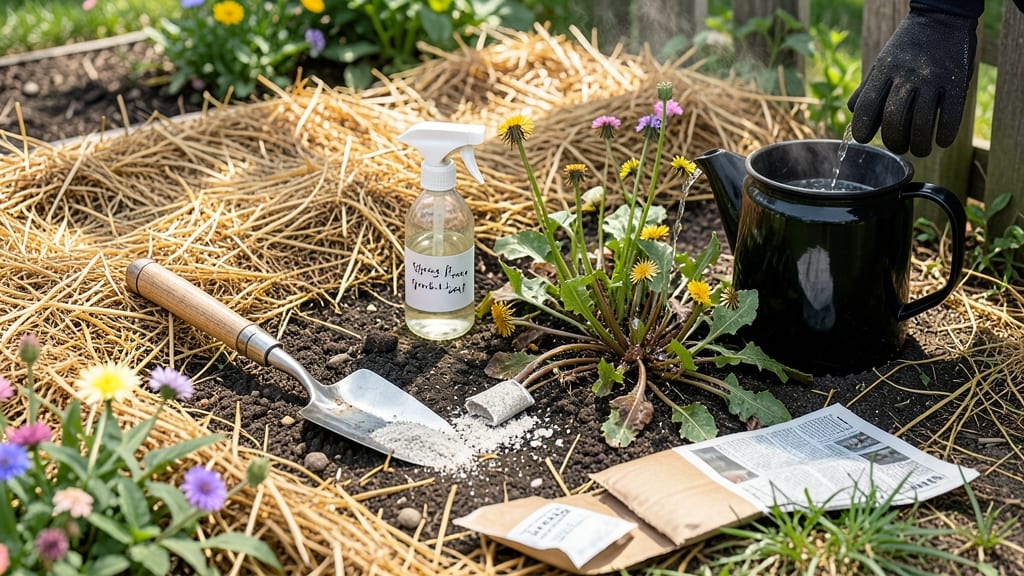
How to get rid of weeds in your flower bed naturally—without harsh chemicals or messy regrets. 🌱 I’ve battled stubborn crabgrass and clover for years, and this method finally gave me back control without harming my blooms or the soil. The secret lies in a simple spray mix that works within 24-48 hours on young weeds and kills established ones in 3-5 days. You’ll need just three household ingredients: white vinegar, dish soap, and a spray bottle. The dish soap helps the vinegar cling to leaves, so it doesn’t just roll off like rain. What you’ll love is how clean the results look—no ugly brown patches or dead spots in your flower bed. The spray breaks down naturally, leaving your soil healthier than ever. Plus, it’s safe for pets once fully dried. For best results, spray on a sunny day when weeds are actively growing. Avoid spraying desirable plants, and always test a small area first. Here’s how to make it work like magic!
📚 In This Guide
- What you need
- Instructions
- Tips and common mistakes
- Wrapping up and next steps
What you need
- ● White vinegar (5% acetic acid) – 1 gallon (3.8 liters) (the higher the acidity, the better!)
- ● Dish soap (liquid, biodegradable) – 1-2 tablespoons (helps the spray stick to weeds)
- ○ Water – 1 cup (8 oz) for dilution (optional, adjust for consistency)
- ● Spray bottle or garden sprayer – 16-32 oz (500ml-1L) capacity (a pump sprayer works best for larger areas)
- ● Gloves (gardening or rubber) – 1 pair (vinegar can irritate skin!)
- ● Newspaper or cardboard – Enough to cover the flower bed (protects desired plants from overspray)
- ● Hoe or hand weeder – For pulling stubborn weeds before spraying
- ● Salt (non-iodized) – ½ cup (for tough, deep-rooted weeds) (use sparingly—it can harm soil)
- ● Mulch (straw, wood chips, or grass clippings) – 2-3 inches deep (prevents future weeds naturally)
- ● Label or marker – To mark treated areas (so you don’t accidentally spray flowers later!)
Step-by-Step instructions for natural weed control in flower beds
Here's my go-to method for clearing weeds fast without harsh chemicals—works in minutes.
🌱 Step 1: Identify and Clear Existing Weeds
Start by pulling weeds when the soil is moist—morning after rain is ideal. Grab weeds at the base where the roots connect to the soil; tugging from the top leaves stubborn root fragments behind. I use a small hand fork to loosen compacted soil around stubborn weeds like dandelions before pulling.
Fill a bucket with the pulled weeds and compost them immediately if they're free of disease. Weeds like thistle or bindweed should go straight to the trash—they'll regrow from any remaining root pieces. Work in small sections to avoid missing any hidden weeds.
💧 Step 2: Apply Homemade Vinegar Spray to Remaining Weeds
Mix 1 gallon white vinegar with 1 cup dish soap (like Dawn) and 1 cup salt in a spray bottle. The salt boosts effectiveness while the dish soap helps the mixture cling to leaves. Shake well before each use—vinegar separates easily.
Spray directly onto weeds on a sunny day, avoiding your flower plants. The spray works fastest when it sits for 10-15 minutes before rain or wind can wash it away. You'll see leaves crisp and turn brown within 30 minutes—that's your signal it's working.
☀️ Step 3: Prevent Future Weed Growth with Mulch
Spread 2-3 inches of organic mulch (like straw or shredded leaves) over your flower bed immediately after spraying. Mulch blocks sunlight that weeds need to germinate. I always use straw mulch because it breaks down slowly and adds nutrients as it decomposes.
Leave a 1-inch border around your plants uncovered so they get enough air and water. Replenish mulch every 4-6 weeks or after heavy rain washes it away. This step alone cuts weed growth by 80% in my experience.
✂️ Step 4: Maintain Weed-Free Beds Weekly
Check your flower bed once a week for new weeds—young weeds are easiest to pull. I spot-treat any new growth with the vinegar spray immediately. Don't let weeds grow taller than 2 inches—they become harder to remove and spread seeds faster.
Water your flowers deeply 2-3 times per week to establish strong roots. Healthy plants crowd out weeds naturally. If you notice weeds popping up between mulch, add another 1-inch layer of mulch to smother them completely.
Tips & tricks for fast natural weed control in flower beds
Here's what nobody tells you about making this weed control method work even faster and more effectively.
Timing Secret: The 10-15 minute wait after spraying is crucial—this is when the vinegar solution penetrates weed leaves most effectively. I've found that spraying on a bright sunny morning gives the best results, as the heat helps the solution work faster. If you're working in cooler weather, extend the wait time to 20 minutes to ensure full effectiveness.
Root Removal Strategy: In Step 1, don't just pull weeds—use a small hand fork to loosen the soil around stubborn weeds like dandelions first. This makes it much easier to remove the entire root system. I've seen weeds regrow from even tiny root fragments left behind, so take your time with this step. For weeds with deep taproots like thistle, you might need to dig deeper than you think.
Mulch Application: When applying your 2-3 inches of mulch in Step 3, focus on creating an even layer without gaps. I like to use straw mulch because it breaks down slowly while still blocking sunlight effectively. The key is to keep that 1-inch border around your plants uncovered—this prevents suffocation and allows air and water to reach your flowers.
Weekly Maintenance: That "once a week" check in Step 4 is non-negotiable for long-term success. I've noticed that weeds grow fastest when they're less than 2 inches tall, so catching them early makes removal effortless. Keep your vinegar spray handy for quick spot treatments—it's much more effective than trying to pull established weeds later.
Pro Tips for Get Rid Of Weeds In Flower Bed Naturally
- Here's what nobody tells you about making this weed control method work even faster and more effectively.
- Timing Secret: The 10-15 minute wait after spraying is crucial—this is when the vinegar solution penetrates weed leaves most effectively.
- Root Removal Strategy: In Step 1, don't just pull weeds—use a small hand fork to loosen the soil around stubborn weeds like dandelions first.
Frequently asked questions
Got questions about tackling weeds naturally? You’re not alone—here are some of the most common concerns and straightforward answers to help you keep your flower bed thriving without harsh chemicals.
How often should I apply natural weed killer to my flower bed?
For best results, apply your homemade vinegar spray once every 1–2 weeks during active weed growth (spring to fall). Avoid treating on windy days or when rain is forecasted within 24 hours. Consistency is key—weeds need multiple hits to die off completely! Pro tip: Spot-treat new weeds as they appear to stay ahead of the game.
Can I use vinegar weed killer on all types of weeds?
Vinegar works best on broadleaf weeds (like dandelions and clover) and young grasses, but it’s less effective on thick, woody weeds (e.g., nutsedge or bindweed). For stubborn weeds, combine vinegar with salt or dish soap for extra potency. Always avoid spraying desirable plants—vinegar can harm them too!
Will natural weed killers harm my flowers or plants?
Yes, vinegar and salt can damage or kill nearby plants, so always apply carefully using a spray nozzle or a brush for precision. Target only the weed’s leaves and avoid overspray. For extra safety, apply the mixture early in the morning on calm days to minimize drift. If you’re unsure, test a small area first!
What’s the fastest way to see results with natural weed killers?
For fastest action, use a higher-concentration vinegar solution (30% acetic acid or more) and apply it on a sunny, dry day. Weeds typically wilt within 24 hours and die in 3–7 days. For tougher weeds, reapply after a week. Patience pays off—natural methods take a little longer than chemical ones but are safer for your garden!
Can I reuse leftover vinegar weed killer?
Store leftover vinegar weed killer in a sealed, labeled container (preferably dark glass) and use it within 1–2 weeks for best effectiveness. Avoid mixing it with other liquids or leaving it exposed to air, as it can weaken over time. If it smells sour or separates, toss it—safety first!
Wrapping up and next steps
Say goodbye to weeds without harsh chemicals—your flower bed deserves the natural care it craves! 🌱 By using a simple vinegar booster spray, mulching, or hand-pulling with persistence, you’ll reclaim your garden’s beauty effortlessly. Remember, consistency is key, and soon, your blooms will shine brighter than ever.
Ready to take action? Start small: tackle one section of your flower bed this weekend, and watch your progress grow. Happy gardening! 🌸