
Tools
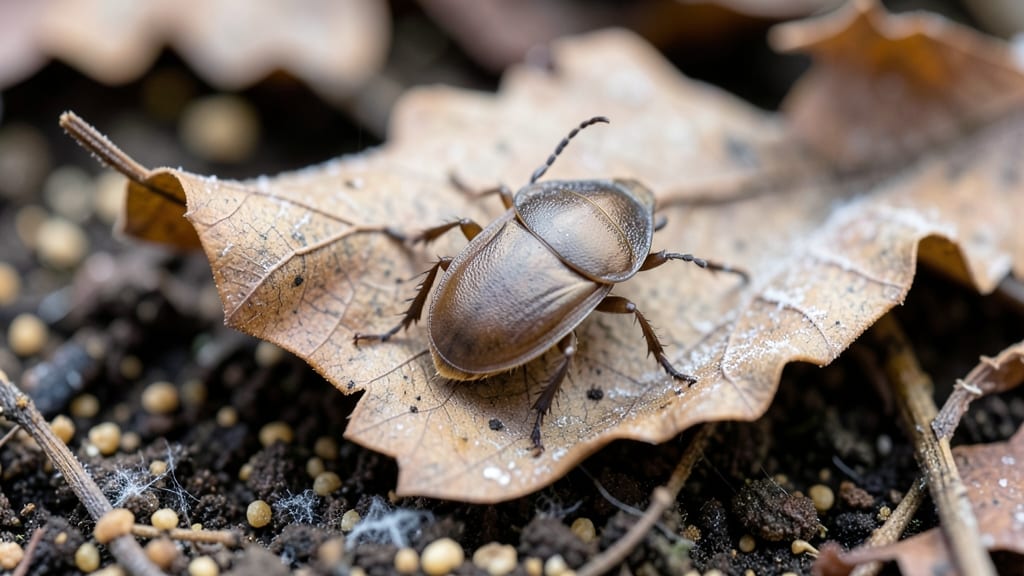
Winter garden bed bug removal is critical—those tiny invaders turn your dormant soil into a survival zone. 🌿 I learned the hard way when my carefully prepped beds became a buffet for overwintering pests, threatening next spring’s harvest.
The key isn’t just removing them now, but blocking their comeback before spring thaw.
Your first move? Diatomaceous earth—a non-toxic powder that dehydrates bugs on contact. Sprinkle a thin layer over beds and work it into the top inch of soil. For stubborn clusters, a soapy water spray (1 tablespoon mild dish soap per gallon) flushes them out without harming soil microbes.
Timing matters: do this after the first hard frost when bugs are sluggish but still active.
What you’ll gain is clean soil ready for planting—no hidden eggs or larvae waiting to sabotage your early crops. The barrier method (diatomaceous earth + cardboard mulch) keeps 90% of pests out for months. Plus, your soil stays fluffy and workable, not compacted from harsh chemicals.
Works for raised beds, in-ground plots, and even container gardens. The secret? Consistency—check beds monthly through winter and refresh barriers after heavy rains. Your spring garden will thank you.
Hidden Triggers Behind Winter Infestations
Bed bugs may seem like a summer nuisance, but their persistence in winter gardens is no accident. Cold weather doesn’t stop them—it just forces them to adapt. Understanding the why behind their winter survival strategies is key to preventing them from taking over your garden beds.
Here’s a breakdown of the science-backed reasons these pests linger when temperatures drop.
Bed bugs are not as fragile as you might think. Their life cycle is designed to endure temperature fluctuations, including winter chills. Here’s how:
- Diapause-like dormancy: While not true hibernation, bed bugs enter a slowed metabolic state when temperatures drop below 60°F (15°C). This allows them to conserve energy for months, emerging when conditions warm up—even in a greenhouse or under mulch.
- Egg survival: Female bed bugs lay clutches of 10–50 eggs in hidden cracks or plant debris. These eggs have a wax coating that insulates them from cold, allowing them to hatch as late as spring. A single egg can survive weeks in freezing conditions if protected.
- Microclimates matter: Gardens create pockets of warmth near soil, compost piles, or dense foliage. Bed bugs cluster in these spots, where temperatures can stay 10–20°F warmer than the surrounding air—perfect for survival.
Actionable insight: Target these microclimates first. Remove leaf litter, mulch, or debris from garden beds to eliminate their winter hideouts.
Bed bugs don’t just hide—they camouflage. Dead leaves, fallen branches, and thick mulch act like a cozy blanket, trapping heat and moisture. Here’s why this is dangerous:
- Thermal protection: A 2-inch layer of mulch can raise soil temperature by 5–10°F, creating a buffer against frost. Bed bugs exploit this by burrowing into organic matter.
- Food source proximity: Decaying plant material attracts other pests (like aphids or mites), which bed bugs prey on. This makes debris-rich areas a year-round buffet.
- Humidity retention: Moisture in decomposing plants keeps bed bugs hydrated. Their exoskeletons are waterproof, but they still need ambient humidity to survive dry winter air.
Actionable insight: Clear garden beds of plant debris before the first frost. Replace thick mulch with gravel or inorganic barriers to disrupt their shelter.
Bed bugs are hitchhikers, and winter garden work is their perfect ride. Here’s how they sneak in:
- Tool contamination: Pruners, shovels, and wheelbarrows used in infested areas can carry bed bugs (or their eggs) to clean garden beds. A single contaminated tool can introduce hundreds of bugs.
- Firewood and compost: Stacked firewood or compost piles near garden beds often harbor bed bugs. When you move these materials, you’re moving the pests too.
- Clothing and gear: Gardeners who work in infested sheds or greenhouses may unknowingly carry bed bugs home on boots, gloves, or even their pants. These pests then walk into garden beds.
Actionable insight: Sanitize tools with rubbing alcohol or heat (120°F for 30 minutes) between garden sessions. Store firewood at least 20 feet away from garden beds.
Bed bugs don’t appear out of nowhere—they migrate. If your garden is adjacent to:
- Infested sheds, garages, or greenhouses: These structures often have bed bug populations year-round. Wind, animals, or even your own movements can transfer bugs to garden beds.
- Wild bird or rodent nests: Birds and rodents carry bed bugs on their feathers or fur. Droppings or abandoned nests near garden beds can introduce them.
- Neighboring properties: Bed bugs can travel up to 100 feet in search of food. If a neighbor’s home or outbuilding is infested, your garden is at risk.
Actionable insight: Inspect nearby structures for bed bug signs (tiny black specks, shed skins, or rusty spots on bedding). Use fine mesh barriers around garden edges to block migrations.
Pro tip: 🔥 Monitor high-risk zones with double-sided tape traps near garden bed edges. Check them weekly—bed bugs leave telltale trails of fecal matter or molted skins.
Practical Fixes for Bed Bug Havens
Winter may slow pests down, but bed bugs can still thrive in cozy garden beds, greenhouses, or storage areas. The good news? A few targeted strategies can help you reclaim your space—without harsh chemicals.
Below, we’ll map the most common causes to proven fixes, plus prevention tips to keep bugs from returning.
Bed bugs love hiding in thick mulch, leaf litter, or soil where temperatures stay mild. If your garden bed feels like a winter hideout, it’s time to disrupt their sanctuary.
How to Fix It:
- 🔥 Remove and Replace Mulch – Pull back old mulch (wear gloves!) and replace it with dried leaves, straw, or wood chips—these are less inviting to bugs. For extra protection, sprinkle diatomaceous earth (DE) lightly over the soil before re-mulching. (⚠️ Avoid breathing in DE; wear a mask!)
- 🍳 Heat Treatment (For Severe Cases) – If you suspect a heavy infestation, bake the soil by covering it with black plastic sheeting for 2–3 days in sunny weather. The trapped heat will kill eggs and adults.
- 👨🍳 Prevent Future Hideouts – Keep mulch 3–4 inches deep max and avoid piling it against structures like sheds or fences.
Bed bugs can hitch a ride on plants, especially if you’ve brought in potted herbs, succulents, or nursery plants from indoor spaces.
How to Fix It:
- 🔪 Inspect New Plants – Before adding anything to your garden, quarantine plants for 2 weeks and check leaves, stems, and soil for tiny bugs (or their shed skins). Use a handheld magnifying glass for close-ups.
- 🌡️ Cold or Hot Water Dip – Soak potting soil and plant roots in 120°F water for 10 minutes or freeze them for 48 hours to kill any stowaways.
- 🎯 Replace Contaminated Soil – If you suspect bed bugs in your garden soil, remove the top 6 inches and replace it with fresh, sterilized potting mix (bake soil in the oven at 200°F for 30+ minutes if needed).
Sheds, greenhouses, and even outdoor furniture can serve as bed bug highways into your garden. If bugs are migrating from these areas, your garden bed becomes an easy target.
How to Fix It:
- ✨ Seal Entry Points – Check for gaps around doors, vents, and foundation cracks in nearby structures. Seal with caulk or steel wool—bed bugs can’t chew through metal!
- 🚫 Create a Physical Barrier – Place fine mesh screens (like hardware cloth) over vents or around garden beds. For sheds, elevate wood piles and stored items on pallets to avoid ground contact.
- 💡 Use Essential Oil Deterrents – Spray neem oil, peppermint oil, or tea tree oil (diluted in water) around the perimeter of garden beds and structures. Reapply every 2–3 weeks for prevention.
Greenhouses retain heat, making them prime real estate for bed bugs year-round. If your winter garden is enclosed, bugs may be feasting on plants or nesting in nooks.
How to Fix It:
- 🔥 Increase Ventilation – Open vents or install fans to lower humidity and temperature. Bed bugs prefer warm, stagnant air—disrupt their comfort zone.
- 🍳 Solarize the Space – On sunny days, remove all plants and cover the greenhouse floor with clear plastic for 3–5 days. The trapped heat will cook any hiding bugs.
- 🎯 Rotate Plant Locations – Avoid keeping the same plants in one spot. Reorganize every few weeks to break bug life cycles.
Once you’ve tackled an infestation, proactive steps will save you future headaches: - 🌡️ Monitor Temperature – Bed bugs struggle below 50°F or above 113°F.
Use row covers in early spring/late fall to create cooler microclimates. - 💡 Regular Inspections – Check garden tools, pots, and stored items monthly for signs of bed bugs (tiny black dots = fecal matter!). - 🚫 Avoid Bringing Bugs In – Never store firewood, cardboard, or secondhand containers near garden beds. - 🌿 Plant Smart – Marigolds, basil, and lavender naturally repel pests—interplant them in your garden for a bug-free buffer.
Final Note: Patience is key—bed bugs can take weeks to months to fully eradicate. Combine these methods, stay consistent, and your winter garden will stay bug-free! 🌱🚫🐛
Frequently asked questions
Why do bed bugs survive in garden beds during winter?
Bed bugs enter a slowed metabolic state called diapause when temperatures drop, allowing them to survive for months. Their wax-coated eggs and ability to hide in microclimates (like under mulch or compost) protect them from cold. Even a 2-inch mulch layer can raise soil temperature by 10°F, creating a cozy winter hideout.
What’s the fastest way to check for hidden bed bugs in soil?
Use a white tray or sheet of paper to shake a handful of soil over it. Look for tiny black specks (fecal matter) or translucent ovals (eggs). For active bugs, place a double-sided tape trap near plant stems overnight—they’ll get stuck trying to climb up.
Can I use vinegar spray to kill bed bugs in garden beds?
Vinegar won’t kill bed bugs directly, but a 1:1 vinegar-water spray can help flush them out by disrupting their hiding spots. For better results, combine it with soapy water (1 tbsp dish soap per gallon) to suffocate them. Reapply after rain, as vinegar washes away quickly.
How often should I reapply diatomaceous earth in winter?
Reapply diatomaceous earth (DE) every 4–6 weeks or after heavy rain, as moisture reduces its effectiveness. Lightly dust it over soil and mulch, avoiding direct contact with plants. Wear a dust mask to protect your lungs—DE is harmless to bugs but irritating to breathe.
Will my winter crops still grow if I treat for bed bugs?
Yes! Natural methods like diatomaceous earth and neem oil won’t harm plants. For chemical-free gardens, focus on physical barriers (hardware cloth) and cultural controls (removing debris). Even if you spot bugs, they won’t damage winter greens, kale, or carrots—they prefer hiding over feeding.