
Blooming
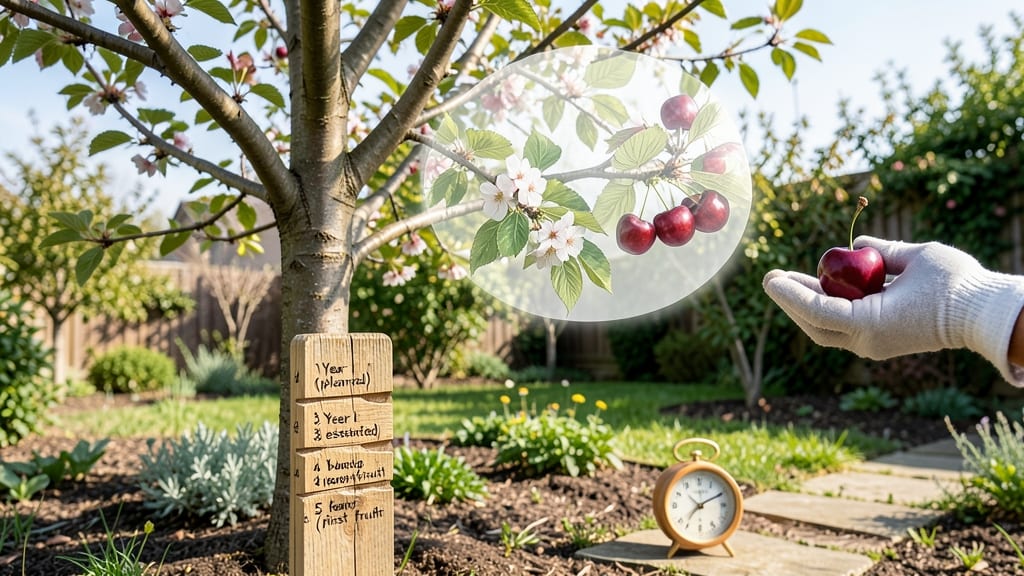
Cherry trees take 3 to 7 years to fruit, depending on the variety—dwarf types may bear fruit in as little as 3 years, while standard trees often require 5 to 7 years of growth before producing harvestable cherries. Proper care and patience are key for optimal yields.
Growing cherry trees is a rewarding but patient process, as their fruiting timeline varies widely based on the specific cultivar. 🌳 Dwarf varieties like 'Stella' or 'Black Tartarian' often start producing cherries within 3 years, making them ideal for home gardeners with limited space.
In contrast, full-sized trees may take up to a decade to reach peak production, though they typically begin bearing fruit around year 5.
The climate where you plant also plays a significant role—cooler regions might delay fruiting slightly, while warmer areas can accelerate the process if the tree receives consistent care.
What many growers don't realize is that proper pruning and cross-pollination can make a noticeable difference in how quickly a tree fruits.
For instance, removing dead branches early on improves air circulation, while planting two compatible varieties nearby ensures better fruit set. 🌿 Even with these optimizations, the first harvest is often modest, so don't be discouraged if your tree doesn't produce a full crop right away—patience and consistent maintenance lead to more abundant yields in later years.
💡 In This Article
- Cherry Tree Varieties: Fruit Timeline by Type
- Speeding Up Cherry Tree Fruit Production: Essential Growth Tips
Cherry tree varieties: fruit timeline by type
The fruiting timeline for cherry trees isn't just about years—it's about genetics, size, and environmental conditions working together.
Dwarf varieties like 'Stella' or 'Black Tartarian' can produce their first harvest in just 3 years because their compact growth (typically 8-12 feet tall) allows them to allocate more energy to fruit production sooner.
These trees reach maturity faster due to their smaller root systems, which require less time to establish and support flowering.
Semi-dwarf varieties fall in the middle, often bearing fruit within 4-5 years and reaching heights of 12-16 feet. Examples like 'Rainier' (a dark red/black cherry) need slightly more time because their larger size demands extra energy for structural growth before flowering.
Standard cherry trees, which can grow 20-30 feet tall, typically take 5-7 years to fruit—this delay occurs because their extensive root systems and trunk development take priority during early growth stages.
Climate plays a surprising role in these timelines. In warmer regions with 1,000+ chill hours (below 45°F) annually, cherry trees often fruit 1-2 years earlier than in cooler climates.
For instance, a 'Black Tartarian' in California might produce cherries in 3 years, while the same variety in Michigan could take 5 years due to shorter growing seasons. The tree's ability to accumulate enough energy for flowering depends on consistent warm days and cold winters to break dormancy.
What's fascinating is how tree size directly correlates with fruiting speed. A dwarf tree's smaller canopy means it can photosynthesize efficiently even with limited space, allowing it to flower earlier. In contrast, standard trees must invest years in building a robust framework before diverting energy to fruit production.
This is why gardeners often choose dwarf varieties—not just for space, but for quicker rewards.
Another key factor is the tree's pollination requirements. Sweet cherries ('Stella', 'Rainier') need a second compatible tree for cross-pollination, which can delay fruiting by 6-12 months if only one tree is planted.
Sour cherries ('Montmorency') are self-fertile, so they fruit consistently once mature. This biological need adds another layer to the timeline, as trees must first establish strong enough connections with pollinators or compatible cultivars.
For visual reference, imagine a 'Stella' cherry tree in its 3rd year: it might produce 20-50 cherries—a modest harvest, but a clear sign of maturity. By year 5, that same tree could yield 500+ cherries if properly cared for.
The progression isn't linear; early years focus on root and branch development, while later years prioritize fruit production.
Understanding these variations helps set realistic expectations. While 3 years is possible for dwarf varieties, most gardeners should prepare for 5-7 years with standard trees—especially in cooler climates. The key takeaway? Patience pays off, but choosing the right variety for your space and climate can significantly accelerate the process. 🌿