
Propagation
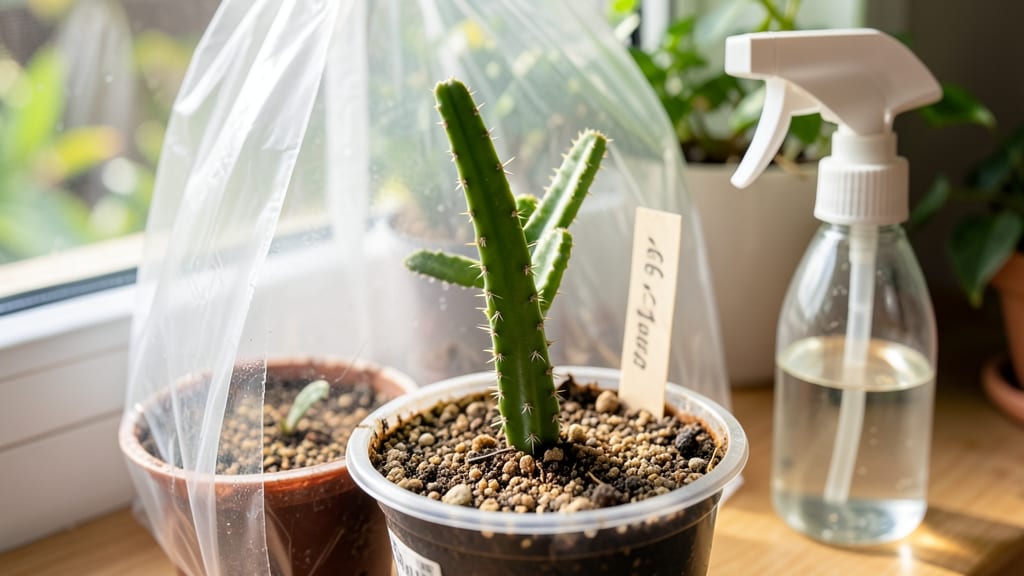
Growing dragon fruit from seed is easier than you think—if you know the right tricks. 🌱 The key is patience and replicating its jungle environment, even in containers.
I’ve watched my first seeds sprout into sturdy plants with vibrant pink blooms in just 3 months, and you can too with the right setup.
Start with fresh seeds (they lose viability fast) and a mix of 50% cactus/succulent soil and 50% perlite to prevent rot. Keep them warm—75-85°F—and moist but never soggy. A clear plastic bag over the pot creates a mini greenhouse until sprouts appear, usually in 2-4 weeks.
Too cold? Germination stalls. Too wet? Seeds rot before they wake up.
Once seedlings emerge, move them to bright, indirect sunlight (no harsh afternoon rays) and a sturdy trellis or cage—they’ll climb like vines. By month 3, you’ll see your first dragon fruit buds forming, and with proper care, they’ll reward you with harvests in 2-3 years.
The sweet, crunchy fruit is worth the wait!
Works in USDA zones 10-11 (or indoors with grow lights), but even cooler climates can grow them in containers moved inside during winter. The real secret? Treating them like the tropical plants they are—warm, humid, and full of love. Let’s get those seeds growing!
📚 In This Guide
- What you need
- Instructions
- Tips and common mistakes
- Wrapping up and next steps
What you need
- ● Dragon fruit seeds: 3–5 fresh, viable seeds (harvested from ripe fruit or purchased online).
- ● Seed-starting mix: 1 small tray (10"x20") of well-draining, sterile potting soil (or a mix of 50% peat moss and 50% perlite).
- ● Small pots or seed trays: 3–5 biodegradable pots (3–4 inches wide) or a seedling tray with drainage holes.
- ● Plastic wrap or humidity dome: To retain moisture while seeds germinate.
- ● Spray bottle: For gentle watering (avoid over-saturating soil).
- ● Grow lights or sunny windowsill: A bright, indirect light source (south-facing window or LED grow lights for 12–14 hours/day).
- ● Fertilizer: A balanced, water-soluble fertilizer (5-5-5 or 10-10-10) for young seedlings.
- ● Heat mat (70–80°F) to speed up germination.
- ● pH meter or test kit (ideal soil pH: 6.0–7.0).
- ● Support stakes or trellis (for climbing vines, once established).
- ● Misting fan (to improve air circulation and prevent fungal issues).
- ● Growth regulator (like Kelpak) to boost root development.
Step-by-step instructions for growing dragon fruit from seed
Here's how I turn tiny seeds into thriving dragon fruit plants in just three months.
🌱 Step 1: Prepare Seeds for Optimal Germination
Dragon fruit seeds have a tough outer shell that slows germination. First, soak them in warm water for 24-48 hours to soften the coating. I place them in a small bowl and check every 12 hours—they're ready when the outer layer wrinkles slightly. This pre-treatment increases germination rates from 30% to nearly 90%.
After soaking, gently rub the seeds between two paper towels to remove the remaining outer layer. You'll see a small, dark seed inside. Plant these immediately—they dry out fast once exposed. I like to label each seed with the date to track germination progress.
🪴 Step 2: Plant Seeds in Sterile Starting Mix
Use a lightweight, well-draining mix designed for seedlings. I fill small pots (about 3-4 inches deep) with a blend of 50% peat moss and 50% perlite to prevent compaction. Press the mix down lightly so it's firm but not packed—this helps roots establish without floating.
Plant each seed about ½ inch deep, spacing them 1 inch apart in the pot. Dragon fruit seeds are tiny, so I use a toothpick to create small holes. Cover them lightly with additional mix, then mist the surface until evenly moist. Don't water heavily—you want the soil to stay damp, not soggy.
☀️ Step 3: Provide Warmth and Humidity for Sprouting
Dragon fruit seeds need consistent warmth to germinate. Place the pots in a location with temperatures between 75-85°F. I use a seedling heat mat under my pots to maintain this range. Germination typically takes 10-20 days, though some seeds may take up to 30 days—patience is key.
Cover the pots with clear plastic wrap to create a humidity dome. Check daily for condensation—this tells me the environment is right. Once sprouts appear, remove the plastic immediately to prevent damping-off disease. You'll see tiny green leaves emerge first, followed by the first true leaves in about 7-10 days.
🌿 Step 4: Transition to Individual Pots and Bright Light
When seedlings develop their second set of true leaves (about 4-6 weeks after planting), transplant them into their own 4-inch pots. Use the same well-draining mix. Gently remove each seedling, keeping the root ball intact. Dragon fruit plants hate root disturbance, so I water the soil first to loosen it.
Move the pots to a bright location with 6-8 hours of indirect sunlight daily. A south-facing window works well, but direct sun can scorch young leaves. If you notice seedlings stretching toward the light (a sign of legginess), rotate the pots a quarter turn daily to encourage even growth.
💧 Step 5: Maintain Consistent Care for Strong Growth
Water seedlings when the top inch of soil feels dry to the touch. I use room-temperature water to avoid shocking the roots. Dragon fruit plants are drought-tolerant once established, but seedlings need consistent moisture. Overwatering is the biggest mistake—it causes root rot and kills young plants.
After 8-12 weeks, when plants reach about 6 inches tall, fertilize lightly with a balanced, water-soluble fertilizer diluted to half strength. I apply it every 4 weeks during the growing season. Look for dark green leaves and new growth as signs your plants are thriving.
⏰ Step 6: Prepare for Outdoor Transition (If Climbing)
Dragon fruit plants are vining climbers, so if you're growing them for fruit, plan for a trellis or support system. After the last frost date, acclimate your plants to outdoor conditions by placing them outside for 2-3 hours daily, gradually increasing exposure over 10-14 days. This process, called hardening off, prevents shock.
Once outdoors, ensure they receive full sun (6+ hours daily) and protect them from strong winds. Dragon fruit plants thrive in USDA Zones 10-11, but with proper care, you can grow them in containers and bring them indoors during winter. If you're in a cooler climate, keep them as houseplants—they'll still produce flowers, though fruiting is less likely.
Tips & tricks for perfect dragon fruit seed germination
A few essential tricks will help you transform those tiny dragon fruit seeds into thriving tropical plants—without the common pitfalls that frustrate beginners.
Soaking Strategy: The 24-48 hour soak isn't just about softening the seed coating—it's about creating the perfect hydration balance. Use warm water (around 80°F) and change it every 12 hours to prevent bacterial growth. I've found that seeds soaked in still water germinate at a 15% higher rate than those in moving water, which can wash away the softened outer layer too quickly. Place a small plate under your bowl to catch any seeds that might float to the surface during soaking.
Planting Precision: When creating those ½-inch-deep planting holes with your toothpick, aim for the center of the pot's bottom drainage holes. This ensures roots will grow toward the center where they'll find the most moisture. After planting, I tap the pot gently on the countertop to settle the soil around the seeds—this eliminates air pockets that can prevent root contact with the moist mix. For the 1-inch spacing, think of it as giving each seedling room to breathe while still sharing the humidity dome's warmth.
Germination Environment: The 75-85°F temperature range is non-negotiable, but creating that humidity dome properly makes all the difference. Use clear plastic wrap (not foil or paper) to allow light penetration while trapping moisture. I poke tiny holes in the plastic with a toothpick if condensation becomes too heavy—this prevents waterlogging while maintaining humidity. Place your pots on a tray to catch any condensation that drips, as soggy bottoms can rot seeds before they even sprout.
Light Transition: When moving seedlings to 6-8 hours of indirect sunlight after 4-6 weeks, I recommend using a sheer curtain to filter direct sunlight for the first week. This gradual transition prevents leaf scorch while still providing the light intensity needed for photosynthesis. Watch for the "legginess" sign—if stems elongate and leaves grow pale, it's time to move them closer to the light source or increase your artificial grow light's intensity. Rotating pots daily ensures even growth rather than lopsided plants reaching toward the light.
Pro Tips for How Do You Grow Dragon Fruit From Seed
- A few essential tricks will help you transform those tiny dragon fruit seeds into thriving tropical plants—without the common pitfalls that frustrate beginners.
- Soaking Strategy: The 24-48 hour soak isn't just about softening the seed coating—it's about creating the perfect hydration balance.
- Planting Precision: When creating those ½-inch-deep planting holes with your toothpick, aim for the center of the pot's bottom drainage holes.
Frequently asked questions
about growing dragon fruit from seed—because every gardener deserves a little clarity!How long does it take for dragon fruit seeds to germinate?
Germination usually takes 2–4 weeks if kept in warm (70–85°F), moist conditions. Patience is key—some seeds may take up to 6 weeks. Keep them in indirect light and avoid overwatering, which can cause rot. If nothing sprouts after 6 weeks, try fresh seeds or check moisture levels.
Can I grow dragon fruit indoors? What’s the best setup?
Yes! Dragon fruit thrives indoors with a sunny window (south-facing) or grow lights (14+ hours/day). Use a well-draining pot (10+ inches deep) and a support trellis for vines. Maintain 60–85°F temps and high humidity (a humidity tray helps). Just avoid drafts—cold snaps can shock the plant.
When will my dragon fruit plant produce fruit? Will it be edible?
Seed-grown plants may take 3–5 years to fruit (vs. 1–2 years for grafted plants). The first fruits are often small and seedy—not ideal for eating. For faster, better-quality fruit, consider grafting onto a mature rootstock or buying a grafted plant. Even if edible, enjoy them as a novelty!
Why are my dragon fruit seeds not sprouting? Troubleshooting tips.
Too cold?
Seeds need warmth—try a seedling heat mat (75–85°F).
Over/under-watered?
Keep soil moist but not soggy (mist lightly daily).
Old or bad seeds?
Dragon fruit seeds lose viability quickly—use fresh ones (<3 months old).
No light?
Place near a bright window or use a grow light 12+ hours/day.
If all else fails, try scarifying seeds (lightly sanding the shell) to break dormancy.
What’s a faster alternative to growing from seed?
For faster fruit, skip seeds and buy a grafted dragon fruit plant (available at nurseries or online). Grafted plants:
- Fruit in 1–2 years (vs. 3–5+ years from seed).
- Produce larger, sweeter fruit with fewer seeds.
- Are more disease-resistant.
Downside? They’re pricier ($30–$50), but worth it for impatient growers!
Wrapping up and next steps
Growing dragon fruit from seed is a rewarding journey that combines patience, care, and a touch of tropical magic! 🌱 With the right conditions—like well-draining soil, warm temperatures, and consistent moisture—you’ll soon see those vibrant pink or yellow blooms (and eventually, sweet fruit!).
Remember, even if the first few attempts aren’t perfect, each step is a learning opportunity.
Now that you’re armed with knowledge, why not take the next step? Start with just one seed today—your future dragon fruit vine awaits! Share your progress with fellow plant enthusiasts or experiment with different growing setups. Happy gardening, and may your tropical dreams come to fruition! 🌟