
Planting
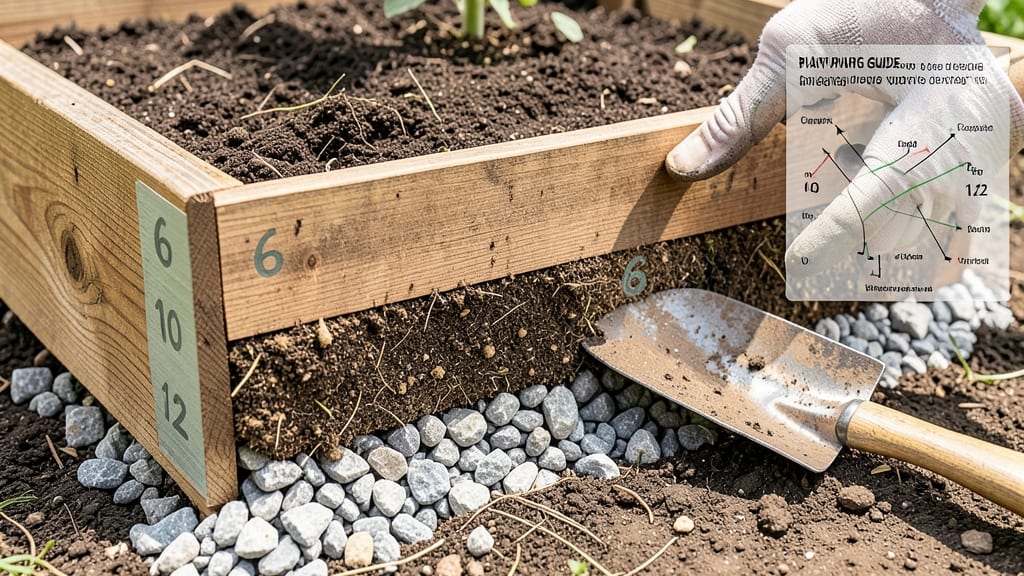
To determine how deep a raised garden bed needs to be, aim for 6 to 12 inches for most vegetables, herbs, and shallow-rooted plants, while deeper beds (12–18 inches) are ideal for root crops like carrots and potatoes. Soil quality and drainage also play crucial roles in plant health and yield.
A raised garden bed's depth isn't just about fitting roots—it's about creating the right environment for growth. 🌱 Shallow beds (6–12 inches) work perfectly for leafy greens, strawberries, and herbs, while deeper beds give root vegetables the space they need to develop fully.
I've found that adding compost-rich soil at the bottom improves drainage and nutrient availability, which is especially critical in containers where soil can dry out faster. The key is matching your bed's height to what you're growing, while also considering your local climate and soil composition.
For example, if you're growing potatoes or sweet potatoes, those 12–18 inch beds become essential—they need room to spread and develop tubers. Meanwhile, a 6-inch bed might be perfect for lettuce or radishes.
The right depth also helps prevent soil compaction, which can stunt root growth and reduce your harvest. Think of it as giving your plants the perfect vertical real estate to thrive!
💡 In This Article
- Root Depth Requirements for Different Plant Types
- Building the Ideal Raised Bed: Depth and Material Guide
Root depth requirements for different plant types
The depth of your raised garden bed directly impacts how well your plants access water, nutrients, and stability. Shallow-rooted plants like lettuce, spinach, and herbs thrive in beds just 6 inches deep because their roots spread horizontally rather than vertically.
These plants prioritize leafy growth over deep root systems, so a compact root zone works perfectly. 🌿 Meanwhile, root crops like carrots and beets need 12–18 inches of soil to develop fully—their roots grow downward to escape competition and access moisture deeper in the soil profile.
Herbs such as basil, parsley, and chives typically require only 6–10 inches of soil, but perennials like asparagus are exceptions—they need 12+ inches to establish their deep rhizomes. The science here involves soil compaction: in shallow beds, roots can't expand freely, leading to stunted growth.
For example, a 6-inch bed might work for radishes, but their roots will struggle to reach the moisture and nutrients they need if the soil dries out quickly. Deeper beds also reduce the risk of overheating in summer, as the soil stays cooler at lower depths.
What most gardeners overlook is how soil texture affects root growth. Sandy soils drain faster, requiring deeper beds to retain moisture for root crops. Clay-heavy soils, on the other hand, can suffocate roots if not amended with compost.
I’ve found that adding a 4-inch layer of compost at the bottom of deeper beds improves drainage while providing nutrients—critical for plants like potatoes, which need loose, aerated soil to form tubers. The right depth isn’t just about space; it’s about creating an environment where roots can grow unobstructed.
Consider this comparison: a 6-inch bed might yield 20% less for carrots than an 18-inch bed because the roots can’t fully develop. The extra depth allows them to store more energy in their roots, resulting in sweeter, straighter produce.
For leafy greens, however, the difference is minimal—focus shifts to soil fertility and moisture retention instead. The key is matching the bed depth to the plant’s natural growth habits and your local climate’s water availability.
For container gardening or urban raised beds, 12 inches is often the sweet spot—deep enough for most vegetables but manageable for lifting and maintenance. If you’re growing tomatoes, their roots can spread 3–4 feet wide, but they only need 12–18 inches of depth.
The real magic happens when you layer the soil: start with 4 inches of coarse material (gravel or bark) for drainage, followed by 8 inches of compost-rich topsoil. This setup mimics natural soil profiles and gives roots room to explore.
One nuance to remember: perennial plants like rhubarb or artichokes need deeper beds (12–18 inches) because their roots persist year after year. Annuals like zucchini or cucumbers, however, can adapt to shallower beds if you prioritize frequent watering and nutrient-rich soil.
The depth you choose isn’t just about the plant’s roots—it’s about the lifecycle of growth and how you plan to maintain the bed over time. 🌱