
Tools
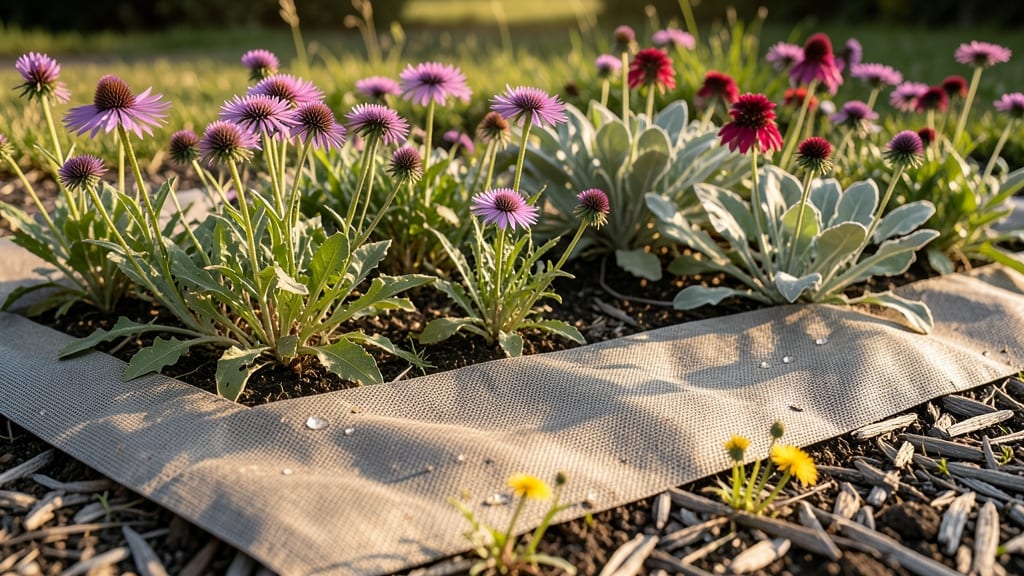
Protecting your garden beds from pests, weather, and weeds is essential for thriving plants. These ten season-long cover ideas shield delicate crops while improving soil health and reducing maintenance—perfect for both beginners and seasoned gardeners.
Floating Row Covers for Early Planting
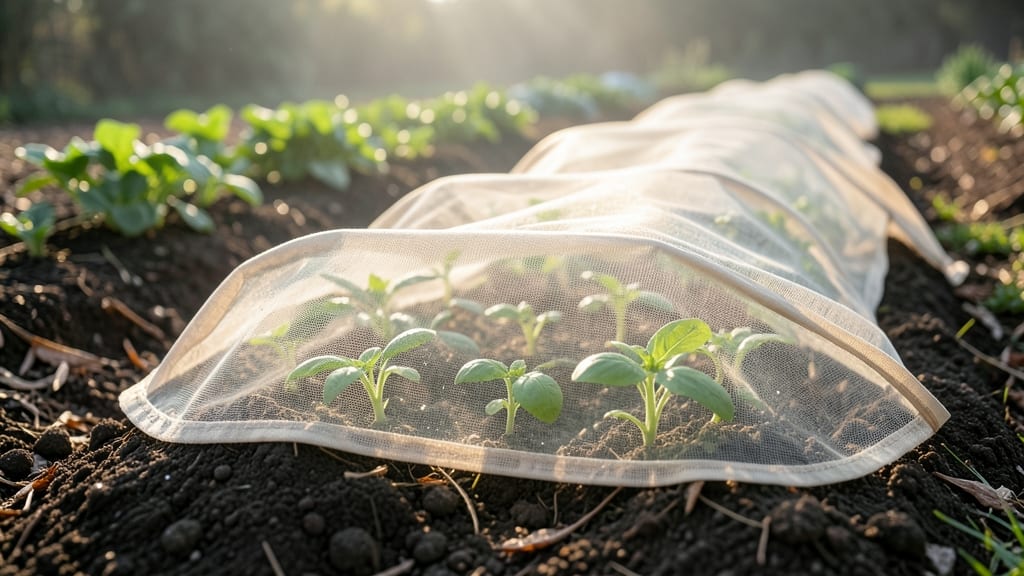
When spring feels like it’s taking forever to arrive, floating row covers are your secret weapon for jumpstarting the growing season. These lightweight, breathable fabrics let sunlight filter through while creating a protective barrier against late frost and hungry insects—perfect for gardeners in cooler climates who want to plant earlier.
Made from spun-bonded polyester or similar materials, these covers allow 60-80% of sunlight to reach plants, ensuring they photosynthesize while staying safe from temperatures below 28°F. Simply drape them over seedlings or young plants, securing the edges with rocks or stakes. They’re especially useful for cabbage, lettuce, and broccoli, which thrive with this extra protection.
This low-cost solution is ideal for urban gardeners with small spaces or anyone looking to extend their harvest. Just remember to remove covers when plants start flowering to allow pollinators access. 🌱
Straw Mulch for Weed Suppression
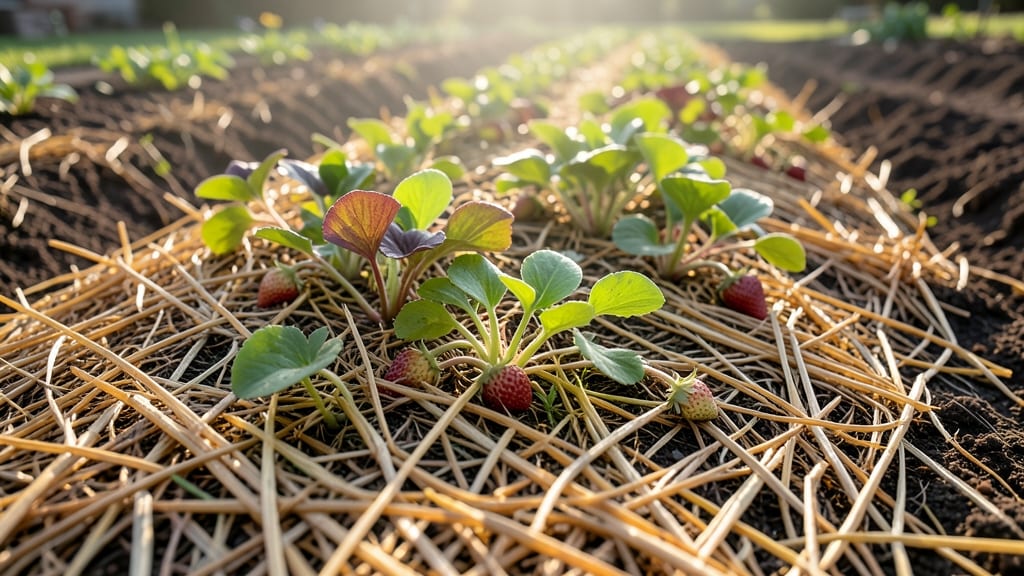
Tired of battling weeds while trying to grow tender greens? Straw mulch is your secret weapon—a natural, budget-friendly solution that smothers weeds while keeping soil moist and cool for delicate plants like lettuce or strawberries.
Spread a 2-3 inch layer of straw over your garden bed after planting to block sunlight from weed seeds. Unlike synthetic options, straw breaks down over time, adding organic matter to the soil while improving its structure. It’s especially effective for ground covers and shallow-rooted plants that thrive in consistently moist conditions.
This eco-friendly choice is perfect for beginners or anyone looking to reduce maintenance—just refresh the layer as it decomposes. 🌱
Burlap Sheets for Pest Barriers
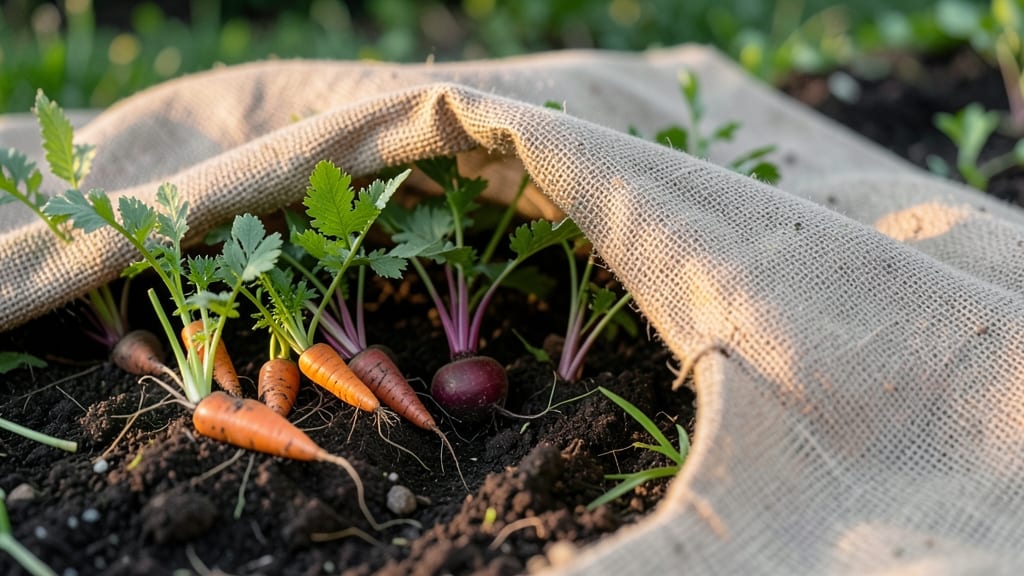
When slugs and cutworms turn your carrots or beets into a buffet, burlap sheets become your secret weapon. Unlike plastic or fabric barriers, burlap’s rough texture deters pests while still allowing airflow and moisture to reach your soil—keeping roots healthy and happy.
Simply drape heavy-duty burlap (at least 12 oz) over newly planted root crops, securing edges with rocks or soil. The natural fibers confuse insects and rabbits while breaking down over time, adding organic matter to your bed. For extra protection, pair it with diatomaceous earth around the perimeter to stop crawling pests in their tracks.
This is the go-to solution for gardeners who hate chemical sprays but still need to protect tender seedlings. Try it this season and watch your harvest thrive! 💪
Black Plastic Mulch for Weed Control
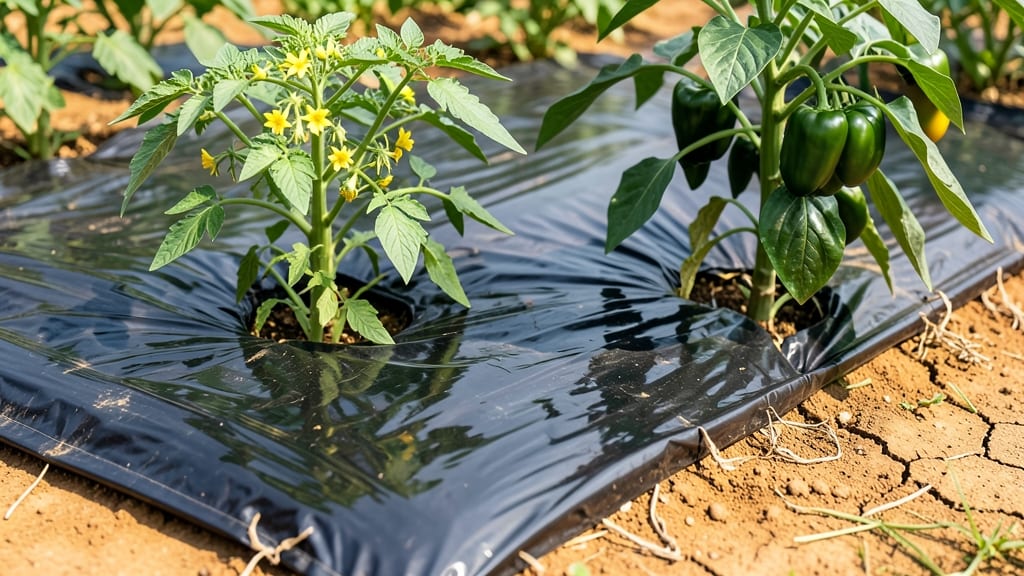
If you’re battling weeds while trying to grow heat-loving plants like tomatoes or peppers, black plastic mulch is your secret weapon. Unlike organic mulches, it doesn’t just suppress weeds—it kills them instantly by blocking sunlight while supercharging soil warmth for faster germination and growth.
Lay the mulch directly over the bed (with holes cut for plants) in early spring, and you’ll see weeds die within days. The dark surface also absorbs heat, creating a microclimate that helps tomatoes and peppers thrive in cooler summers. Just remember to secure edges with soil or bricks to prevent wind damage.
This low-cost solution is perfect for urban gardeners with limited space or anyone tired of pulling weeds by hand. For maximum results, pair it with drip irrigation to keep plants hydrated without disturbing the mulch. 💪
Shade Cloth for Heat Protection
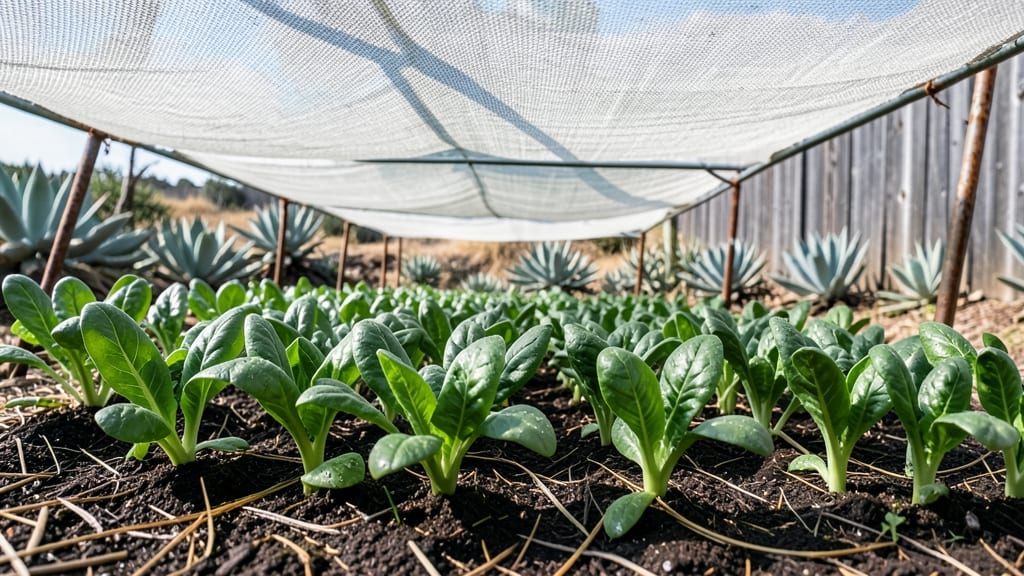
If your garden is battling intense afternoon sun or you're growing heat-sensitive greens like bok choy or spinach, shade cloth is your secret weapon. Unlike black plastic or heavy mulch, shade cloth offers adjustable protection—perfect for tropical climates or high-altitude gardens where UV rays can scorch tender leaves.
Opt for 30-50% shade cloth to filter just the right amount of sunlight while allowing airflow. Secure it with hoops or stakes to keep it 6-12 inches above plants, and adjust the percentage based on your plants' needs—30% for delicate seedlings and 50% for leafy greens in peak summer. This fabric also reduces water evaporation, cutting down on irrigation needs by up to 30%.
Gardeners in hot climates or those growing heat-sensitive crops will see the biggest benefits, but even urban gardeners with limited shade can use it to extend growing seasons. 🌟
Pine Needles for Acid-Loving Plants
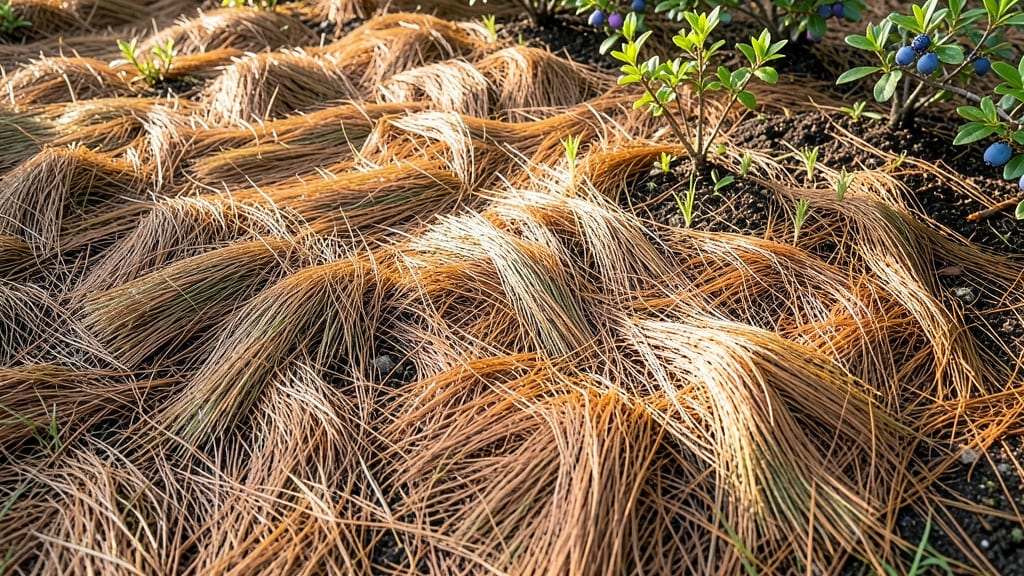
If your garden struggles with high-pH soil or unwanted critters, pine needles might be your secret weapon. This free, natural mulch doesn’t just suppress weeds—it slowly acidifies soil over time, creating ideal conditions for blueberries, azaleas, and potatoes while keeping rodents at bay.
Simply spread a 2-3 inch layer of fresh pine needles around acid-loving plants in early spring. The needles break down slowly, releasing organic matter that improves soil structure while their sharp texture deters voles and squirrels. For best results, refresh the layer annually—no composting required! This low-maintenance solution works especially well in woodland gardens or raised beds.
Gardeners with acidic soil or pest problems will appreciate this dual-purpose cover that requires zero upkeep beyond collection. 🌿
Hairy Vetch as Living Mulch
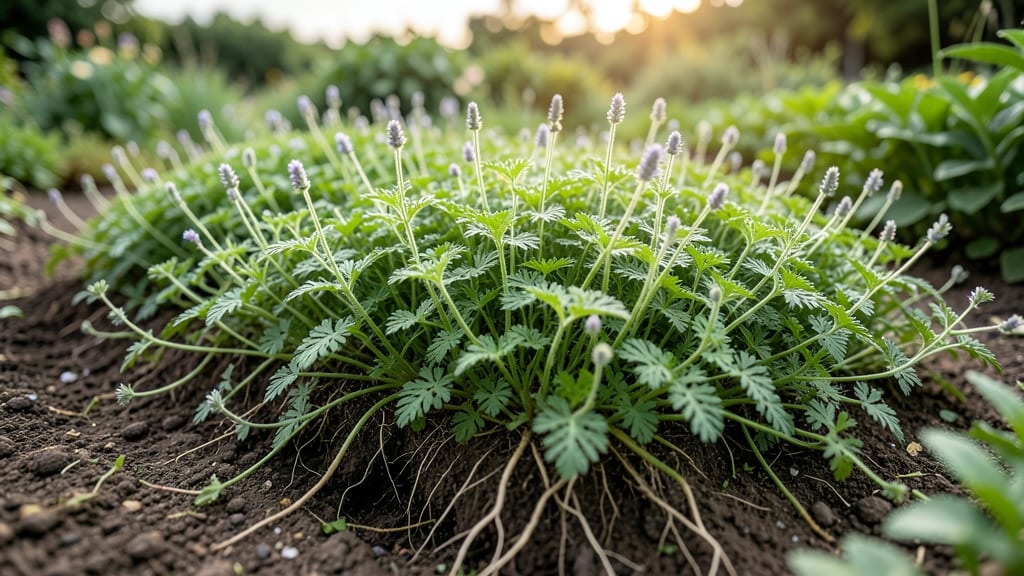
Ready to transform your garden soil while smothering weeds without synthetic chemicals? Hairy vetch is the ultimate living mulch—a fast-growing cover crop that outcompetes weeds while enriching your soil with nitrogen through its roots. Plant it in late summer or early fall, and by winter, you'll have a lush green blanket that protects your soil from erosion and compaction.
This hardy legume thrives in cool seasons and can handle light frost, making it perfect for preparing beds before winter vegetables like kale or spinach. Simply mow or chop the vetch in early spring before it flowers, leaving the chopped material as mulch. The decomposed plant matter will add valuable organic matter while the nitrogen-fixing roots leave your soil ready for planting. It’s especially beneficial for gardeners who want to avoid synthetic fertilizers or who struggle with poor soil quality.
Perfect for organic gardeners or anyone looking to reduce maintenance, hairy vetch is a one-season investment that pays dividends in healthier soil and fewer weeds. 🌱
Clear Plastic Tunnels for Greenhouse Effect
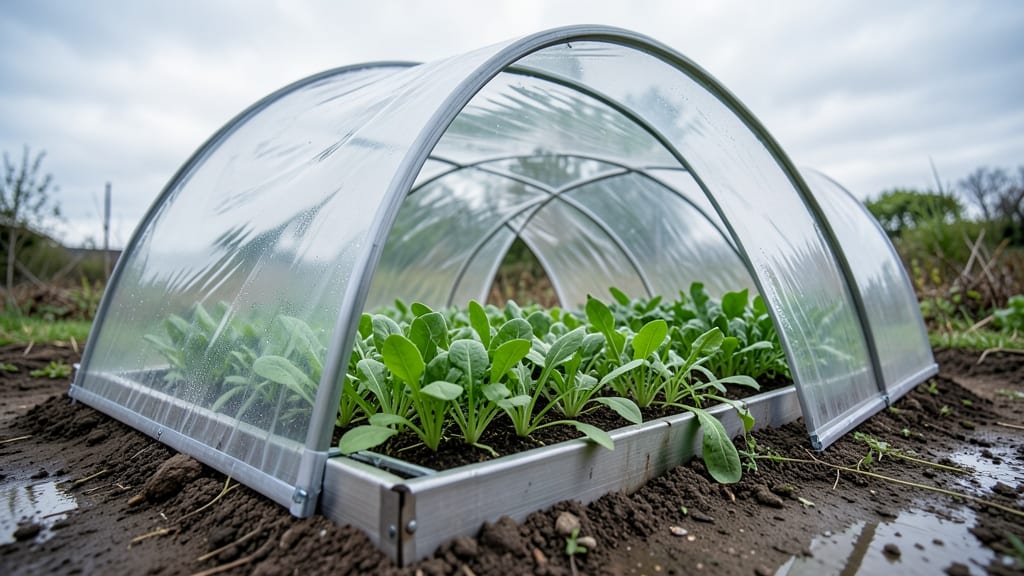
Want to cheat the seasons and grow fresh greens when the weather won’t cooperate? Clear plastic tunnels create mini-greenhouses that trap heat and extend your growing season—perfect for small-space gardeners with big ambitions. These DIY structures raise soil temperatures by 10-15°F, letting you start seeds 3-4 weeks earlier in spring or harvest 2-3 weeks later in fall without expensive equipment.
Build yours with PVC pipes or sturdy wire hoops covered in clear plastic sheeting (available at hardware stores for under $20). Secure the edges with bricks or soil, and you’ll create a humidity-rich microclimate that protects seedlings from frost while keeping pests at bay. Ideal for leafy greens, herbs, and cold-hardy vegetables, these tunnels also reduce watering needs by trapping moisture. For best results, ventilate during hot days by rolling up the sides.
This budget-friendly solution is a game-changer for urban gardeners, balcony growers, or anyone with limited outdoor space. With just a few hours of setup, you’ll transform a tiny plot into a year-round harvest zone—no greenhouse required! 🌱
Cardboard Sheets for Weed Blocking
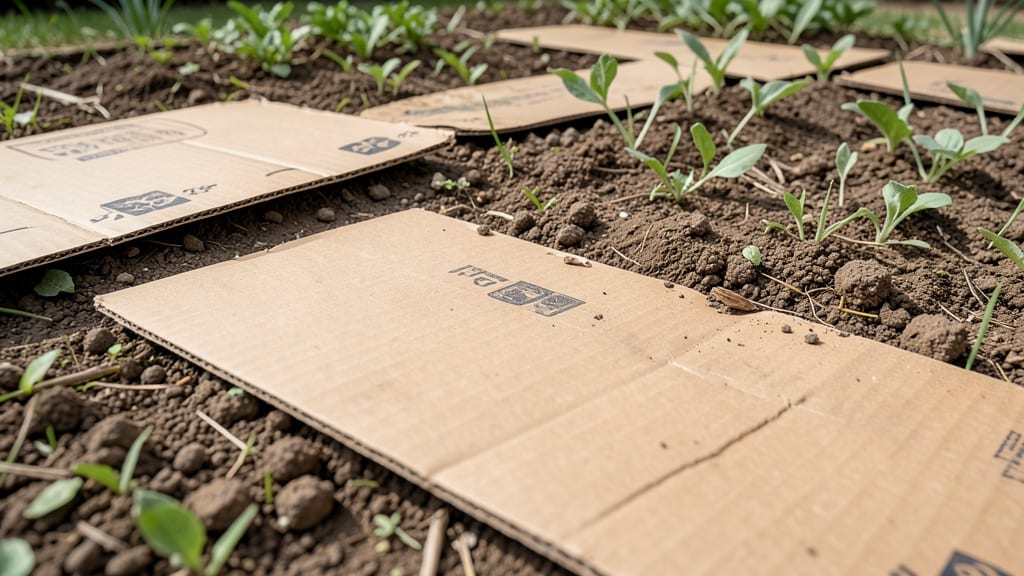
Looking for a zero-cost, eco-friendly way to prep your garden beds this spring? Cardboard sheets are your secret weapon—free, biodegradable, and ready to smother weeds while improving your soil as they break down. Simply raid your recycling bin for sturdy cardboard (avoid glossy or wax-coated types) and lay it directly over your bare soil before planting.
The trick is to remove any tape or staples first, then wet the cardboard to help it decompose faster. As it breaks down over 4-6 weeks, it adds carbon-rich material to your soil, improving structure and fertility—naturally. This method works especially well for urban gardeners or anyone prepping new beds, as it eliminates weeds without chemicals while giving your plants a nutrient boost.
Best of all, this solution requires no tools or special skills—just a little planning before your planting season begins. Perfect for budget-conscious gardeners who want to start strong! 🌿
Geotextile Fabric for Long-Term Protection

Struggling to keep your perennial beds weed-free without disturbing delicate roots? Geotextile fabric is the game-changer you’ve been missing. Unlike plastic or cardboard, this durable yet breathable material lets water and roots pass through while blocking up to 95% of weeds—perfect for long-term landscape projects where you want clean lines without the hassle.
Made from woven polypropylene, geotextile fabric lasts 5-10 years when properly installed, making it ideal for high-traffic areas or newly planted perennials like lavender, hostas, or daylilies. Simply lay it over bare soil before planting, securing edges with landscape staples. The fabric’s permeability prevents soil compaction while reducing irrigation needs by up to 30%—a win for both your plants and your water bill.
This is the ultimate solution for landscape professionals or DIY gardeners tired of annual weeding battles. It’s especially valuable for urban gardens with limited space where every inch counts. 💚