
Landscaping
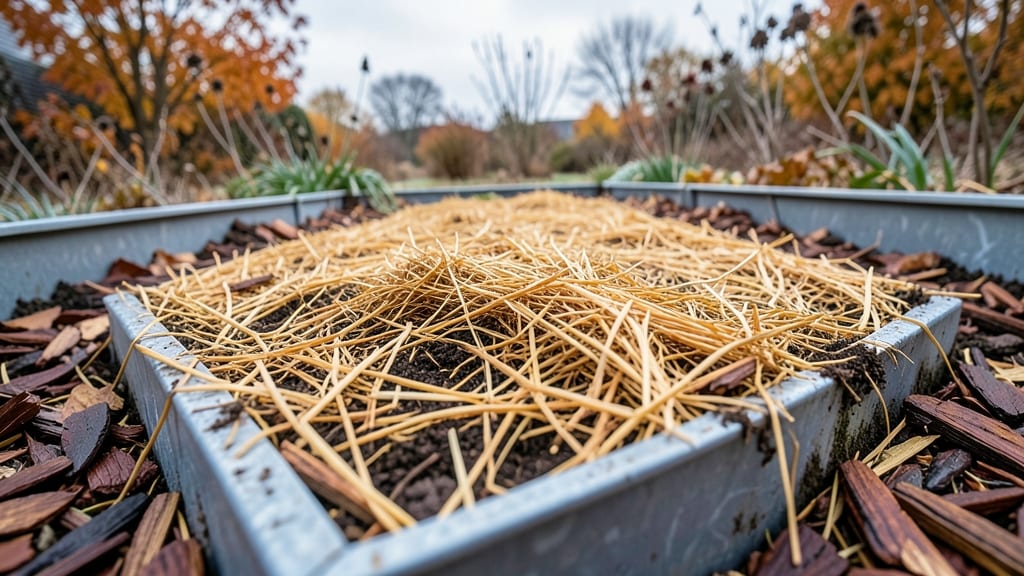
Protecting your raised beds from harsh weather isn’t just smart—it’s essential for maximizing yields and plant health. These ten weatherproof cover ideas help regulate temperature, deter pests, and extend your growing season naturally, whether you're dealing with frost, heatwaves, or heavy rain.
Floating Row Cover Fabric for Frost Protection
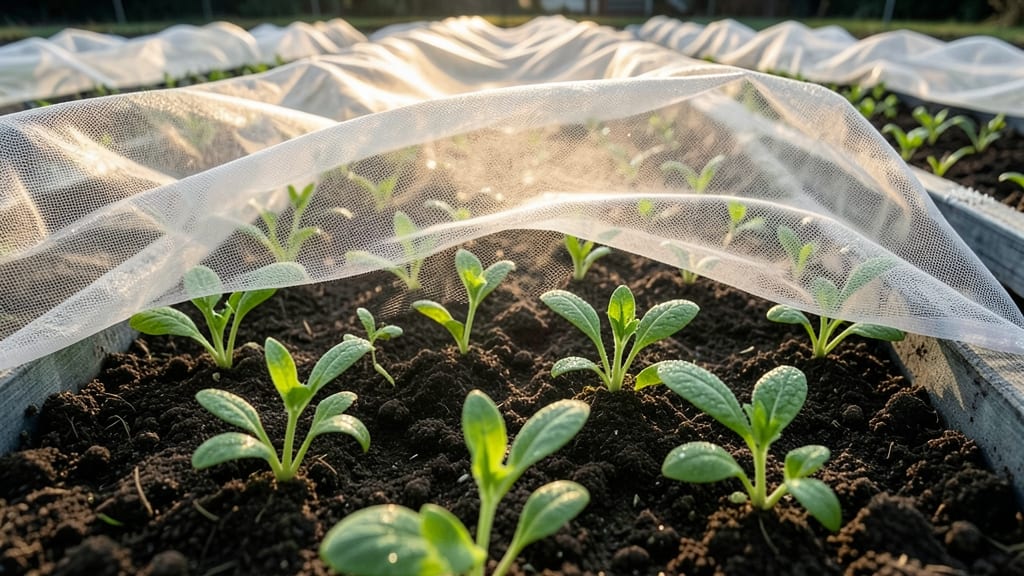
Struggling to protect seedlings from late frosts without smothering their growth? Floating row cover fabric is the perfect middle ground—it blocks 30-50% of sunlight to slow frost damage while letting air and water pass through, so your plants keep growing.
Made from lightweight, breathable polypropylene, this fabric creates a microclimate that raises soil temperatures by 2-4°F, giving tender crops like lettuce and spinach a fighting chance in early spring or fall. Simply drape it over your raised bed, secure the edges with bricks or stakes, and remove it once frost risk passes. It’s reusable for years and won’t block photosynthesis like heavier covers.
This is the go-to solution for urban gardeners or beginners who want easy frost protection without the hassle of permanent structures. 🌱
Clear Polycarbonate Hoop Tunnel for Season Extension
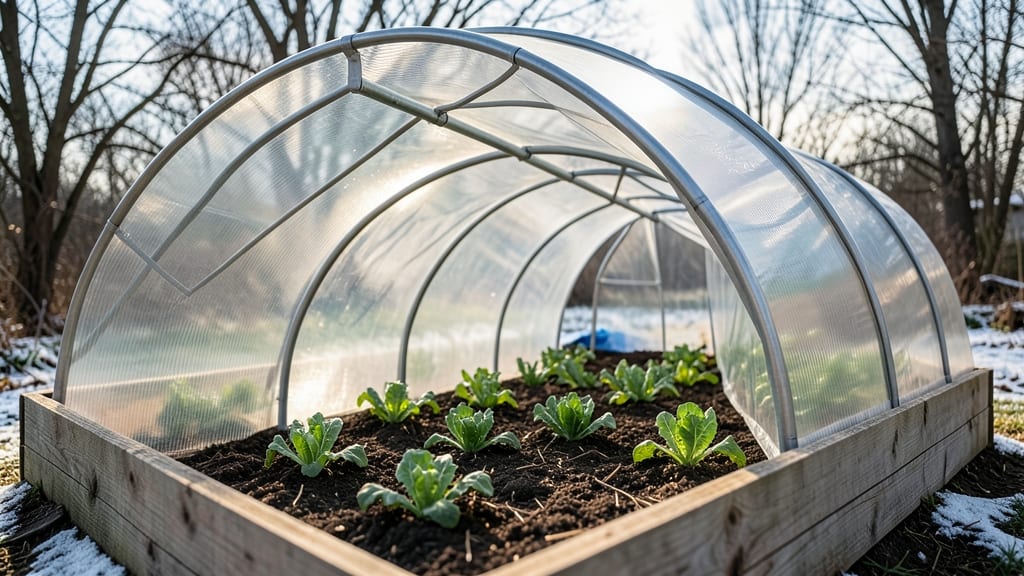
A clear polycarbonate hoop tunnel turns your raised bed into a year-round greenhouse without the hassle of a full structure. Unlike temporary covers, this semi-permanent solution traps heat while letting sunlight through—ideal for growing cold-hardy greens in winter or tomatoes weeks before your last frost date.
Made from durable, UV-resistant panels, these tunnels create a 10-15°F warmer microclimate inside, protecting plants from wind and frost. You can plant spinach, kale, or peas in late fall for winter harvests or start peppers and basil earlier in spring. Assembly takes just a few hours using galvanized hoops and zip ties, and the structure lasts for years.
Perfect for gardeners in USDA Zones 4-7, this cover is especially valuable for those with short growing seasons or unpredictable weather. It’s the ultimate tool for extending your harvest calendar with minimal effort. 🌱
Heavy-Duty Burlap Tarps for Rain Protection
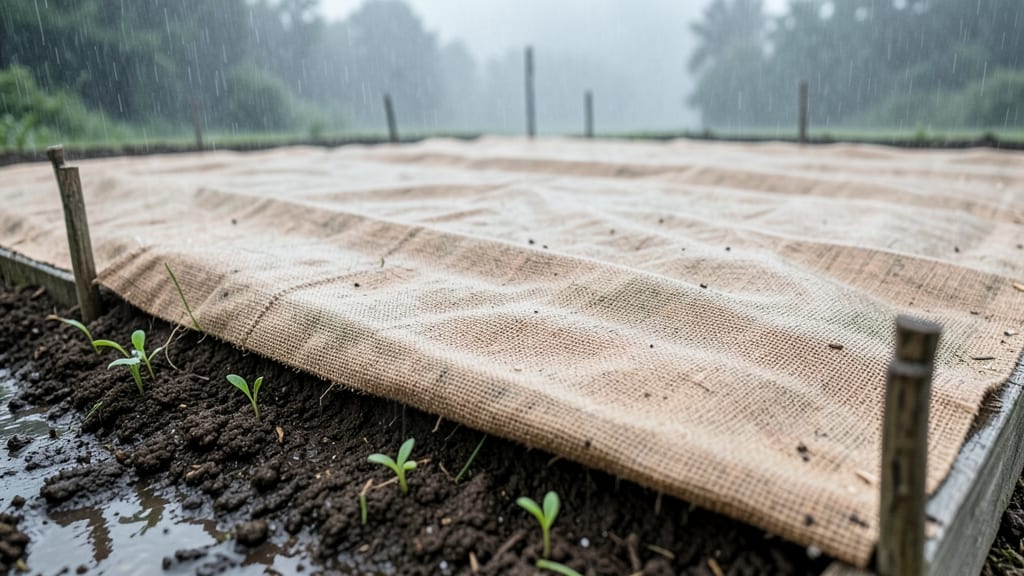
When heavy downpours threaten to wash away your freshly tilled soil or drown delicate seedlings, heavy-duty burlap tarps are your budget-friendly first line of defense. Unlike plastic sheets that trap moisture and suffocate roots, burlap’s natural fibers allow airflow and moisture to escape while blocking the worst of the rain’s impact—ideal for germination periods or empty beds.
This breathable, biodegradable material is tough enough to handle wind-driven rain yet lightweight enough to drape easily over raised beds. Secure it with bricks, stakes, or clips to prevent shifting, and remove it promptly after storms to avoid fungal risks. It’s especially useful for spring planting when soil is loose and erosion-prone.
Perfect for gardeners on a budget or those with temporary protection needs, burlap tarps keep your soil intact without the long-term commitment of permanent covers. 🌱
Shade Cloth with Adjustable Density for Heat Control
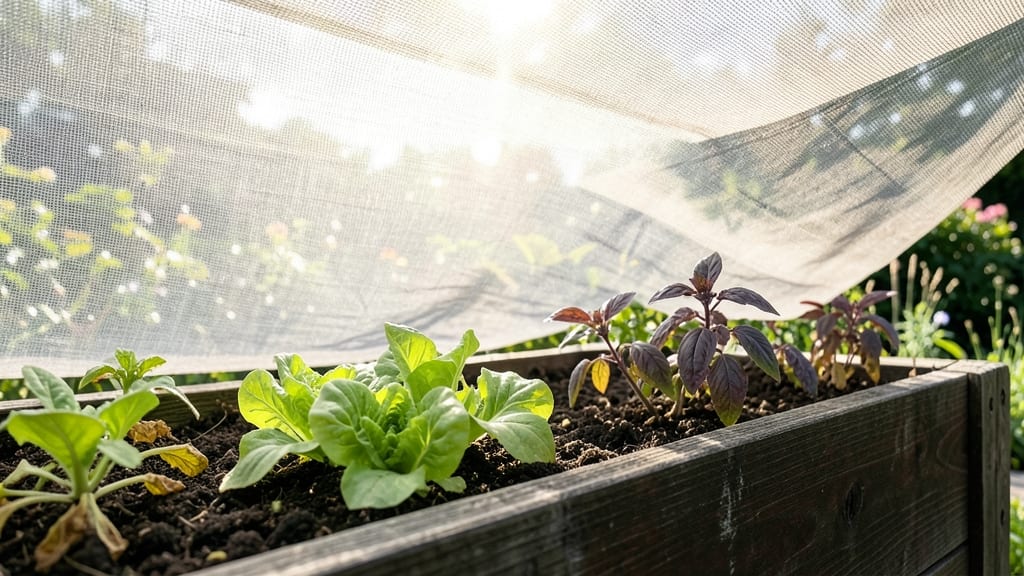
Struggling to keep your lettuce and basil from wilting under scorching summer sun? Adjustable shade cloth lets you dial in the perfect protection—no more guessing between too much or too little coverage. With customizable densities from 30% to 90%, you can shield plants from heat stress while still letting in enough light for photosynthesis.
This lightweight fabric blocks harmful UV rays and reduces soil temperature by up to 15°F, making it ideal for high-heat regions or afternoon sun exposure. Secure it with stakes or a simple hoop system, and adjust the density as your plants mature—30-50% for seedlings, 60-70% for heat-sensitive greens, and 80-90% for intense midday sun. It’s also reusable across seasons, saving money over single-use solutions.
Perfect for urban gardeners with limited space or anyone growing heat-sensitive crops, shade cloth is the ultimate tool for year-round heat management. 🌻
Metal Roofing Panels for Hail and Wind Defense
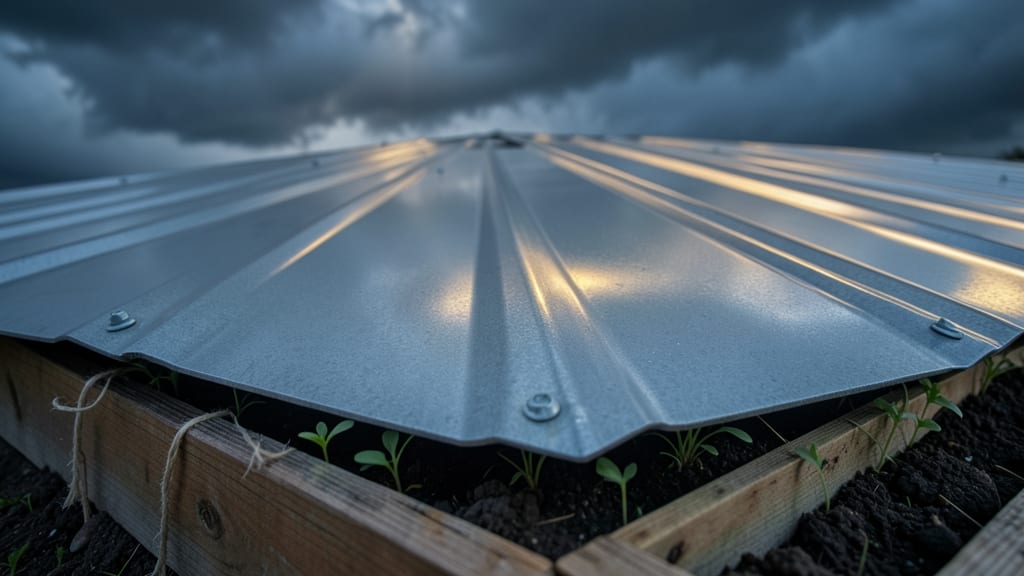
When hurricane season or late-spring hailstorms threaten your garden, metal roofing panels become your unbreakable shield. Unlike flimsy fabrics or plastic sheets, these panels deflect wind speeds up to 110 mph and stop hailstones from crushing seedlings or compacting soil—keeping your beds intact for weeks at a time.
Made from galvanized steel or aluminum, these panels resist rust and won’t degrade under UV exposure. Prop them at a 30-degree angle to shed rainwater efficiently while still shielding plants from debris. They’re especially valuable for container gardens or high-value crops like tomatoes or peppers, where storm damage could wipe out months of growth. Just secure them with U-clips or bungee cords to prevent lifting.
Perfect for gardeners in tornado alley, coastal regions, or areas prone to monsoon downpours, metal panels offer peace of mind without sacrificing airflow. 💪
PVC Pipe and Plastic Sheet Cold Frame
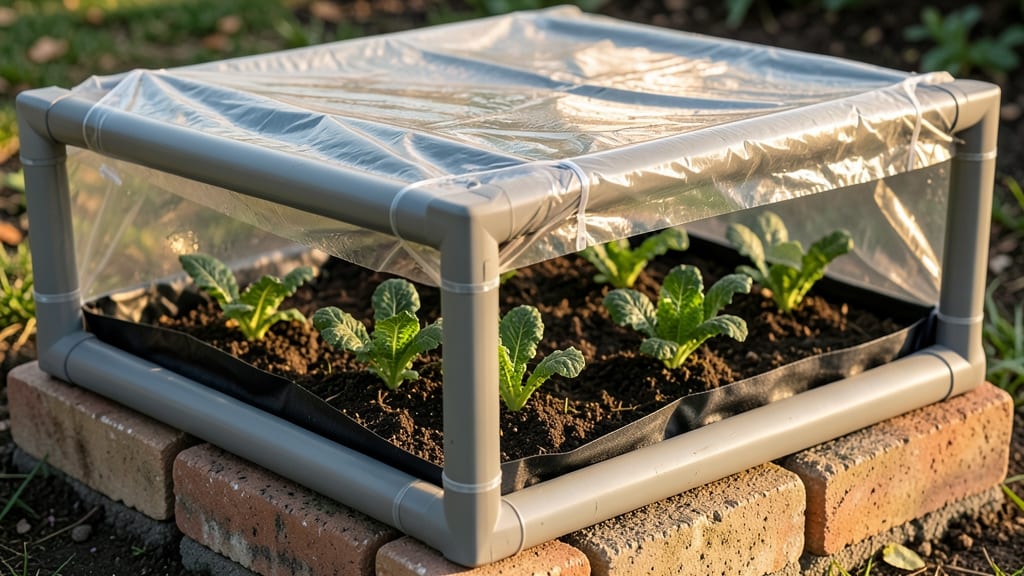
Need a low-cost, DIY microclimate that boosts temperatures by 10-15°F without breaking the bank? A PVC pipe cold frame with plastic sheeting is your answer. This simple structure creates a greenhouse effect, perfect for hardening off seedlings or growing cold-hardy greens like kale and spinach in mild winters.
Start by bending 4-foot PVC pipes into a half-circle frame around your raised bed, then cover it with clear plastic sheeting (or corrugated plastic for durability). Secure the edges with bricks or landscape staples to prevent wind damage. The trapped heat can extend your growing season by 4-6 weeks—ideal for early spring starts or fall harvests.
This solution is especially great for urban gardeners or beginners with limited space or budget. Plus, you can easily remove the cover on sunny days to prevent overheating. 🌱
Hessian Cloth for Pest Barrier and Soil Moisture Retention
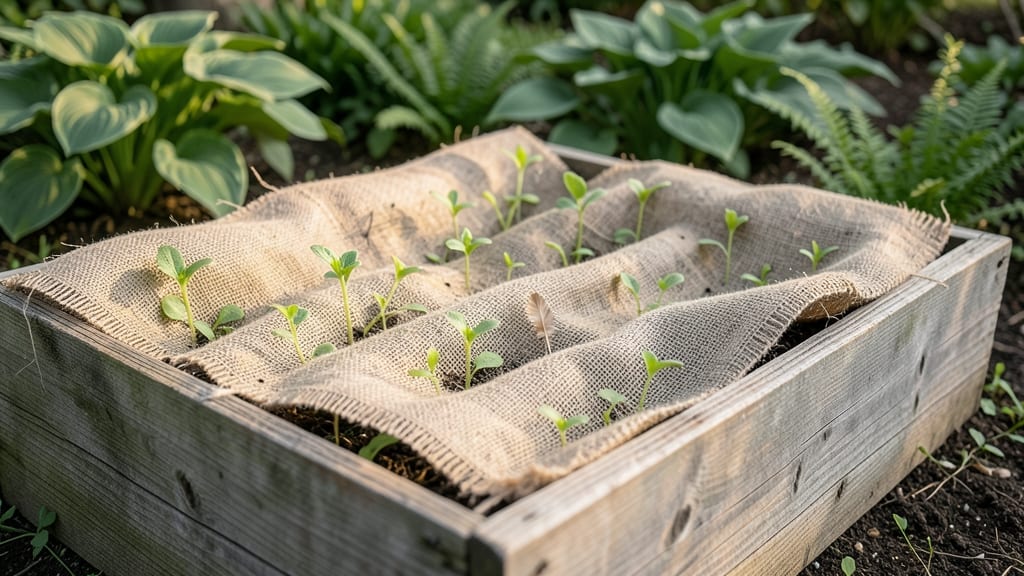
When slugs, rabbits, and birds threaten your delicate seedlings, hessian cloth becomes your organic garden's unsung hero. This rough, natural fabric creates a physical barrier that pests dislike while allowing air and light to reach your plants—unlike plastic covers that can suffocate young growth.
Made from 100% biodegradable fibers, hessian cloth also helps retain soil moisture by reducing evaporation, making it ideal for sandy soils or hot climates. Simply drape it loosely over your raised bed (no need for tight sealing) and secure with bricks or garden staples. It's especially effective for broccoli, lettuce, and carrots, which are common pest targets.
Perfect for organic gardeners or those with small-space beds, this cover breaks down naturally over time, leaving no plastic waste behind. It’s the eco-friendly way to protect your plants without harsh chemicals. 🌿
Inflatable Greenhouse Tunnel for Portable Protection
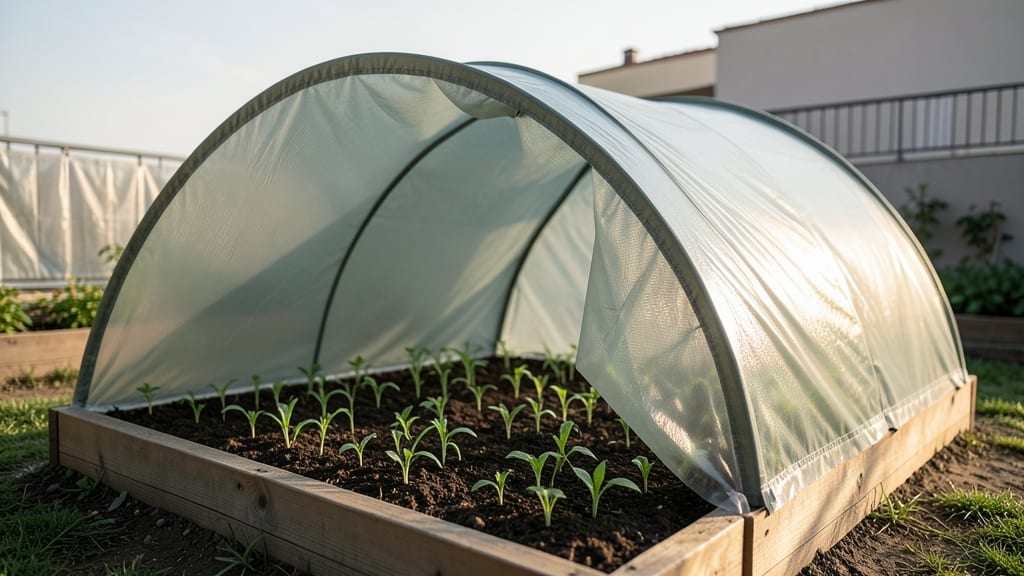
Tired of permanent structures cluttering your garden? An inflatable greenhouse tunnel is the ultimate solution for renters or small-space gardeners who want portable, weatherproof protection without the hassle of assembly or disassembly.
These lightweight tunnels—made from durable, UV-resistant fabric—expand in minutes to create a microclimate that extends your growing season by 4-6 weeks in spring and fall. They’re perfect for heat-loving crops like tomatoes or peppers, shielding them from late frosts, while still allowing 60-70% sunlight penetration for healthy growth. Simply inflate with a small pump, secure the edges with stakes, and watch your plants thrive in a protected, mobile environment.
Ideal for urban balconies, patios, or backyard corners, this cover is a game-changer for anyone who needs flexibility. Plus, it folds flat for storage when not in use—no permanent installation required! 🌱
Corrugated Plastic Mulch for Weed Suppression
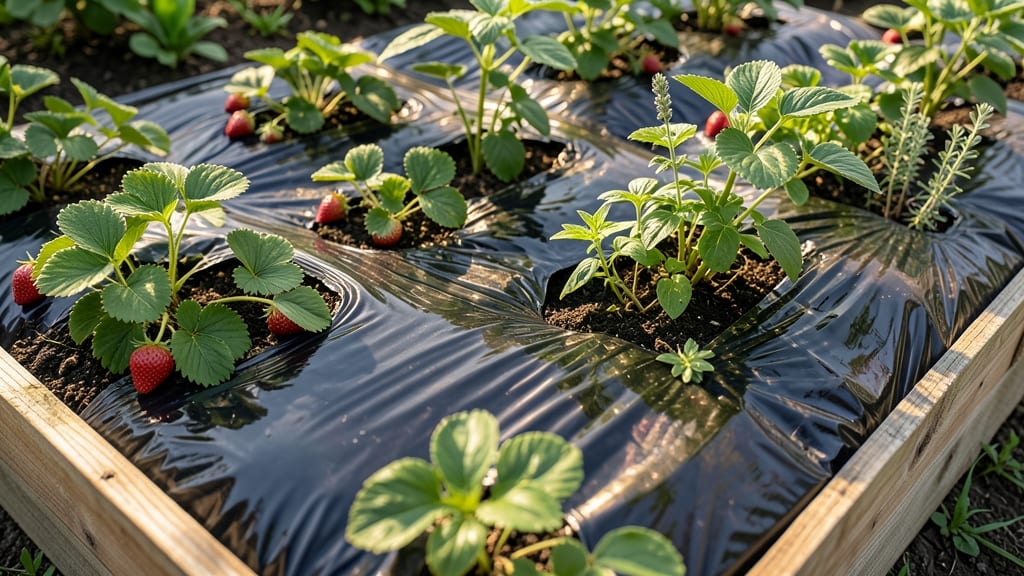
Tired of battling weeds that steal nutrients and water from your prized strawberries or herbs? Corrugated plastic mulch is your secret weapon—it smothers weeds while keeping soil warm and moisture locked in, so your plants thrive effortlessly.
This affordable, reusable material comes in clear or black options; clear lets sunlight through for heat-loving crops like basil, while black warms soil faster for early-season planting. Simply lay it flat over your bed before planting, securing edges with soil or bricks. The ridges help with drainage, and it lasts multiple seasons with proper care.
Perfect for small-space gardeners or anyone growing low, dense crops, this mulch cuts weeding time by up to 90% while conserving water. It’s especially valuable in dry climates or for crops like thyme where competition is fierce. 💡
Straw or Wood Chip Mulch for Insulation and Soil Health

Skip the plastic and synthetic covers—straw or wood chip mulch is your garden’s cozy winter blanket, working overtime to insulate roots while feeding the soil. Unlike temporary covers, this organic layer breaks down slowly, releasing nutrients that boost microbial life and improve texture over time.
Apply a 3-4 inch thick layer in late fall for perennial beds or around tender plants like roses or lavender in mild climates. The mulch acts as a natural insulator, protecting roots from freezing temperatures while preventing soil compaction from rain. Straw is lighter and dries faster, while wood chips add long-term carbon benefits.
Perfect for gardeners who prioritize soil health over quick fixes, this mulch is especially valuable for year-round gardens or areas with unpredictable winters. It’s the ultimate low-maintenance cover that keeps your plants thriving. 🌱